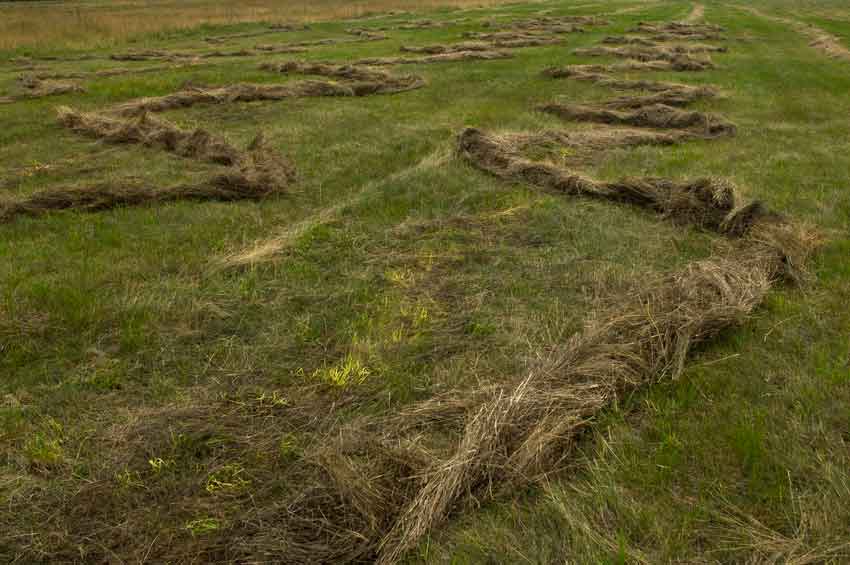
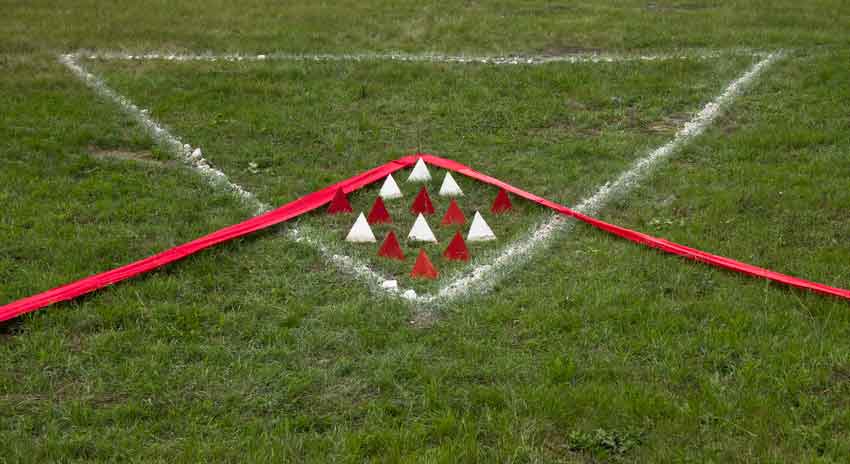
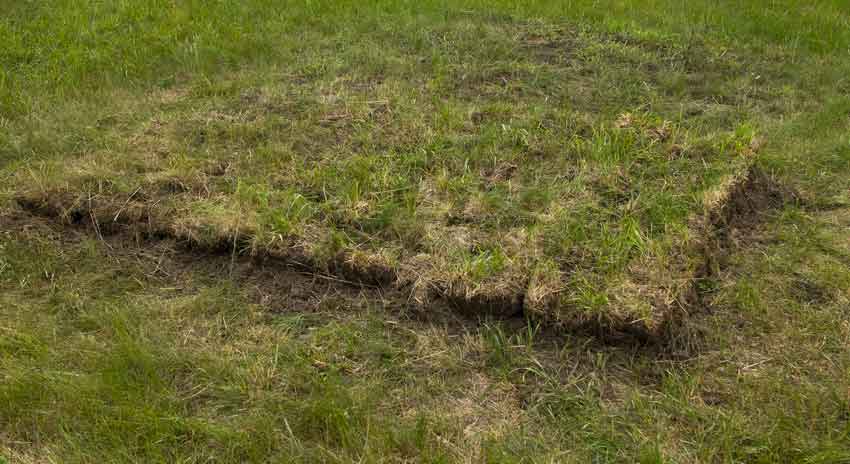
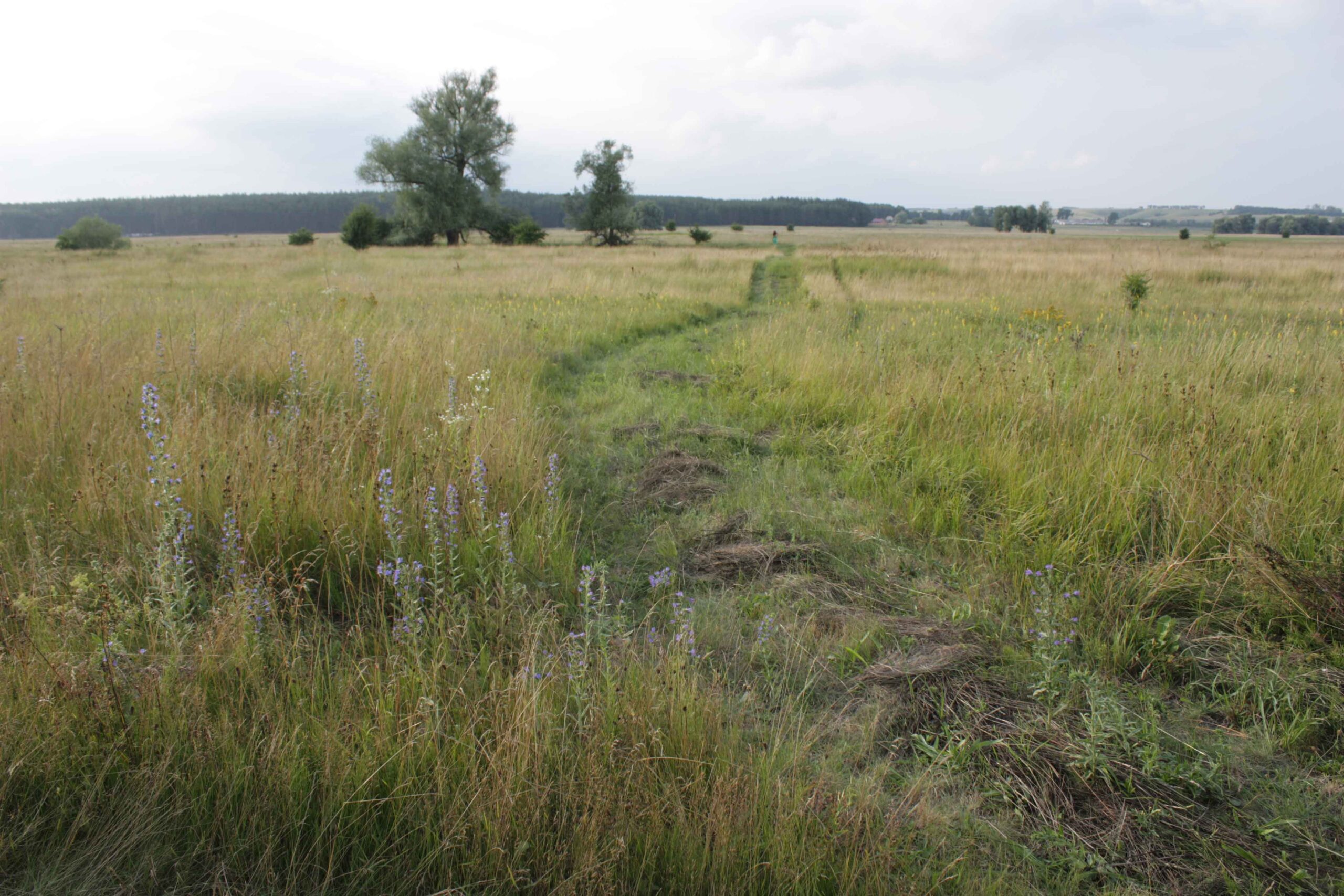
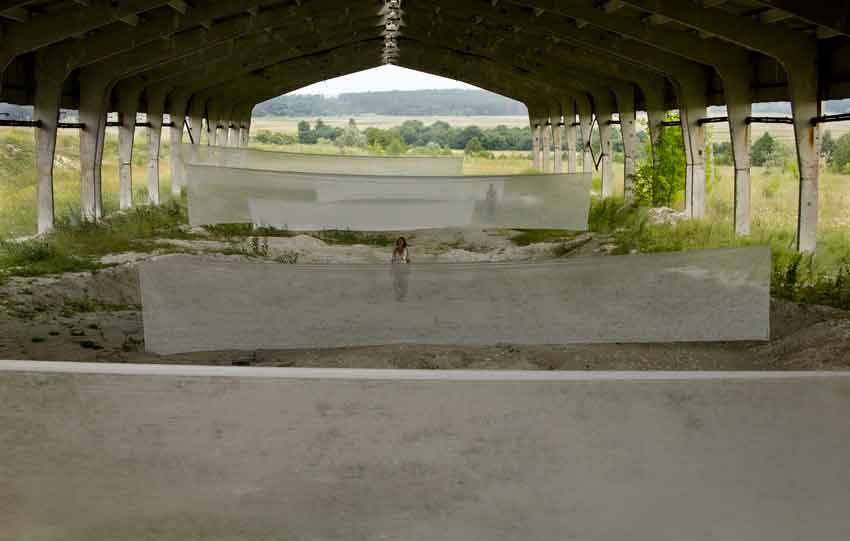
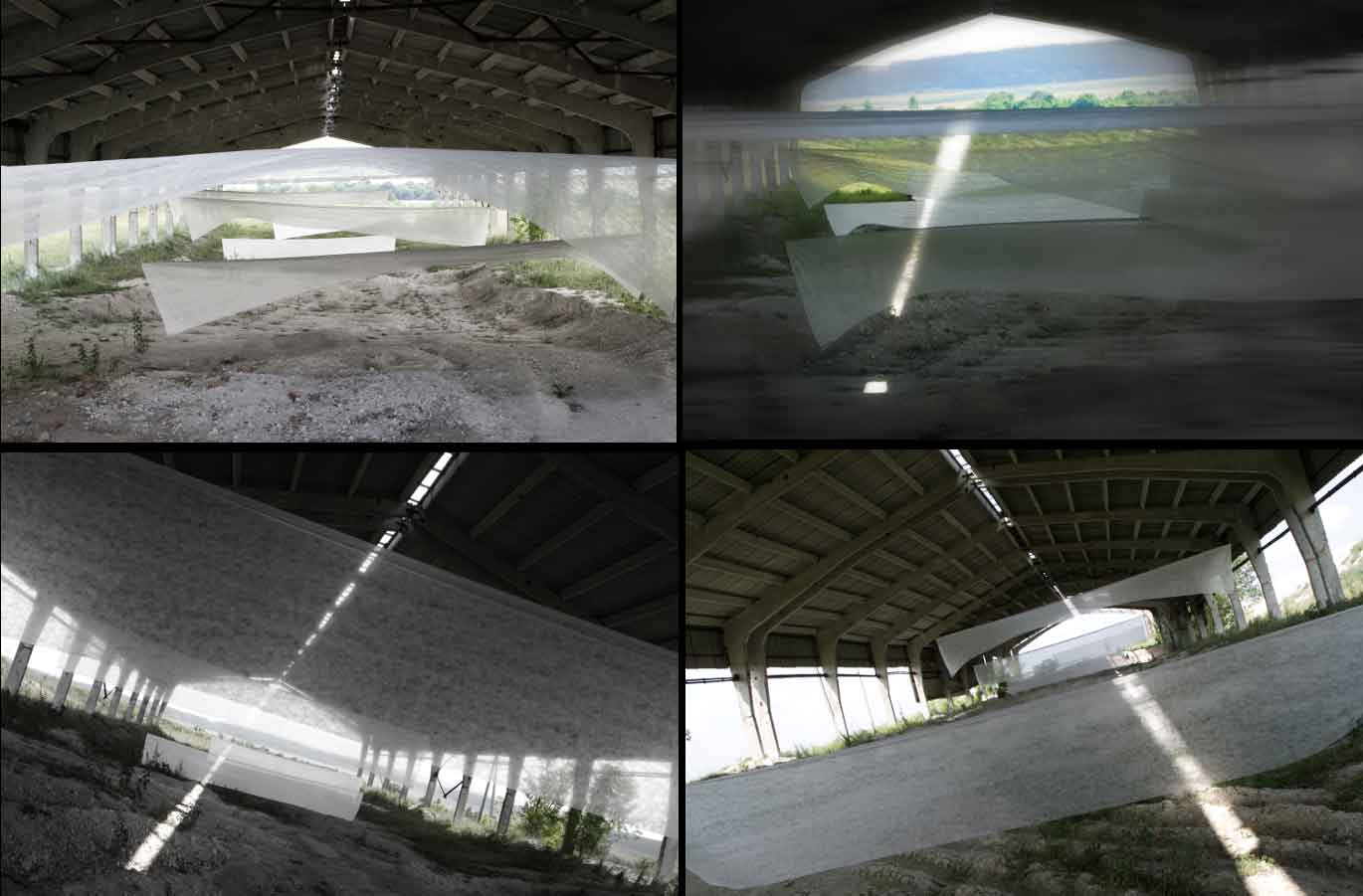
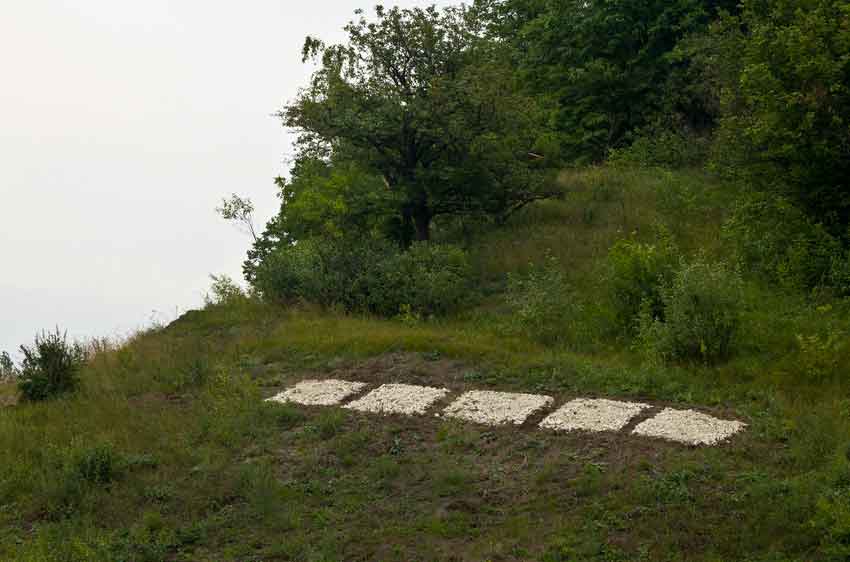
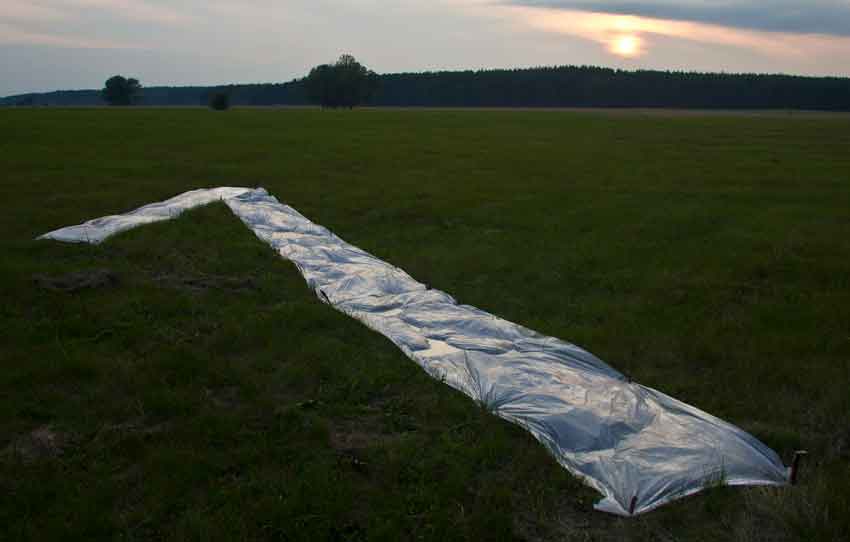
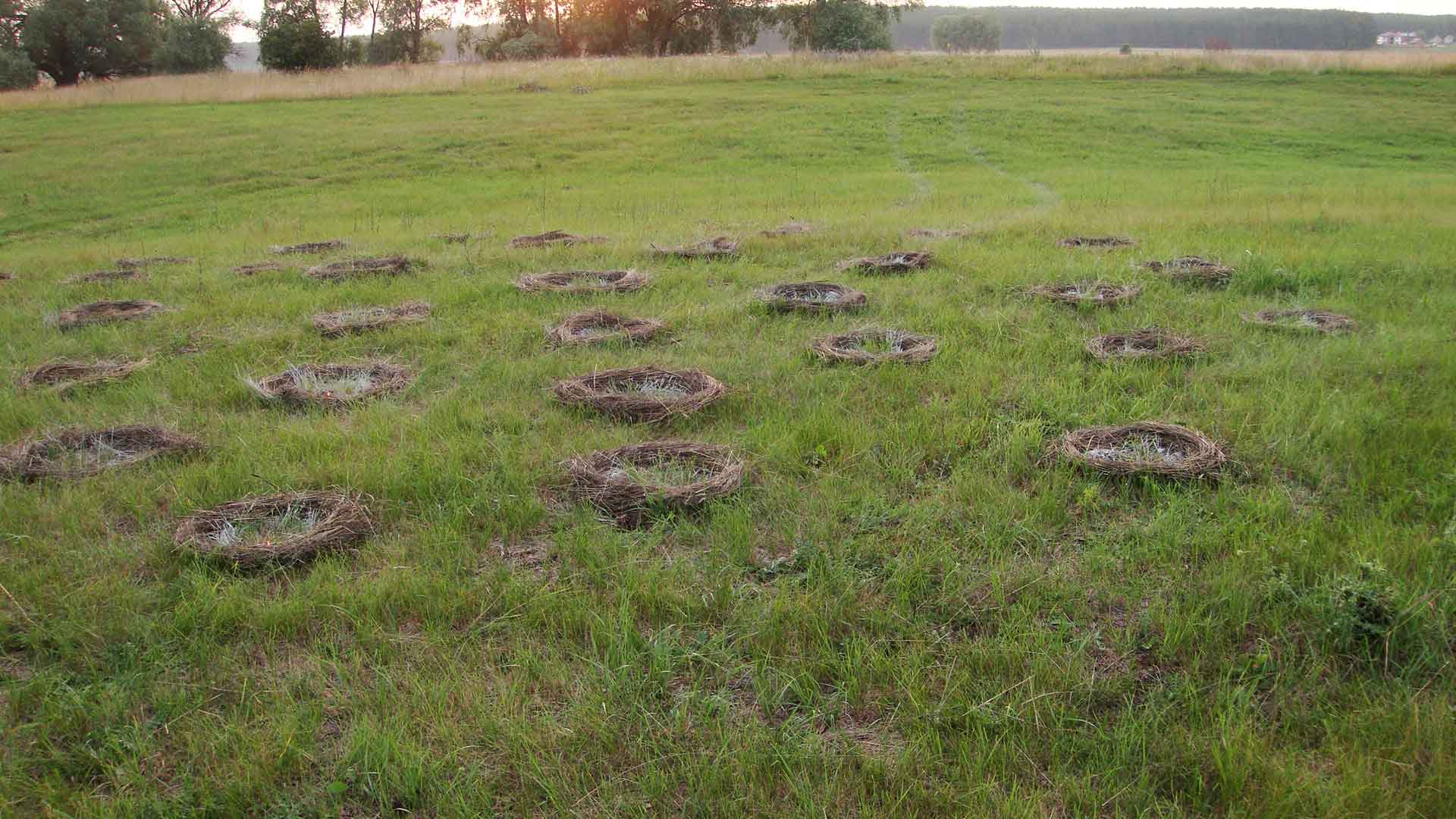
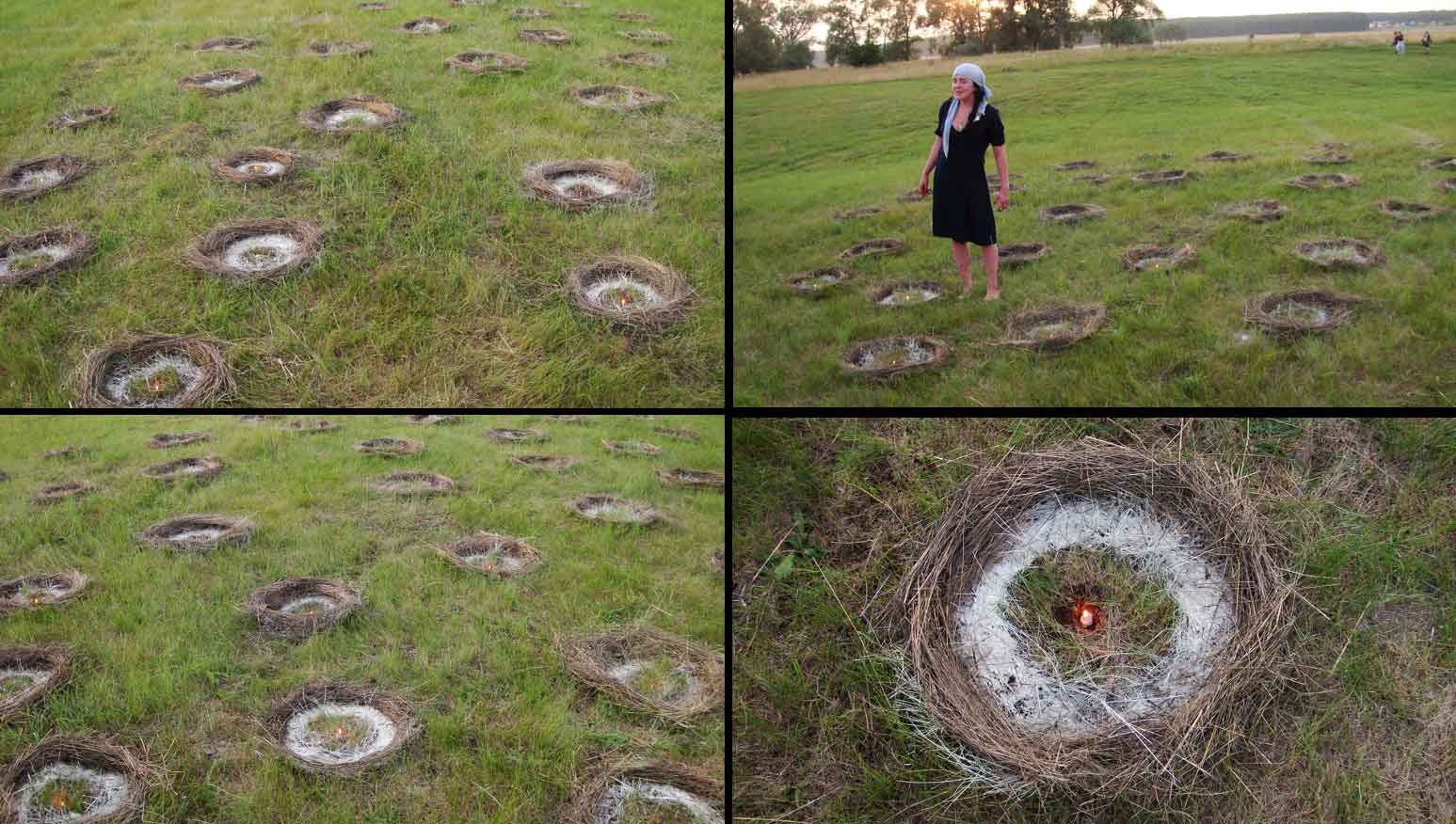
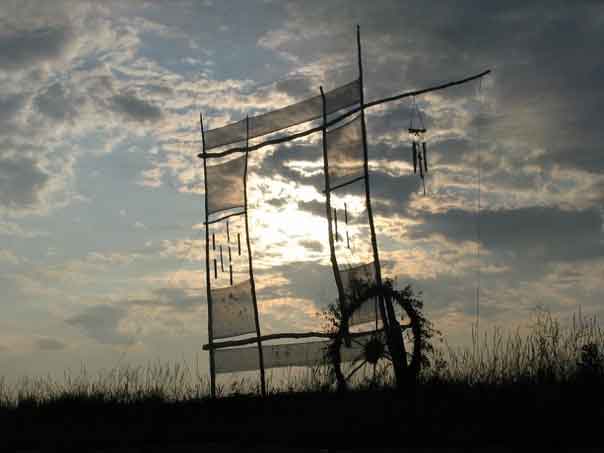
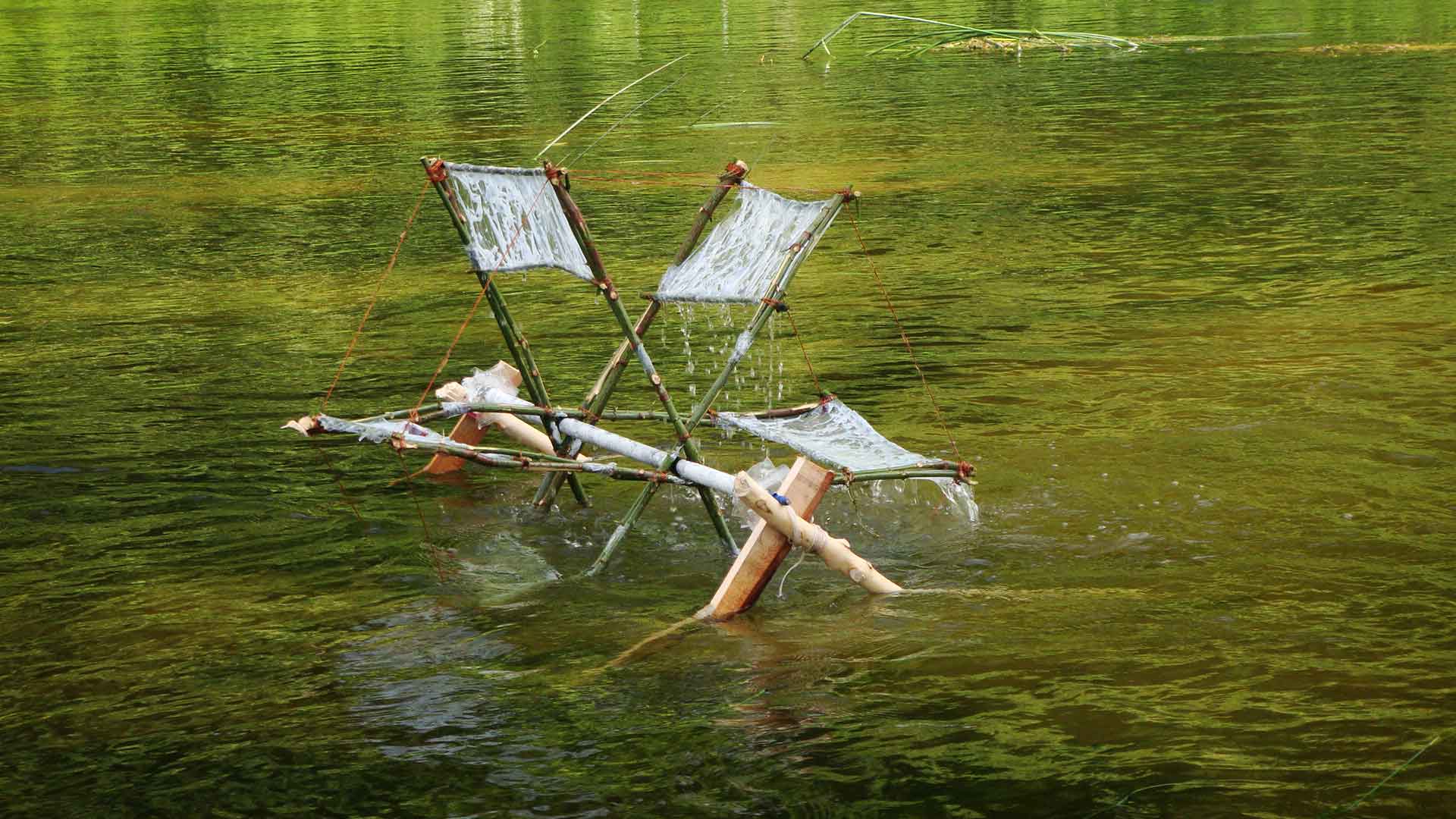
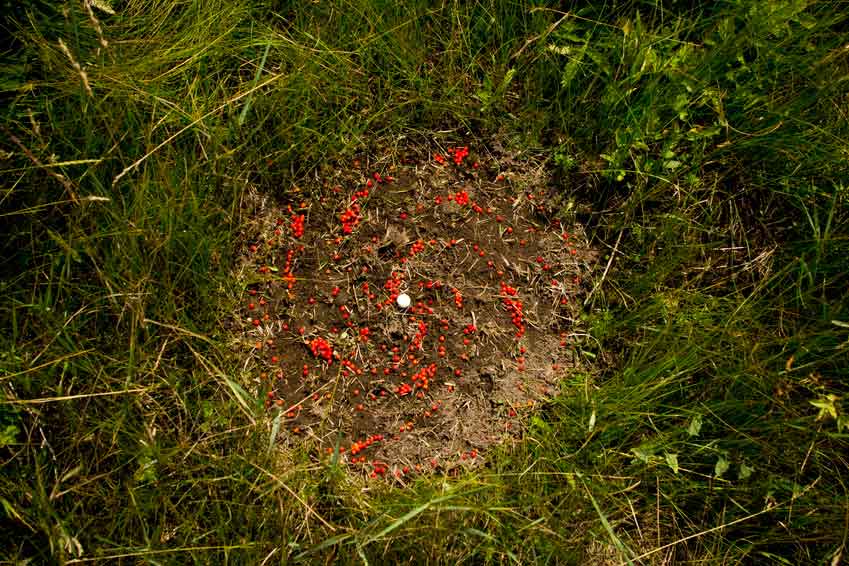
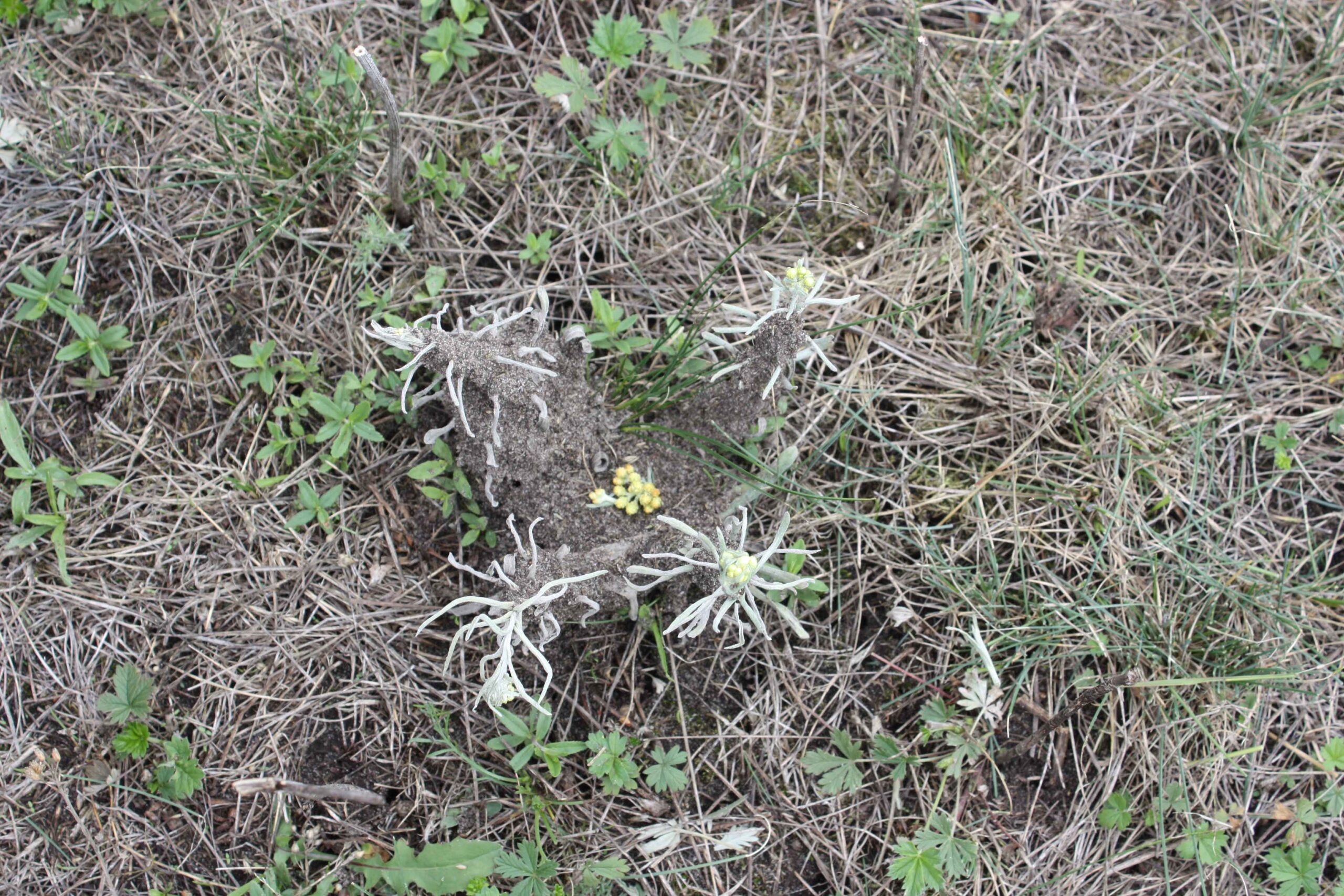
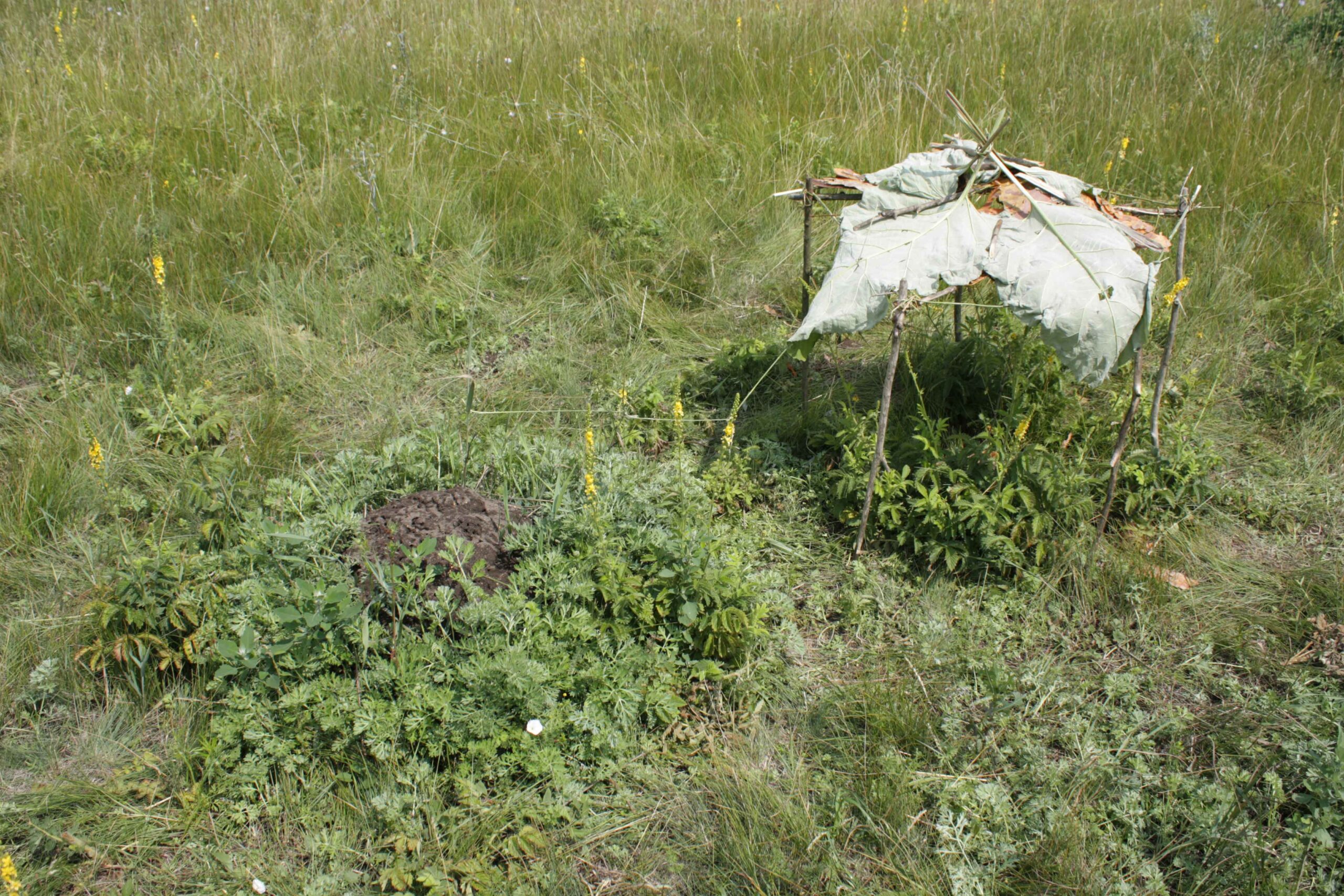
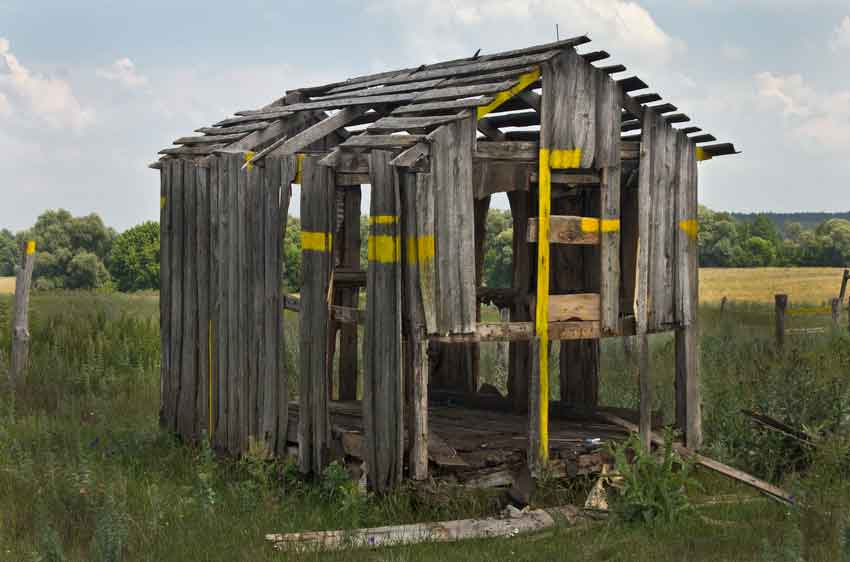
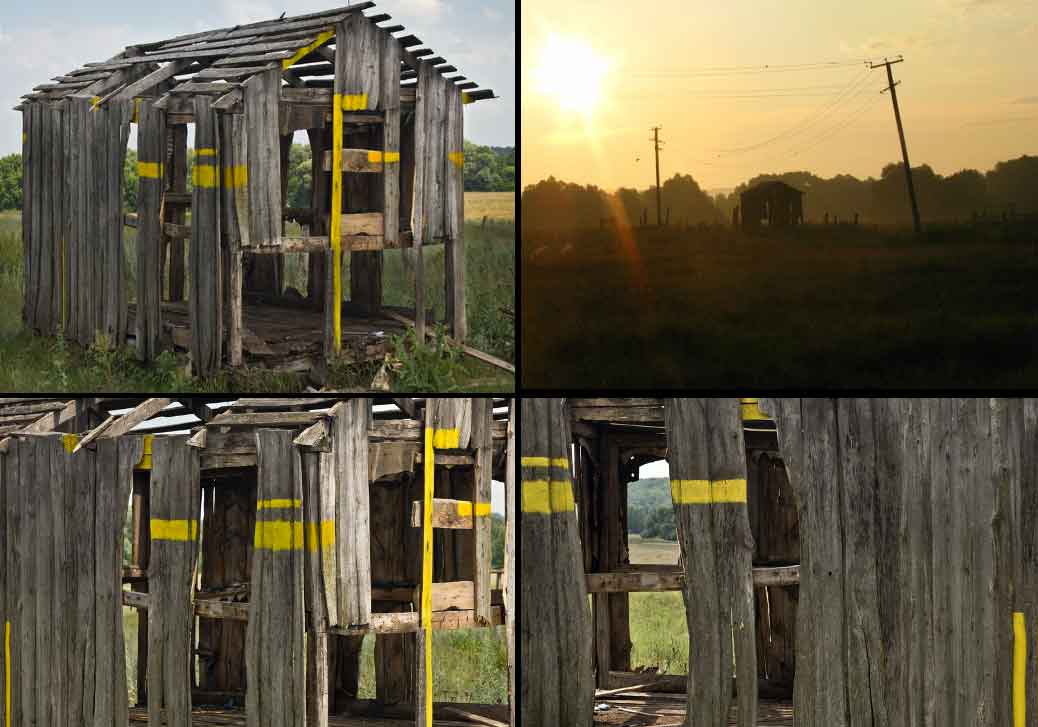
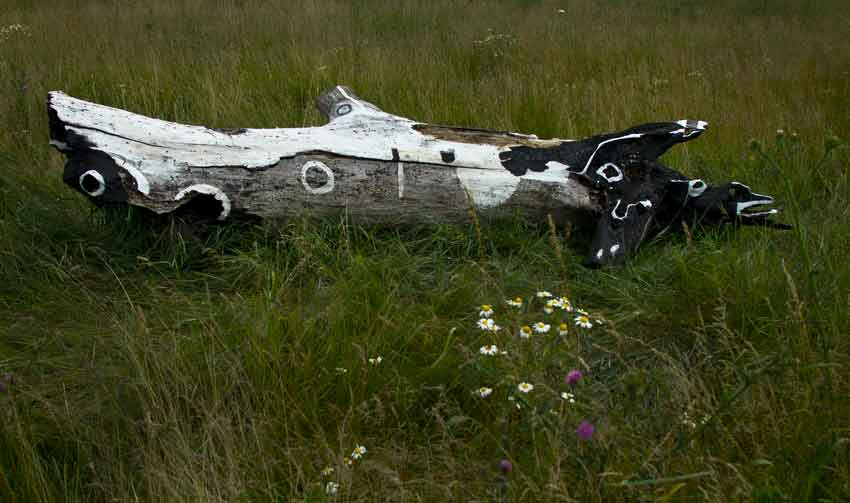
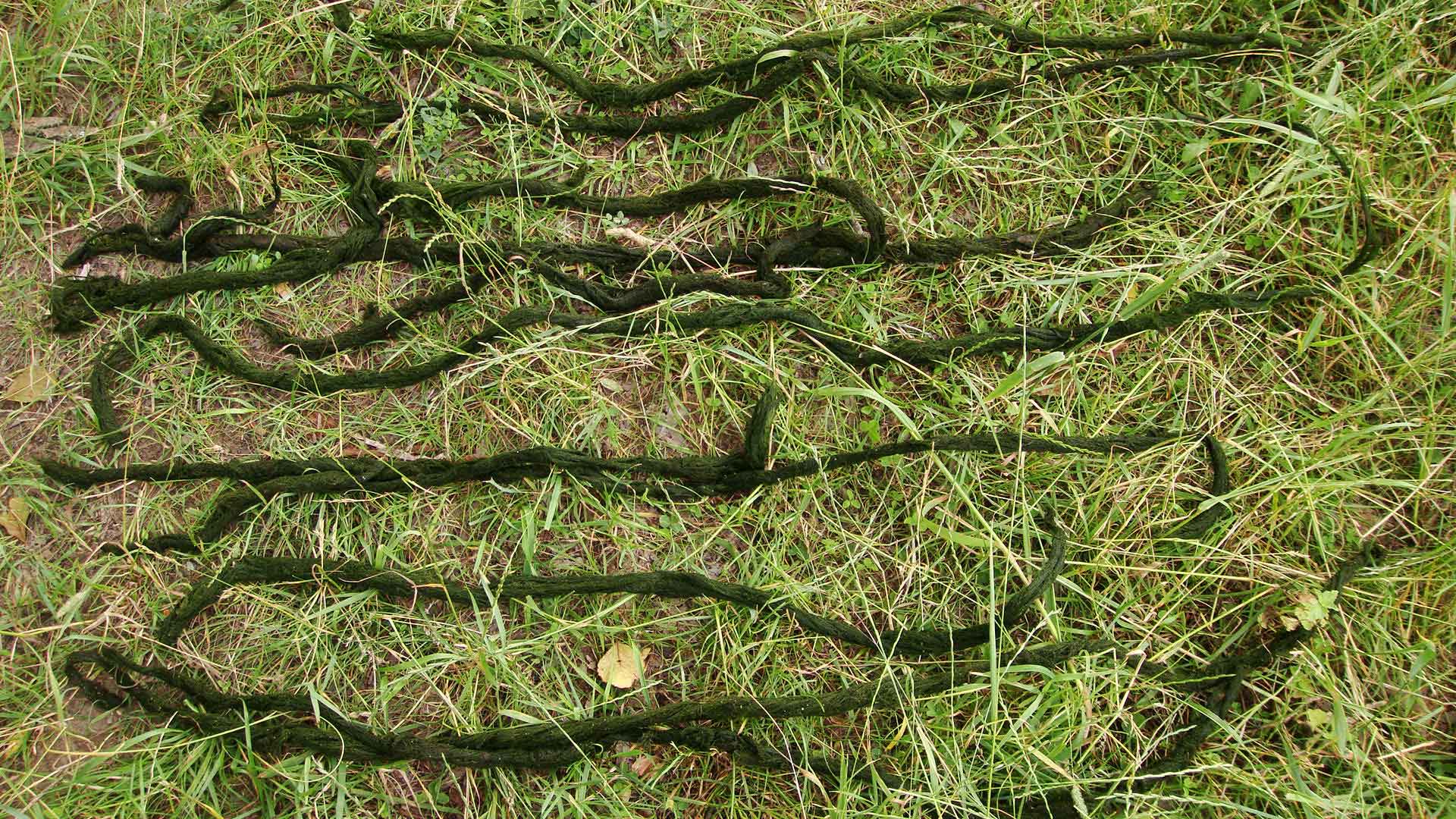
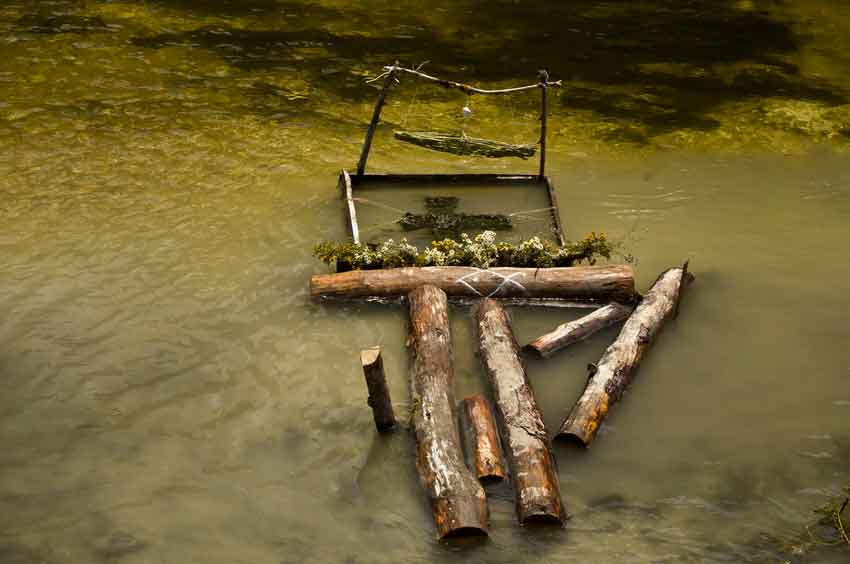
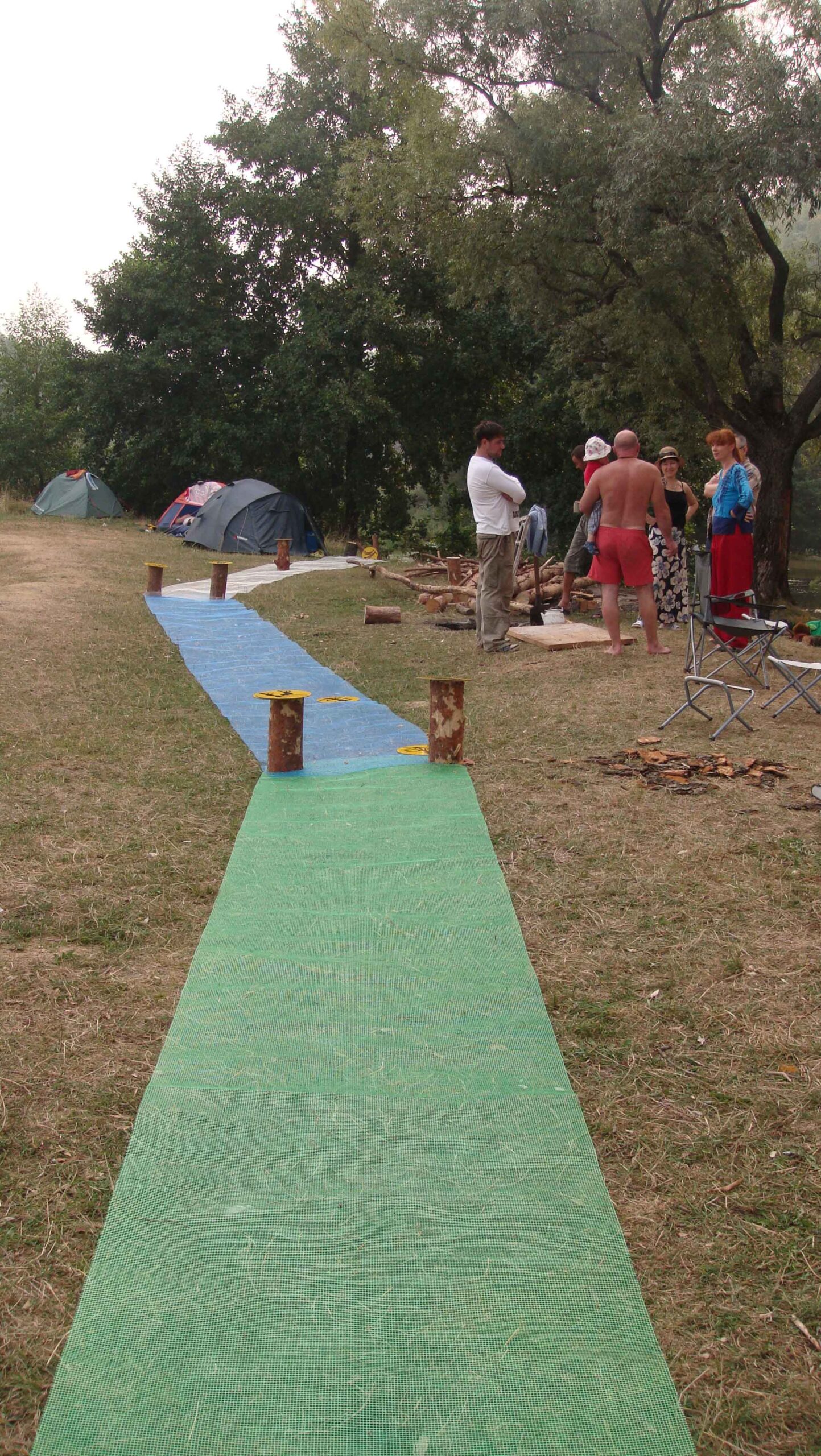
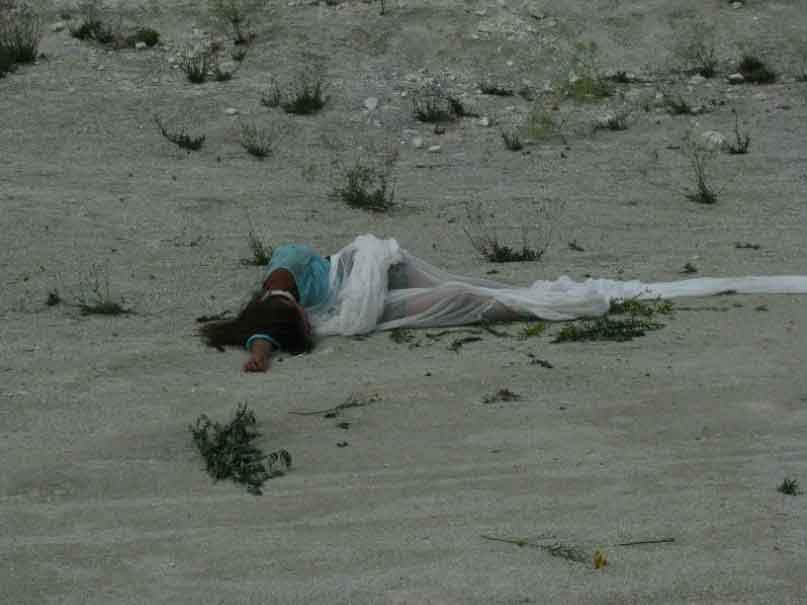
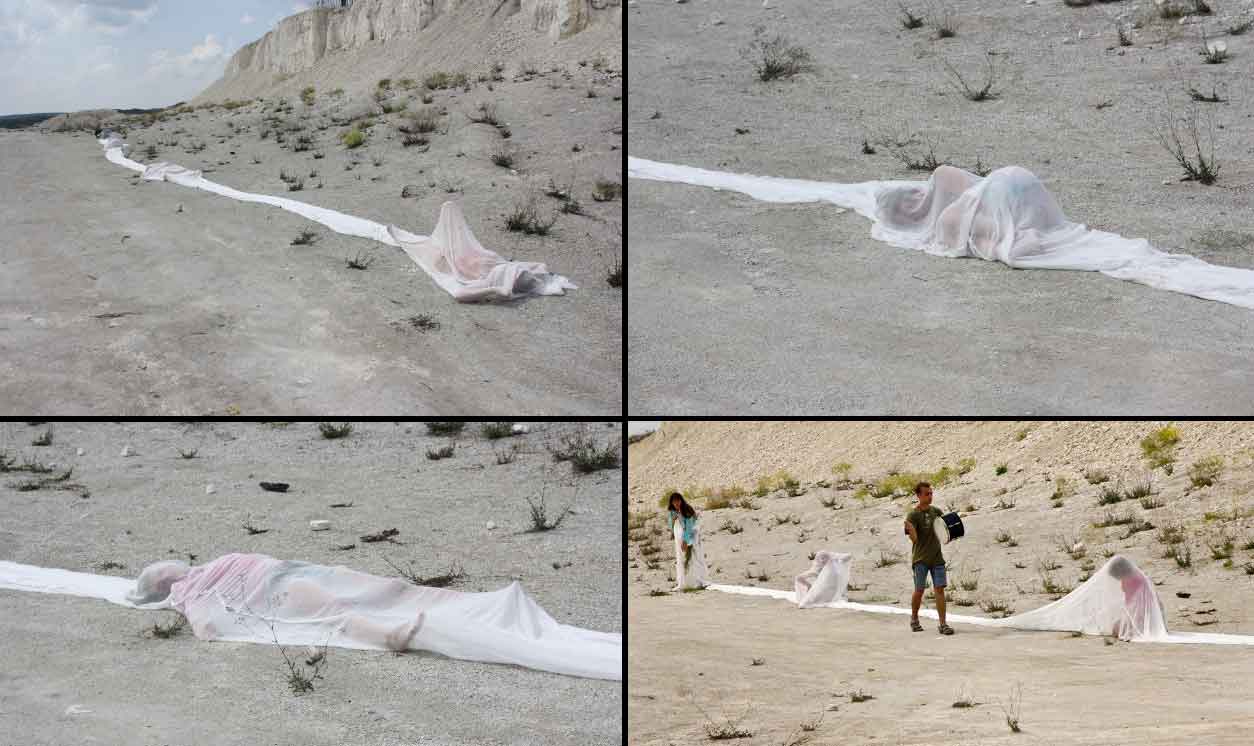
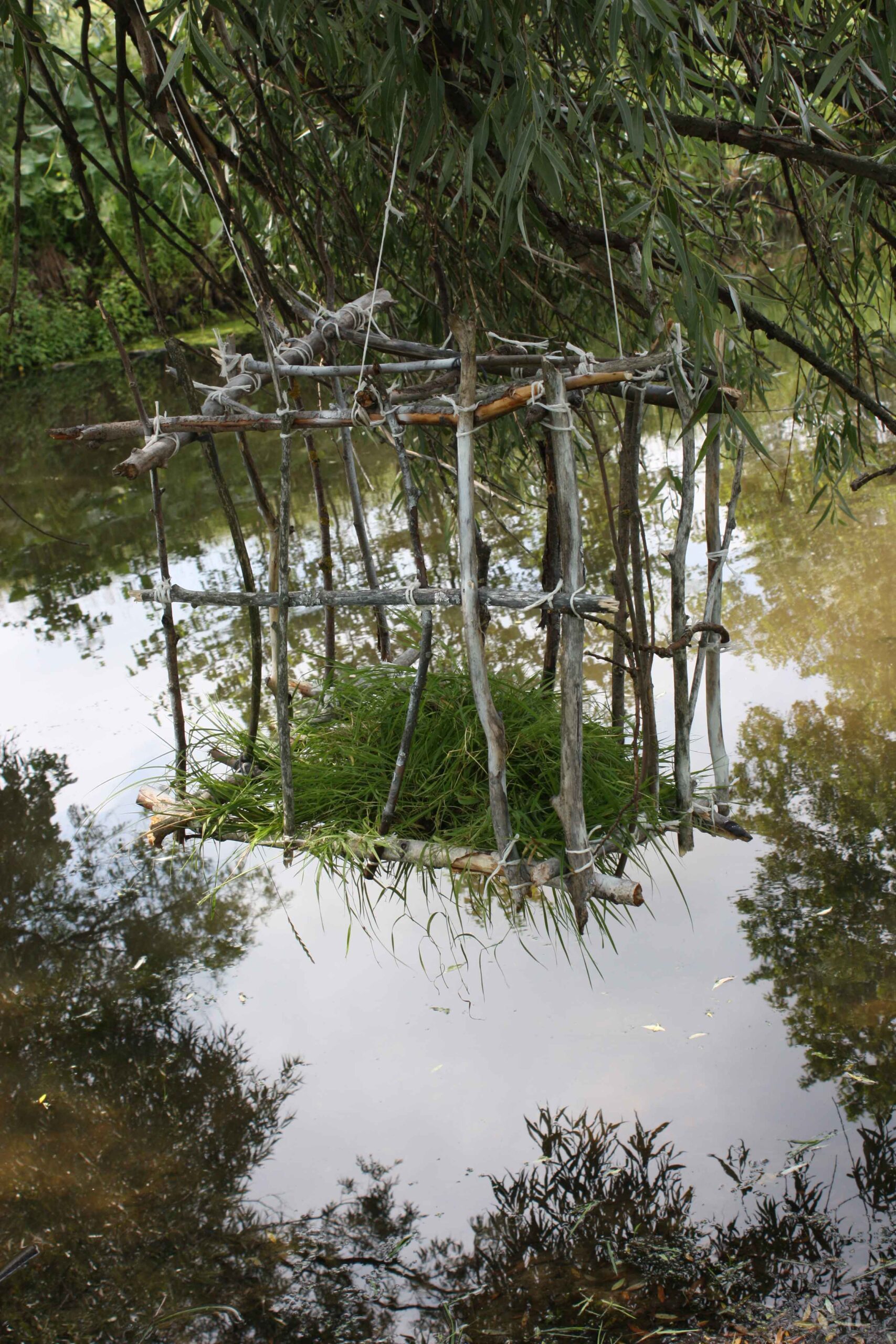
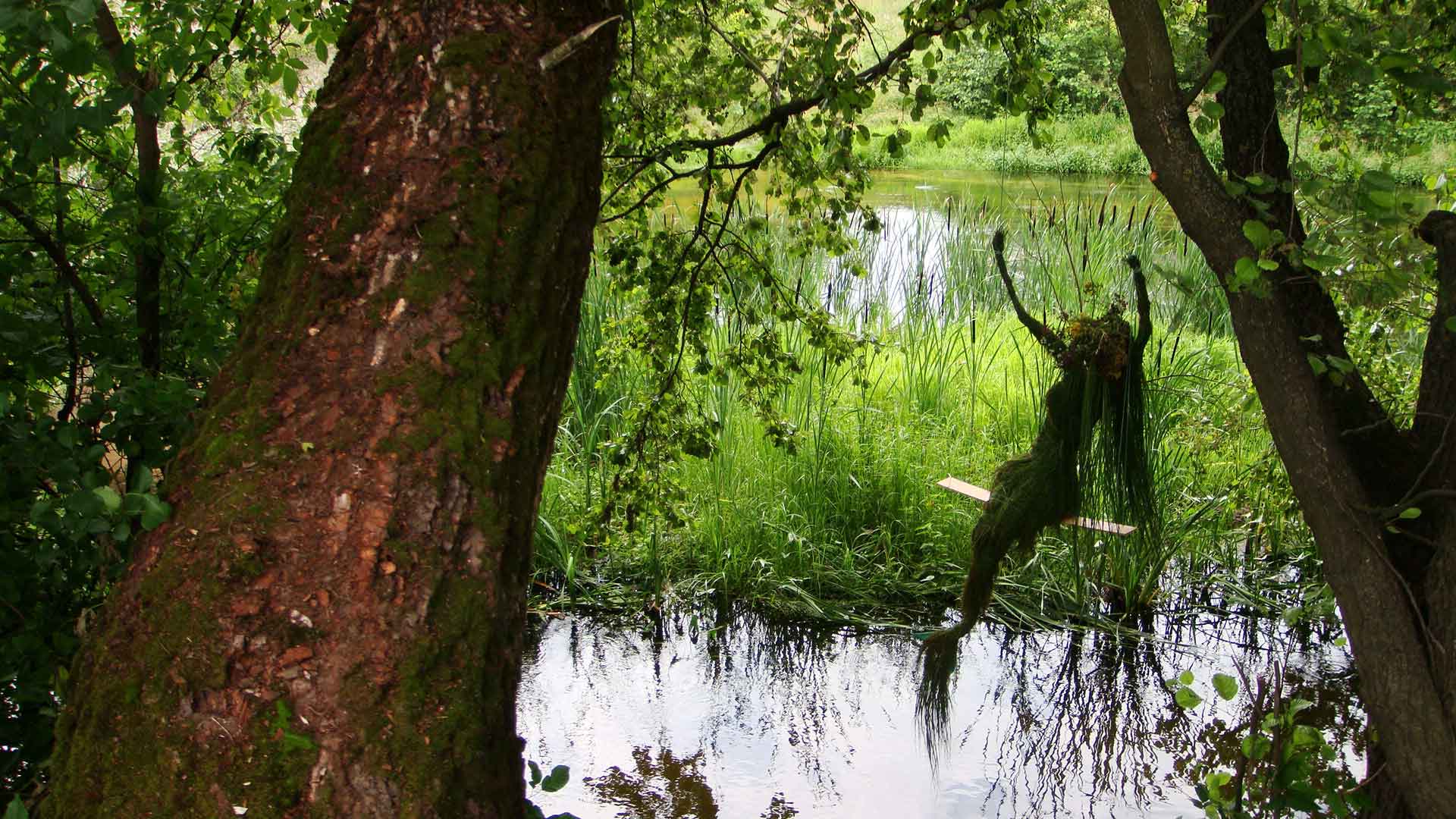
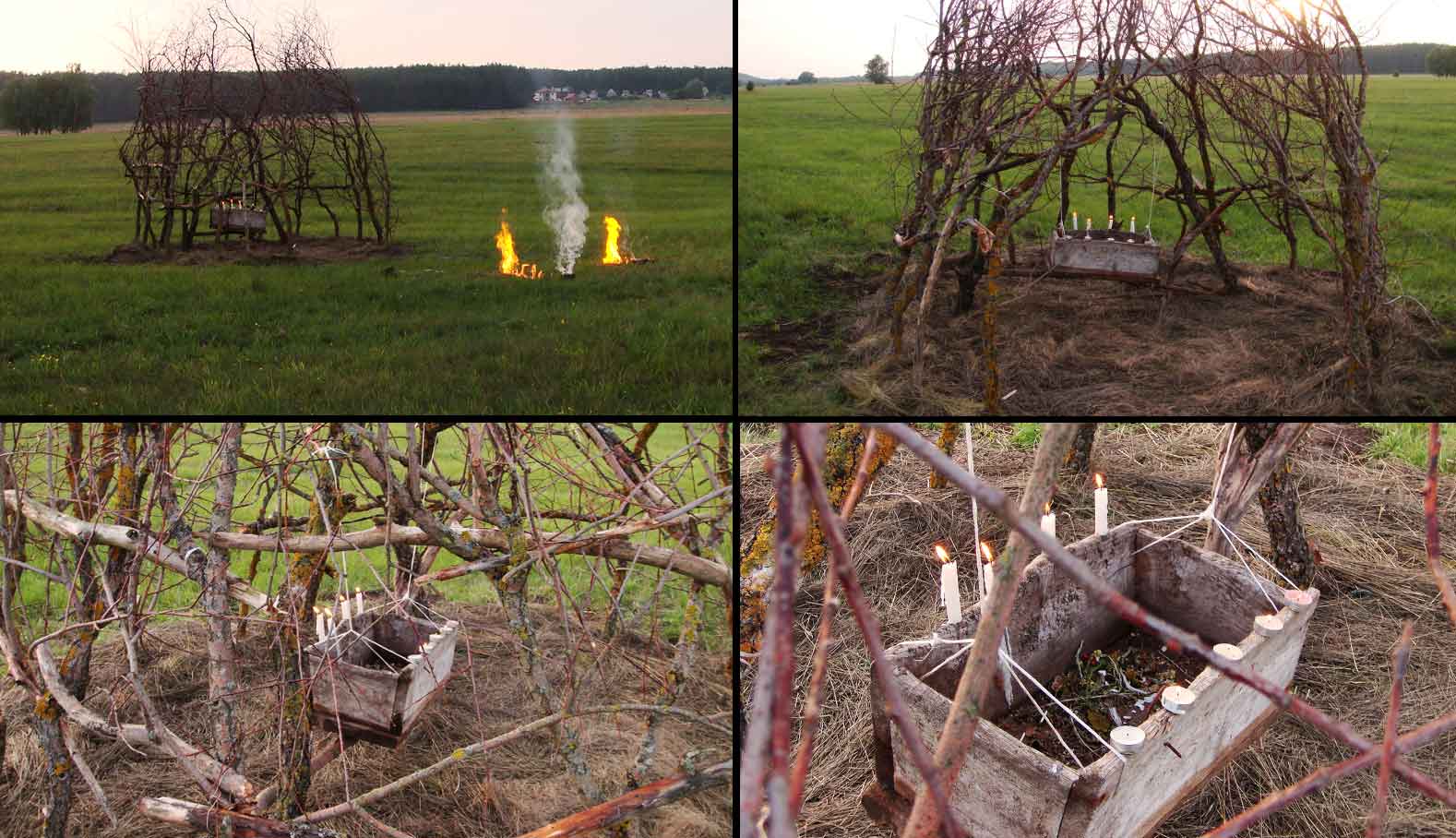
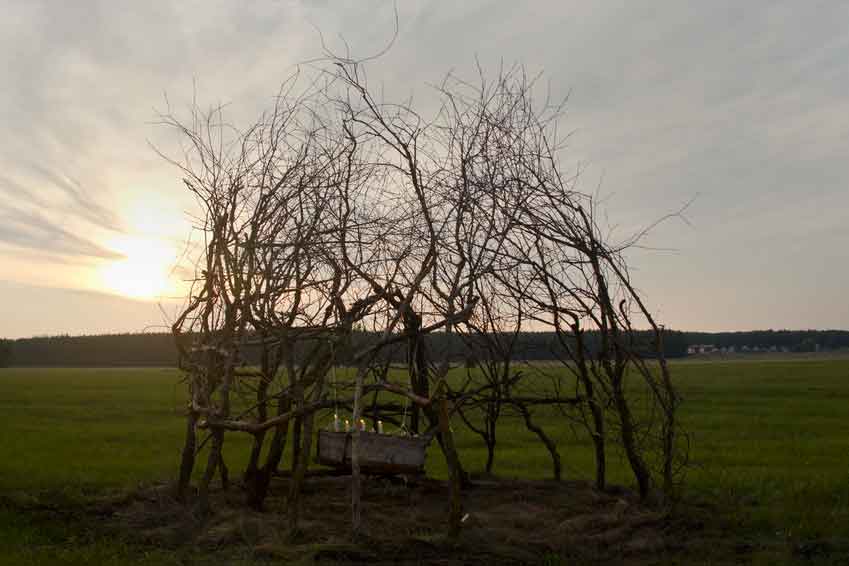
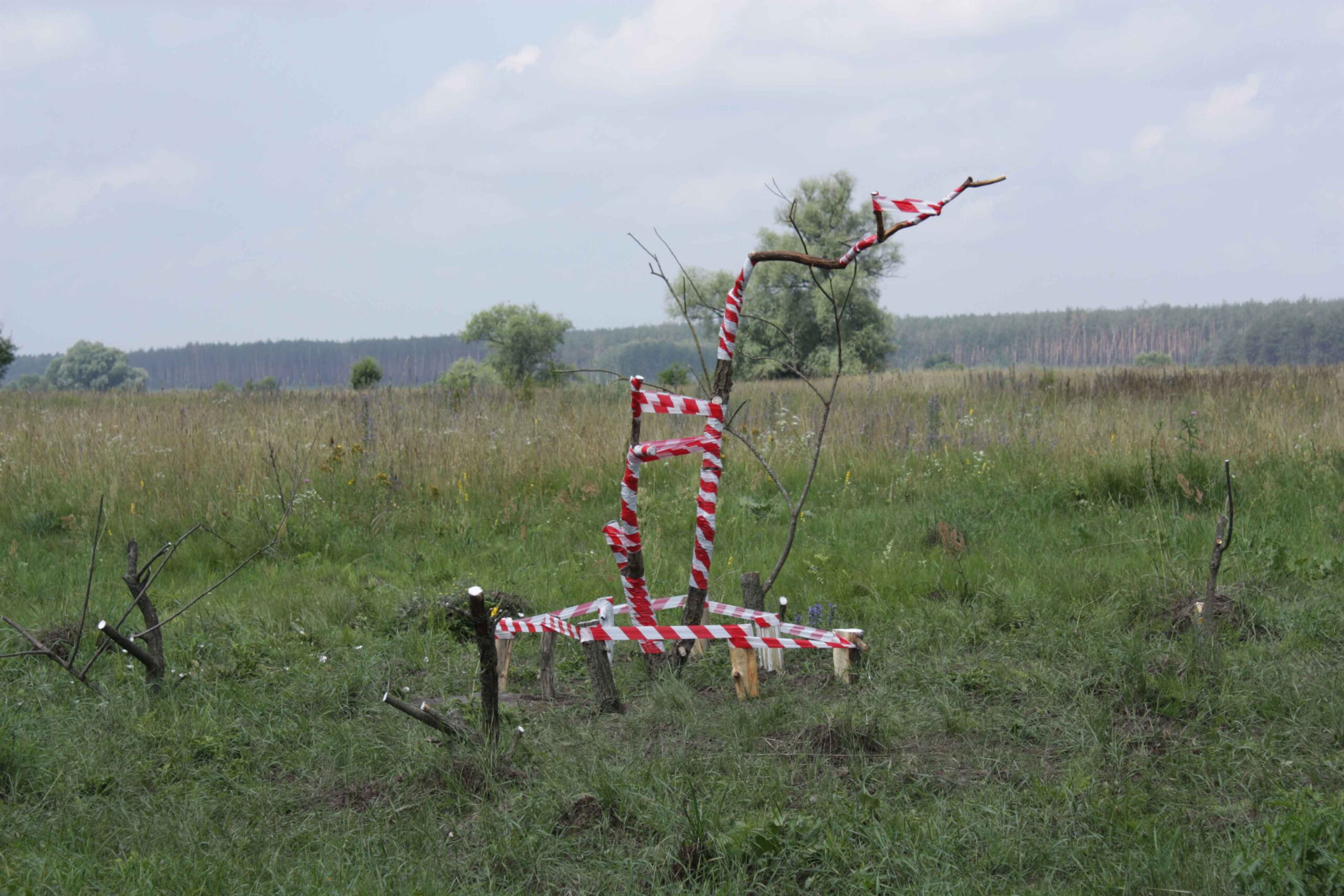
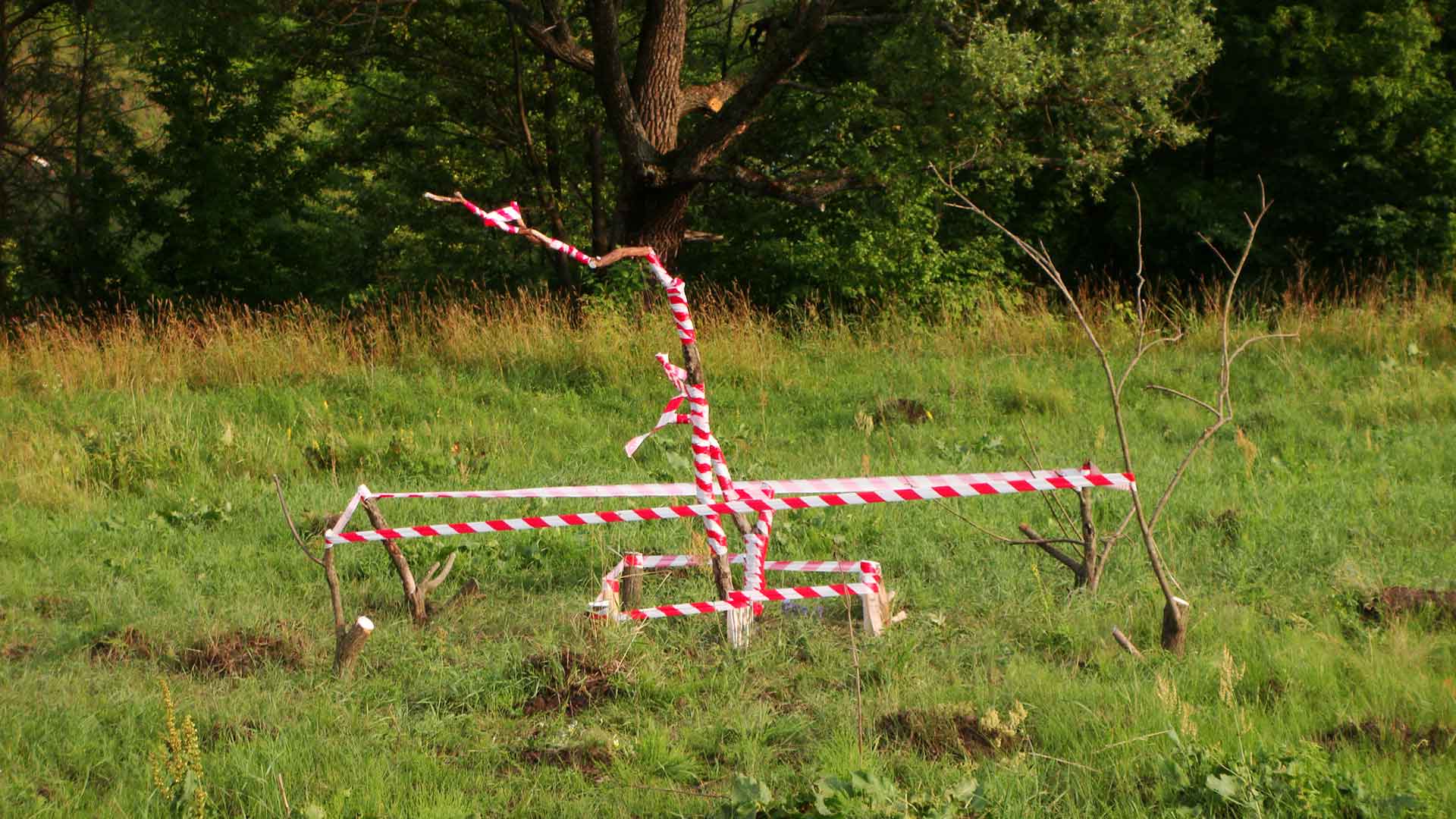
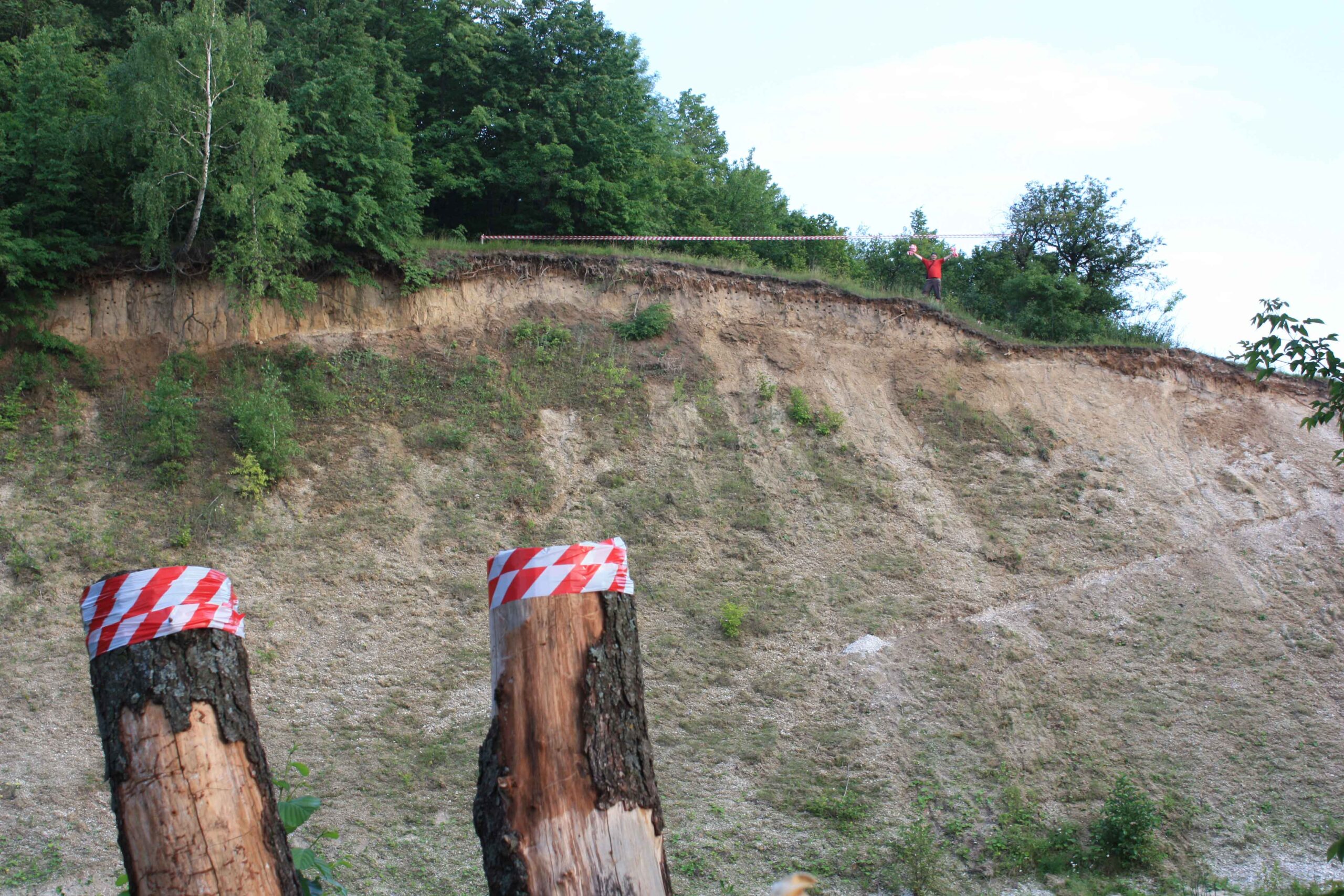
Both a deepening of artistic research and significant institutional developments in the symposium’s evolution marked 2011. The key event was the publication and presentation of the album “Art of the Environment”—the first large-scale printed attempt to document the experience of Ukrainian land art in the context of the Mohrytsia Symposium. Initiated by Petro Bevza and Ganna Gidora, with the support of Oleh Krasnoselsky, this project laid the foundation for understanding land art as a fully developed artistic phenomenon with its own history and methodology.
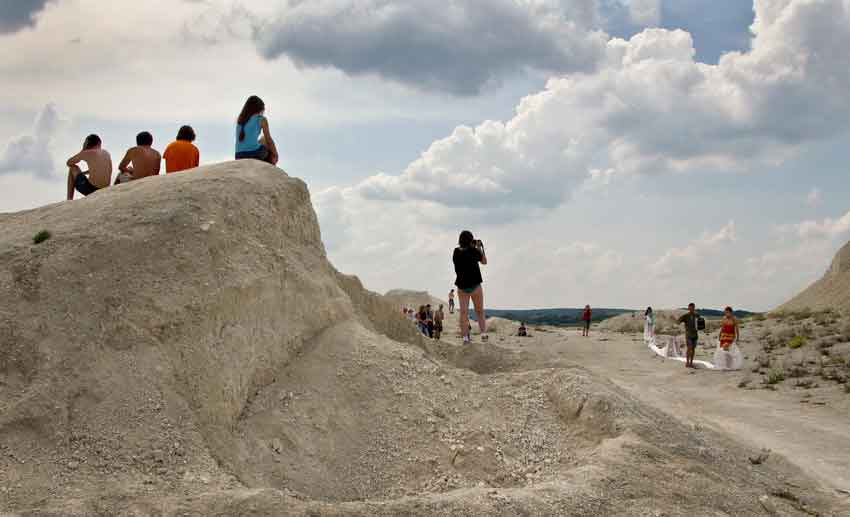
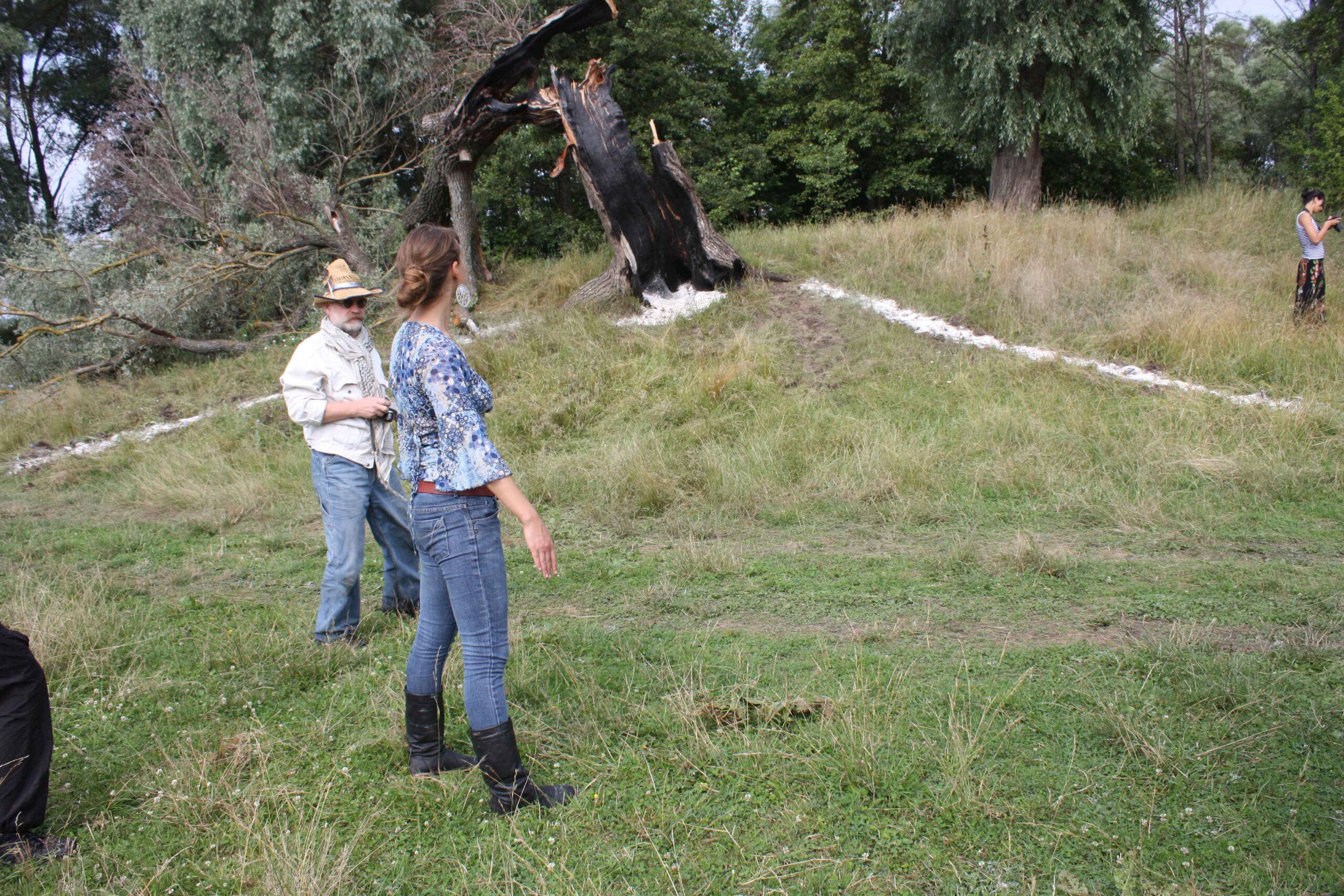
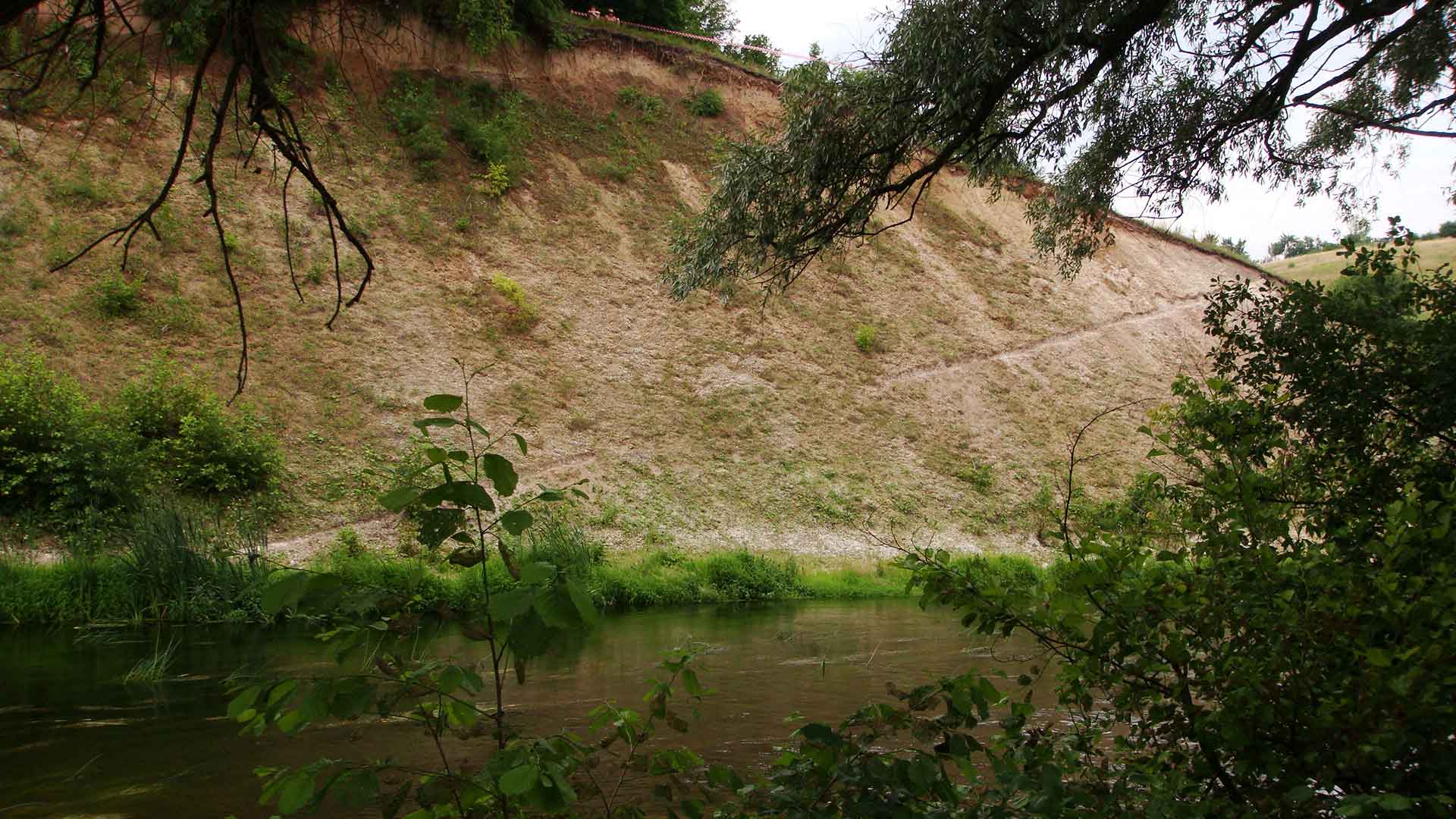
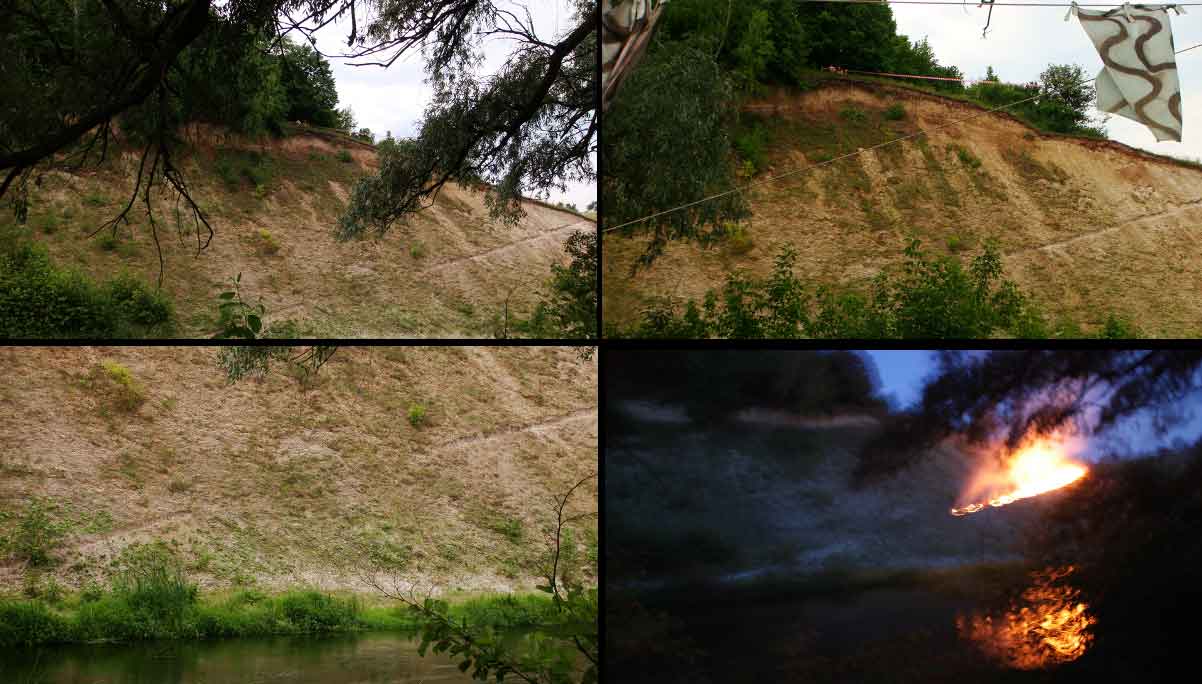
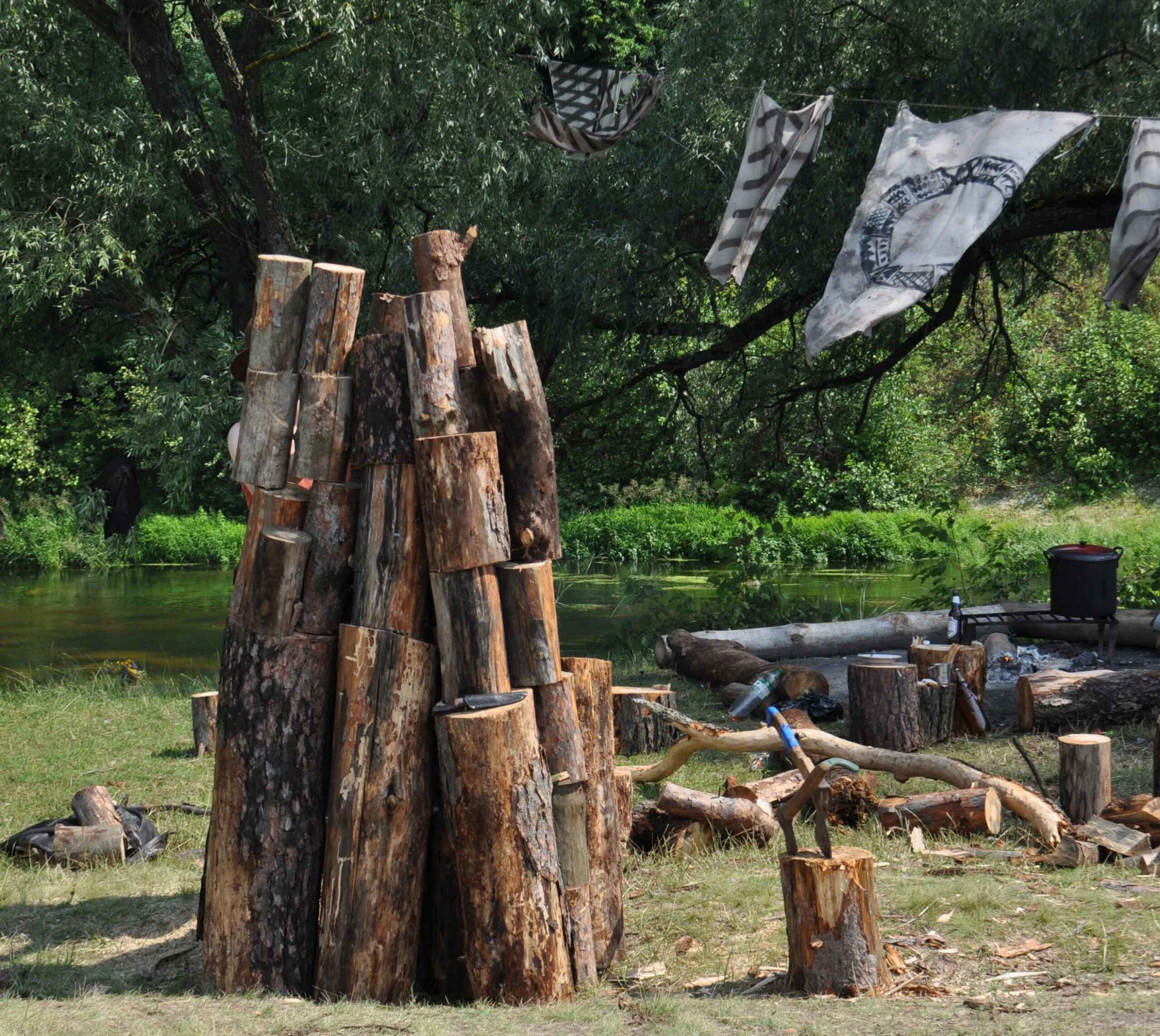
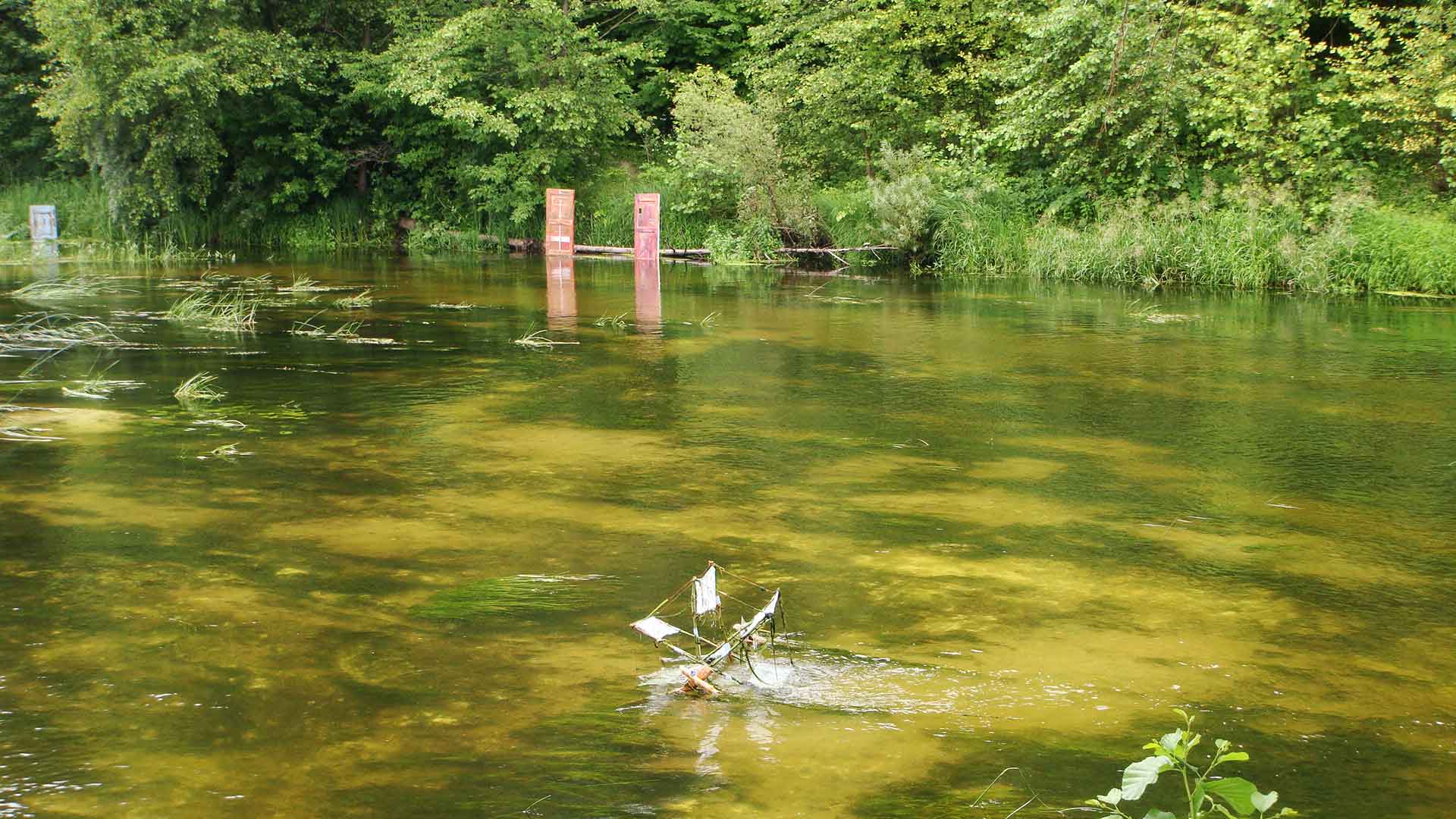
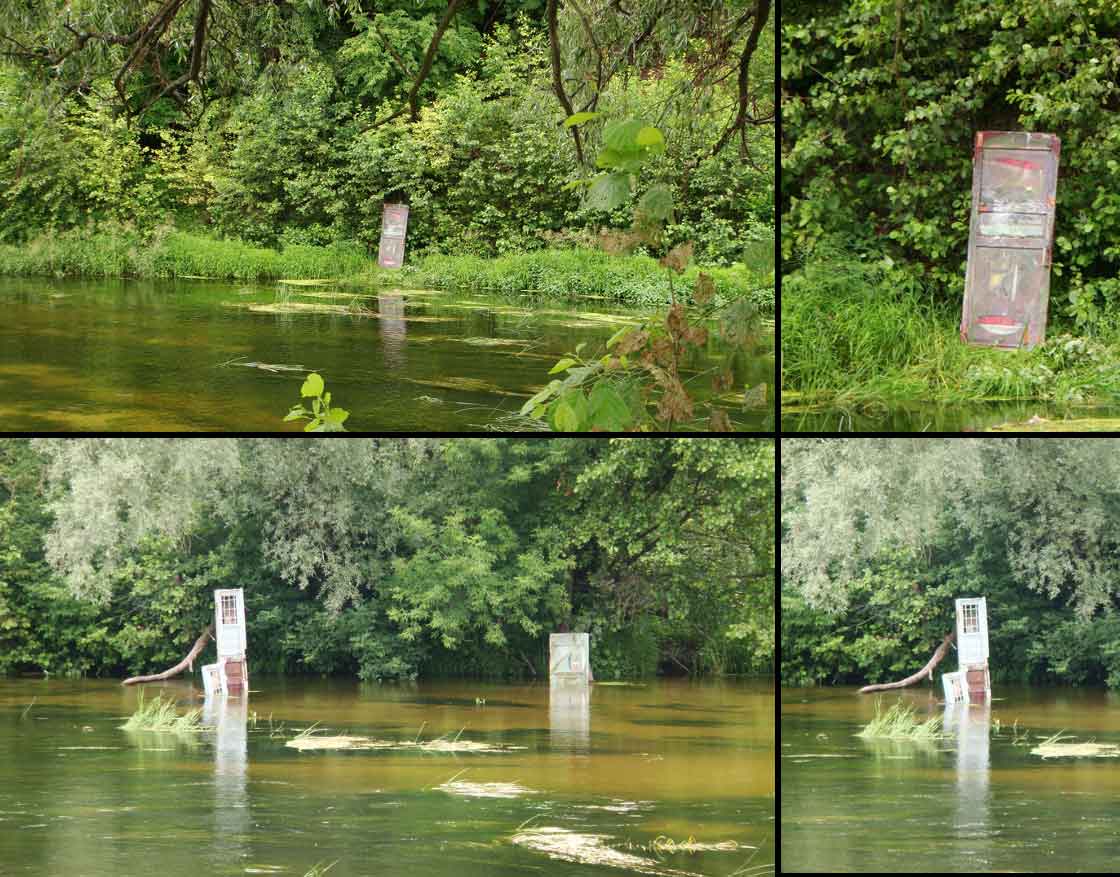
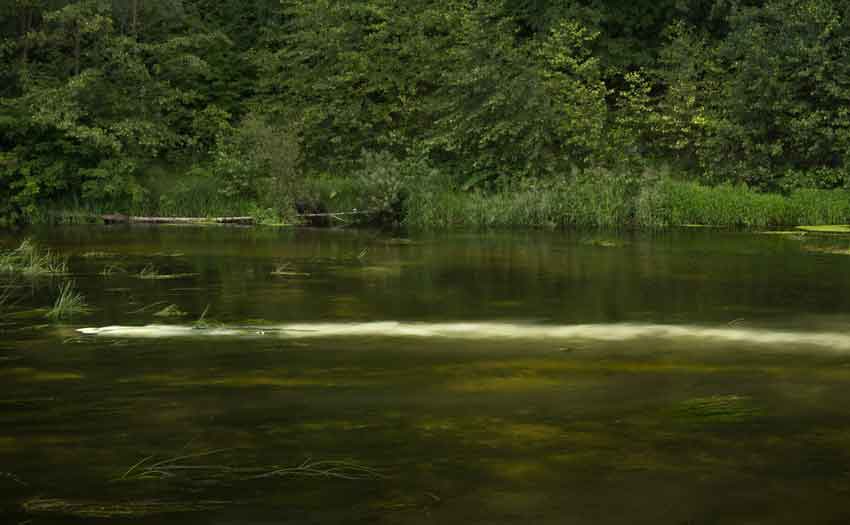
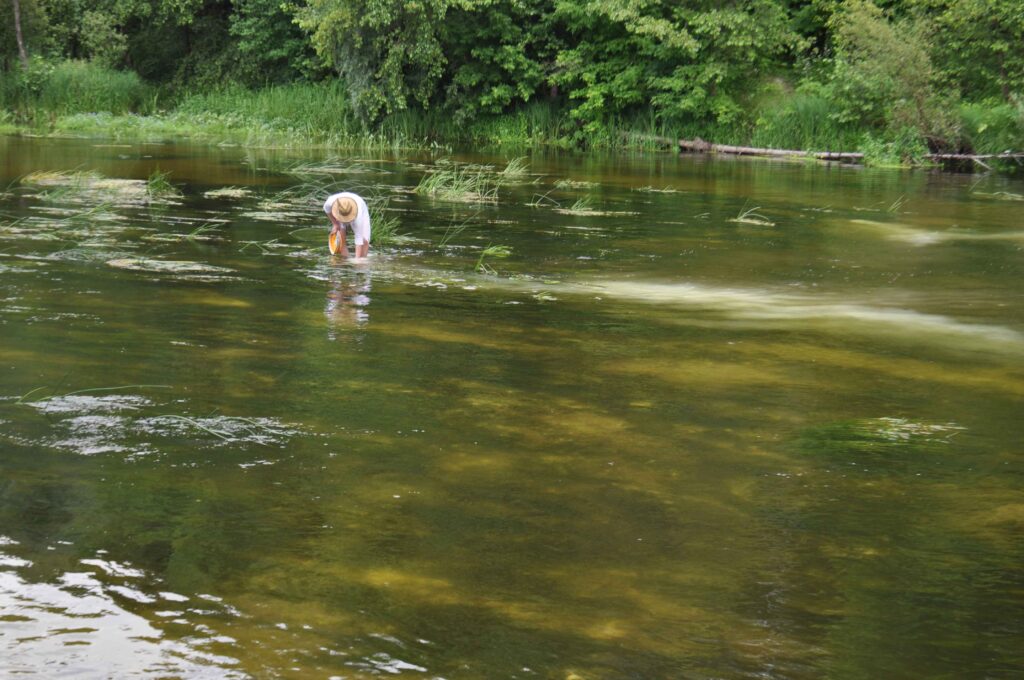
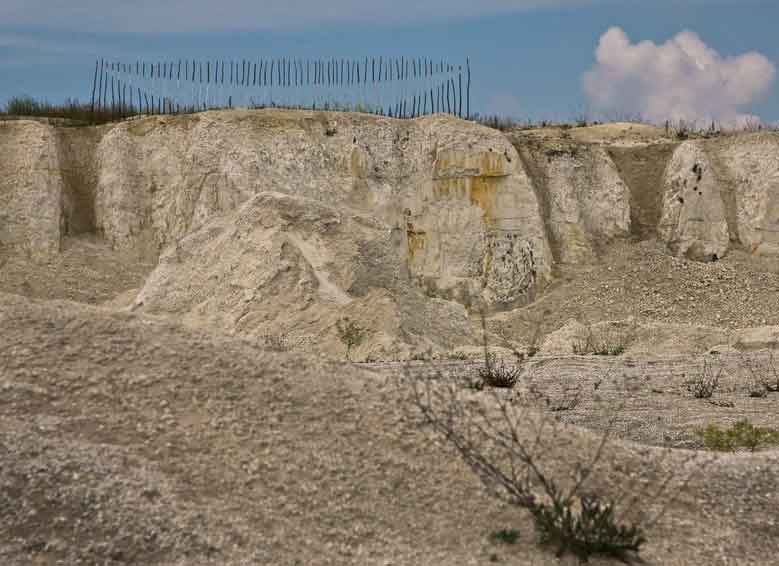
The uniqueness of the Mohrytsia landscape lies in its polyphony: it is difficult to single out a dominant spatial element. Depending on the artistic intention or curatorial perspective, a chalk quarry, a hillfort, hills, a forest, or a river may come to the fore. Each of these locations functions as a self-sufficient meaning-making component, offering its own visual and conceptual framework for artistic action.
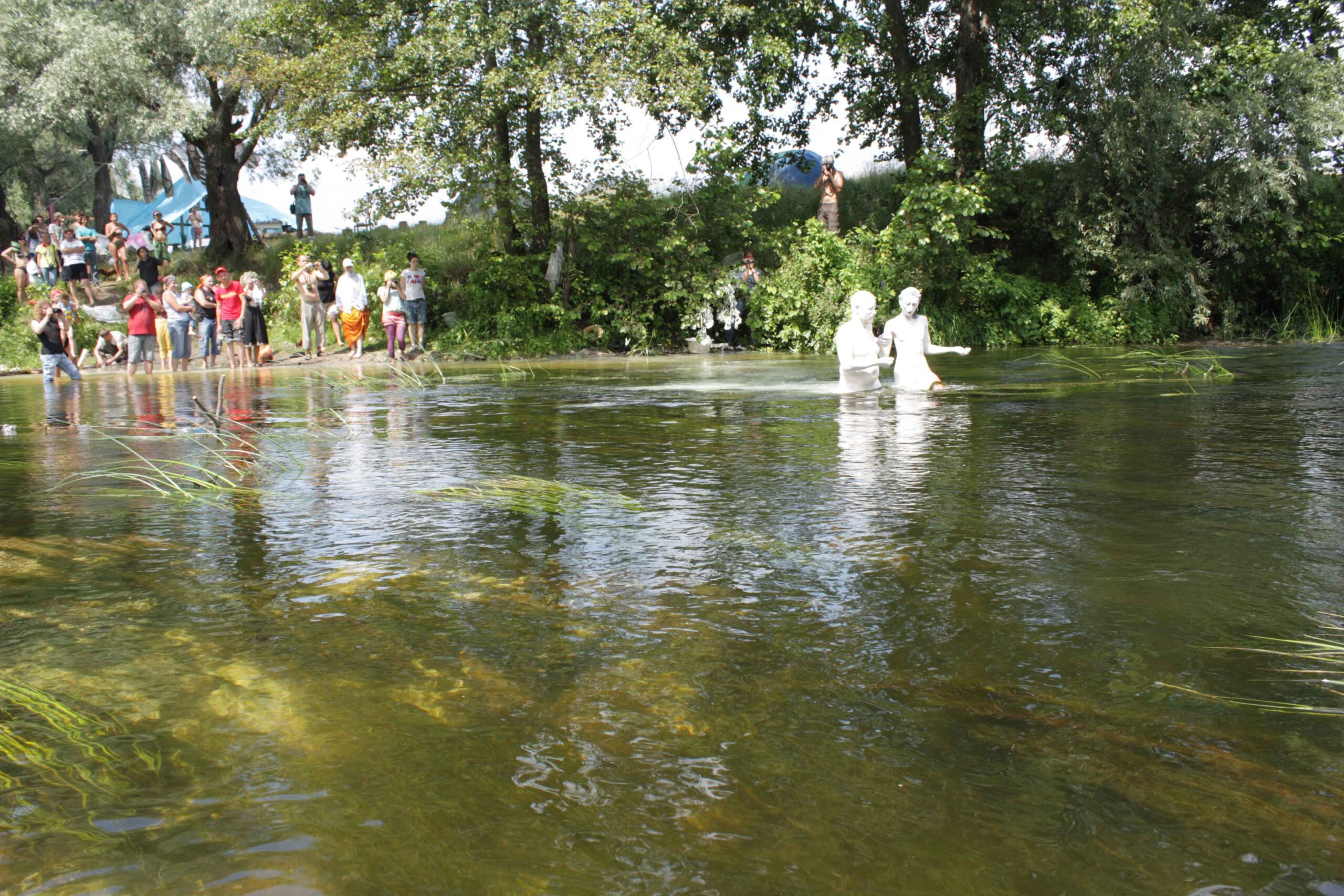
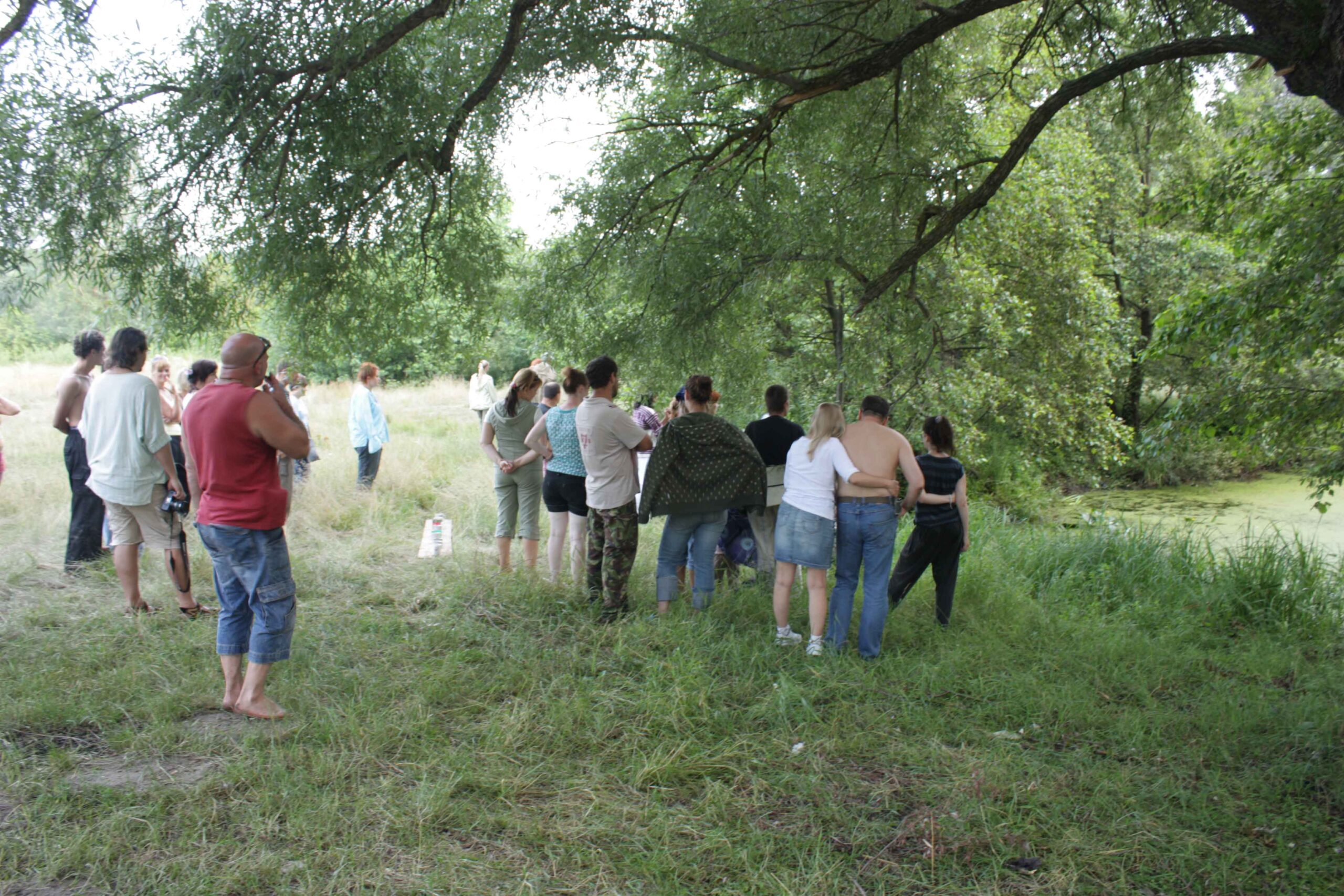
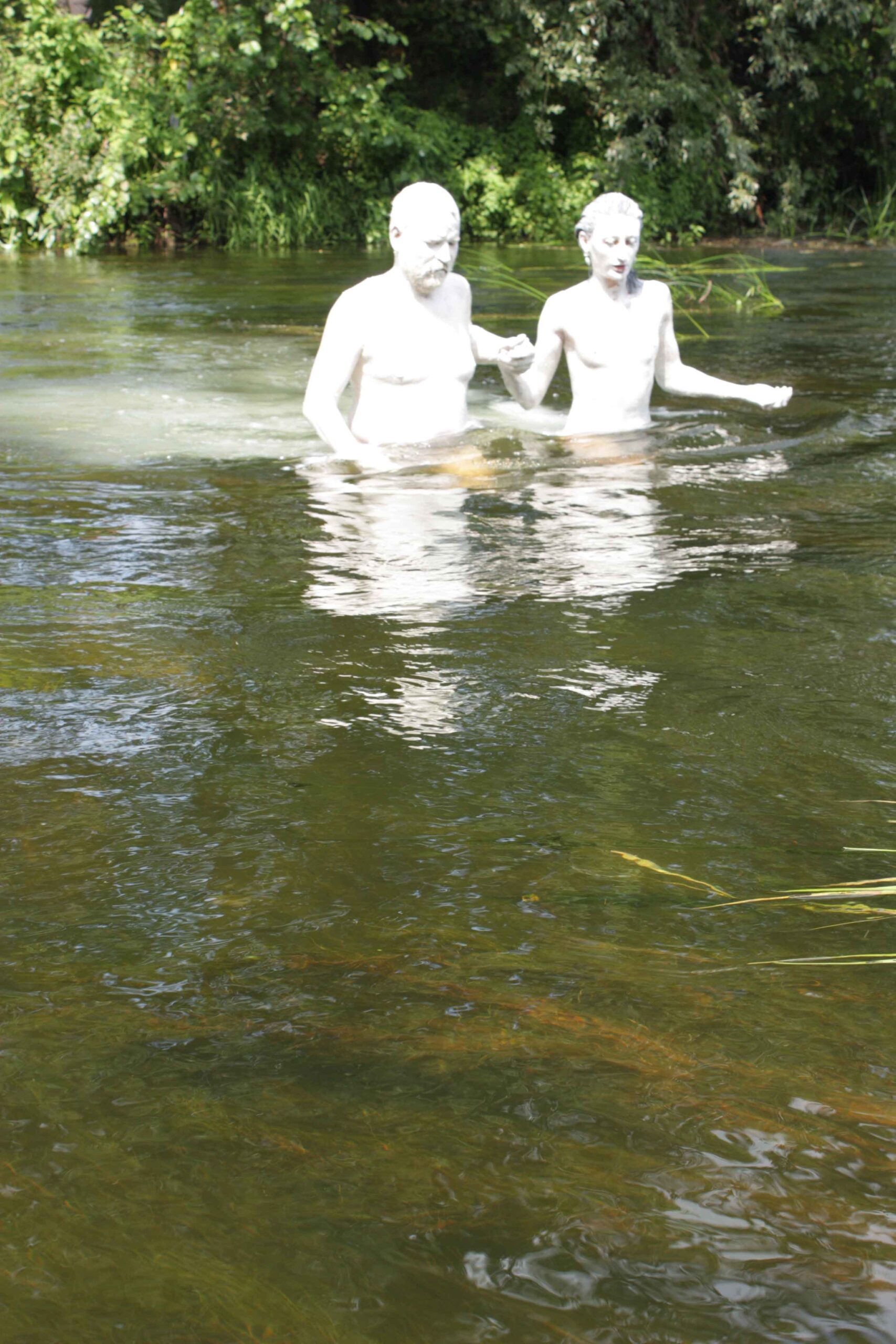
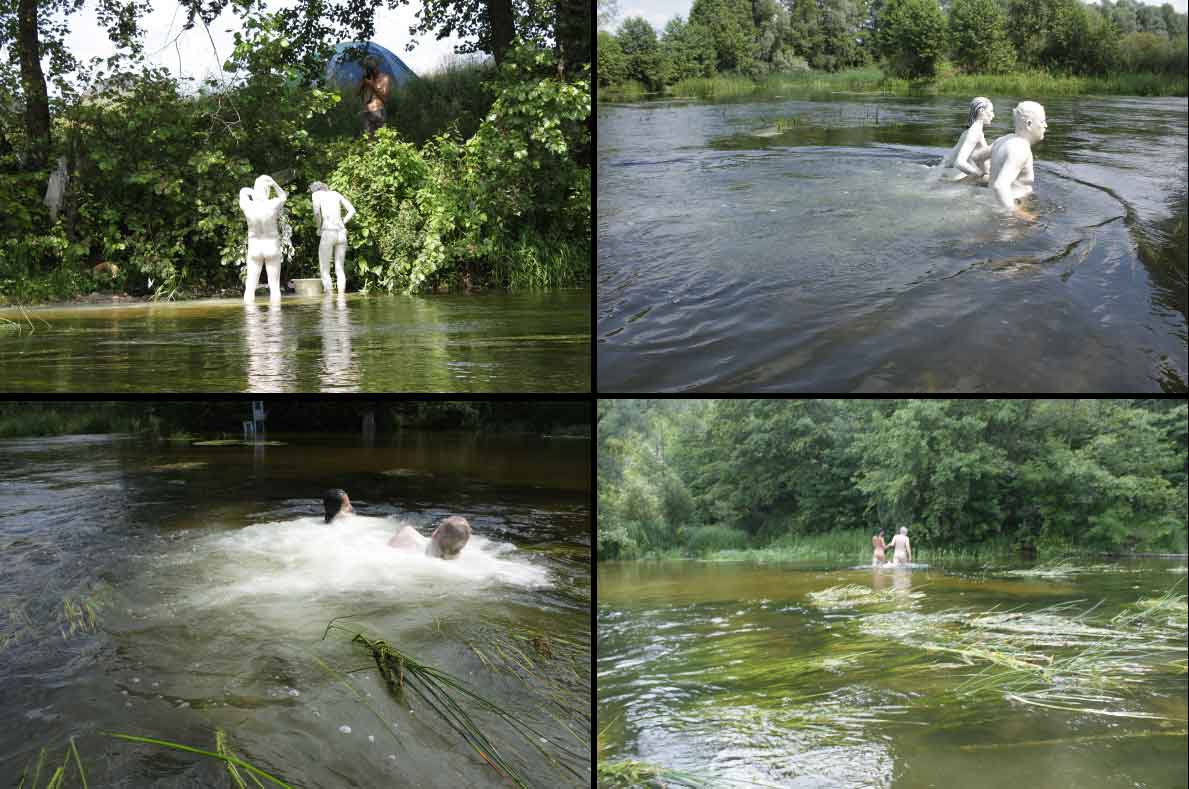
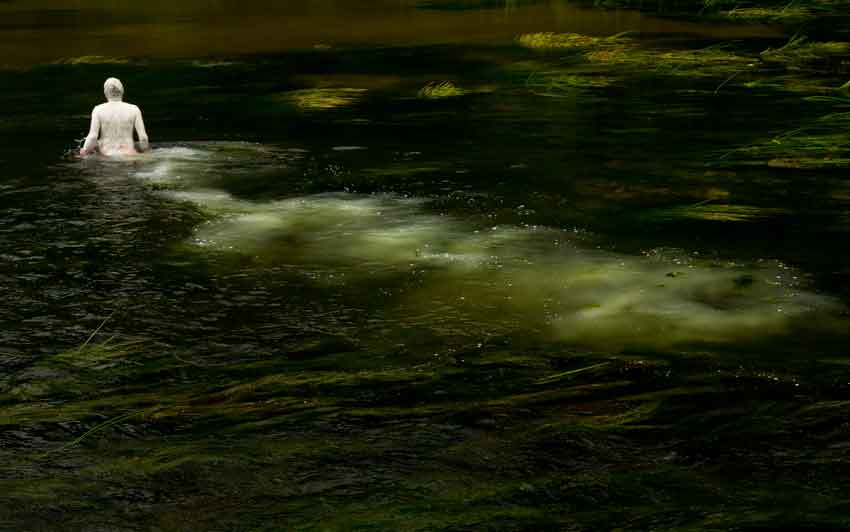
In the performance by Serhii Yakunin and Anastasiia Skorykova, the artists appeared on one bank of the Psel, their bodies smeared with chalk. They crossed the river at a leisurely pace, and upon reaching the opposite bank, now naked, they conveyed a state of transition and internal transformation. This gesture combined ritual and bodily engagement, emphasised a profound affinity with the river as a central element of the landscape, and expressed the experience of physical presence in the environment.
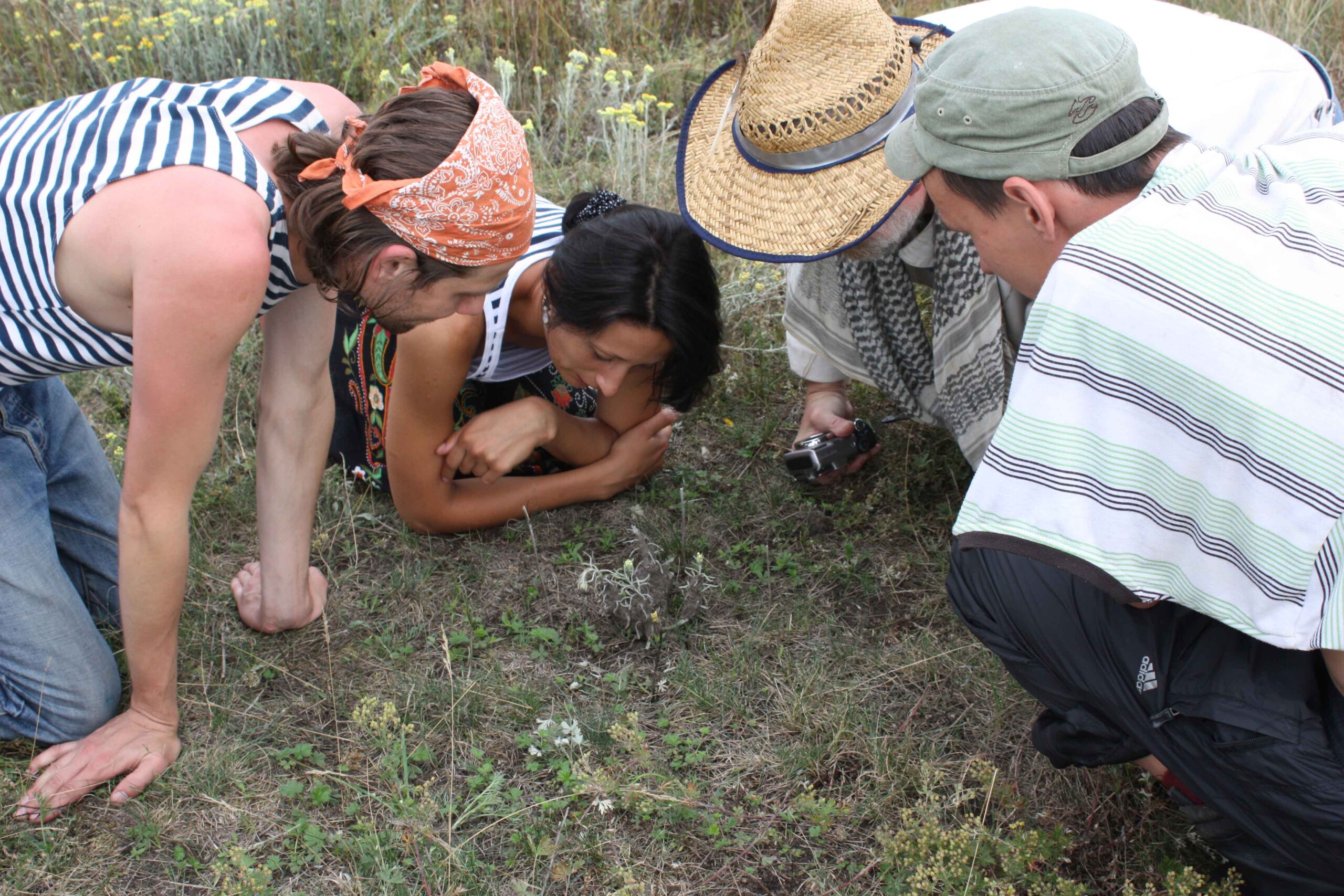
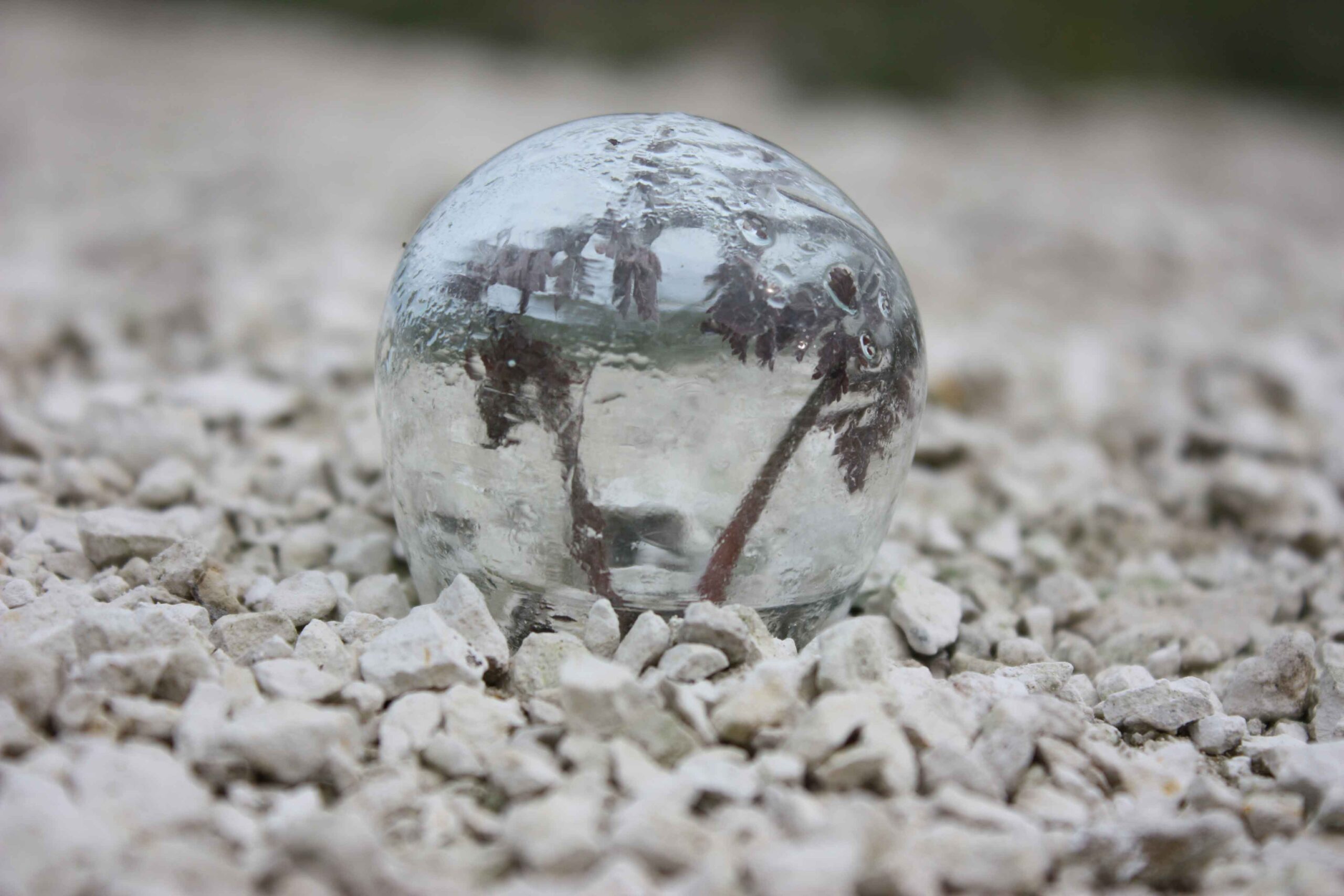
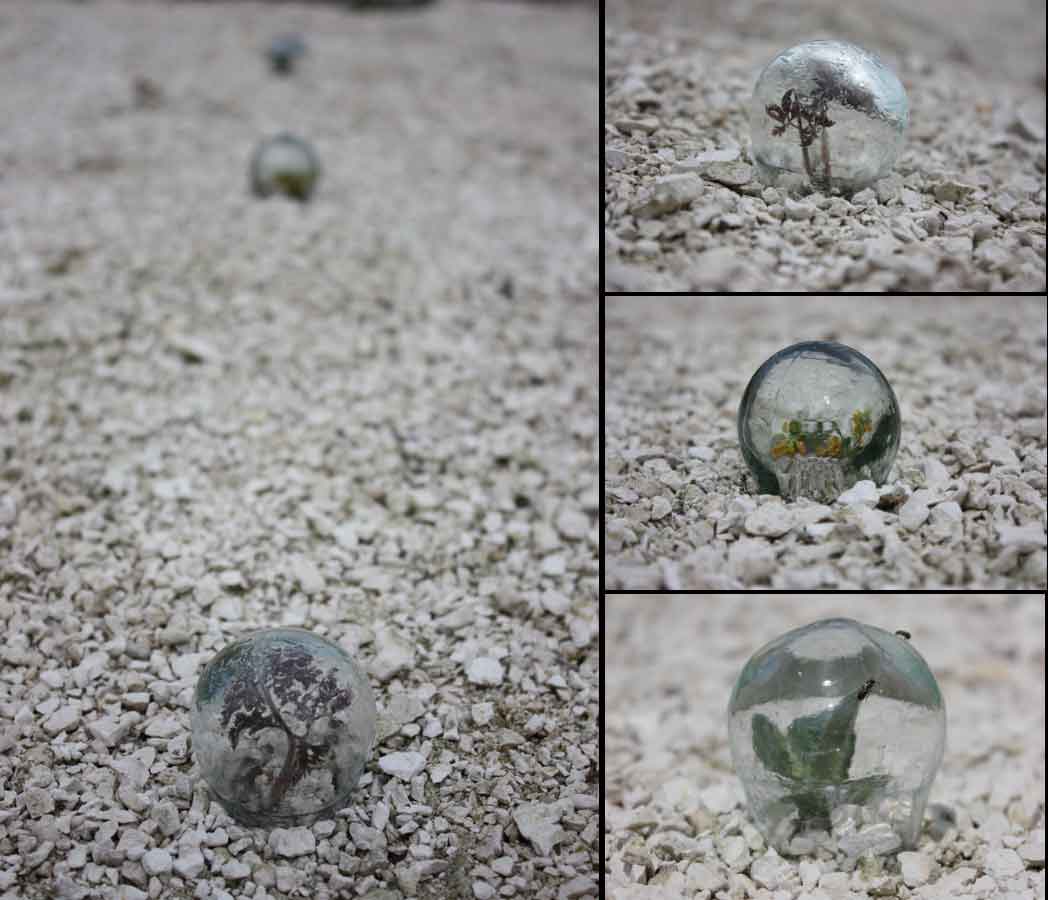
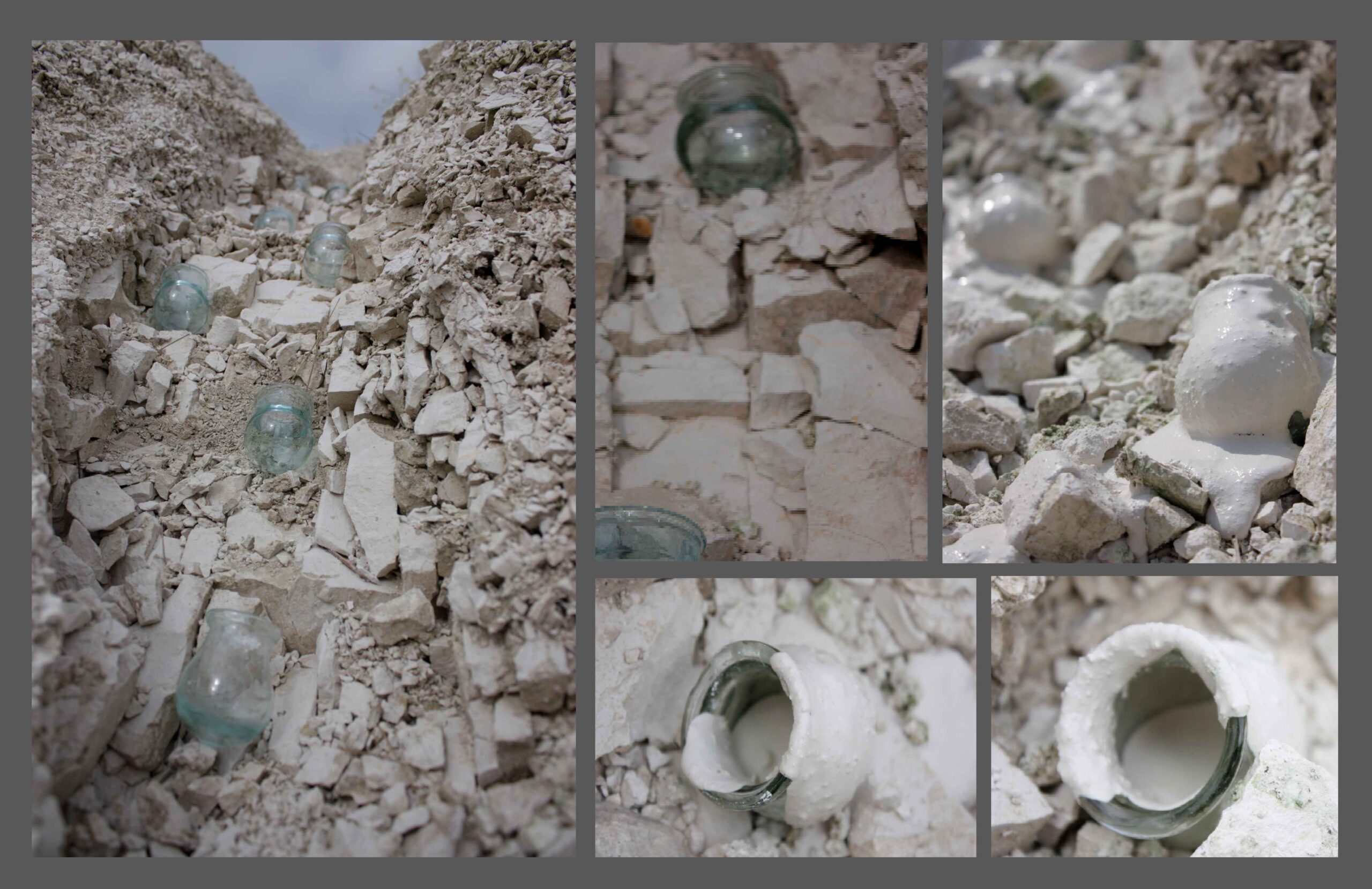
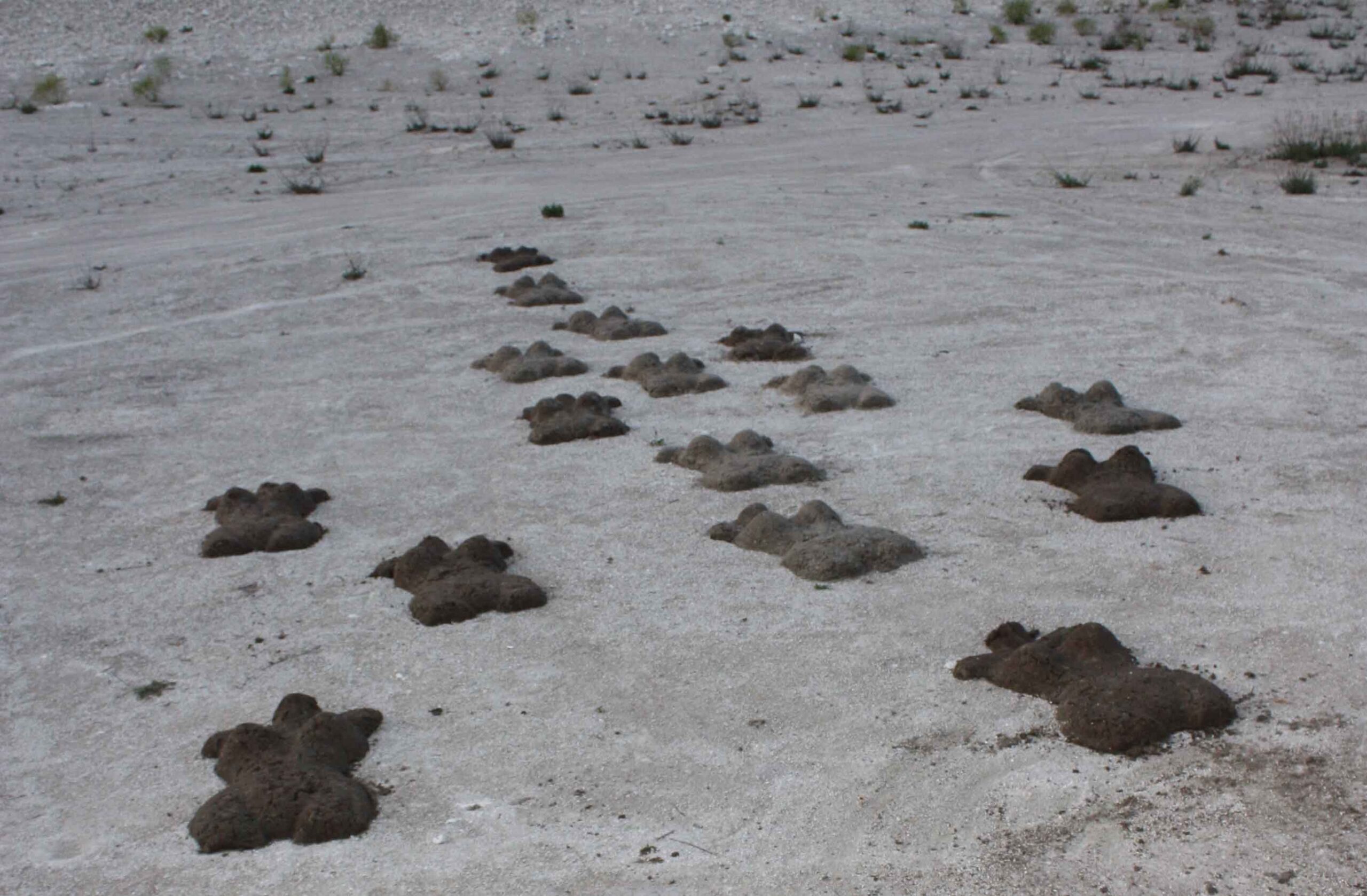
The integration of urban or domestic elements into the Mohrytsia landscape fitted organically into the symposiumєs overall fabric. Olena Volynska employed small glass jars, typically used for vacuum therapy, in her installation, covering individual plants in the quarry as if with miniature glass domes. Under the influence of sunlight and temperature fluctuations, microclimates formed inside the jars. Oleksandr Zhulynskyi brought a plastic market mannequin to Mohrytsia, using it as a matrix for a series of sculptural female torsos. He placed the “Venuses”, modelled in dark clay, against the contrasting white background of the quarry.
text continues below
PROJECT PRESENTATION
WORKS
VIDEO
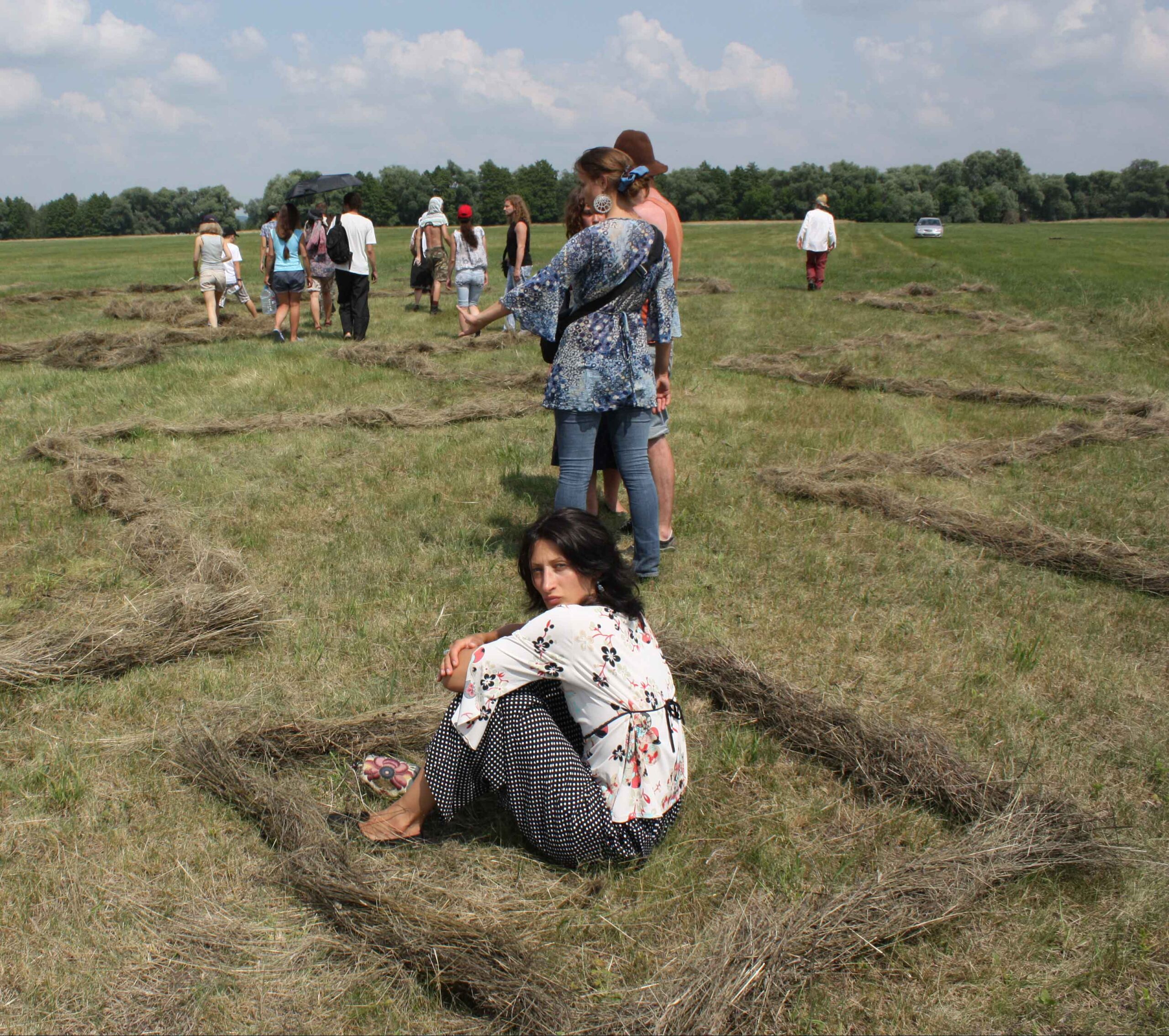
An important aspect of “Borderland Space” is synergy and networking. Artists from different generations, regions and artistic circles converge in Mohrytsia. These interactions serve as the basis for “intersections”—exchanges of experience, the formation of new creative connections, and the emergence of collaborative projects. In 2011, the Union of Creative Women was established (Nadiia Bilokur, Polina Korobeinyk, Denys Koshelenko, Oleksandra Sadovska, Oksana Sokol, Maryna Fenota), creating a performative project inspired by Irena Karpa’s poems. Through the dramaturgy of gesture, voice and bodily presence, the artists articulated the inner monologue of a woman navigating the path toward accepting another person.