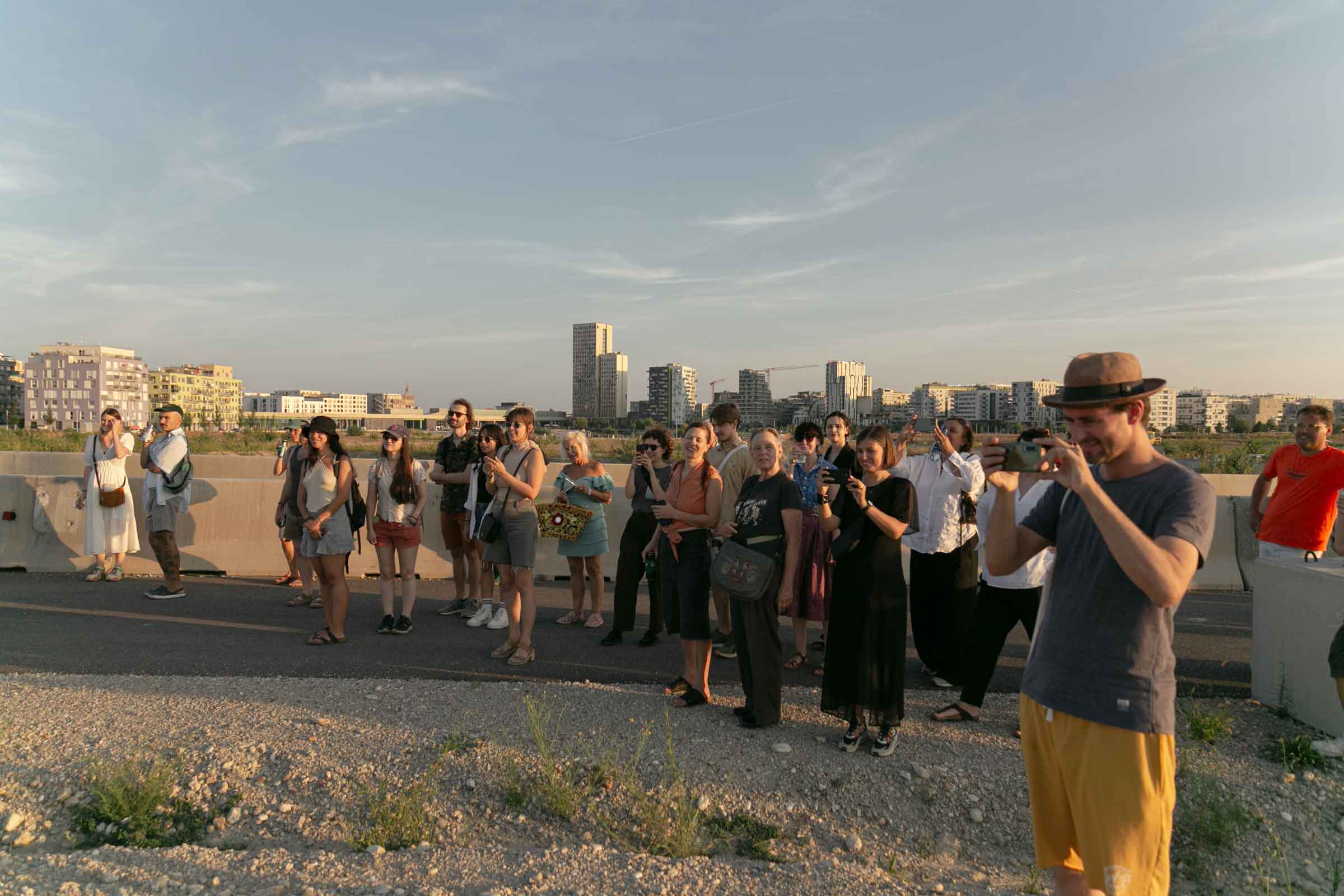
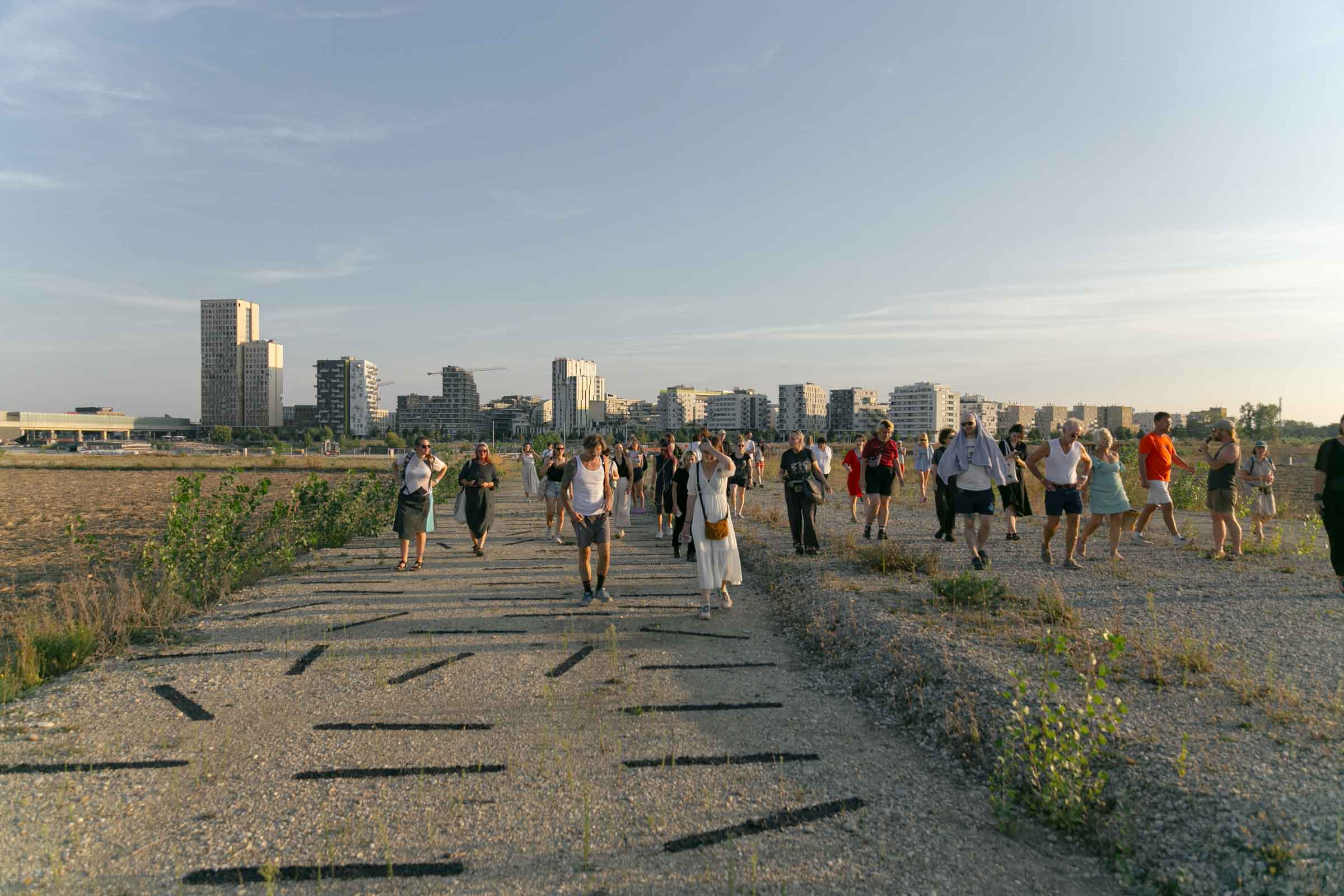
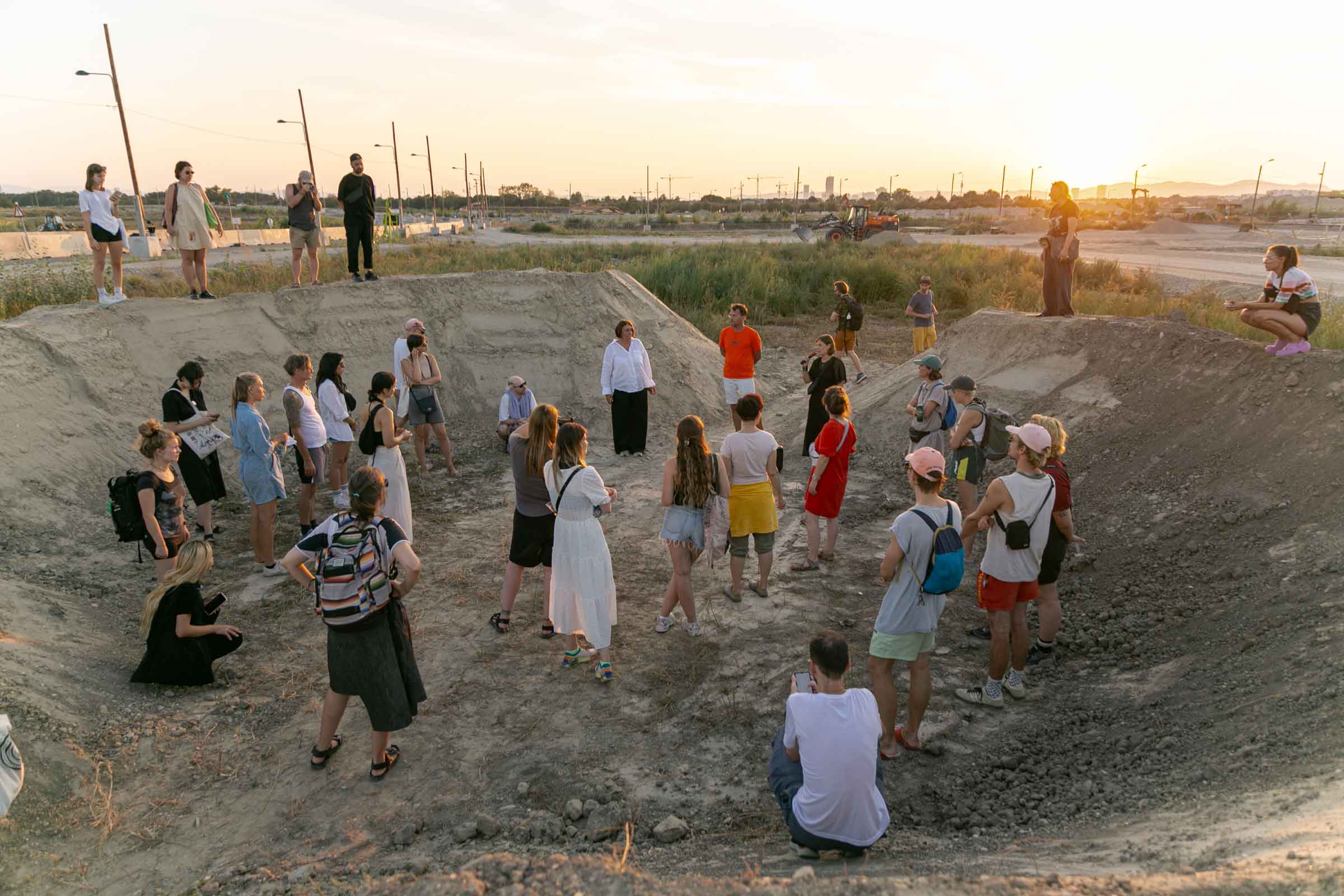
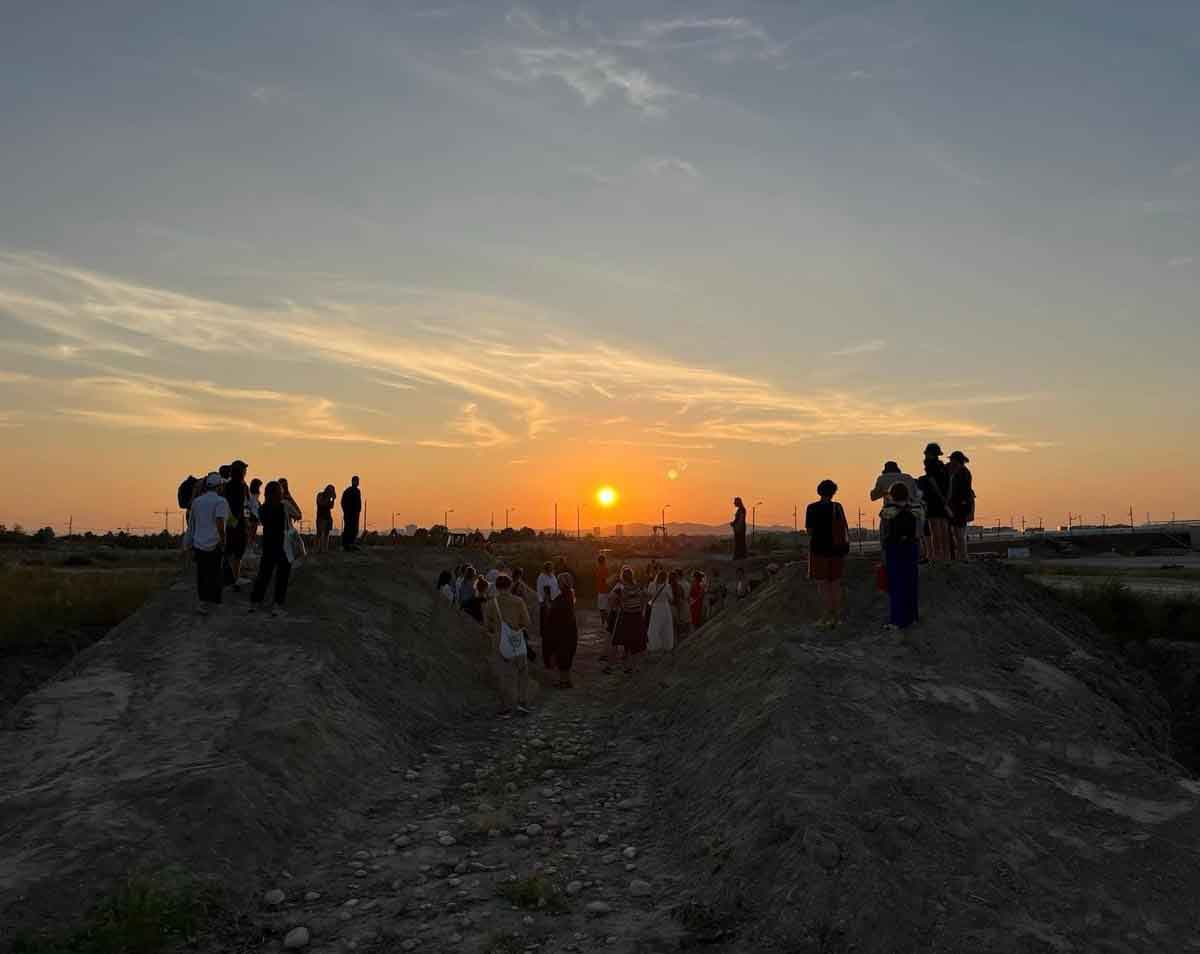
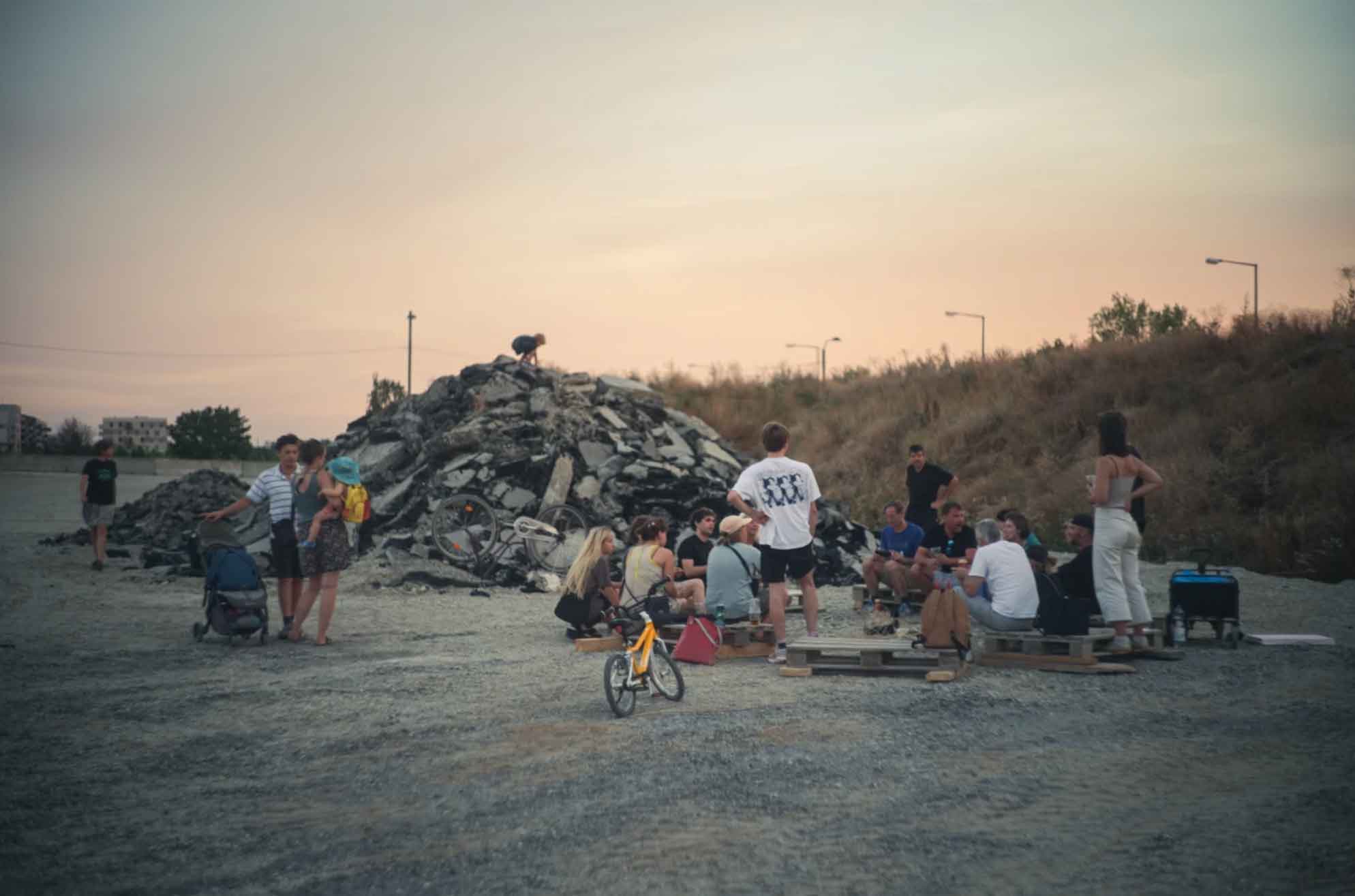
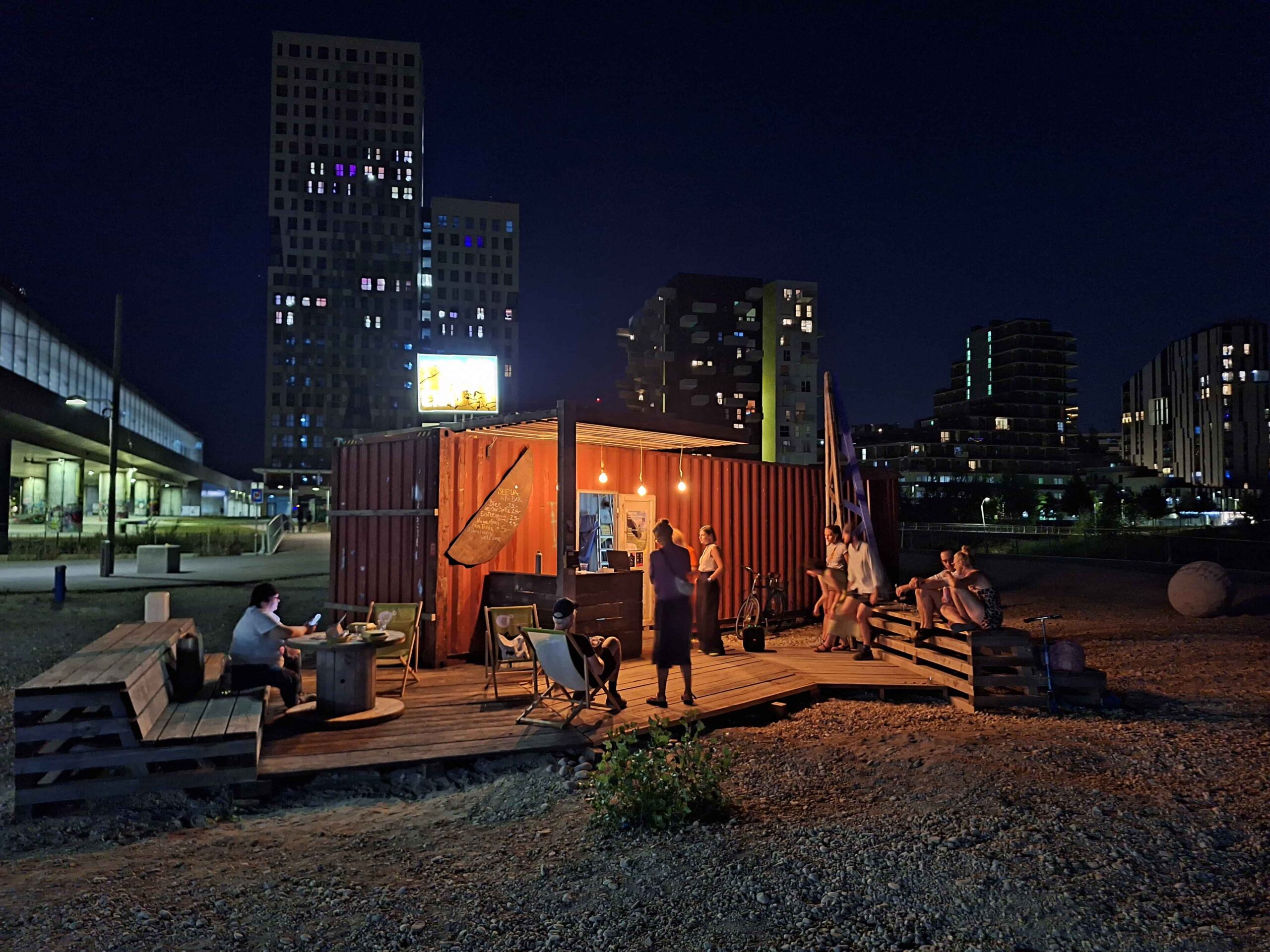
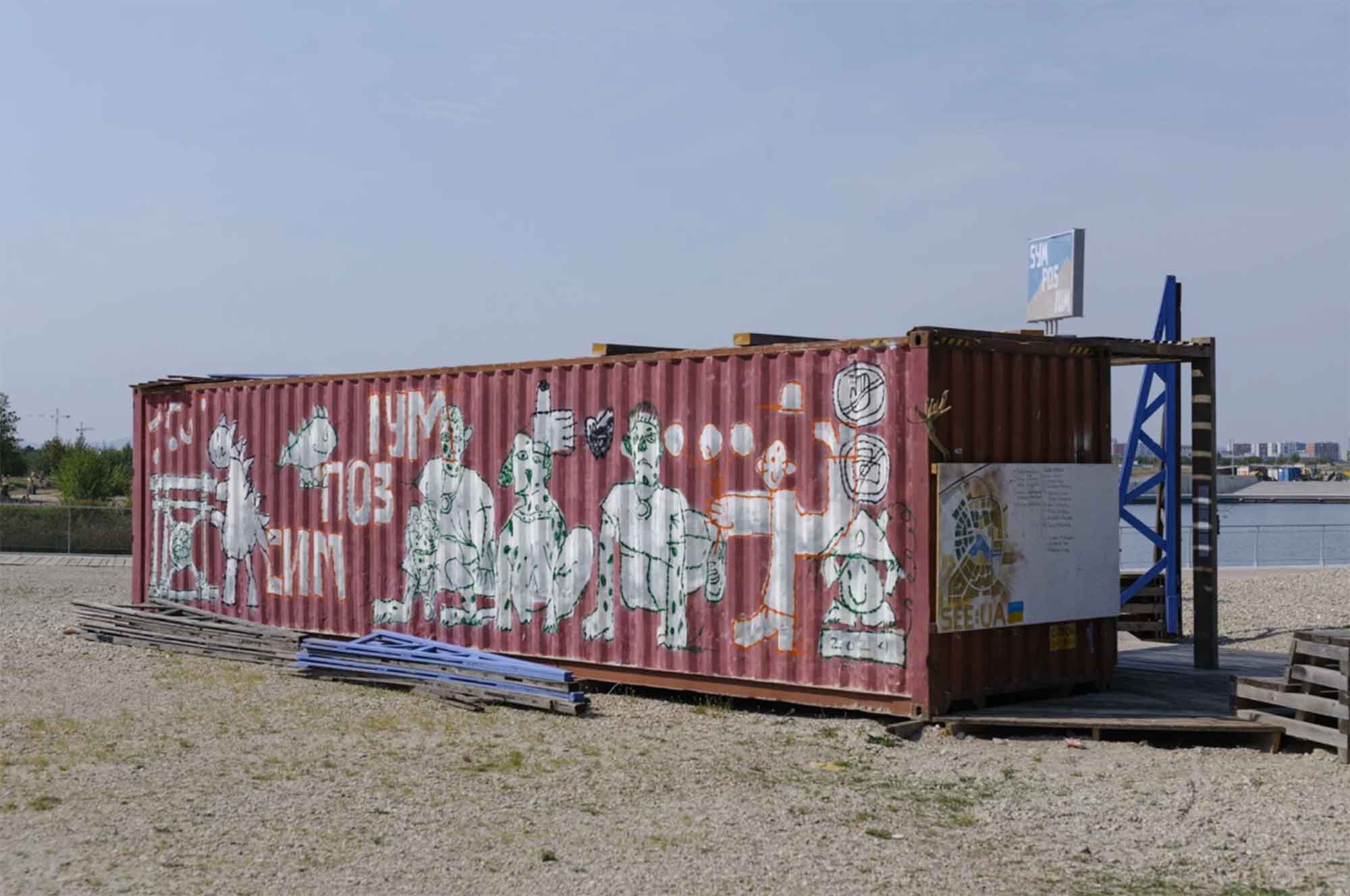
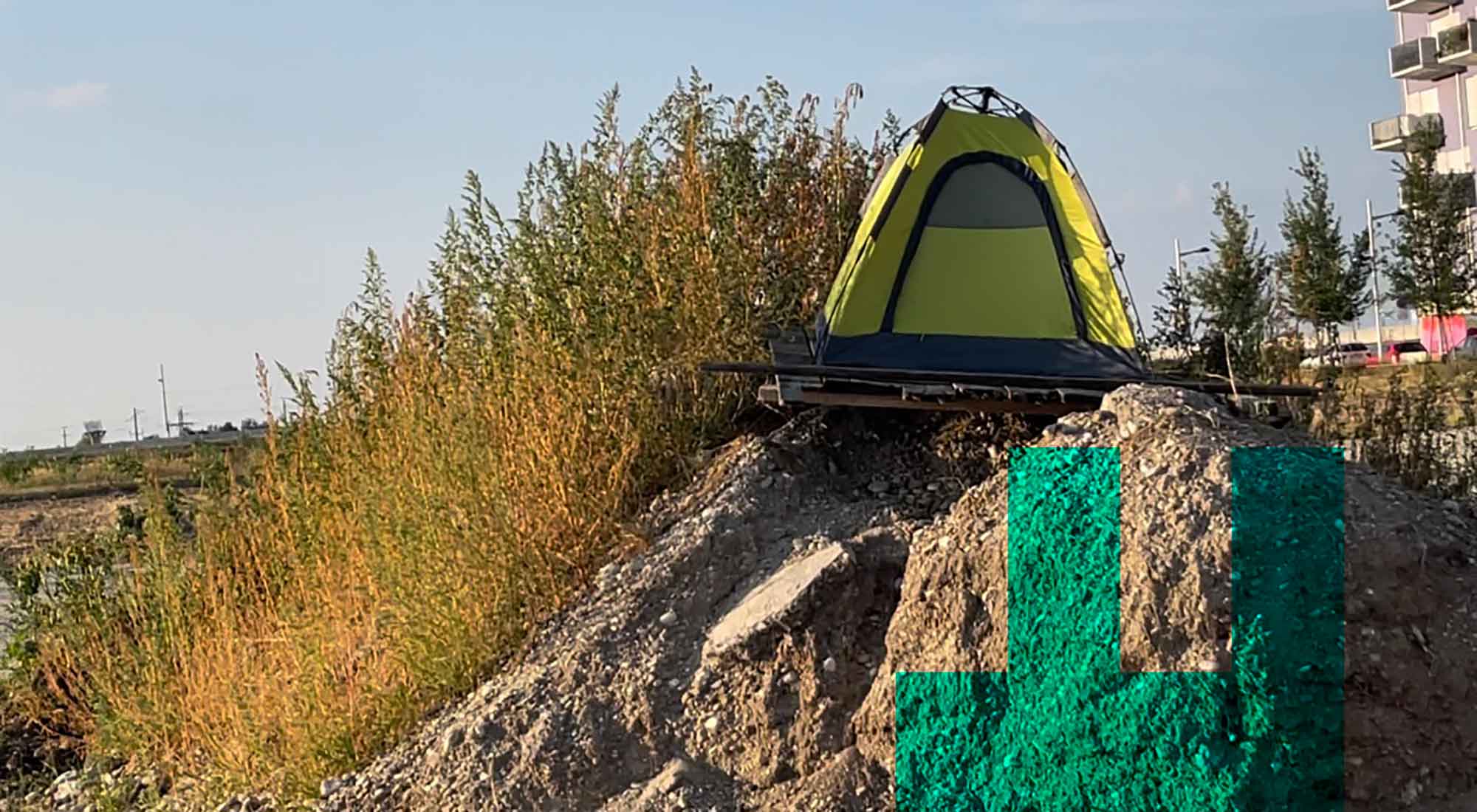
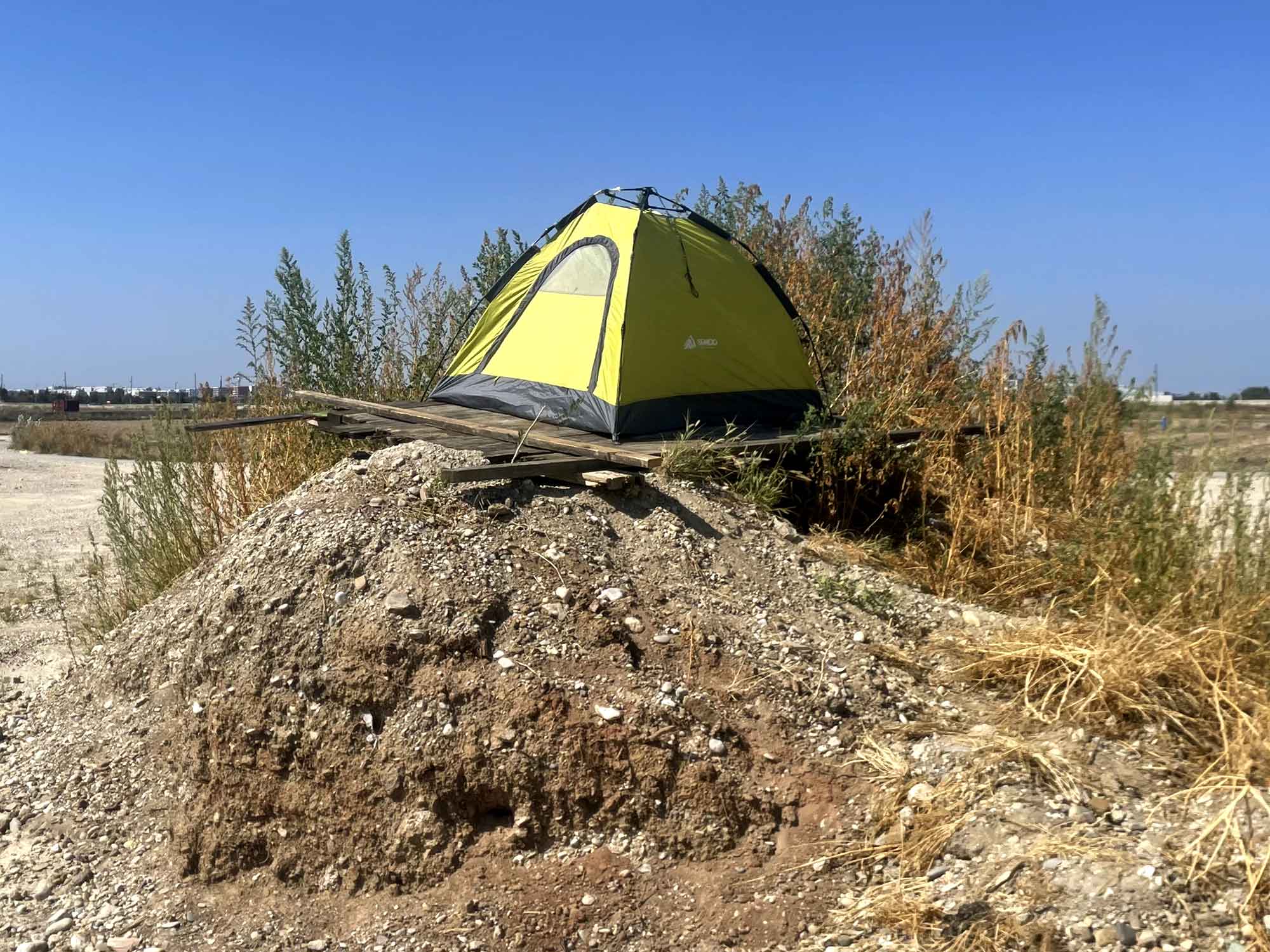
The works of the participating artists unfolded within this dialogue — in its convergences and contradictions, similarities and contrasts.
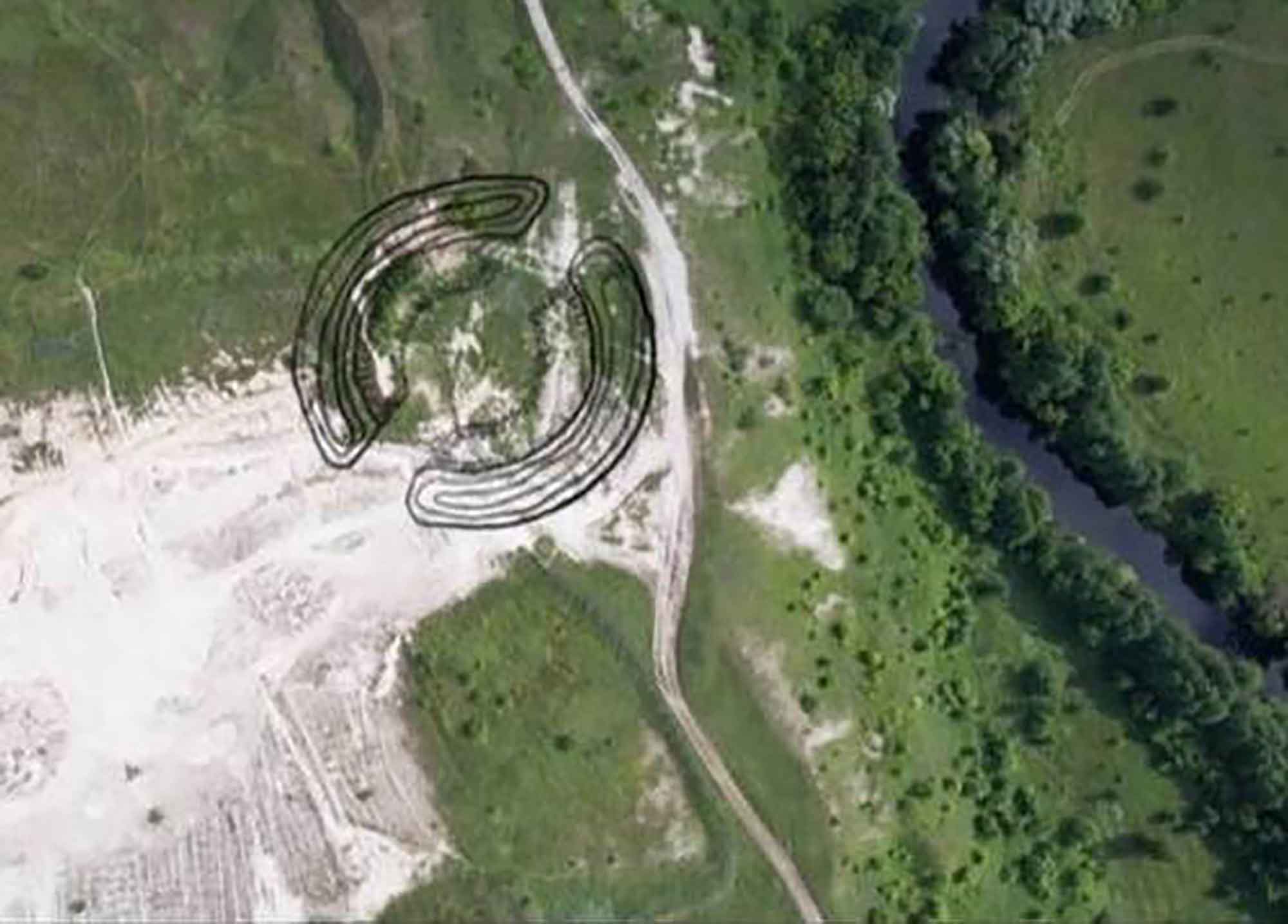
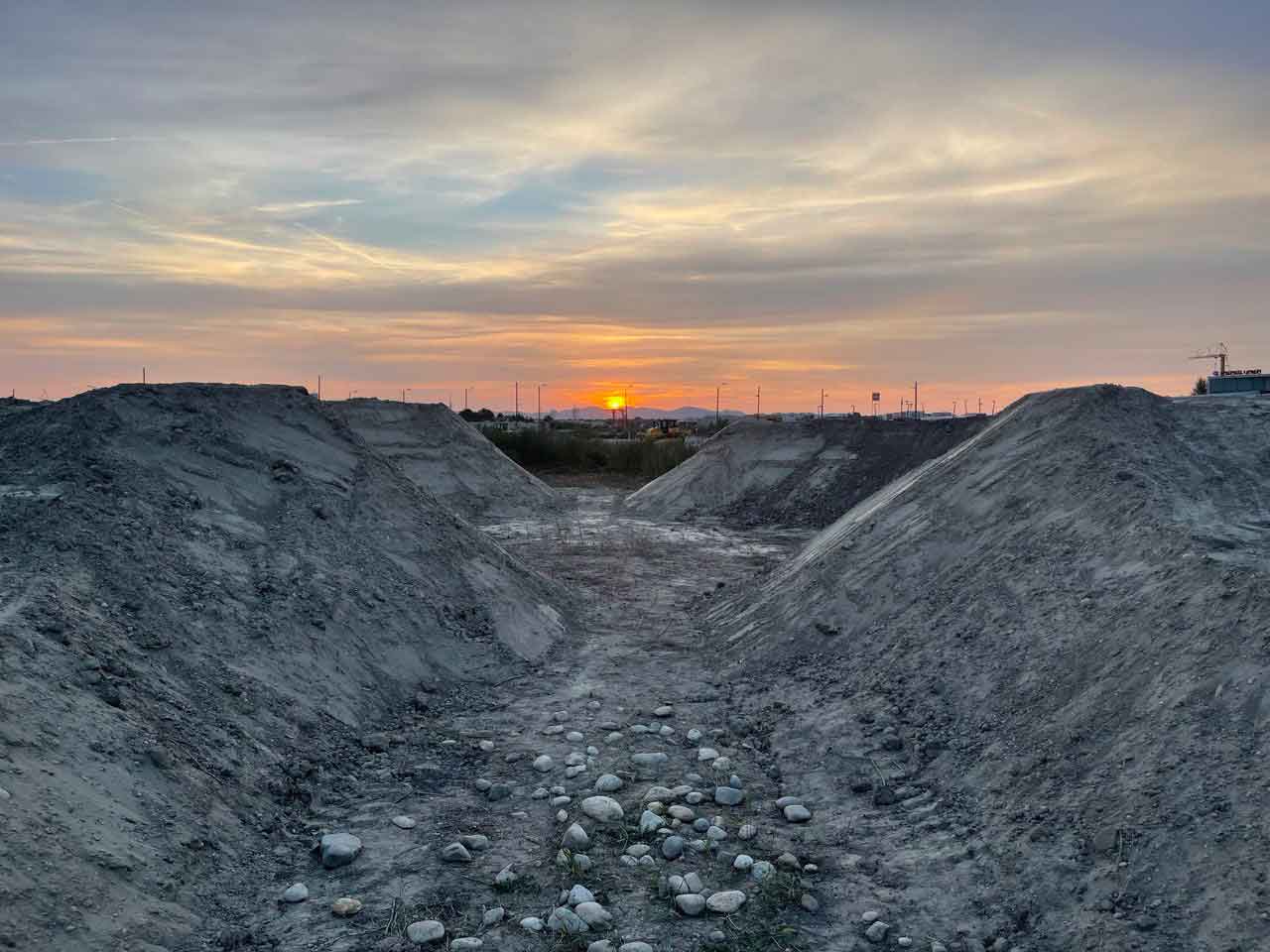
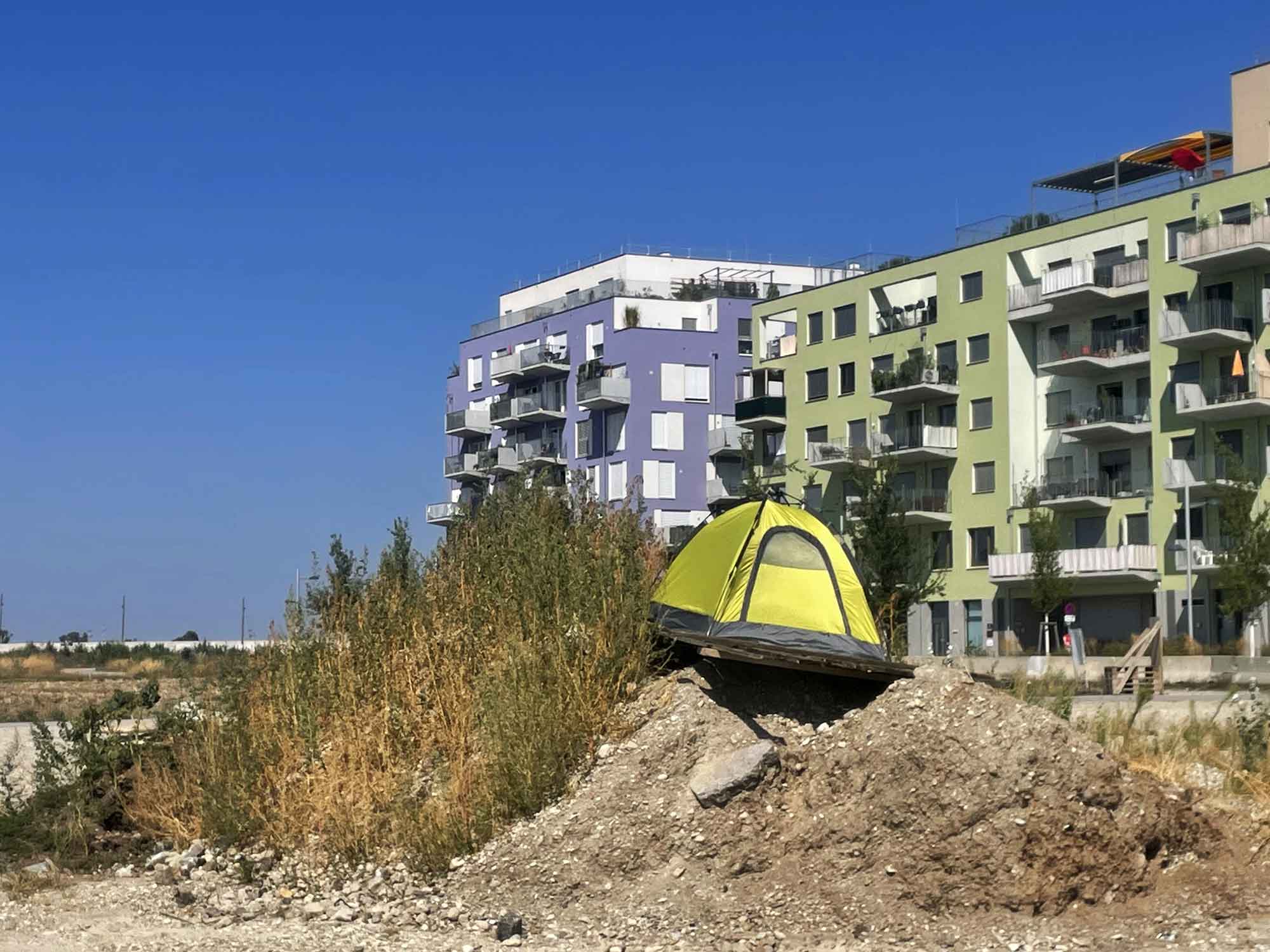
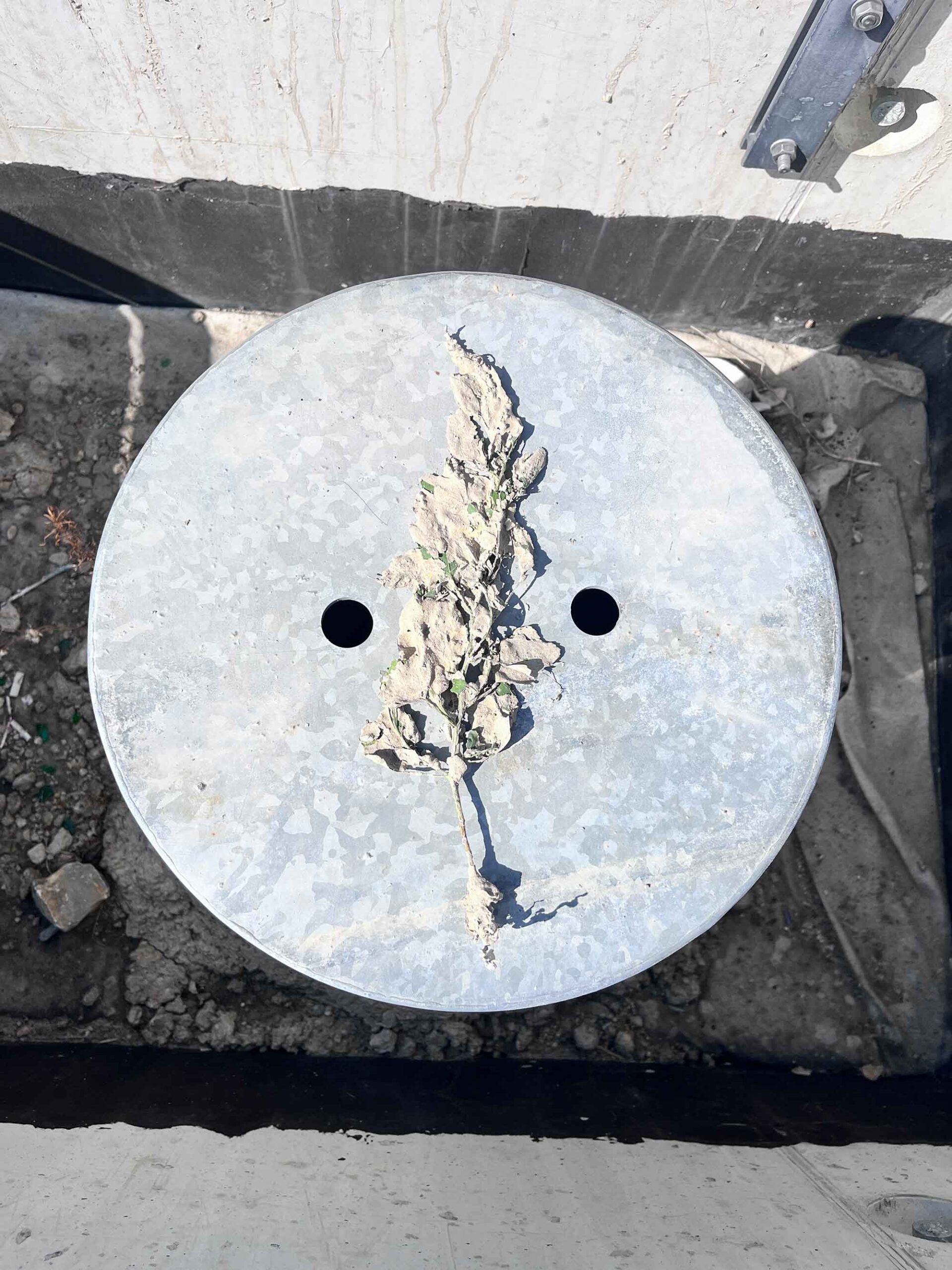
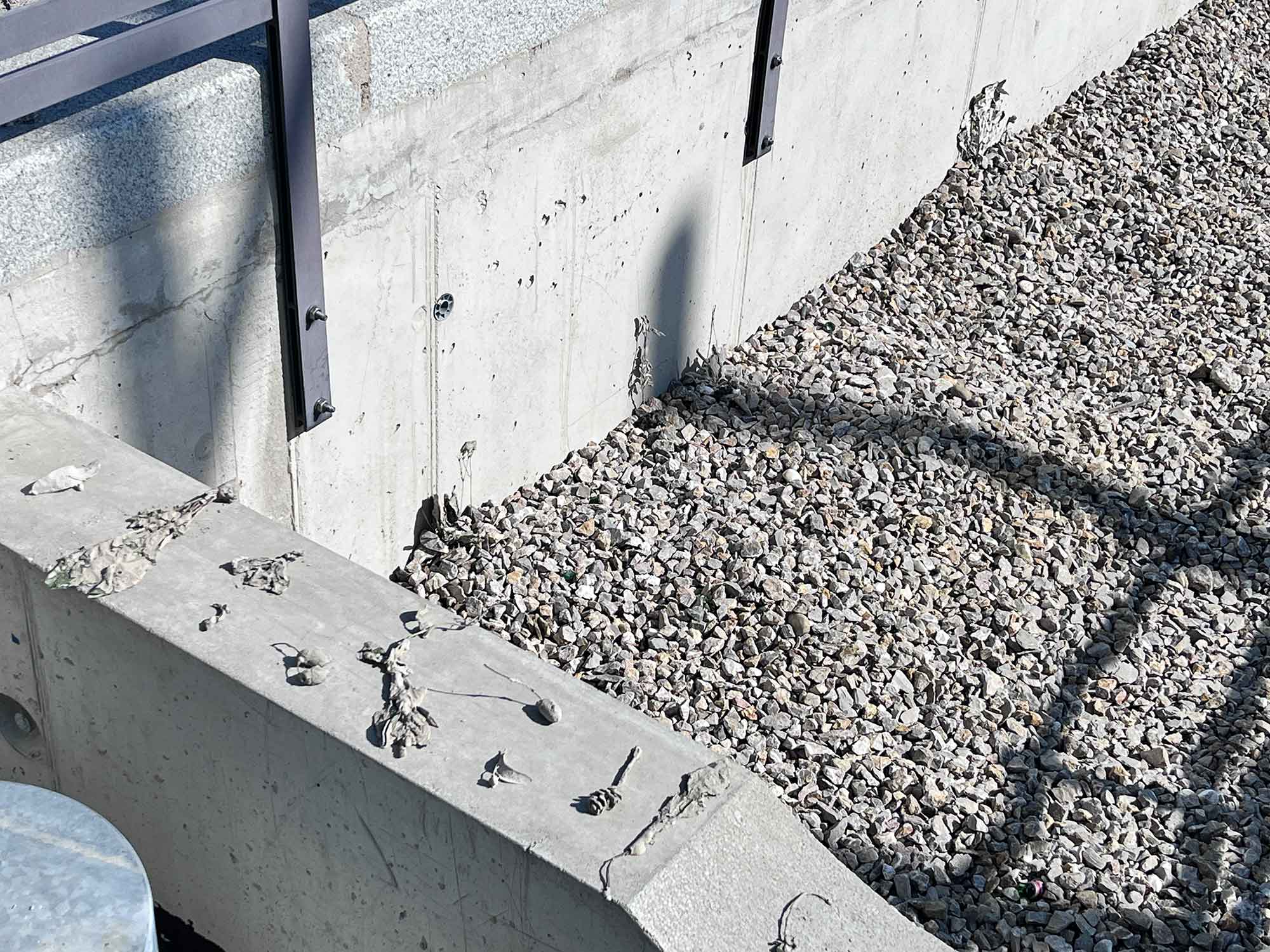
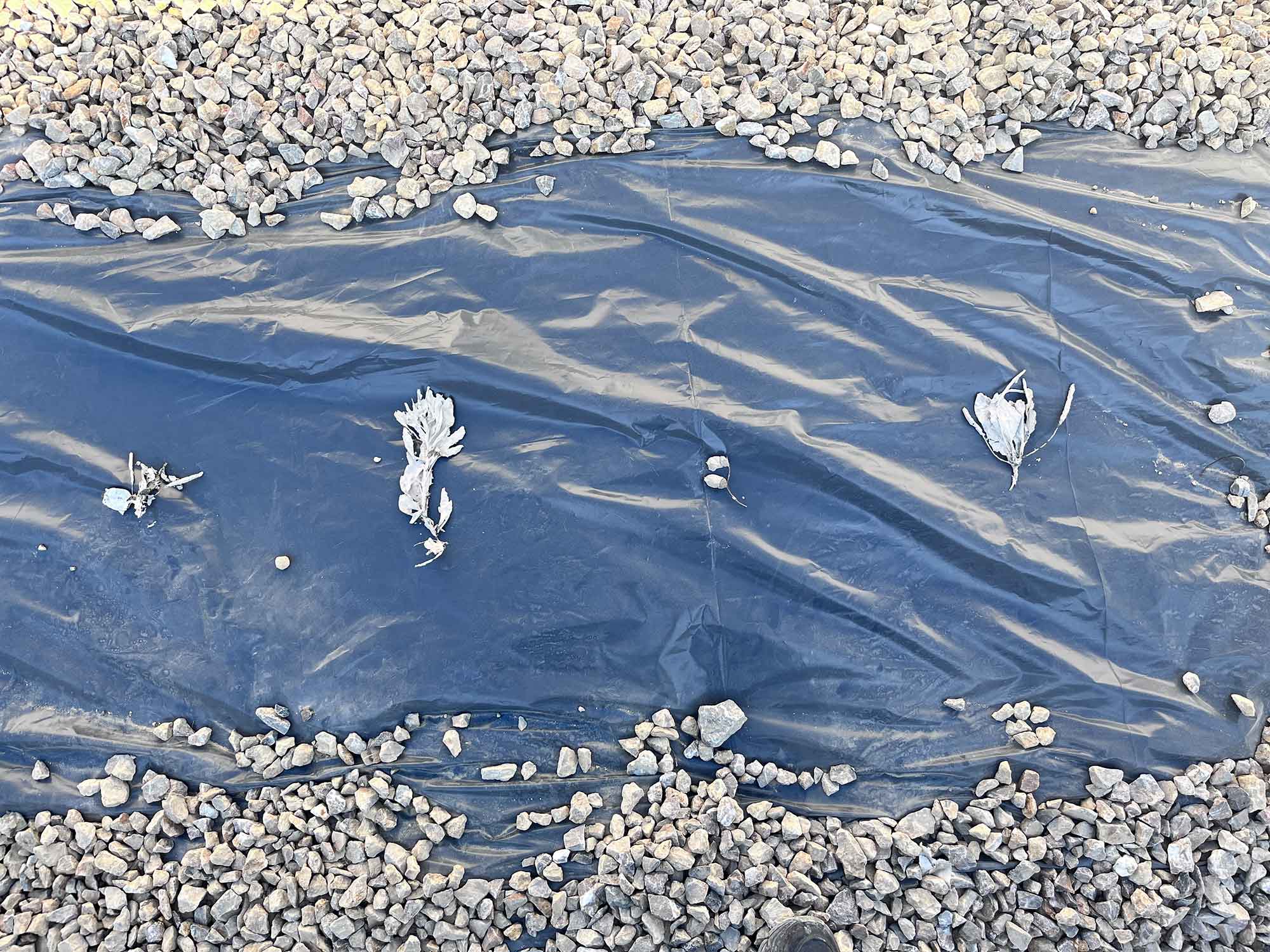
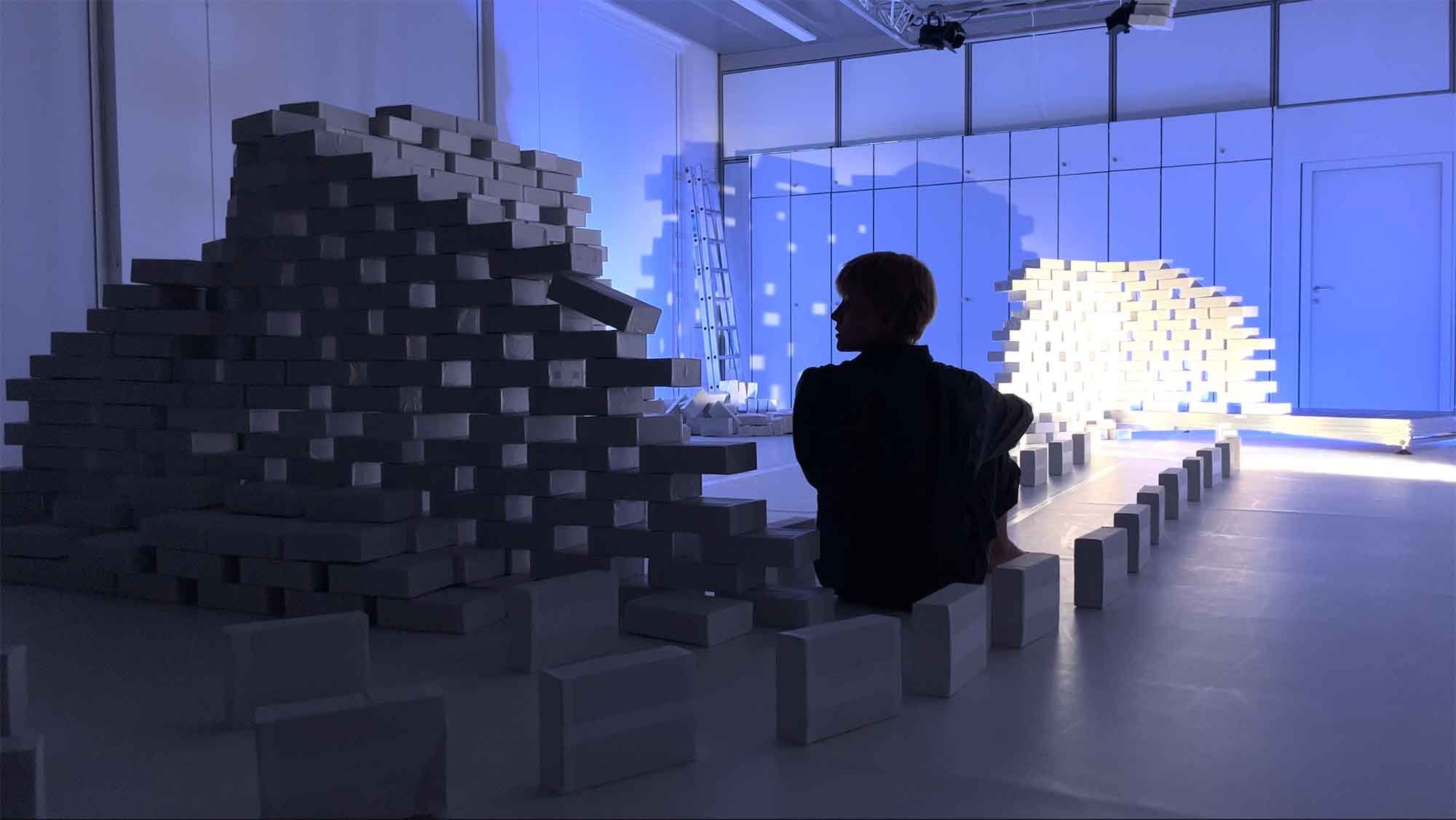
Honorary participant of SEE:UA and founder of Space of Borderland, Anna Gidora, created the work United Defence — protective earthworks that simultaneously served as a warning and a message about the need for collective efforts in defending cultural heritage and fighting for a free shared future.
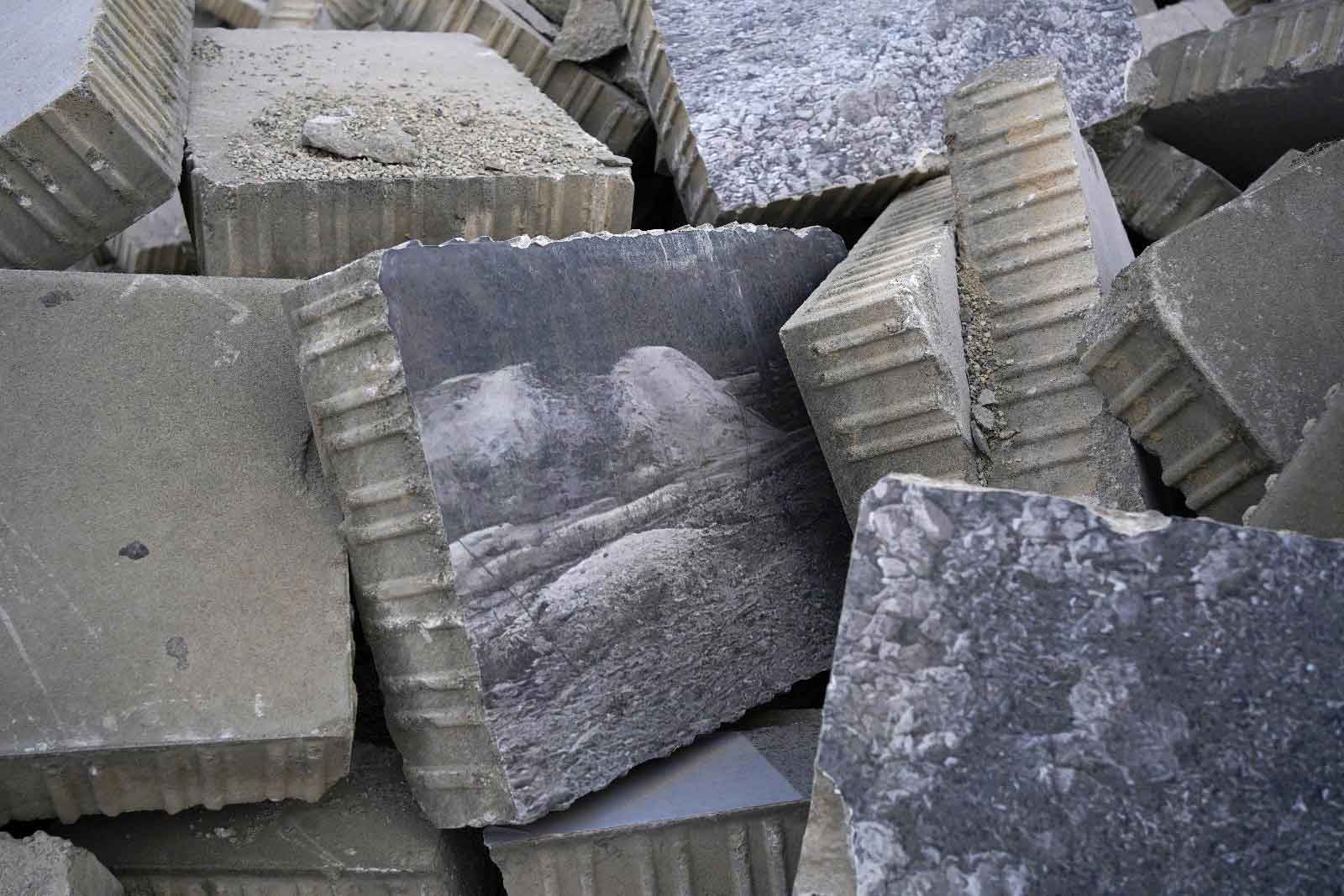
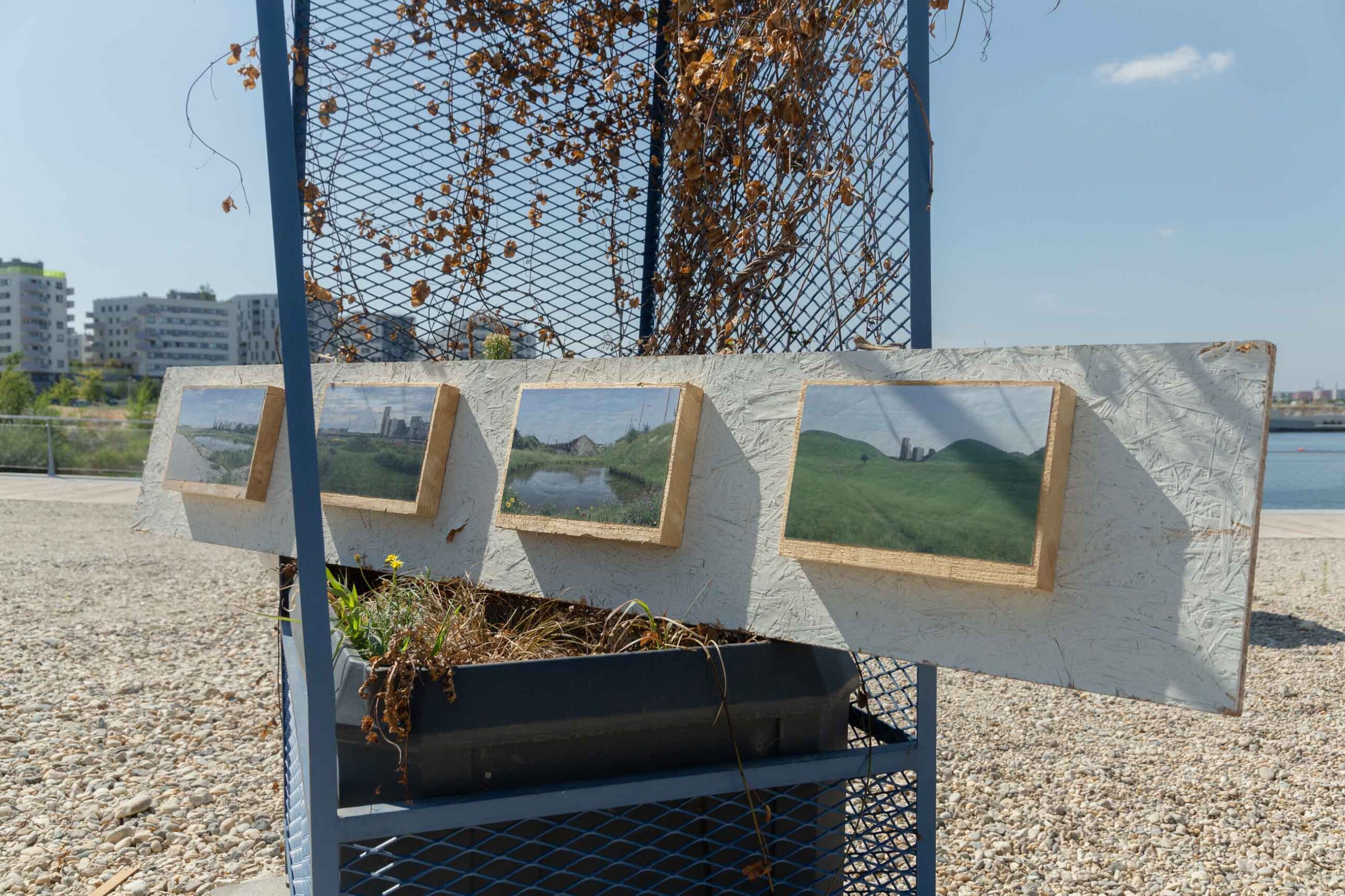
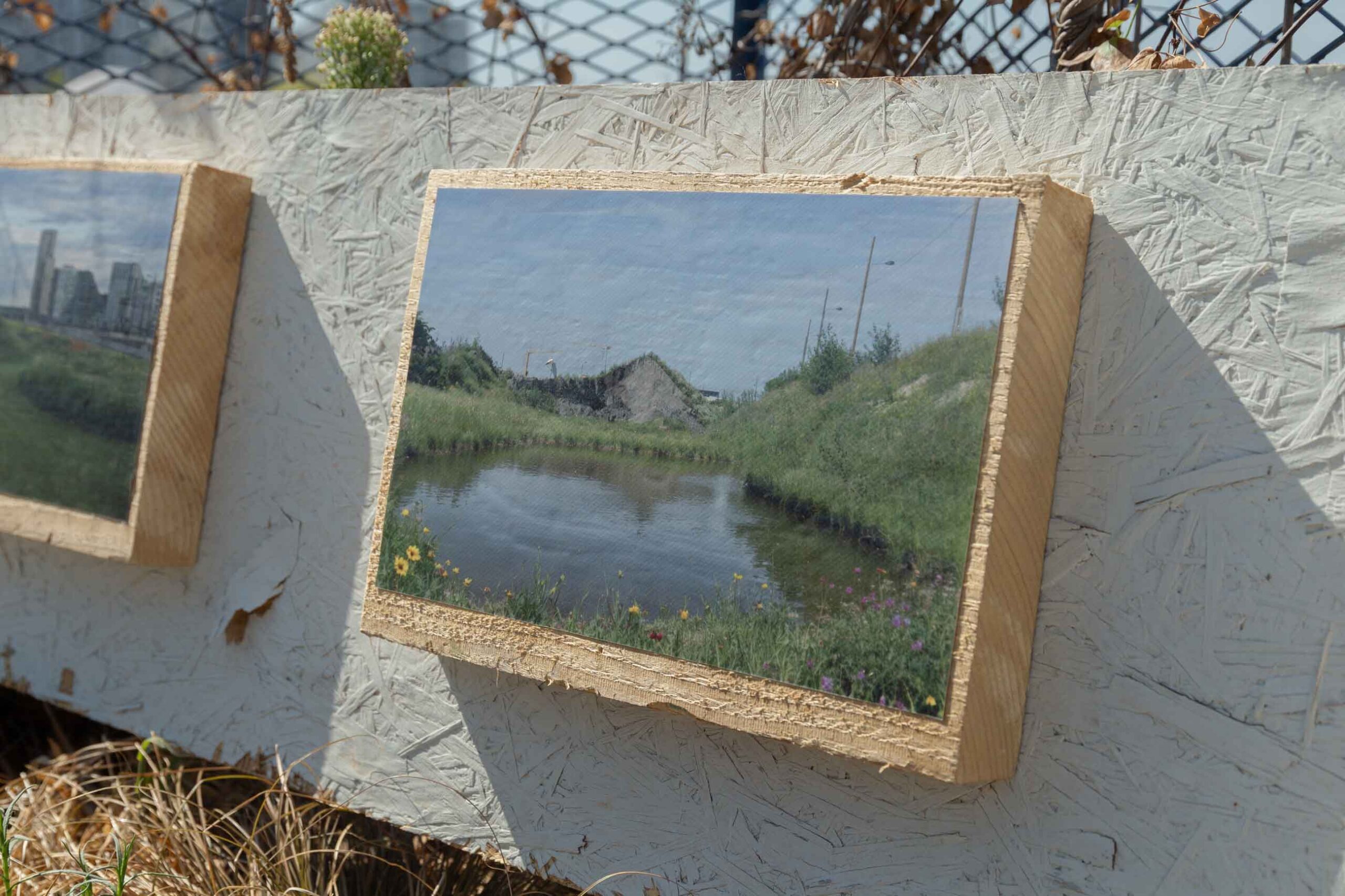
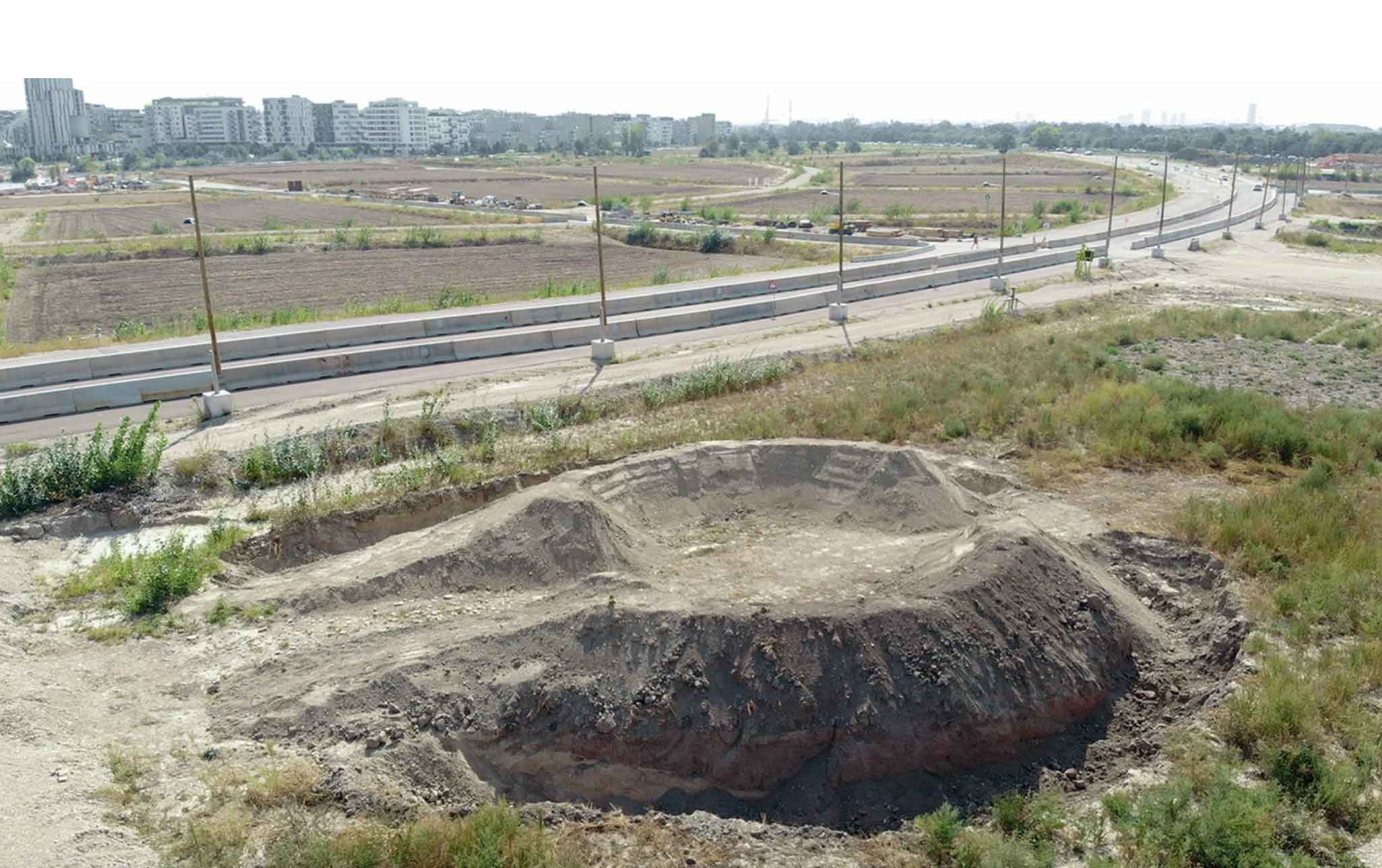
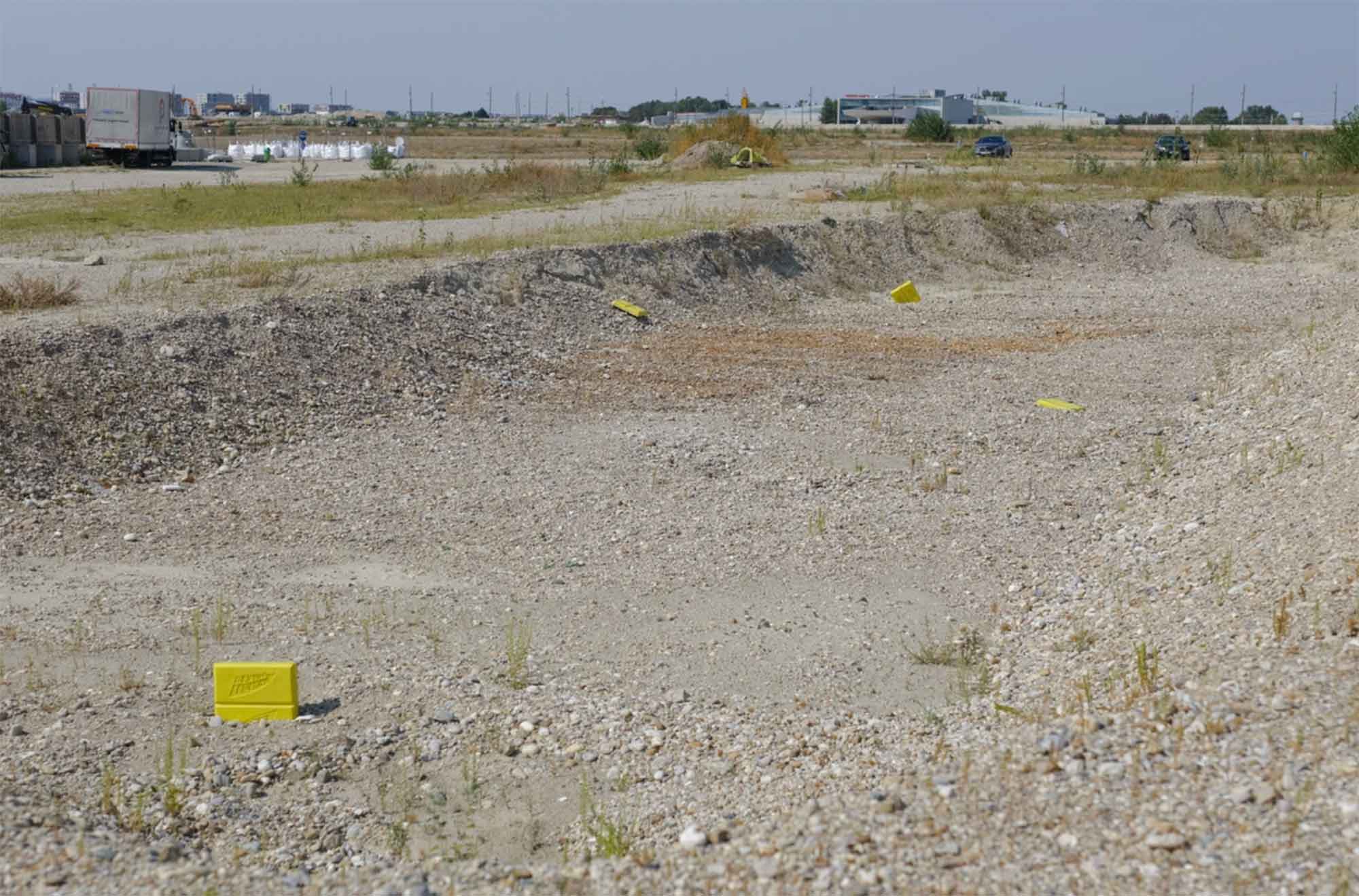
In Bring Me a Metaphor, Katya Buchatska “transferred” a shell crater from Mohrytsia into the landscape of Seestadt, asking the question: “Is it possible to communicate the experience of war?” — while once again realizing the impossibility of this task. Yet even metaphor possesses its own power, however limited.
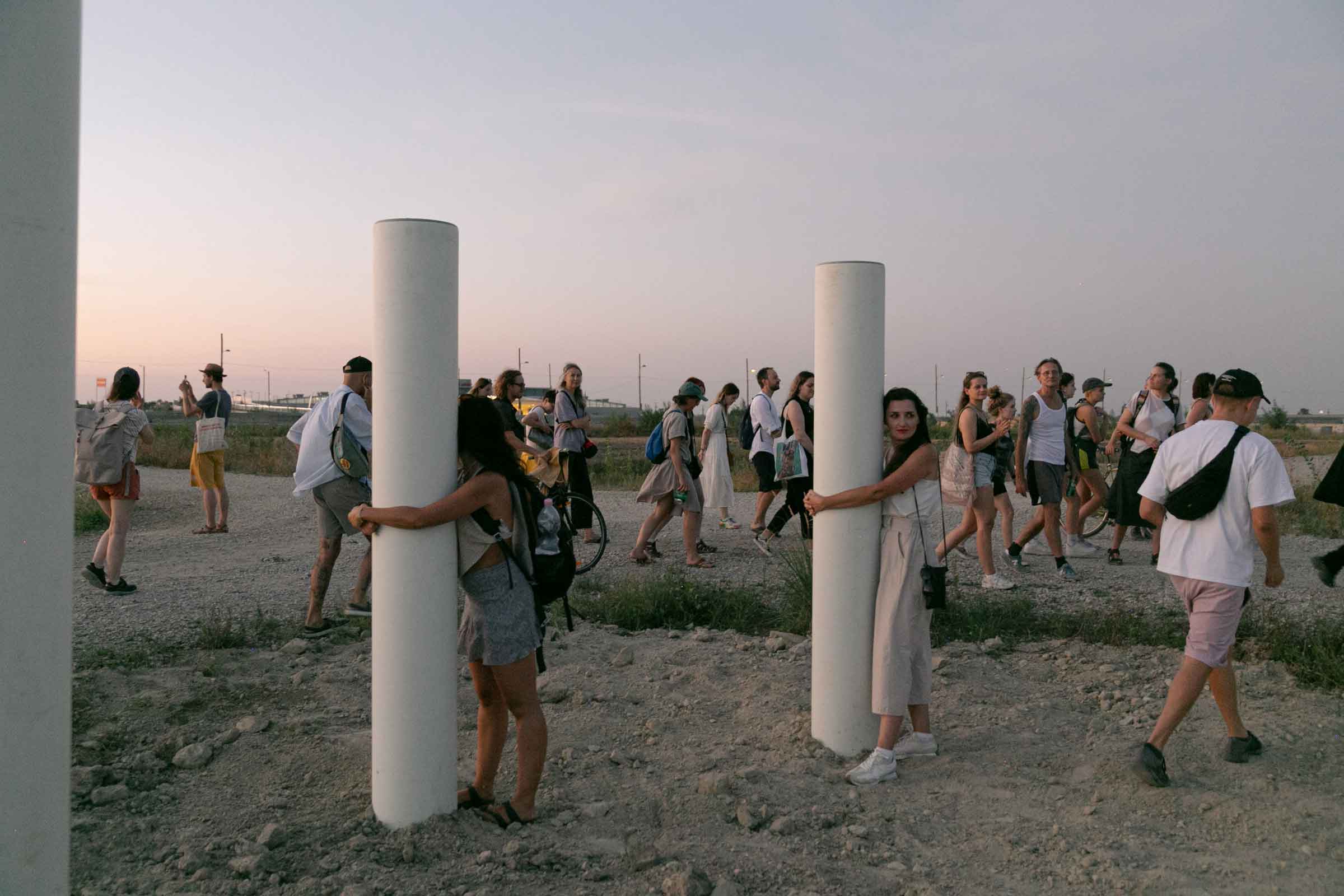
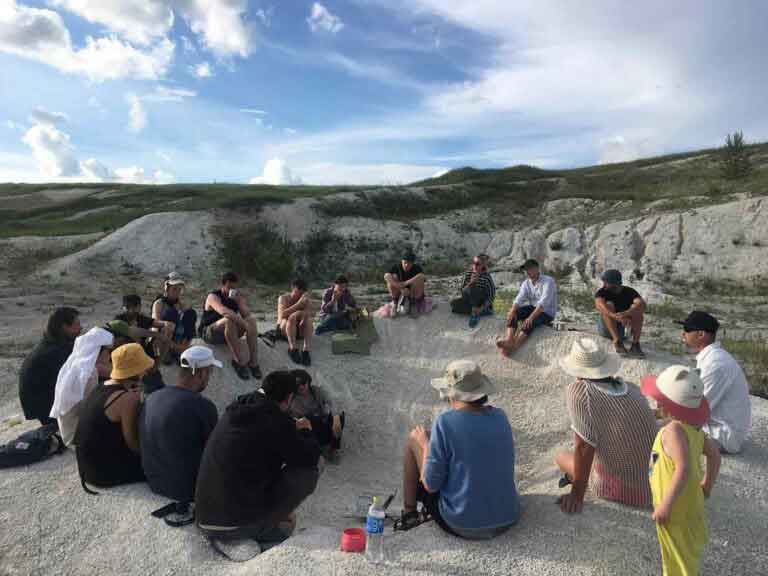
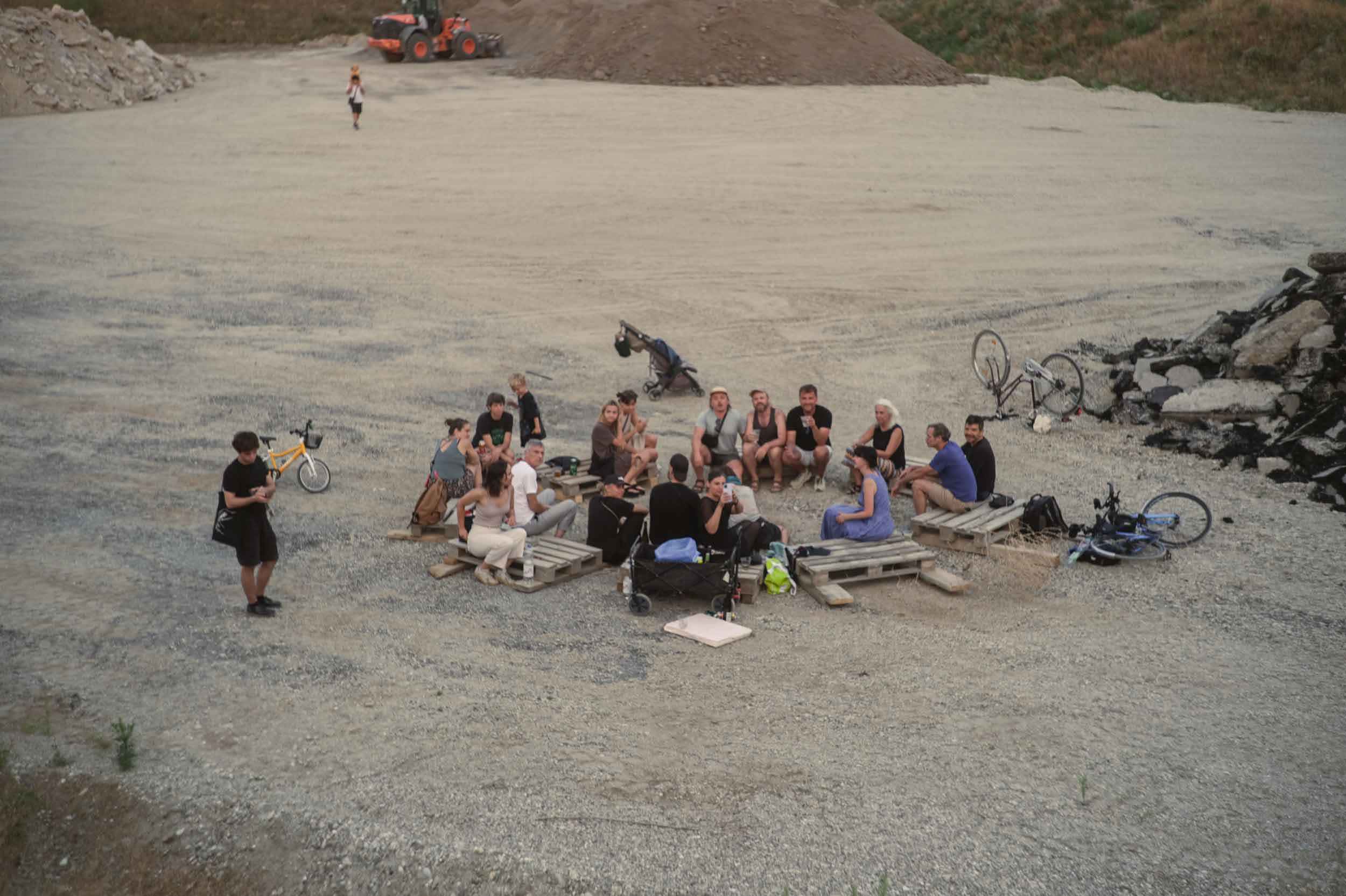
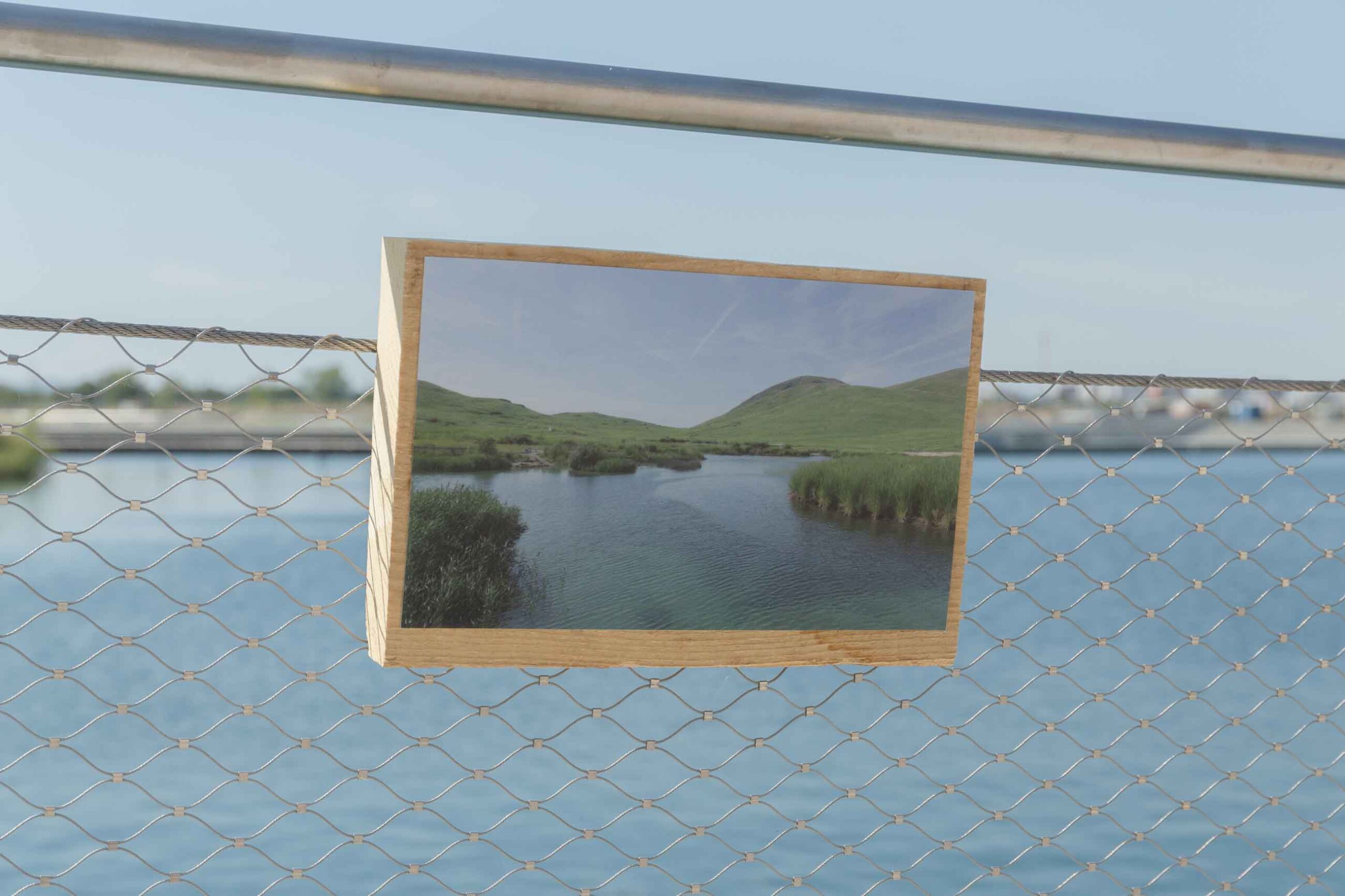
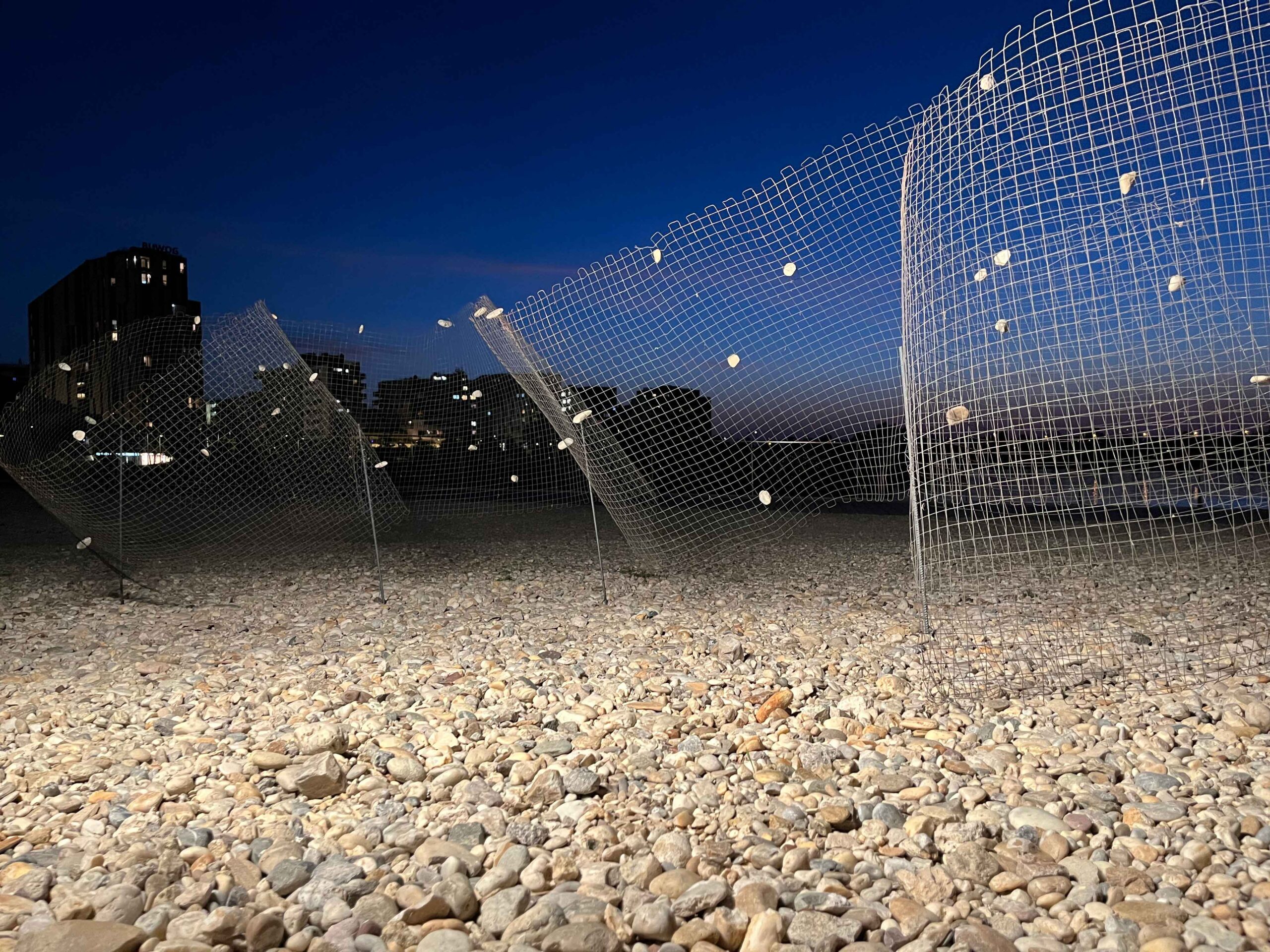
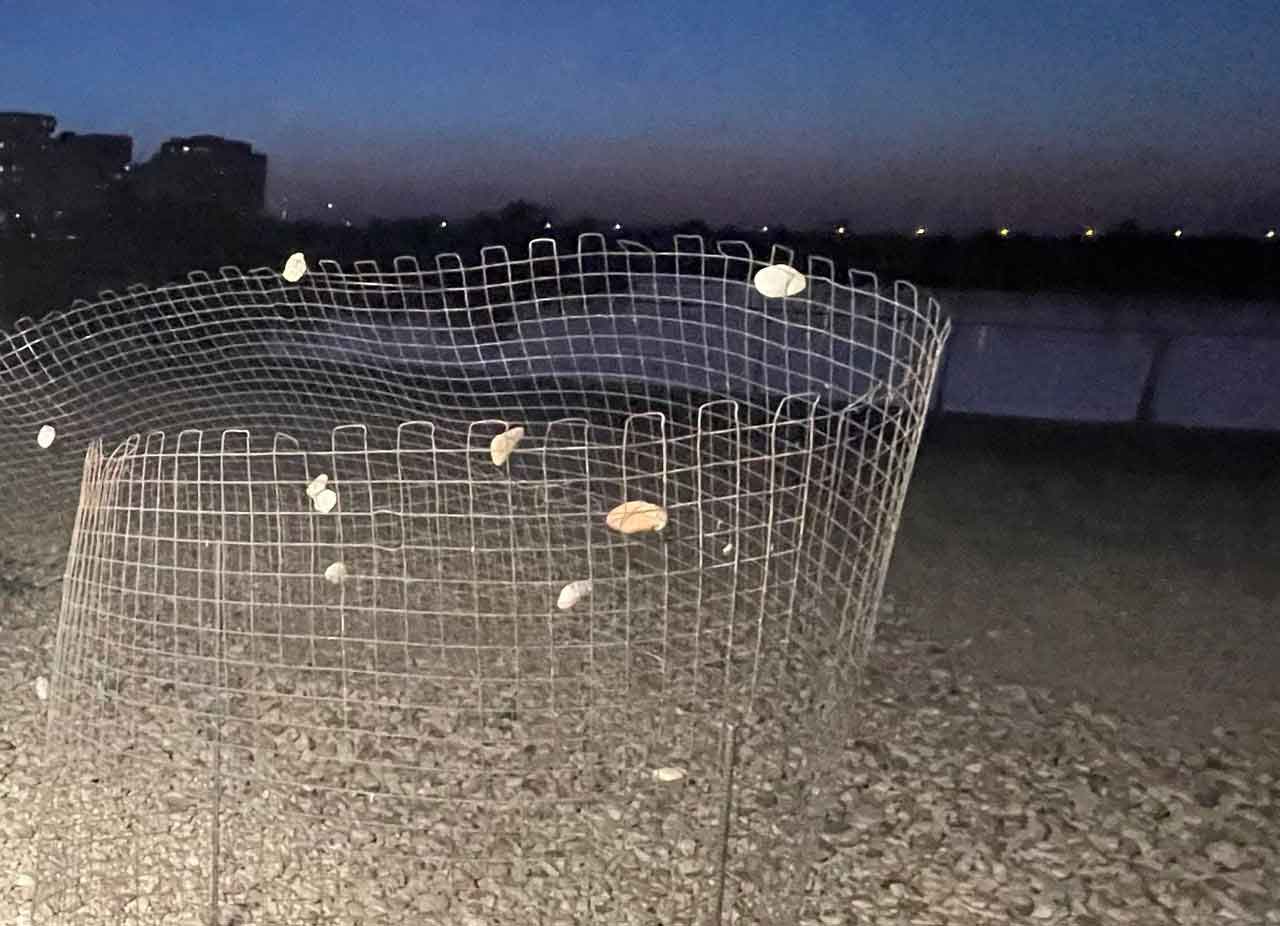
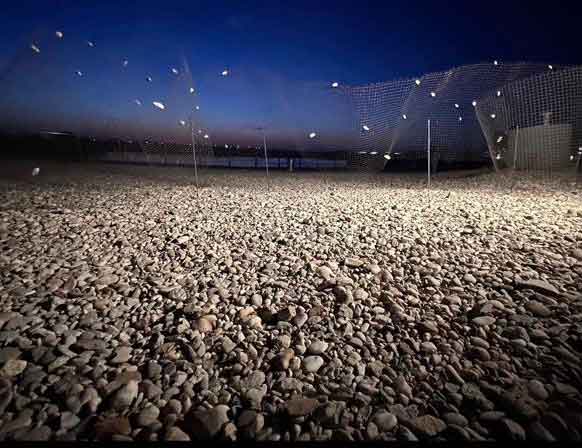
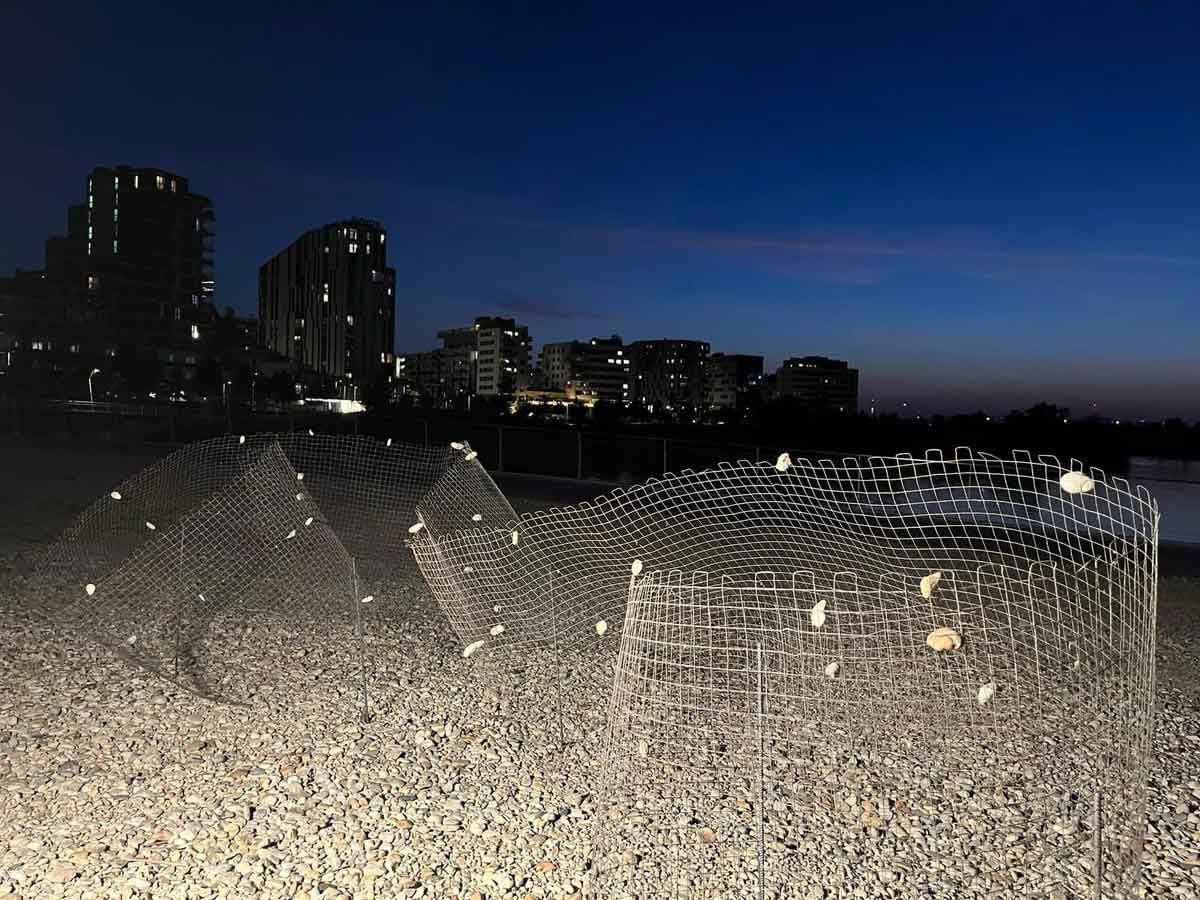
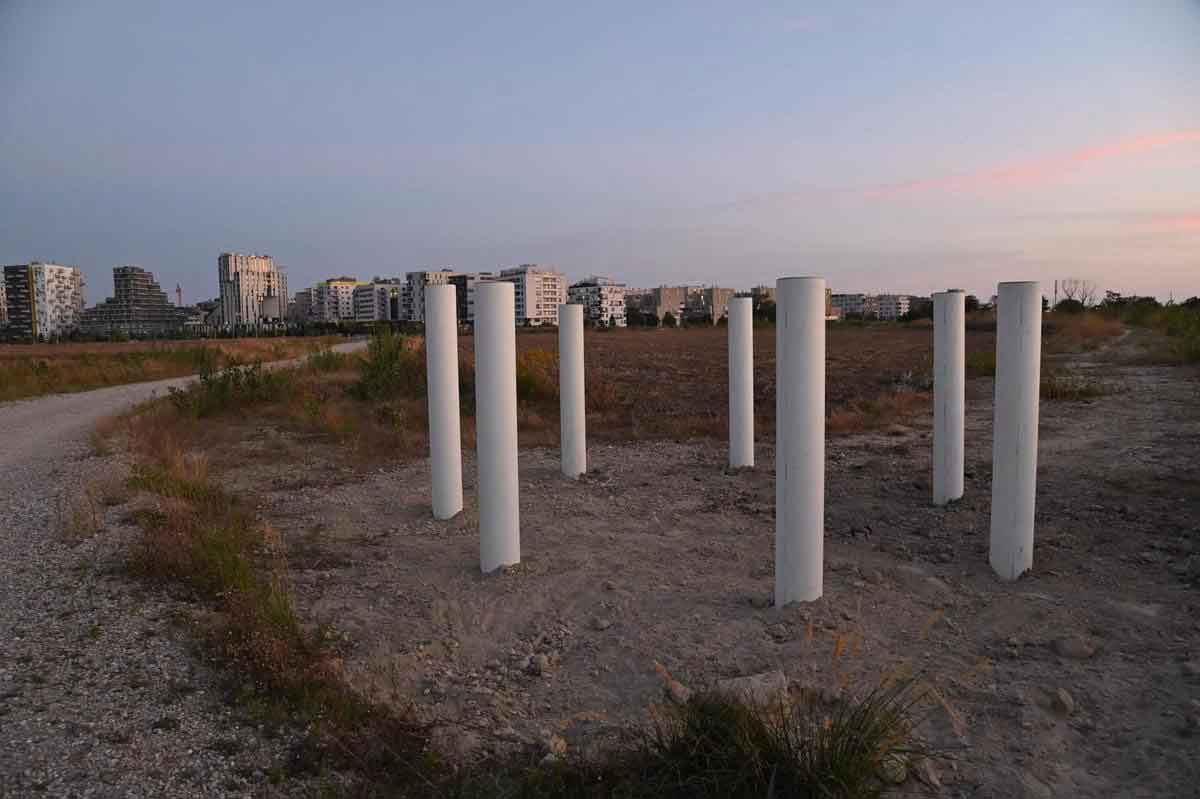
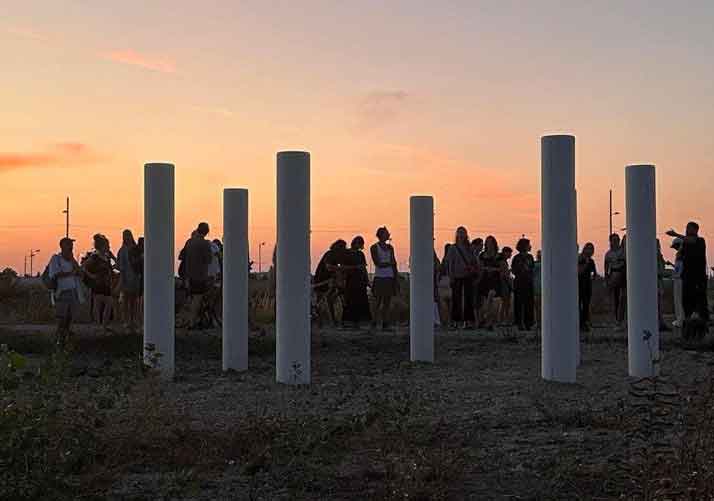
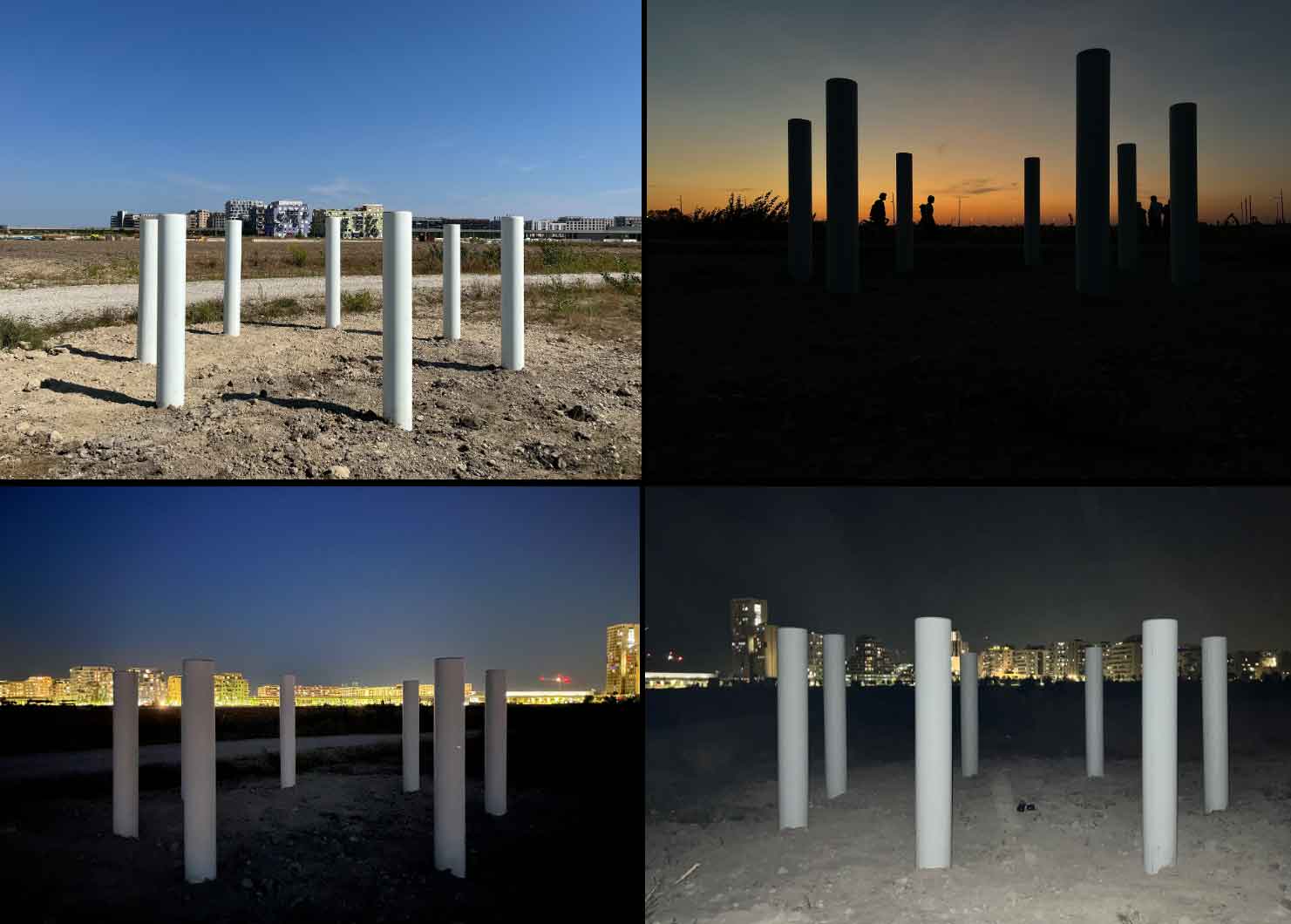
Natalia Lisova recreated one of Mohrytsia’s elements of social communication — the Circle of Communication. In Seestadt, however, the work became a ghostly memorial filled simultaneously with warmth, nostalgia, the pain of loss, and impossibility.
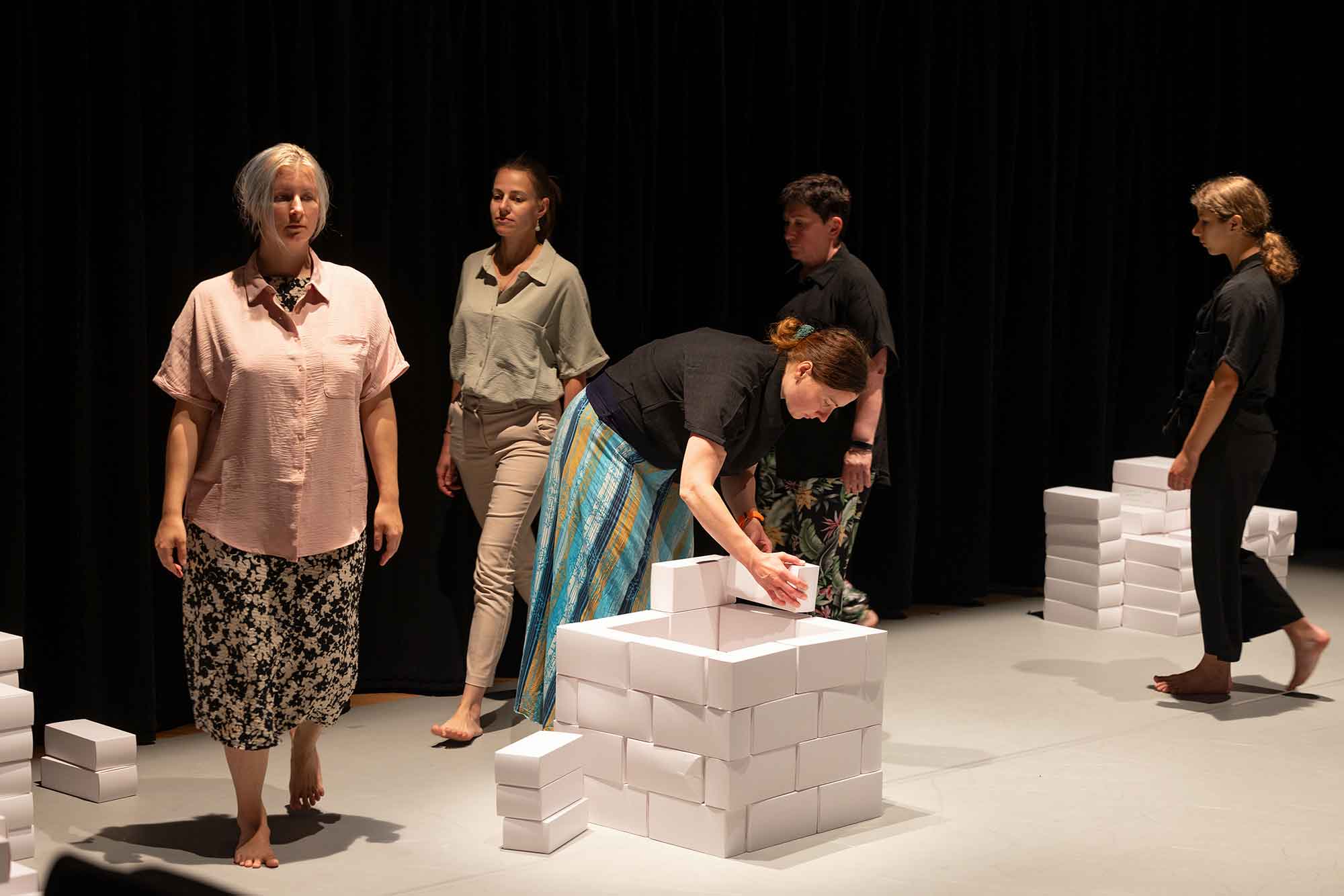
Yuri Yefanov also revisited the practice of communication circles by gathering project participants, as once happened in Mohrytsia, and inviting them to attempt mutual understanding without words in Sounds of Mohrytsia / Seestadt, Particularly Humans.
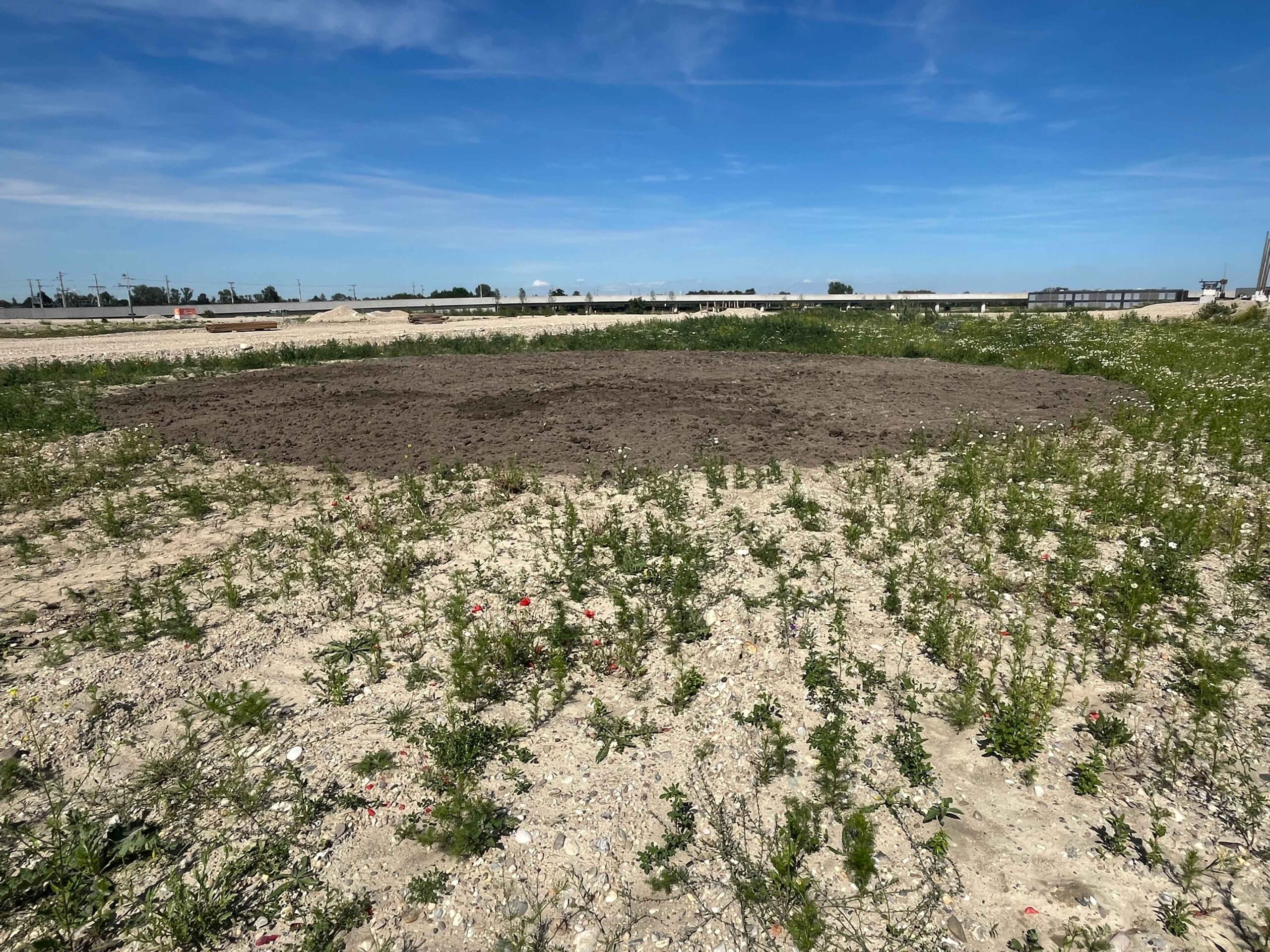
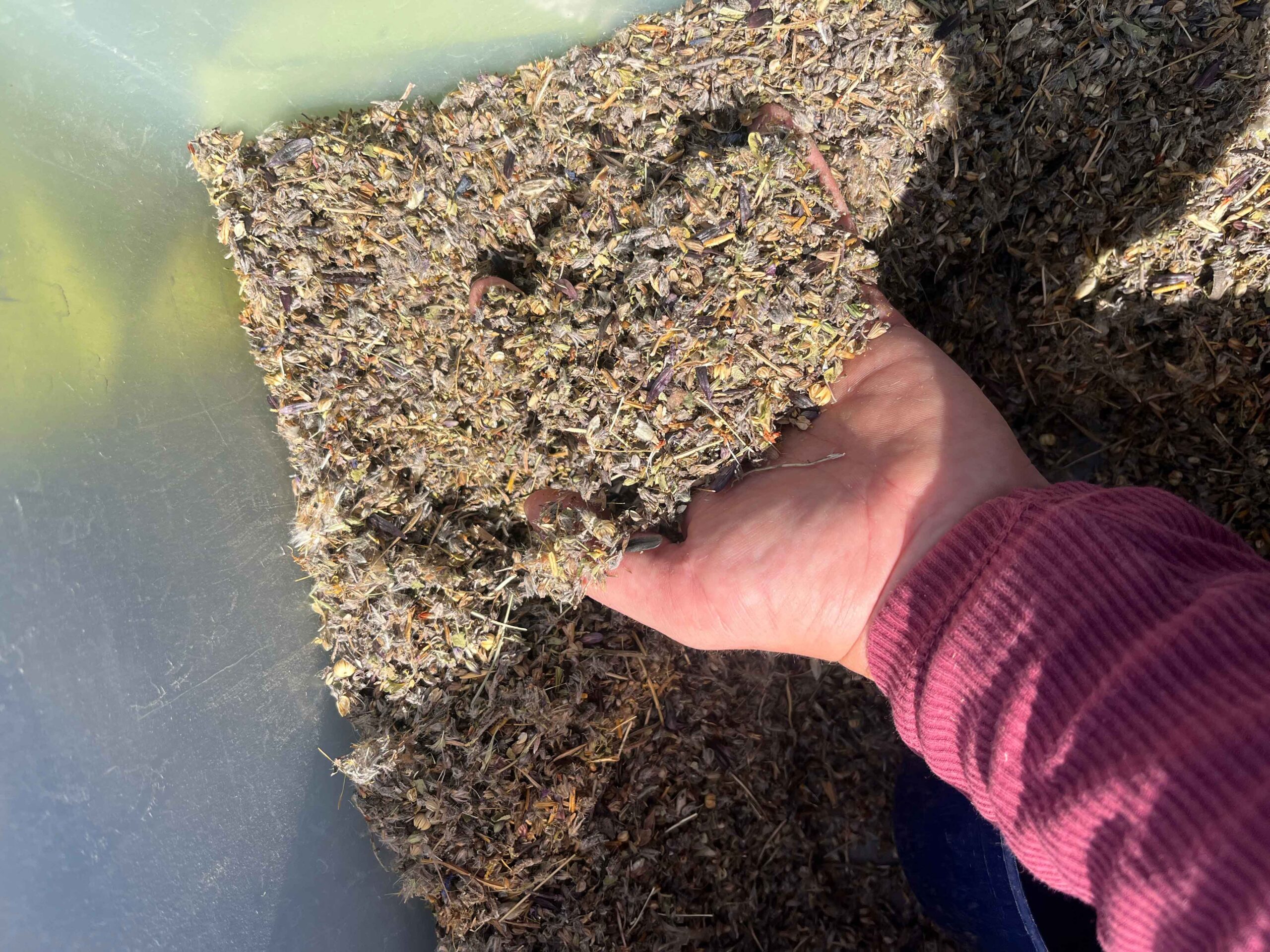
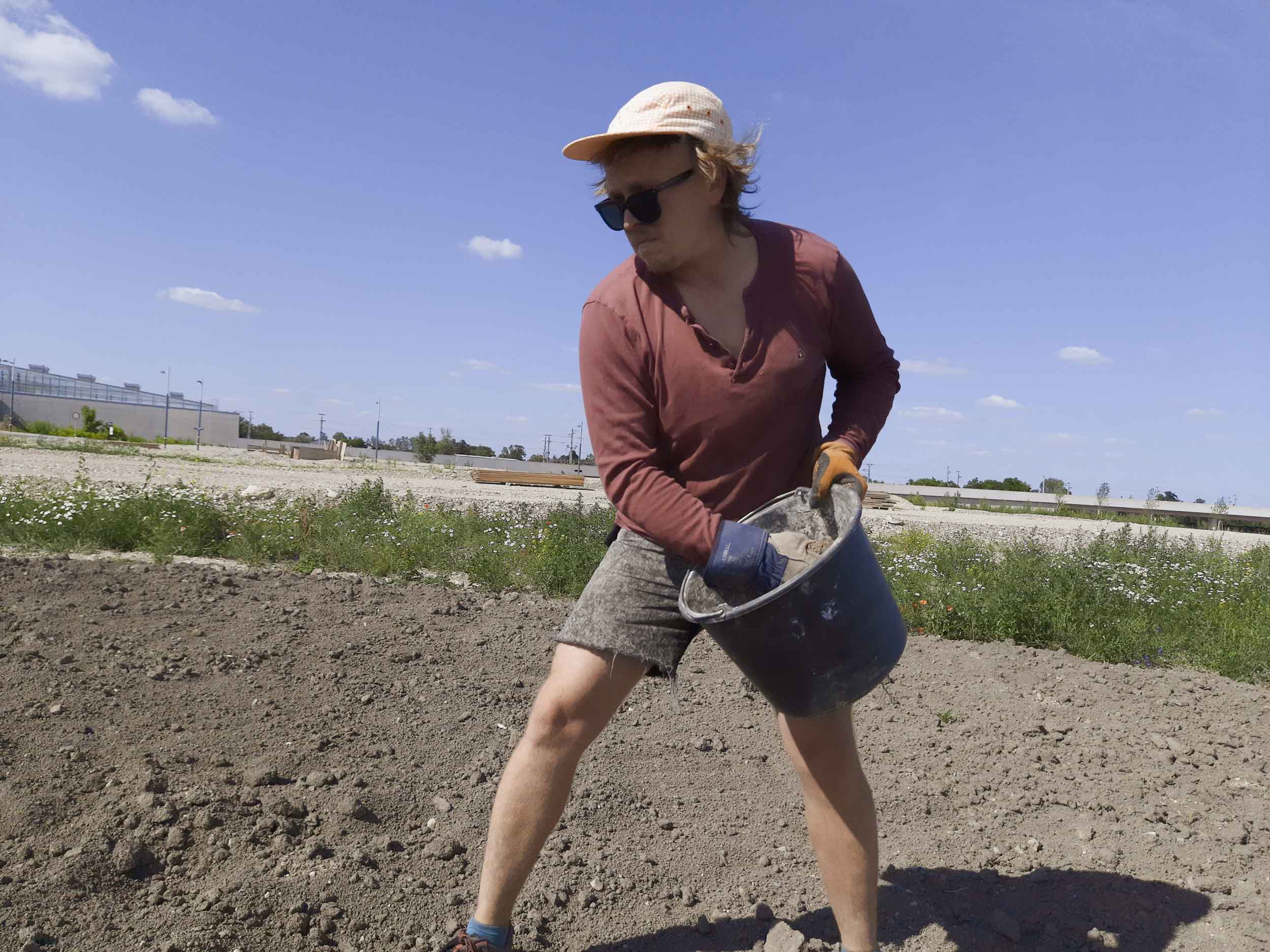
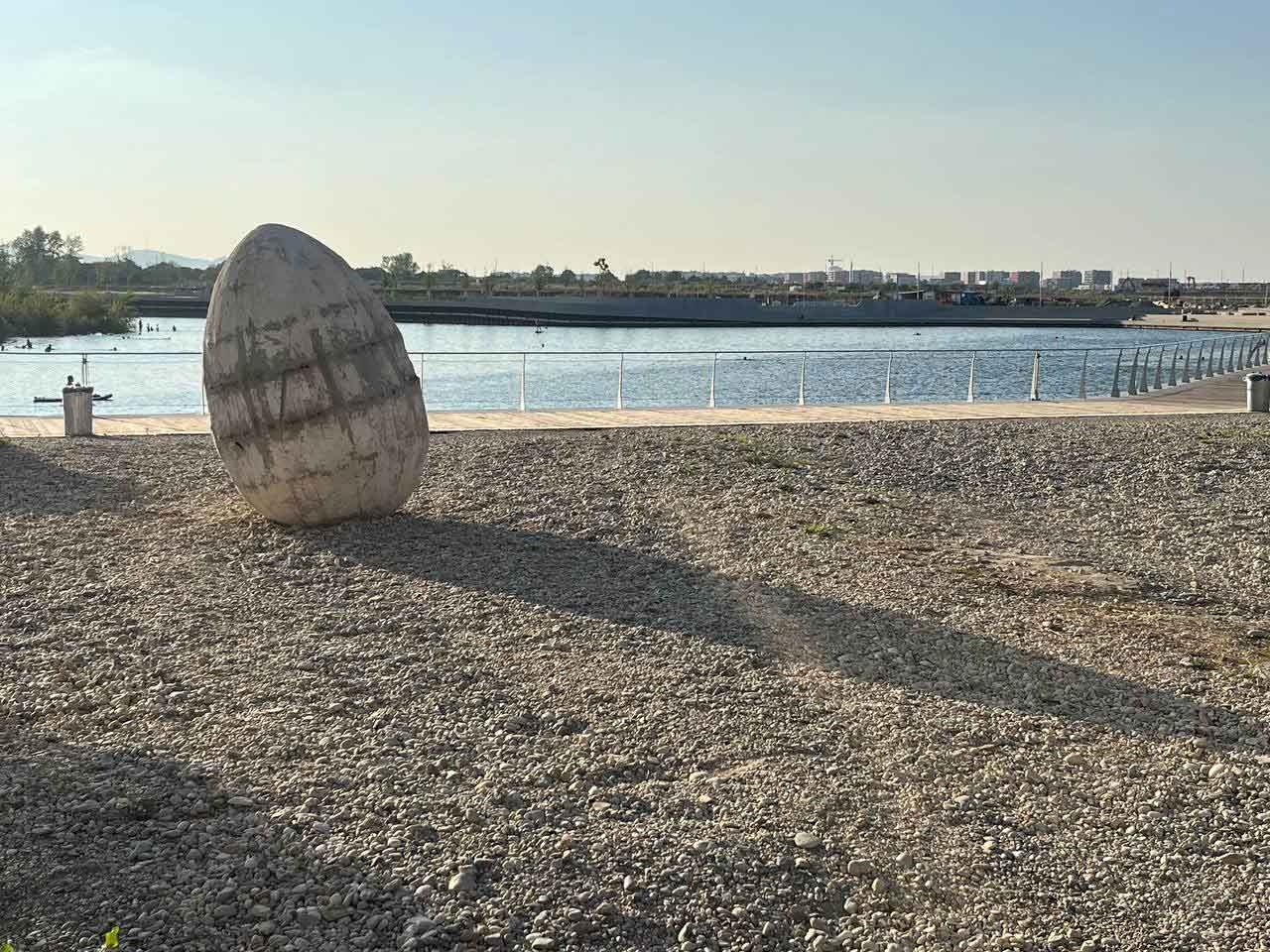
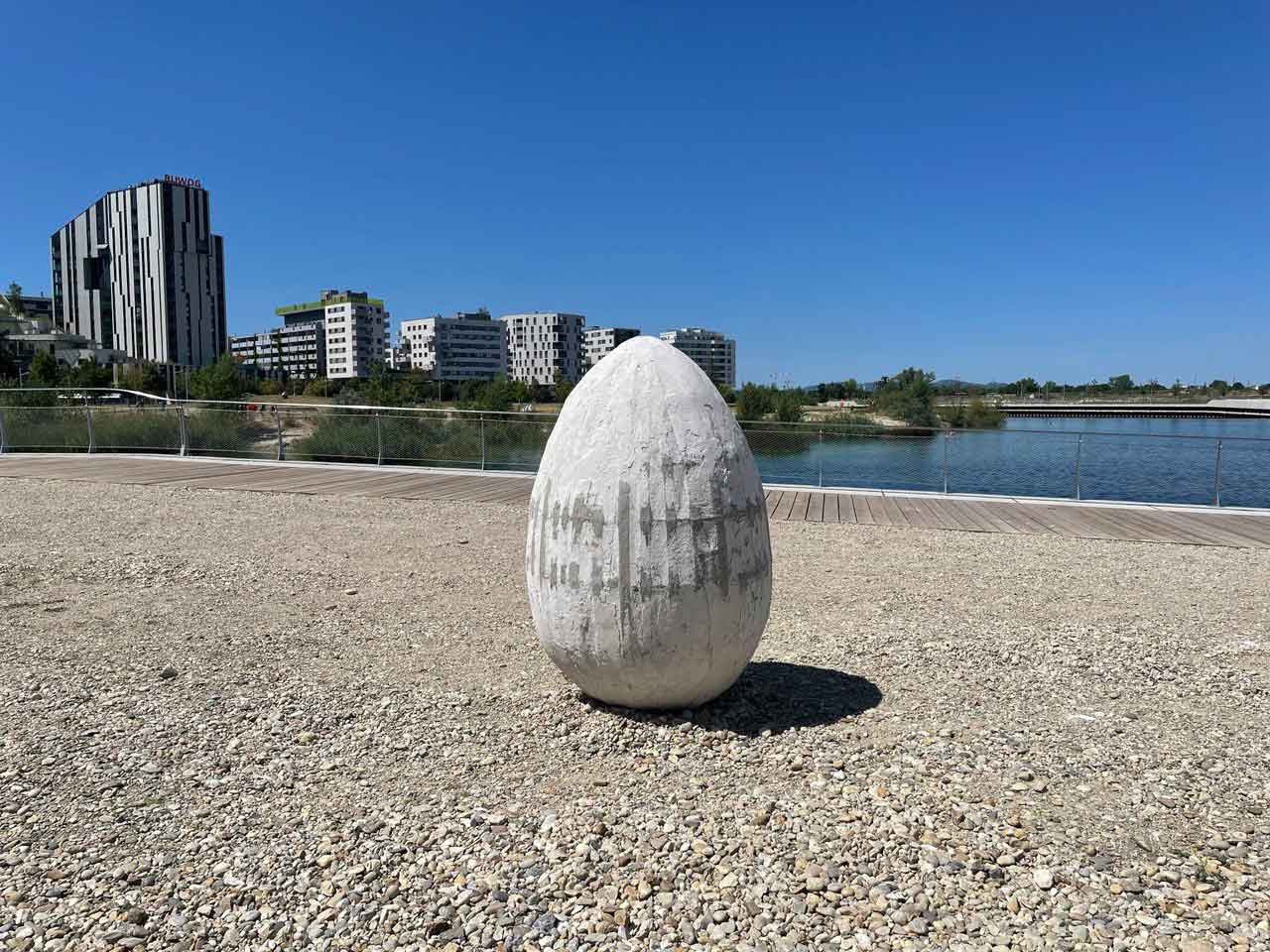
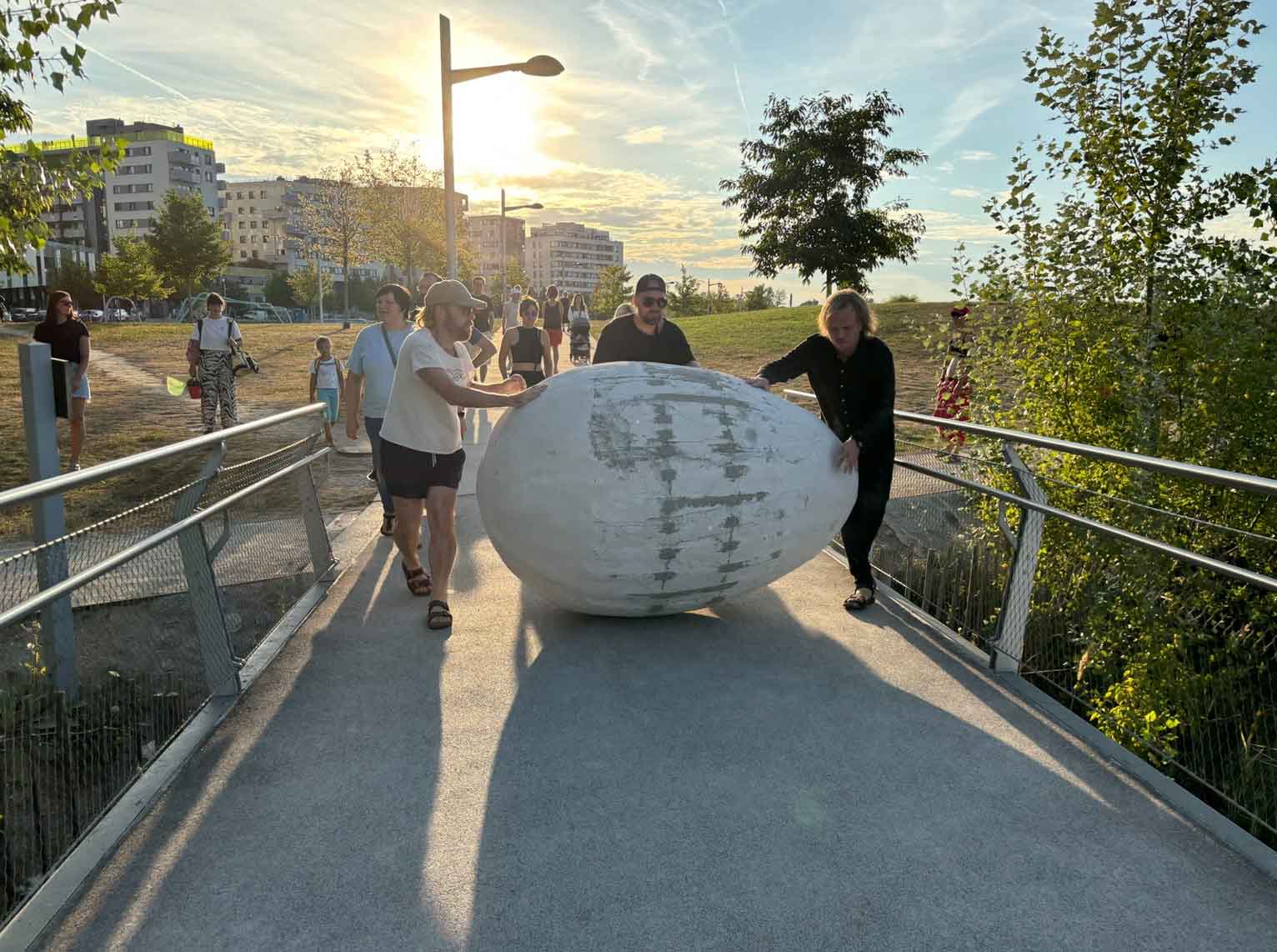
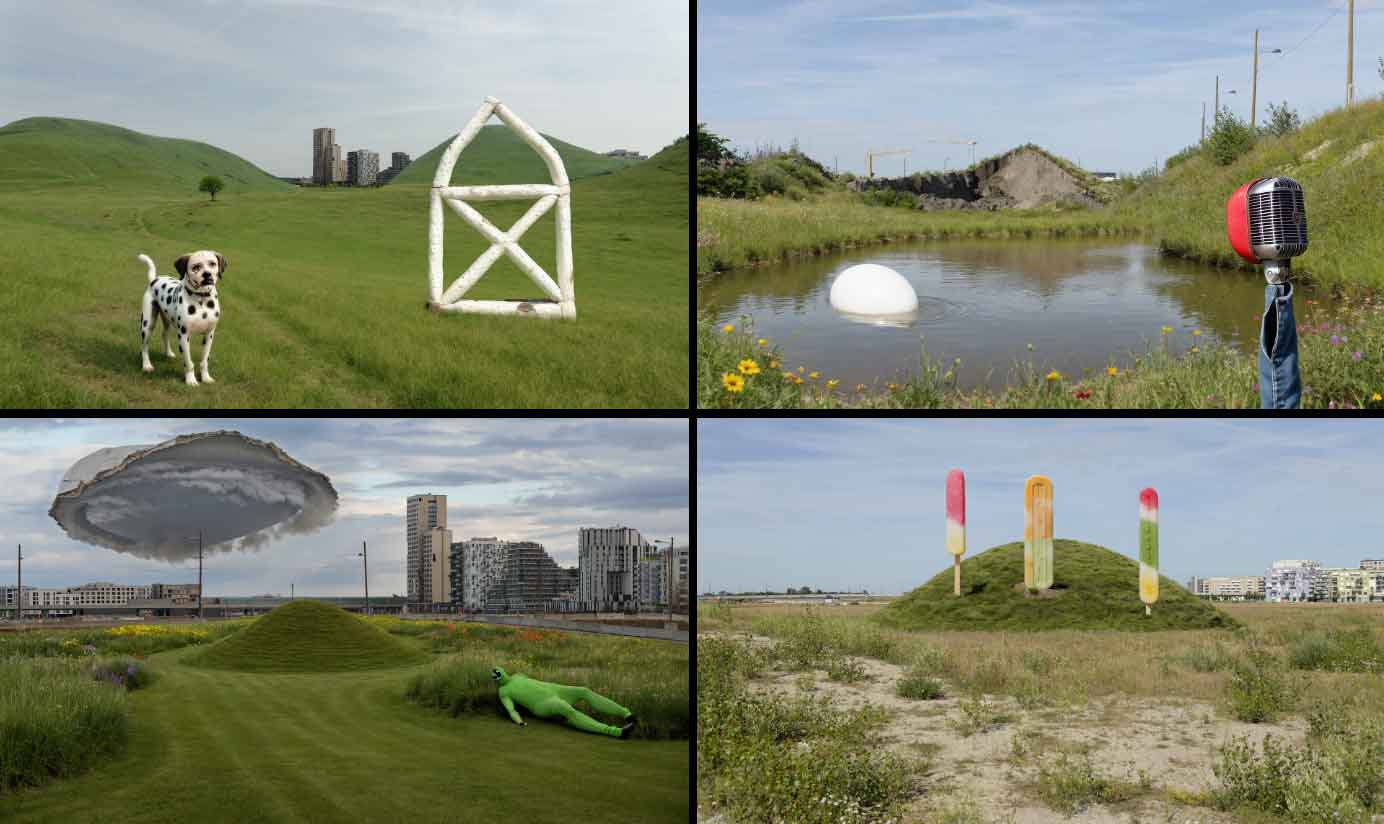
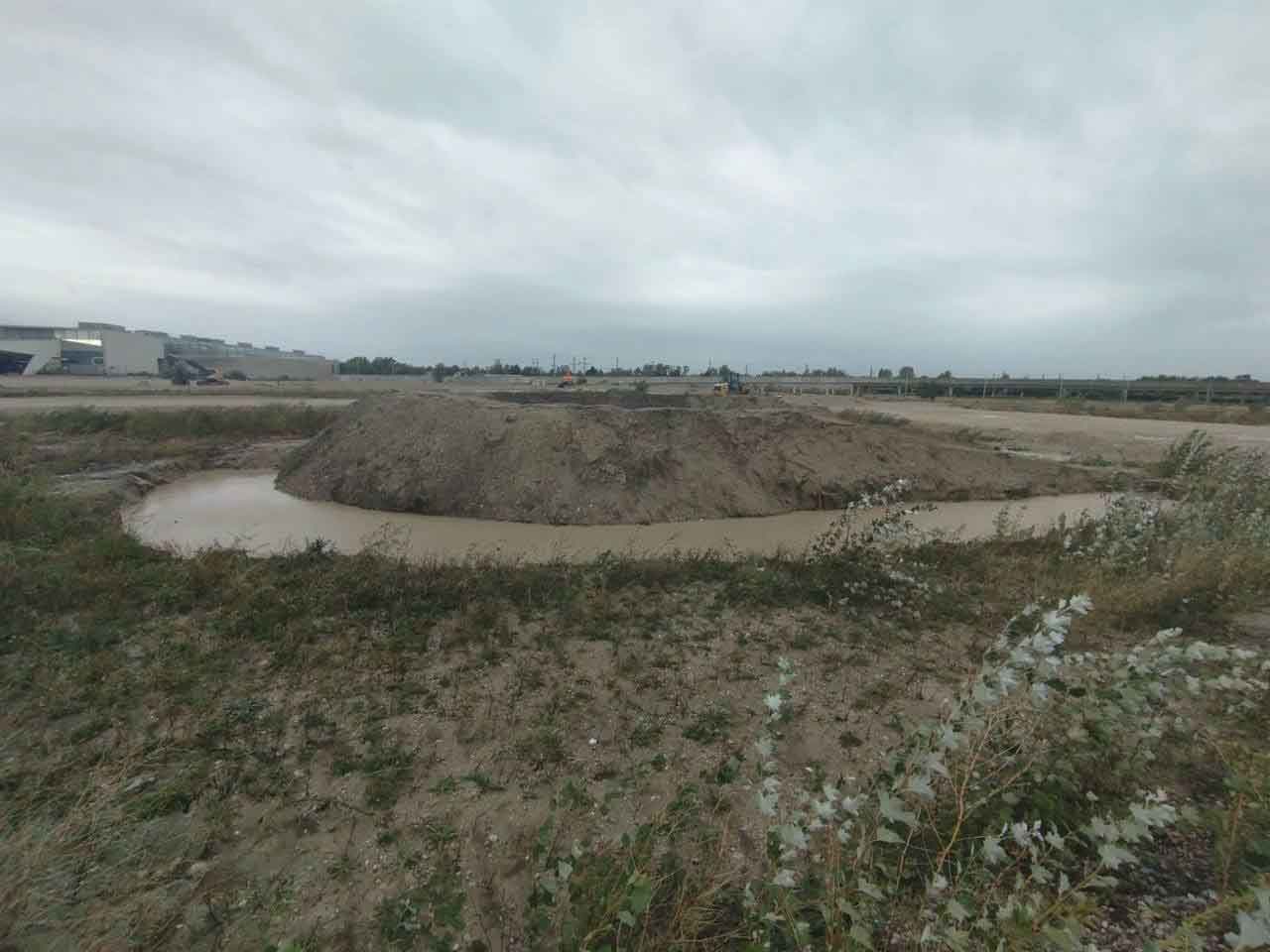
Yehor Antsyhin created Sketch of a Kurgan from the Ukrainian Steppe, seeded with Ukrainian steppe plants, while Lucy Ivanova captured Animals That Should (Not) Be Here with a camera trap, reflecting on human expansion and its aggressive impact on natural rhythms and animal habitats. Together, Lucy and Yehor performed an ironic ritual of cleansing the land of Seestadt from negative energy and looming fears by rolling a giant egg together with local residents and other participants of the project.
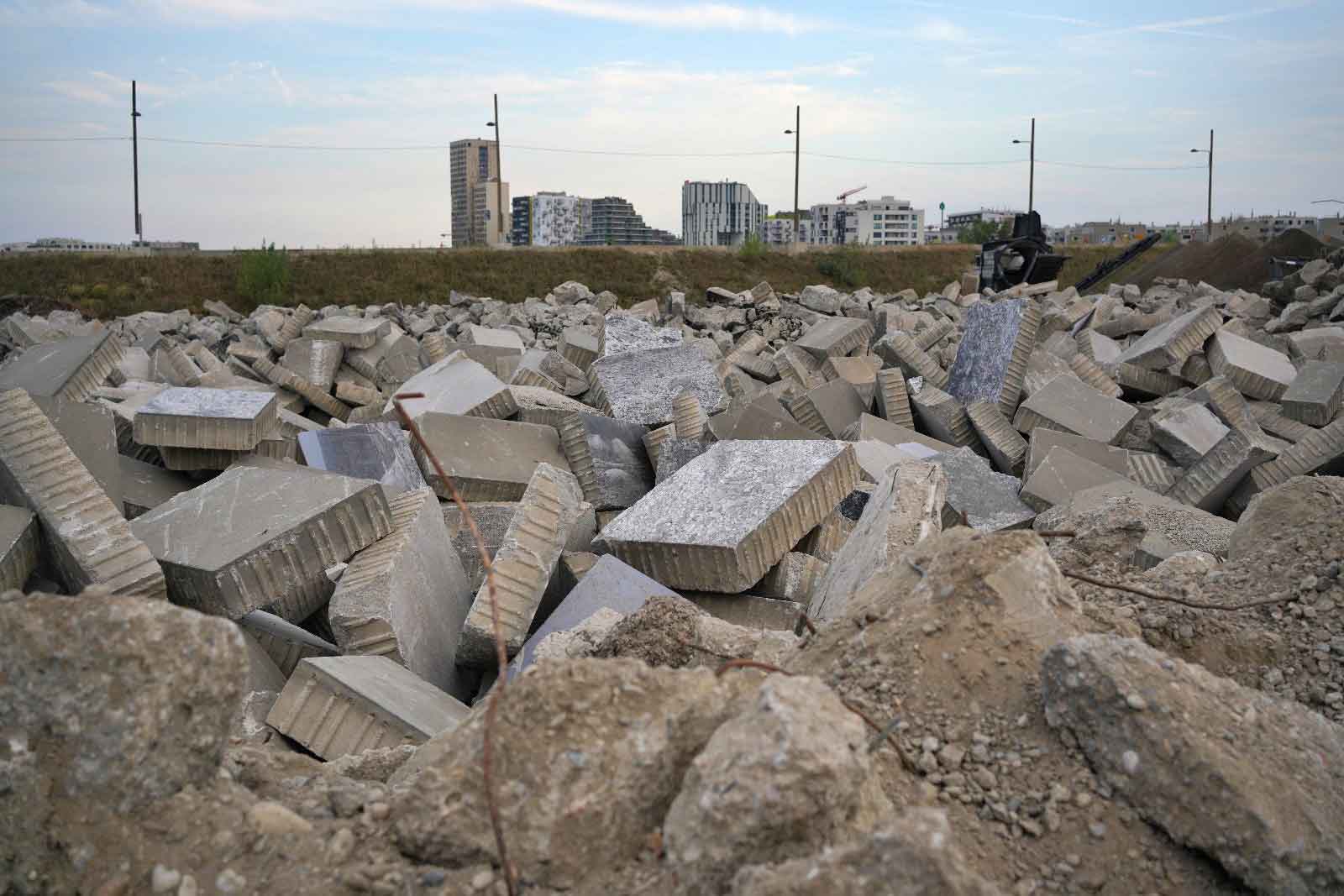
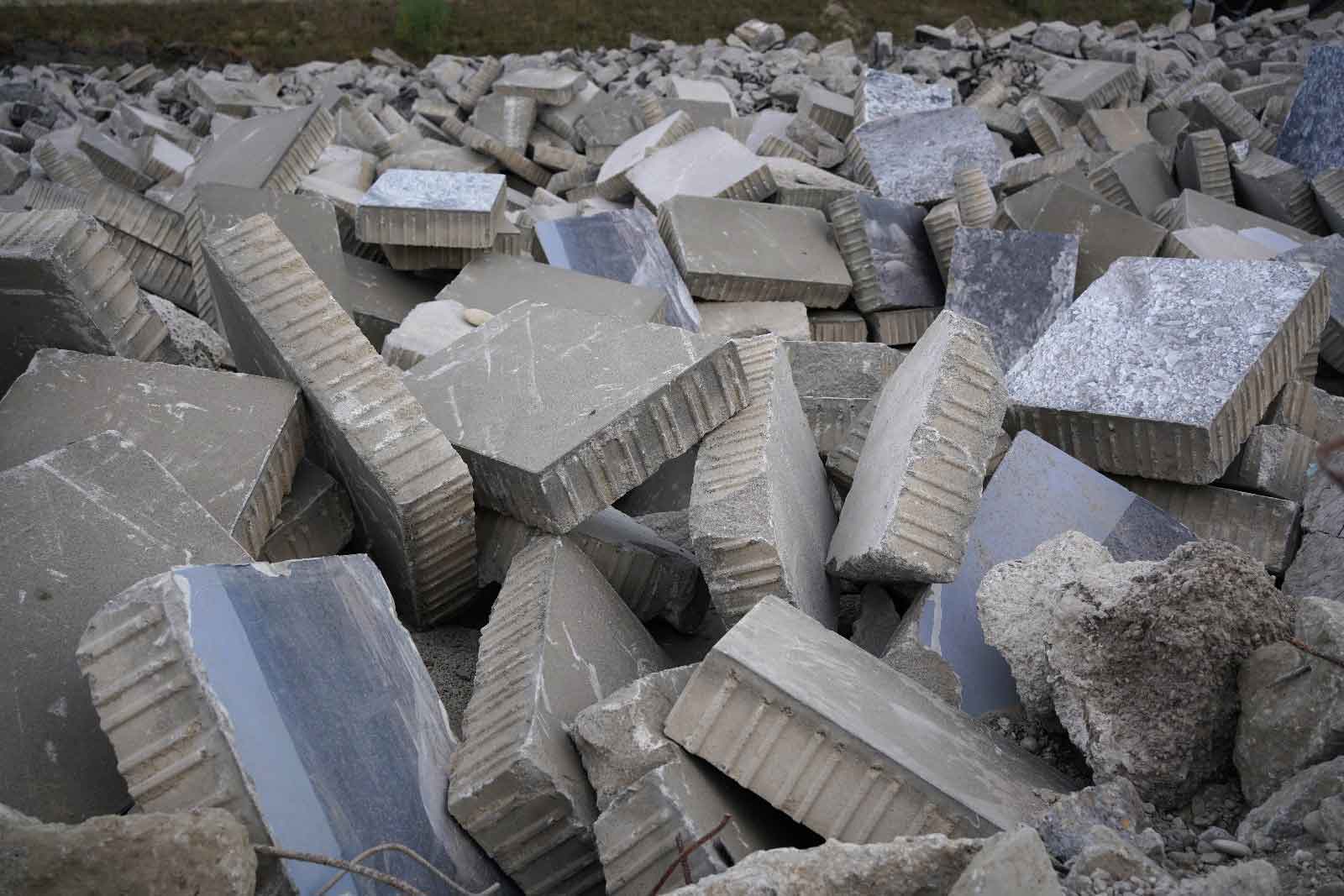
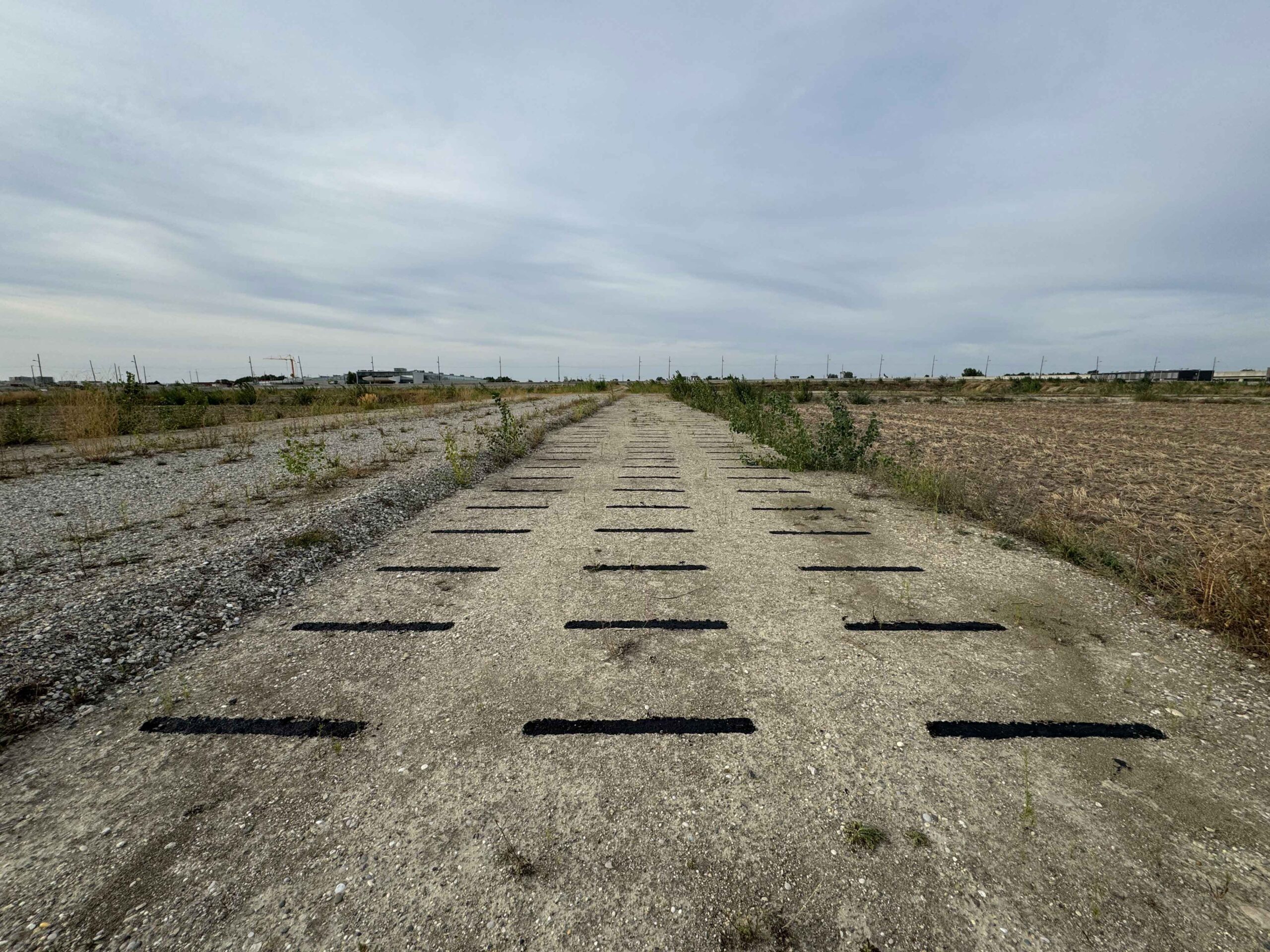
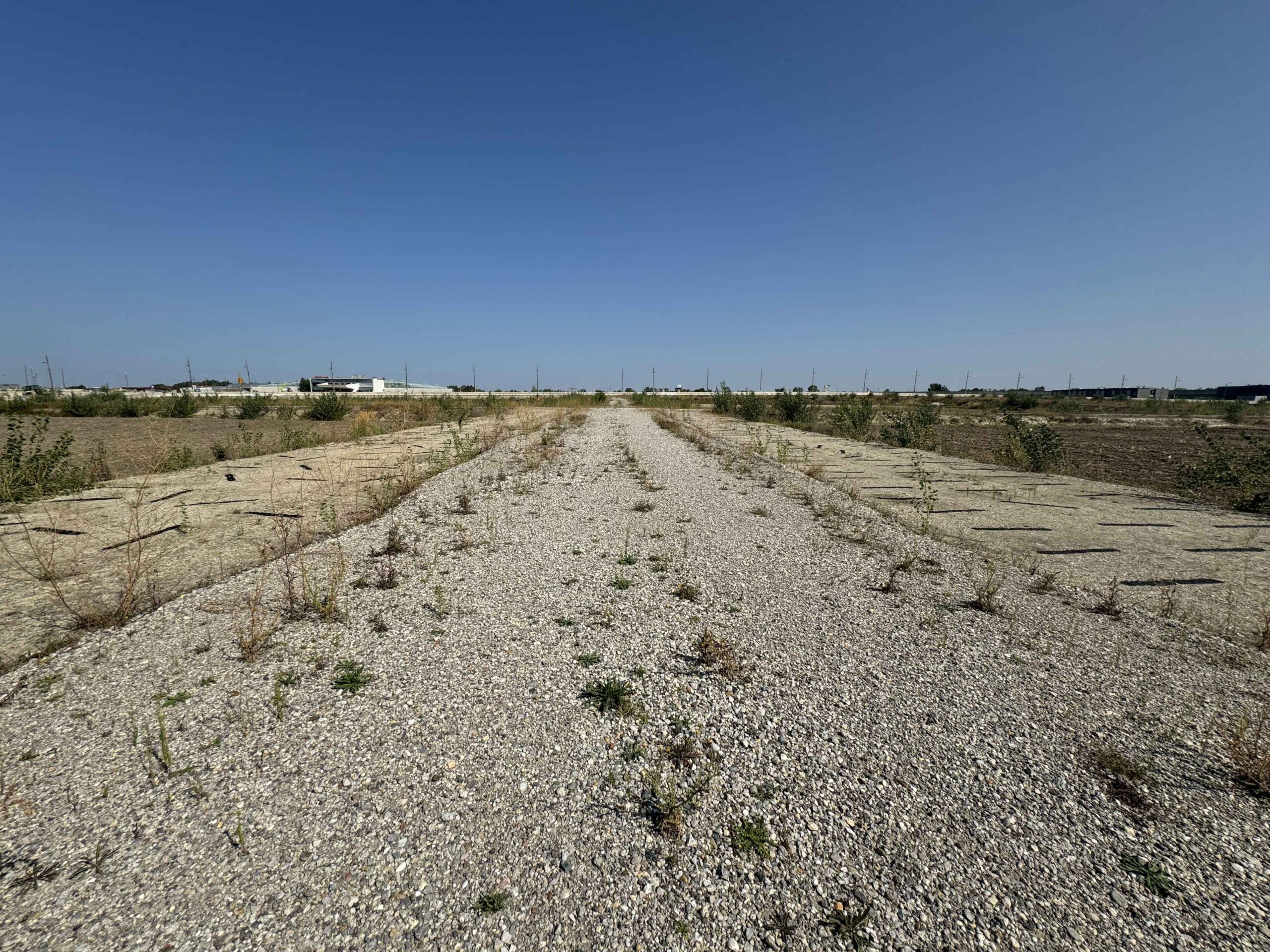
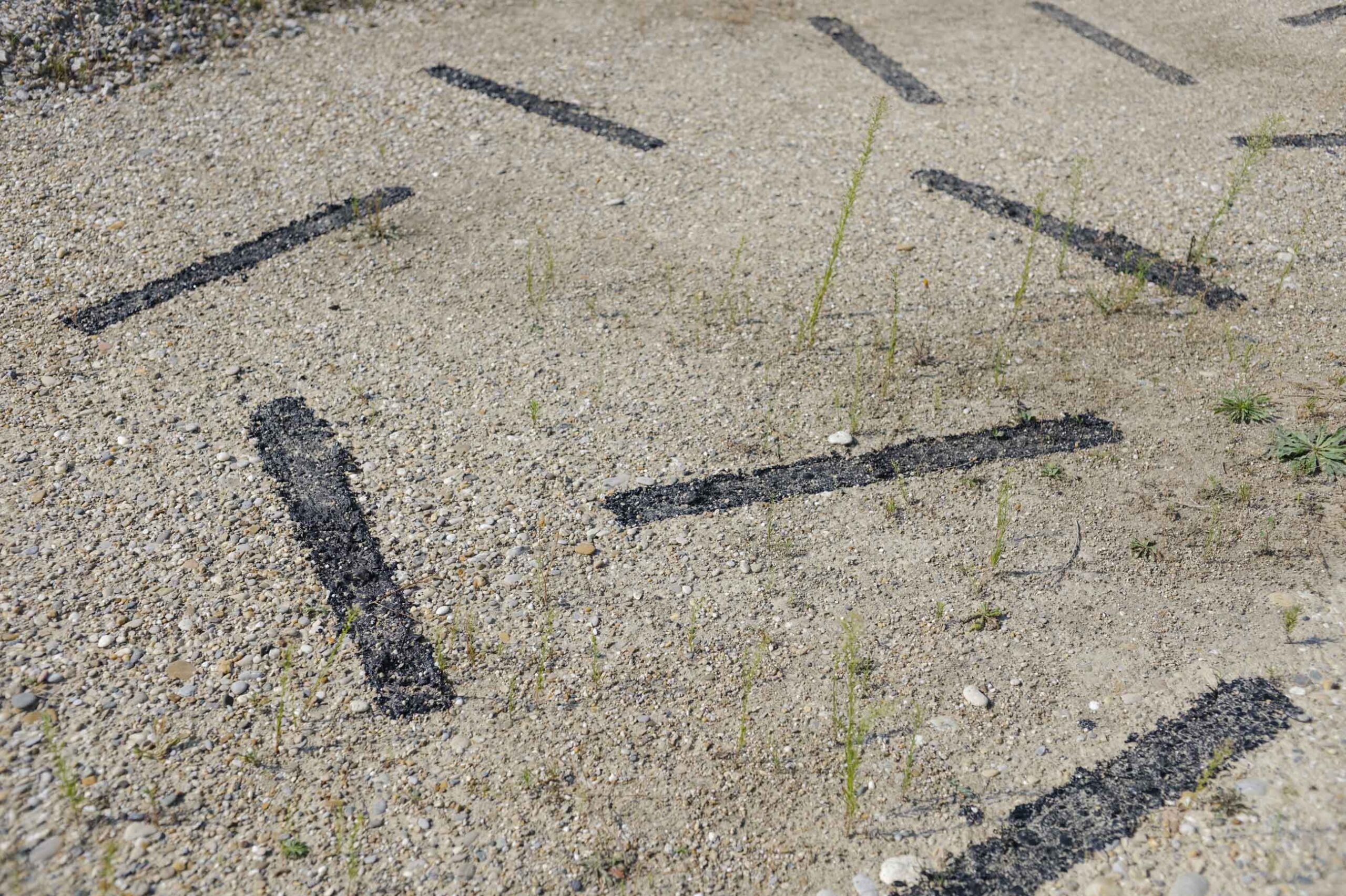
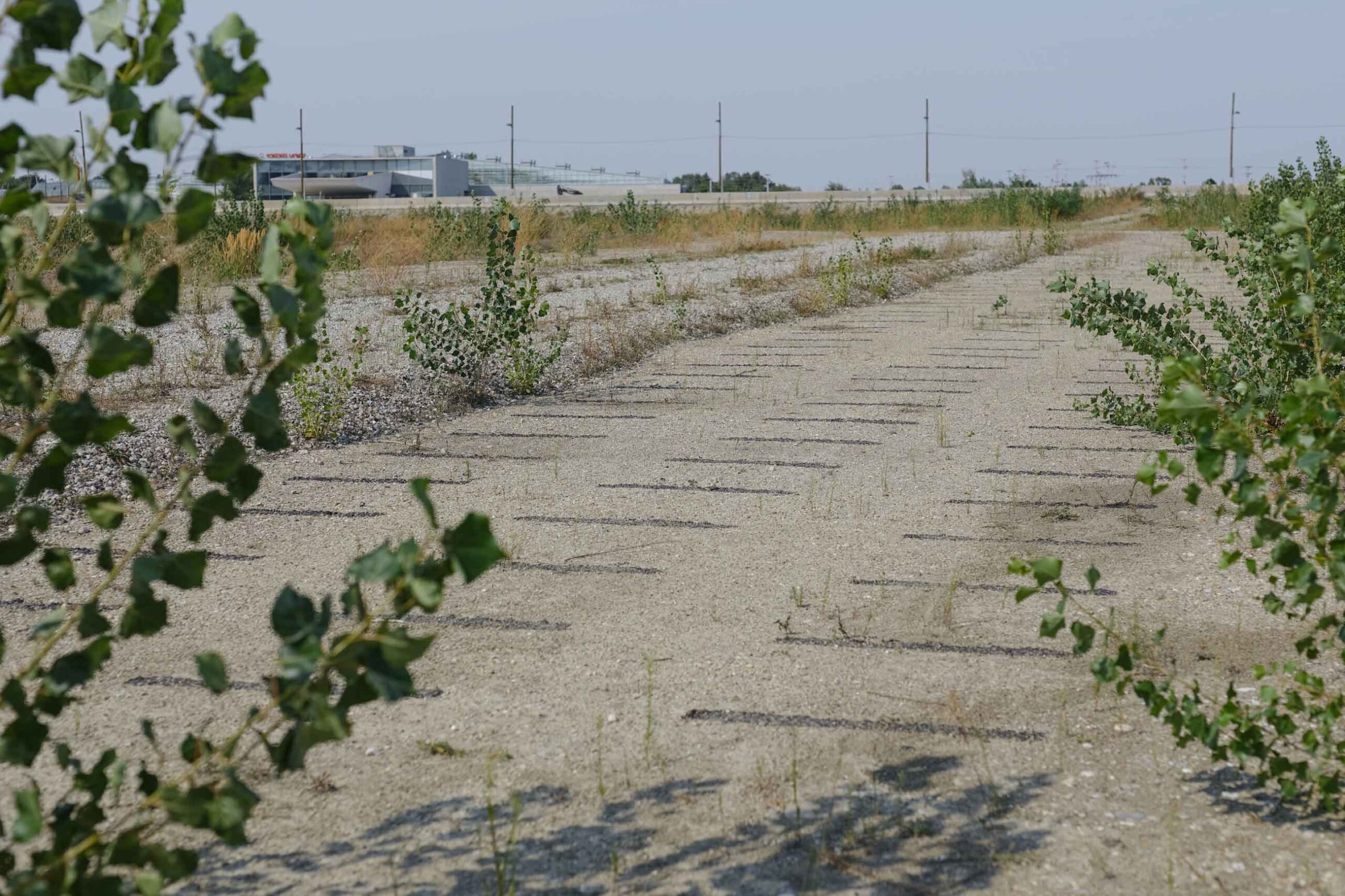
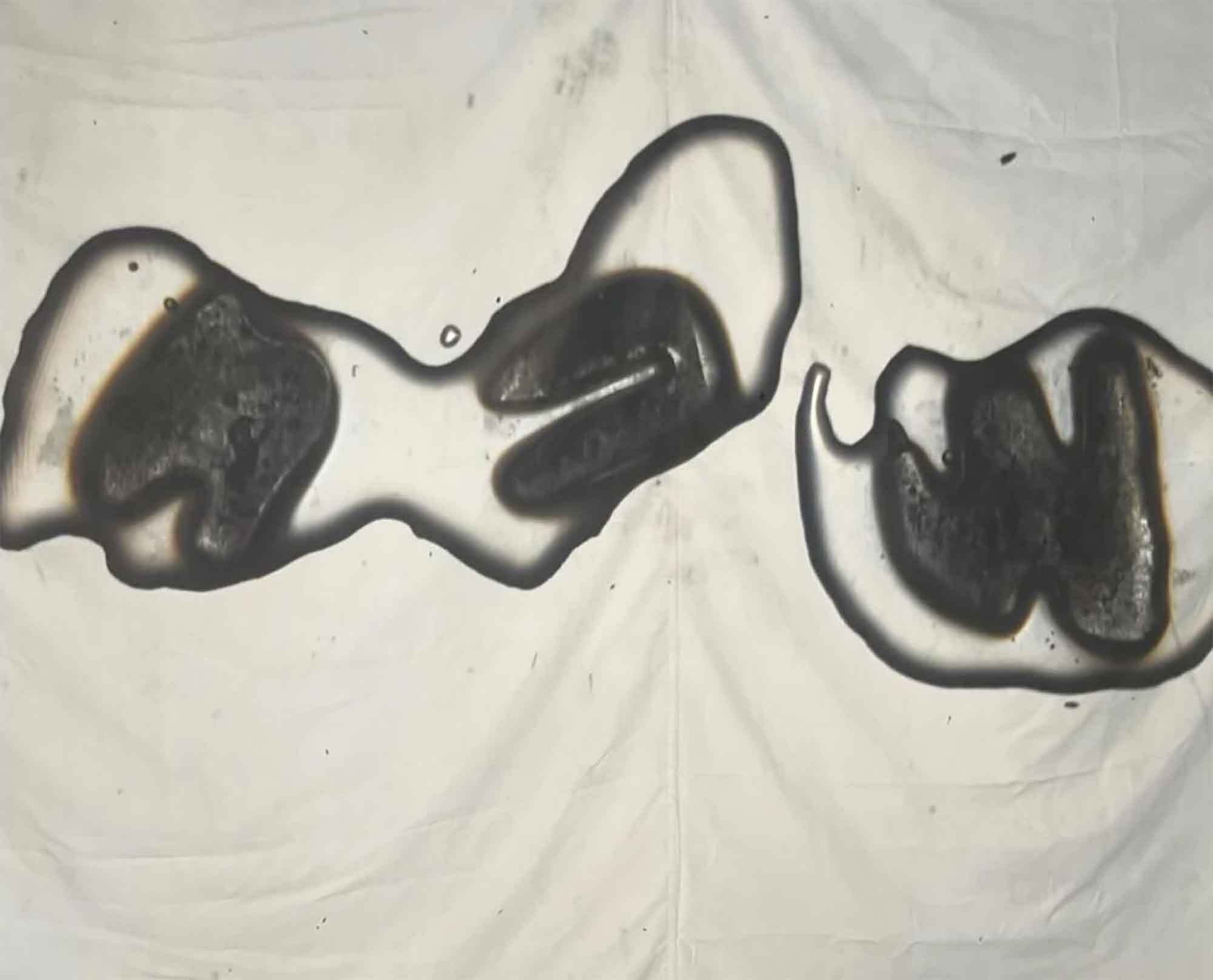
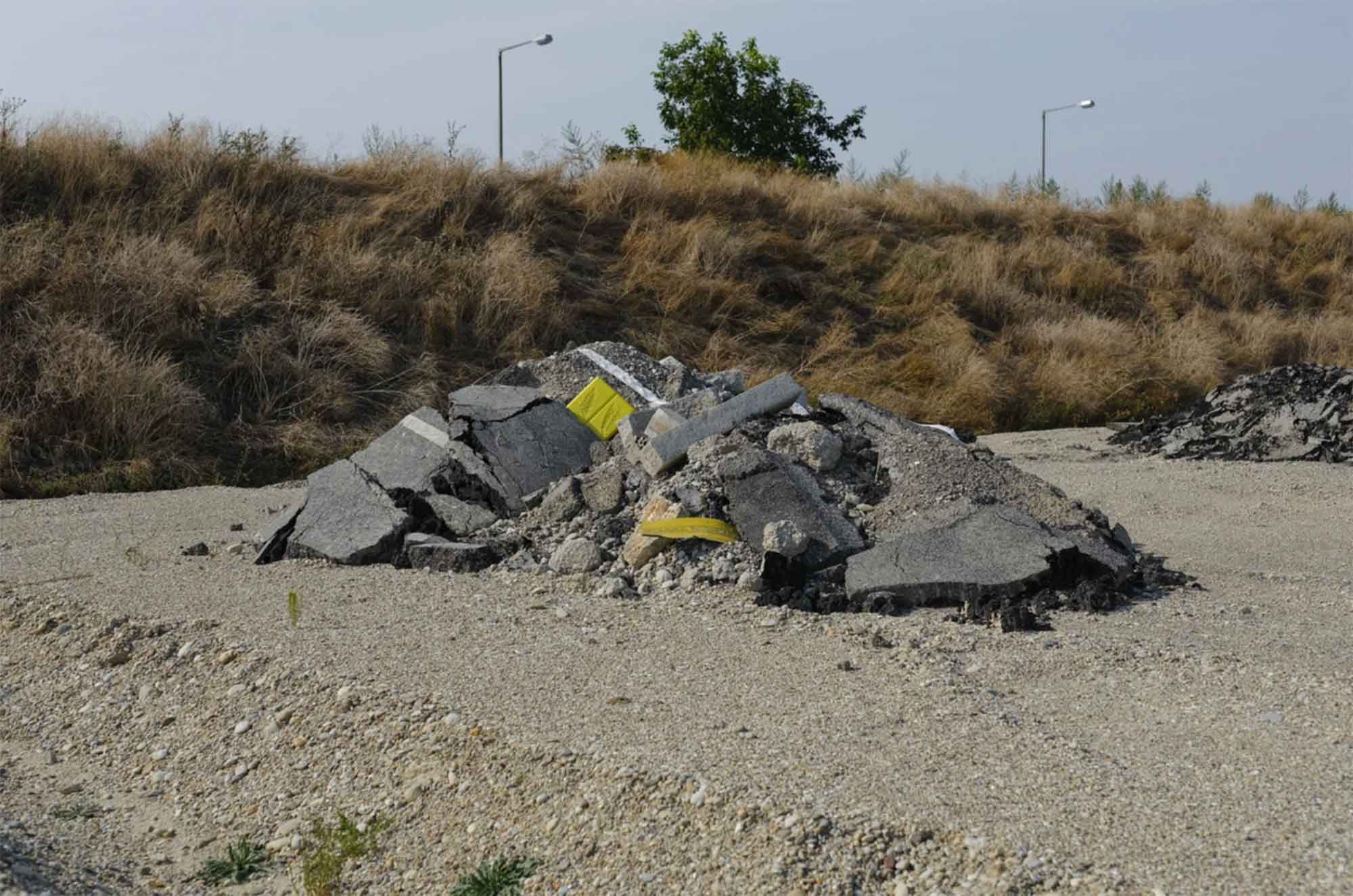
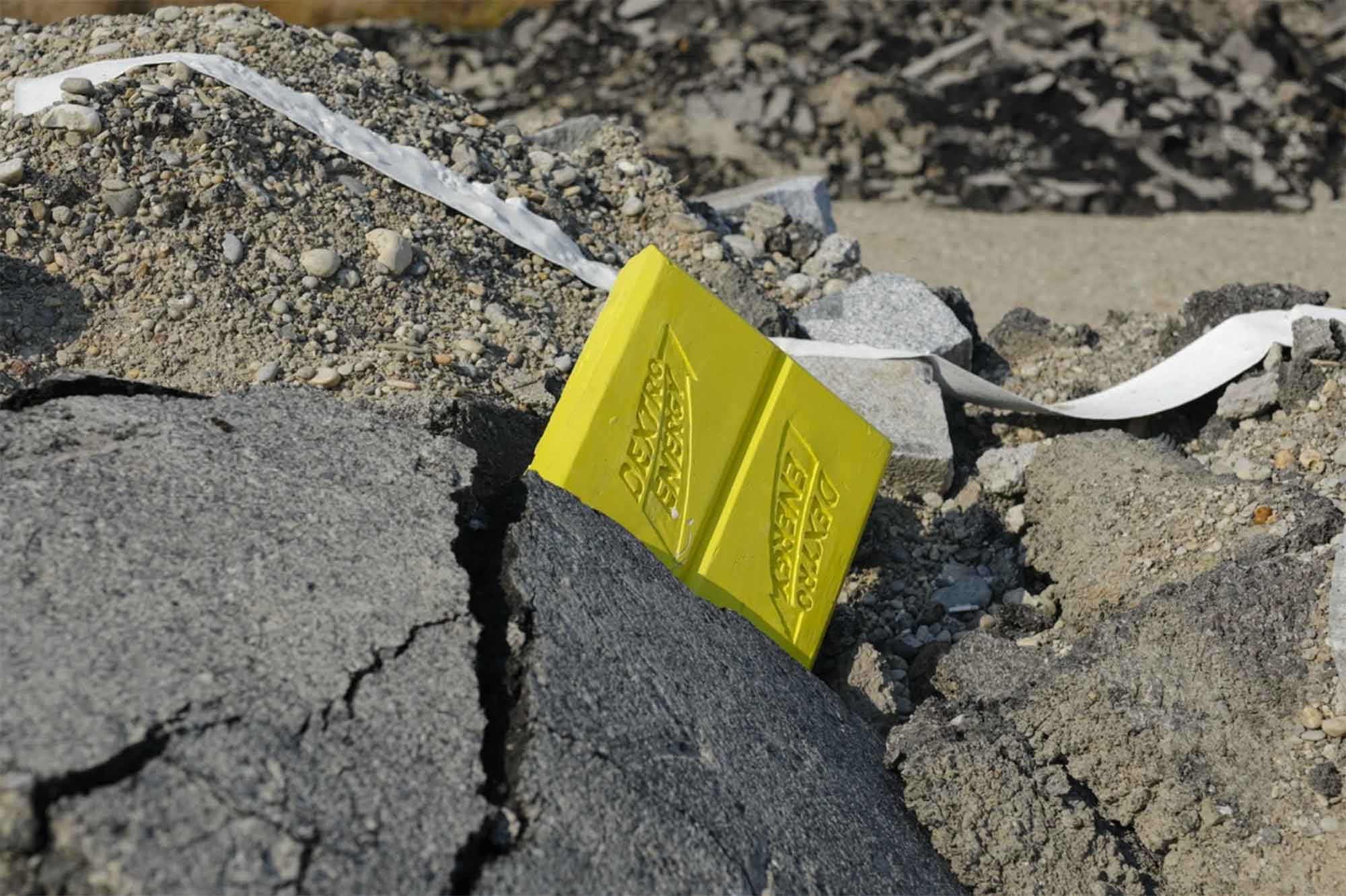
In his Repair Drawings, executed in bitumen on asphalt, Clemens Poole reflected on the destruction of Ukrainian landscapes and infrastructure caused by war, and on their continuous restoration as an act of resilience.
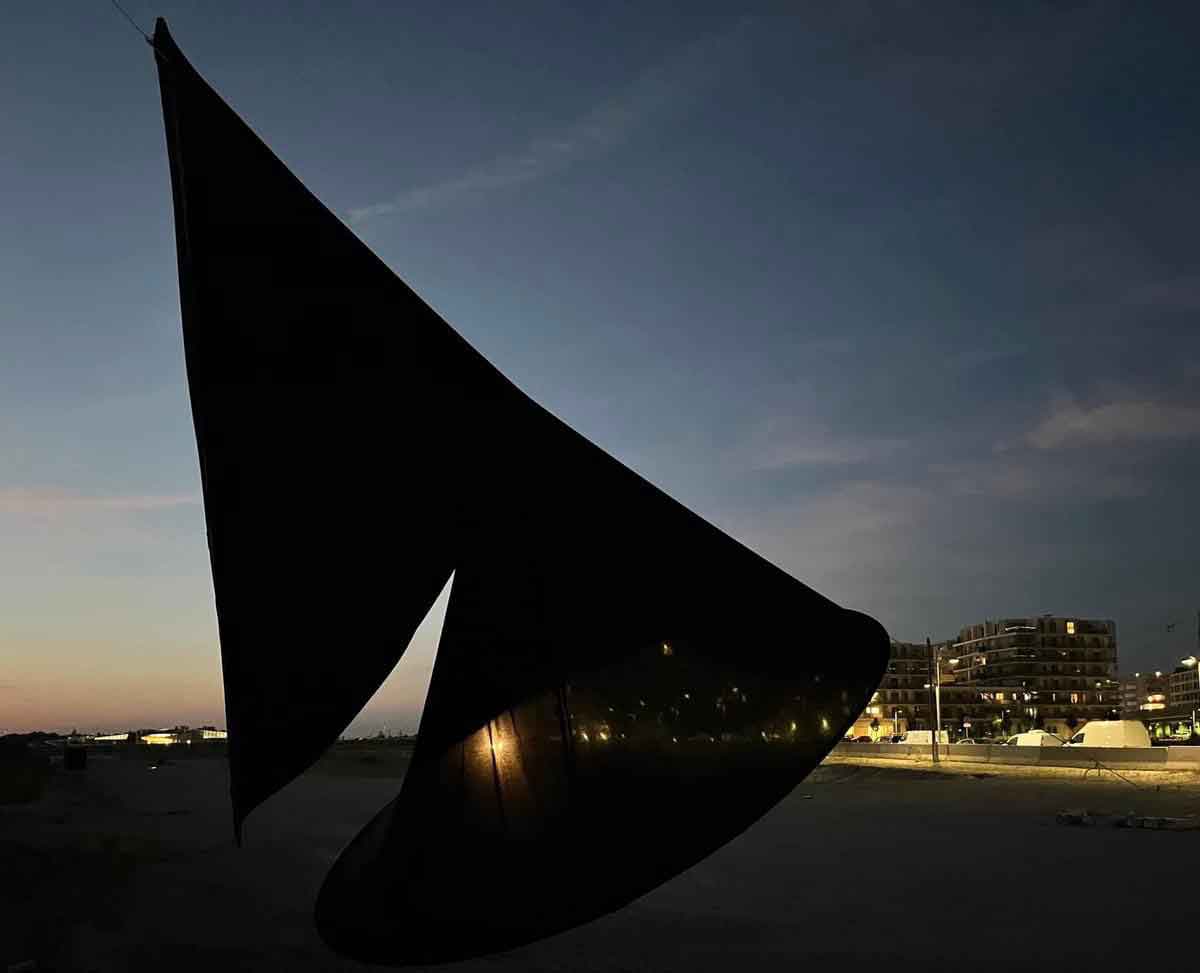
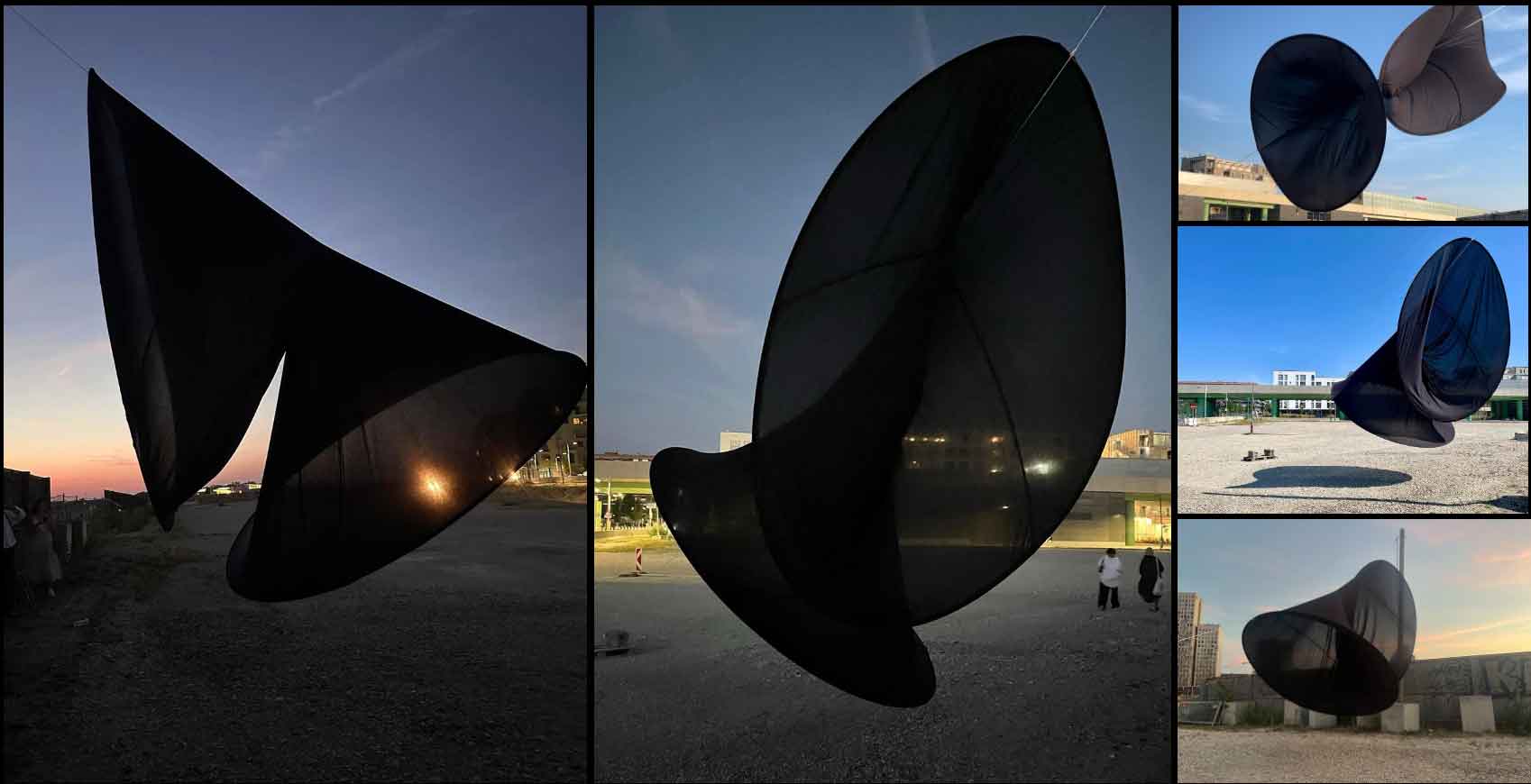
In the work Memorial. Anti-Monument, Vitalii Kokhan connected the landscapes of Seestadt near Aspern — once a site of Napoleonic battles — with those of present-day Ukraine, where battles continue today. A textile form stretched over a lightweight structure and animated by the wind takes on the shape of an hourglass — a metaphor for the flow of time, the fragile mechanisms of historical memory, and the endurance of cultural heritage.
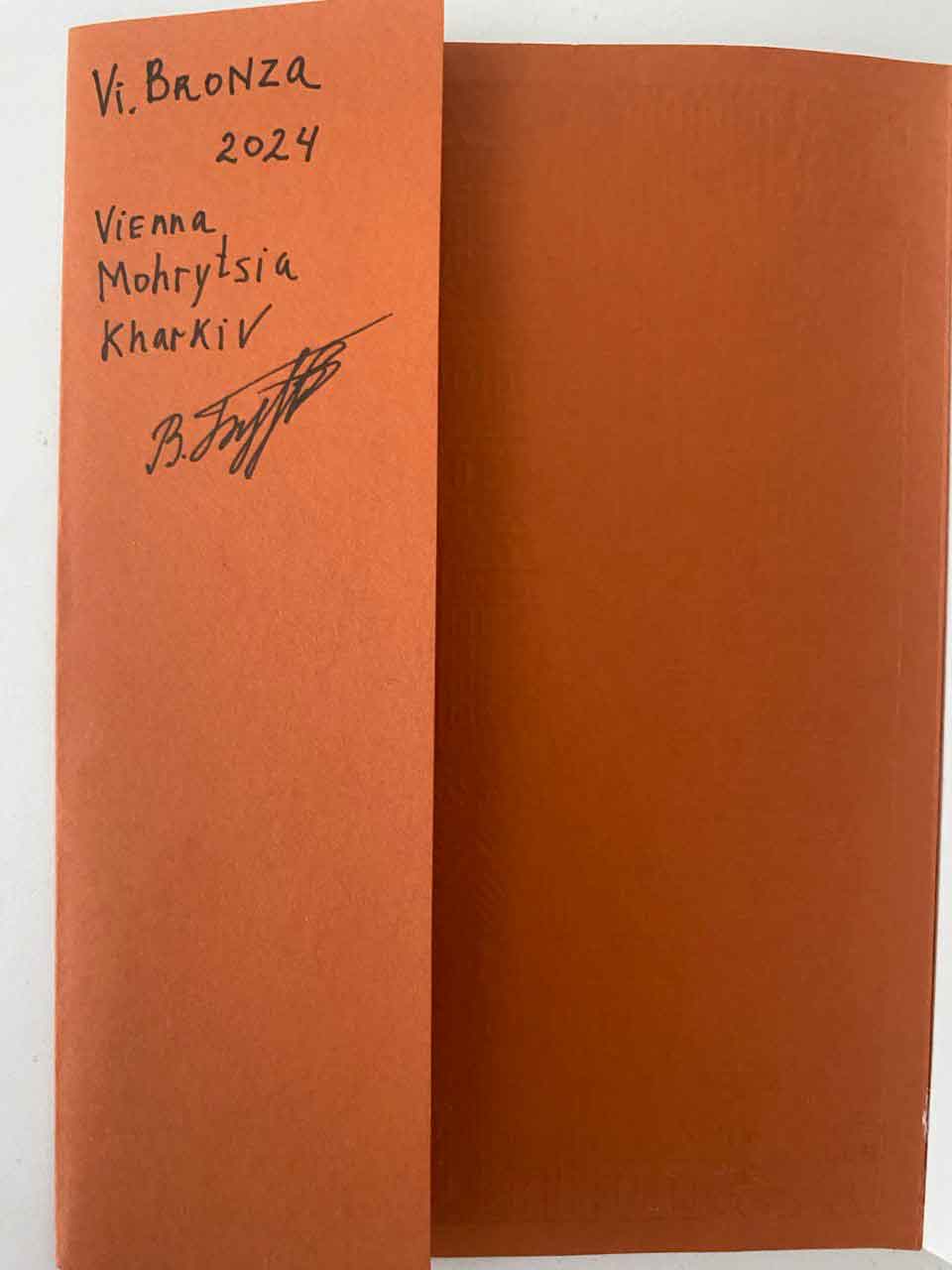
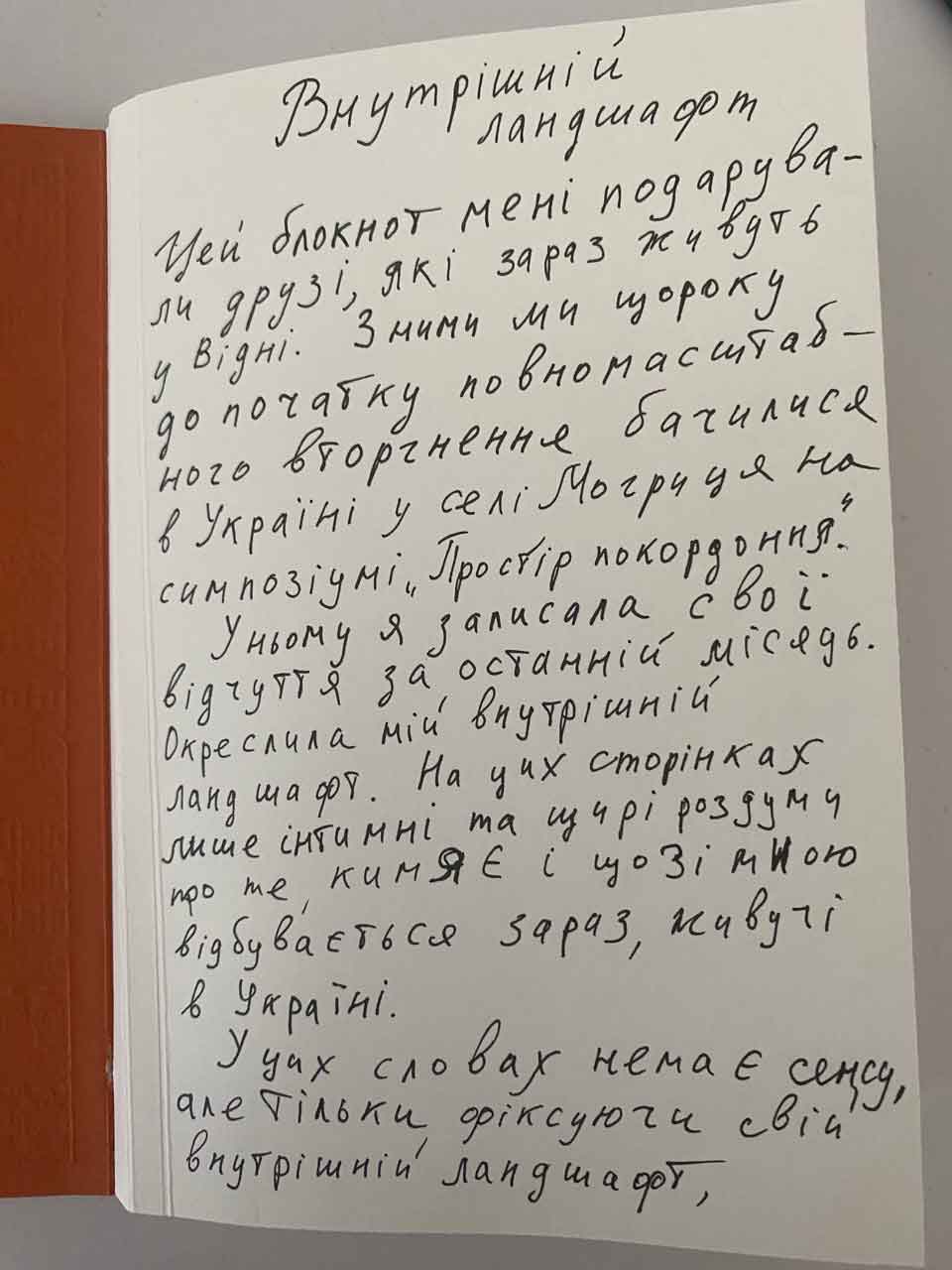
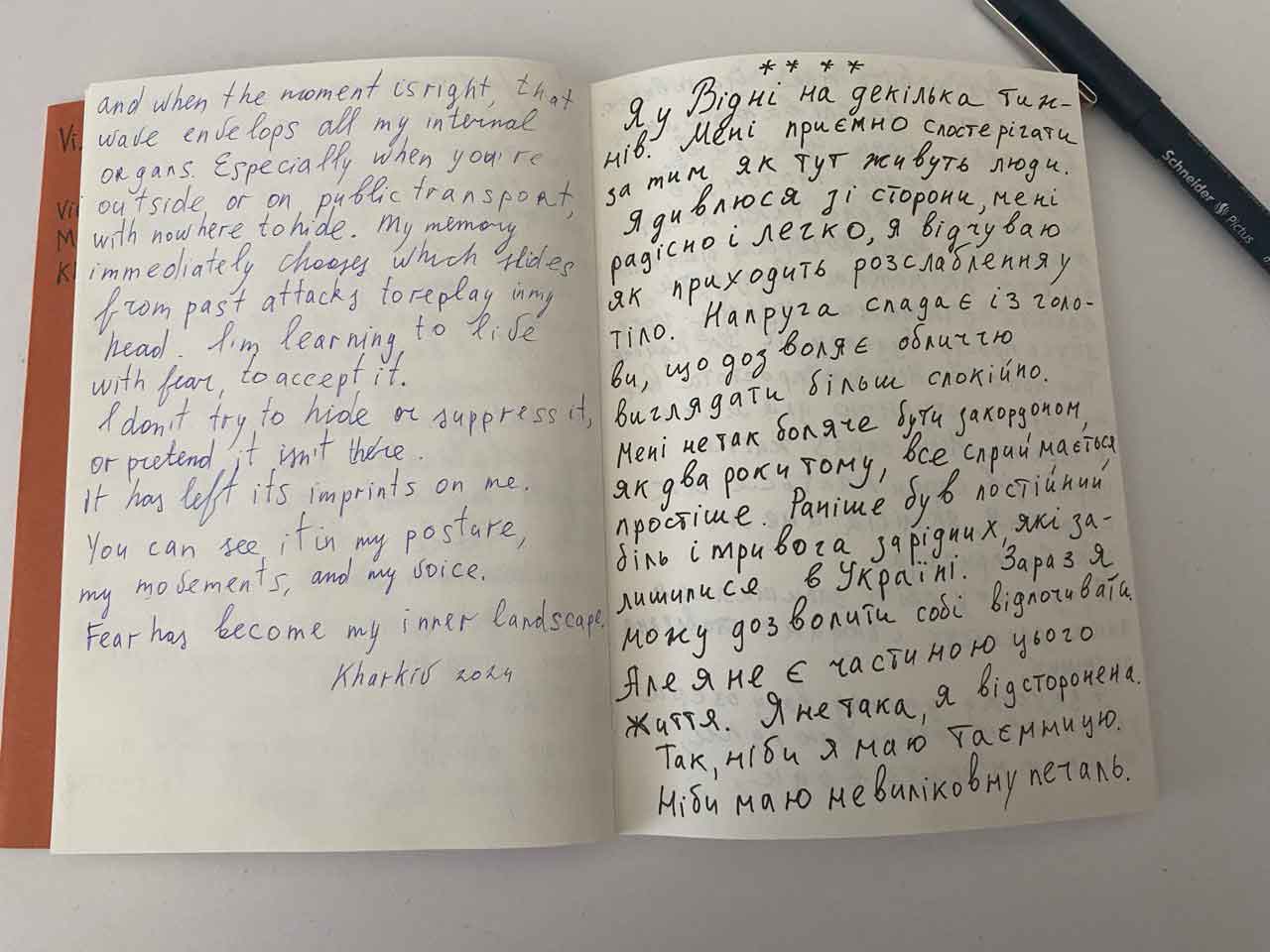
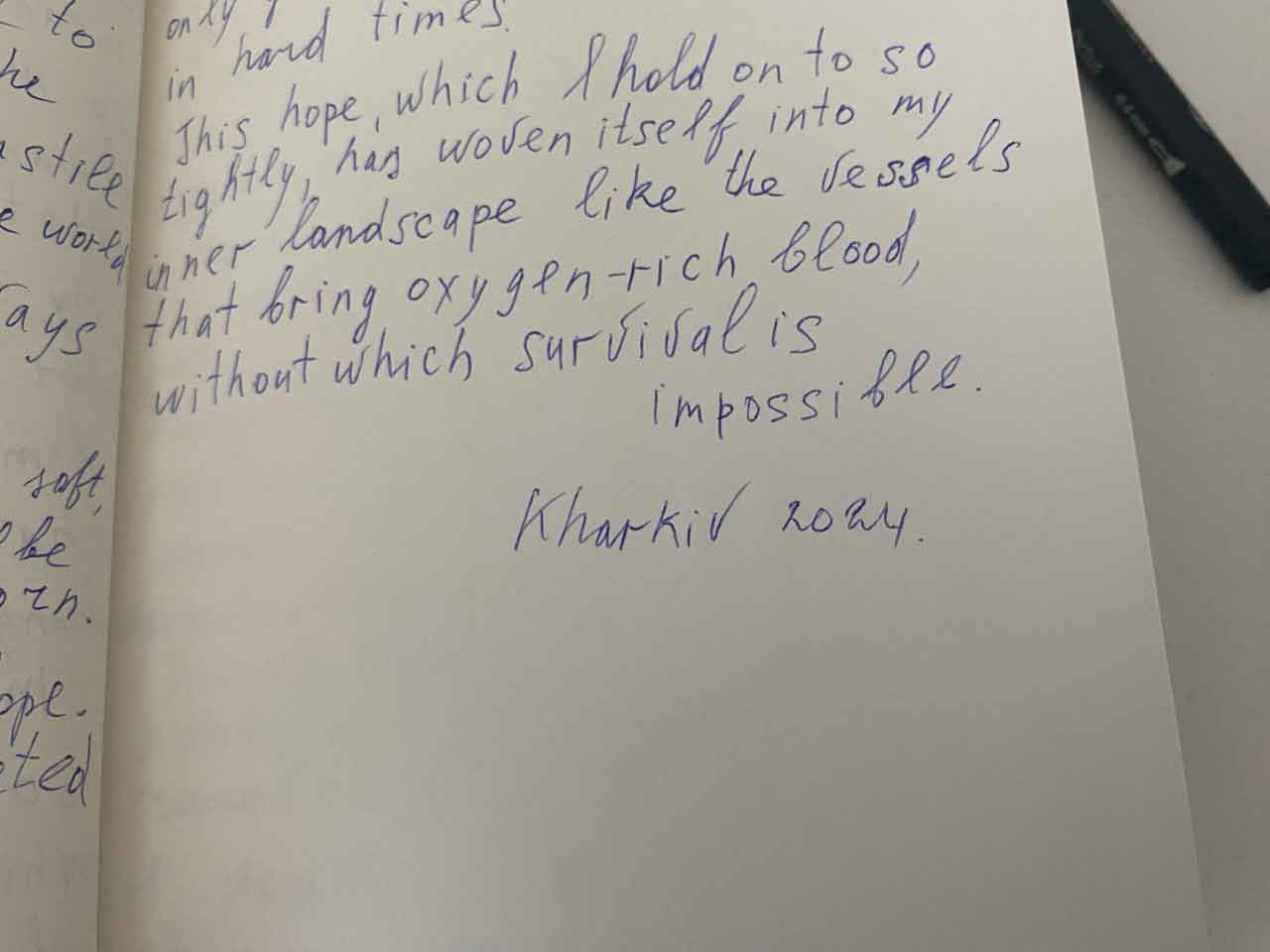
Viktoriia Bronza created an intimate space for dialogue between landscapes and people — a notebook in which visitors could leave notes about their inner landscapes. The first entry was Viktoriia’s own deeply moving reflection on life in Kharkiv during the war.
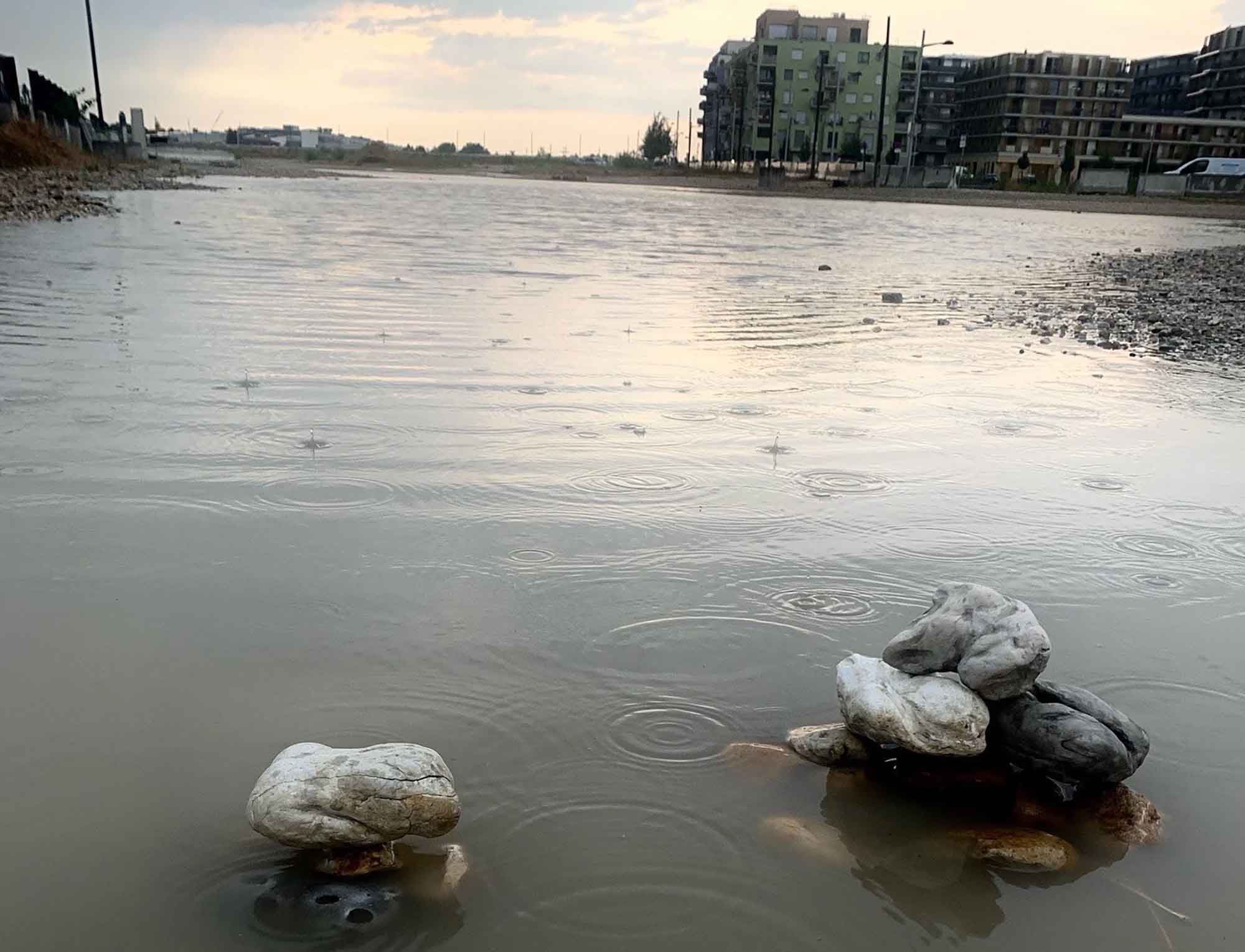
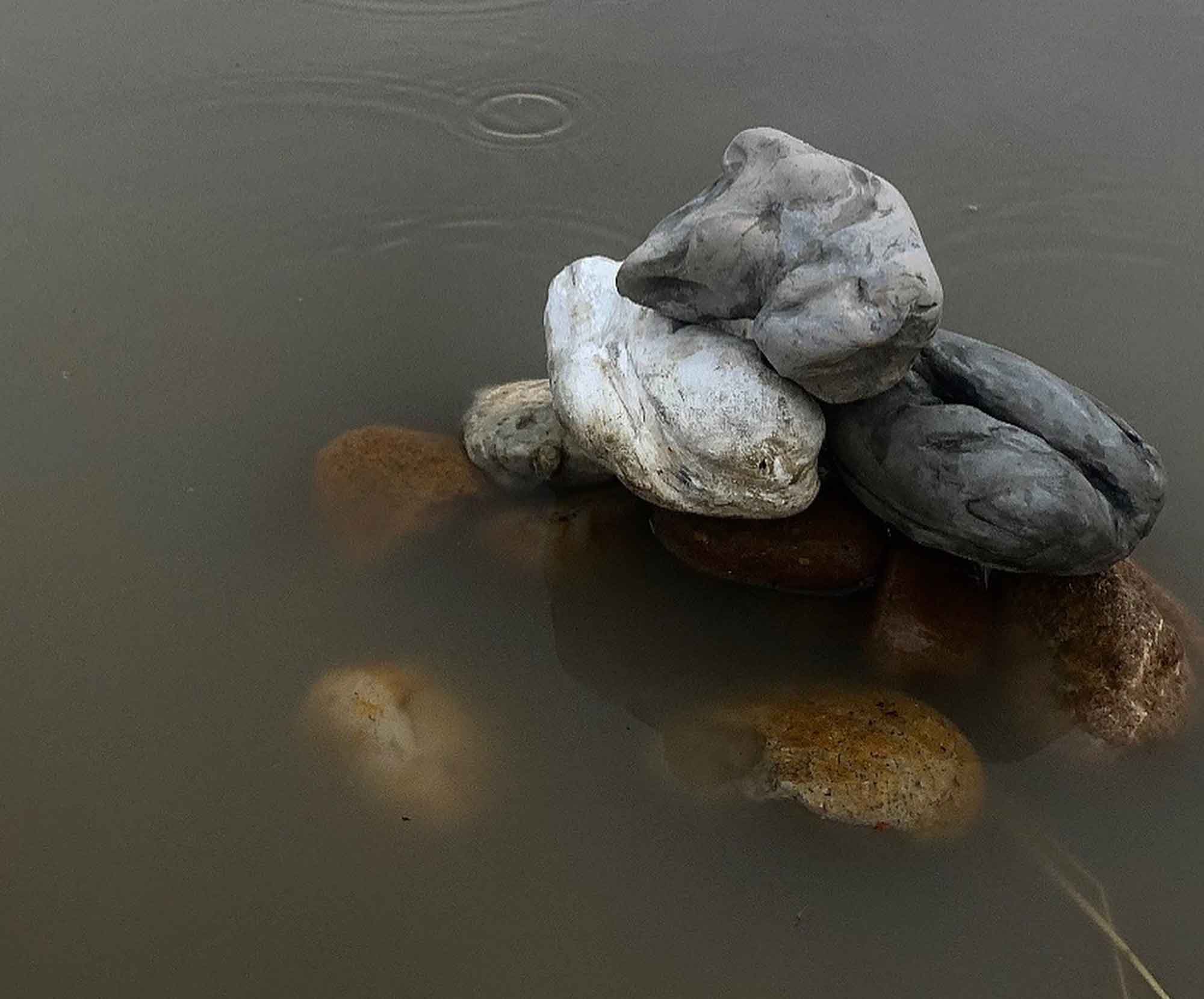
Natalia Matsenko produced video notes about the connection between the waters of the Psel River in Mohrytsia and the lake in Seestadt, while also documenting the creation of Anna Gidora’s monumental work.
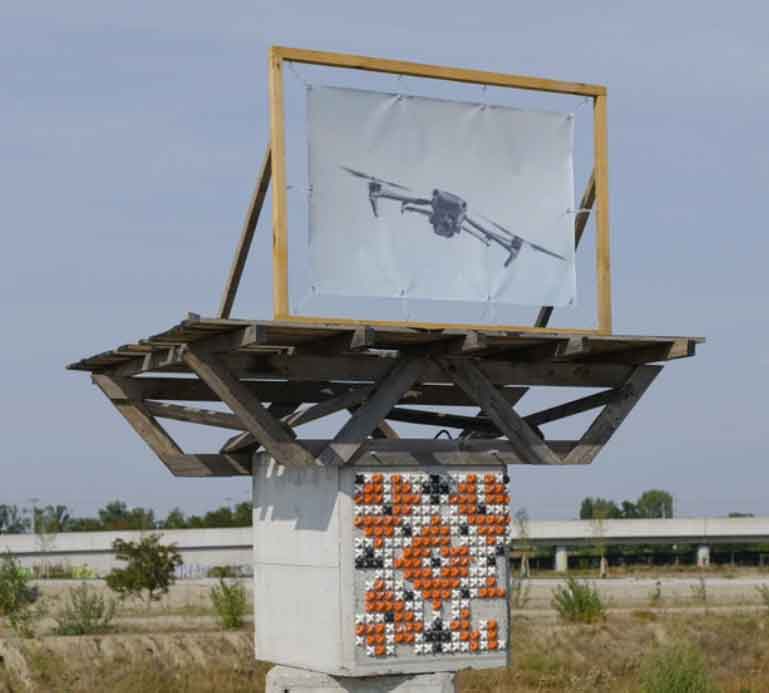
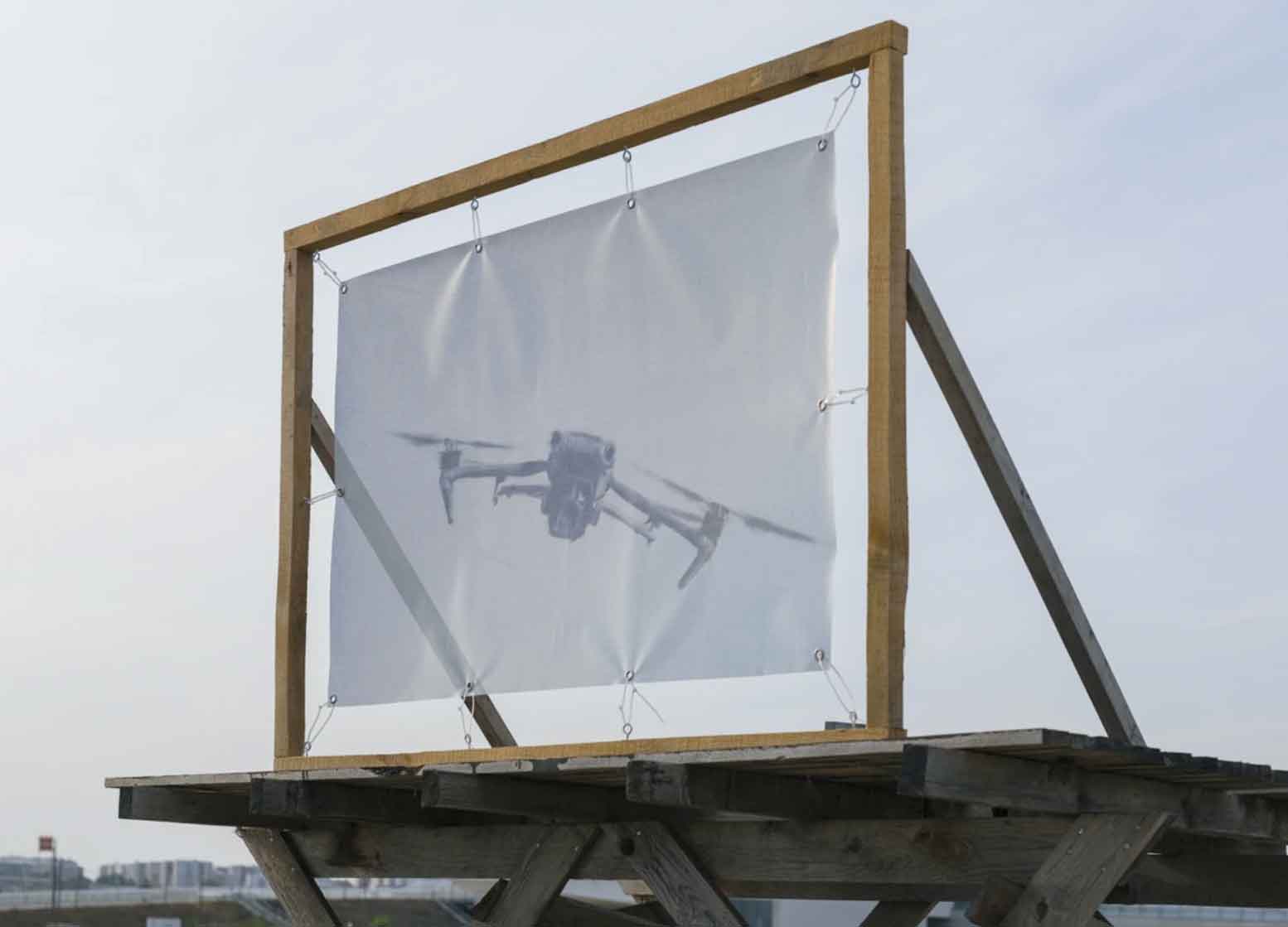
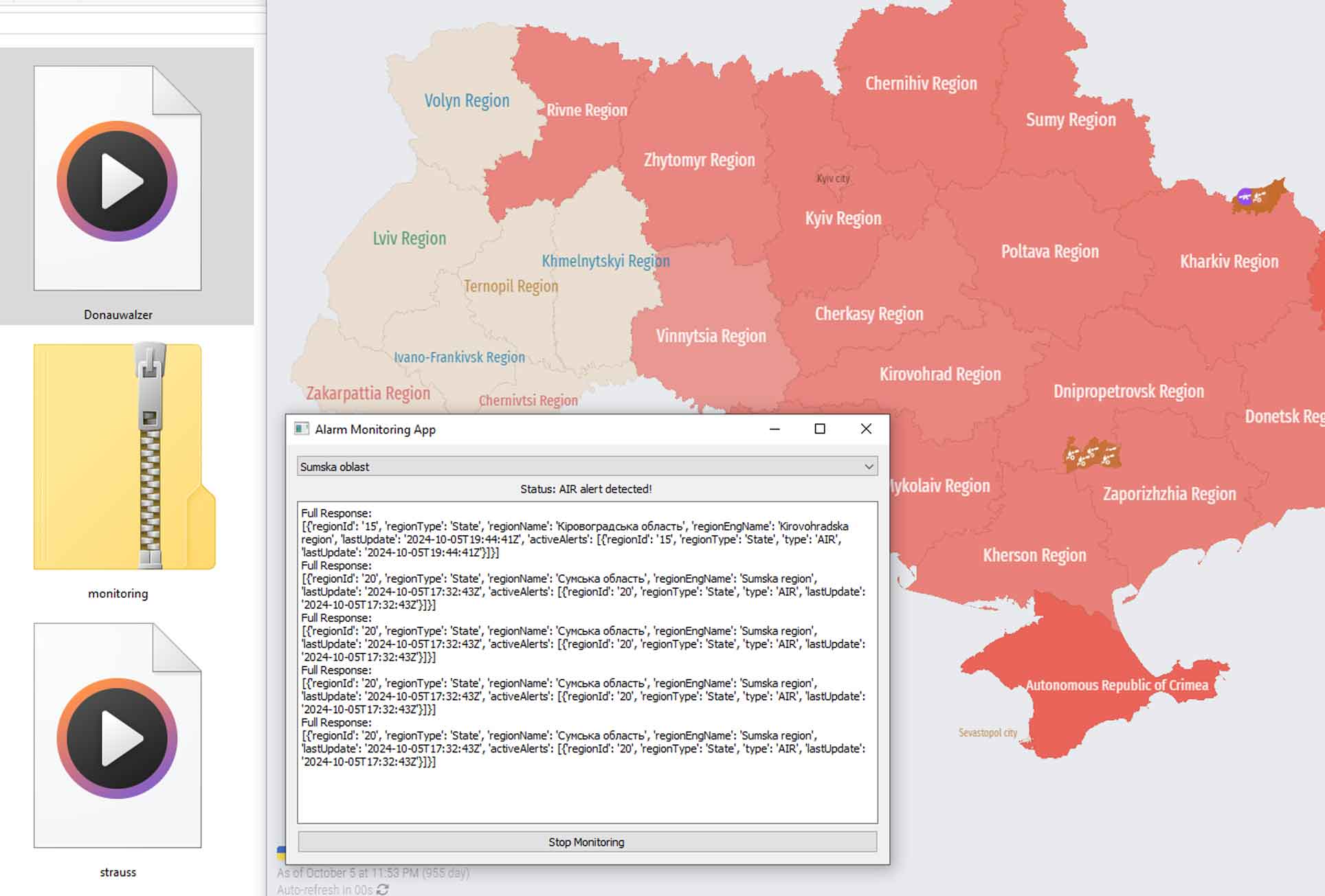
Austrian artists also joined the dialogue with their Ukrainian colleagues. Some reflected on Mohrytsia and the condition of its landscape without ever having visited the place themselves. One of the project’s curators, Reinhold Zisser, created the work Danube Waltz: in Seestadt, the melody of the famous waltz was played through loudspeakers every time an air-raid siren was activated in the Sumy Oblast region, where Mohrytsia is located.