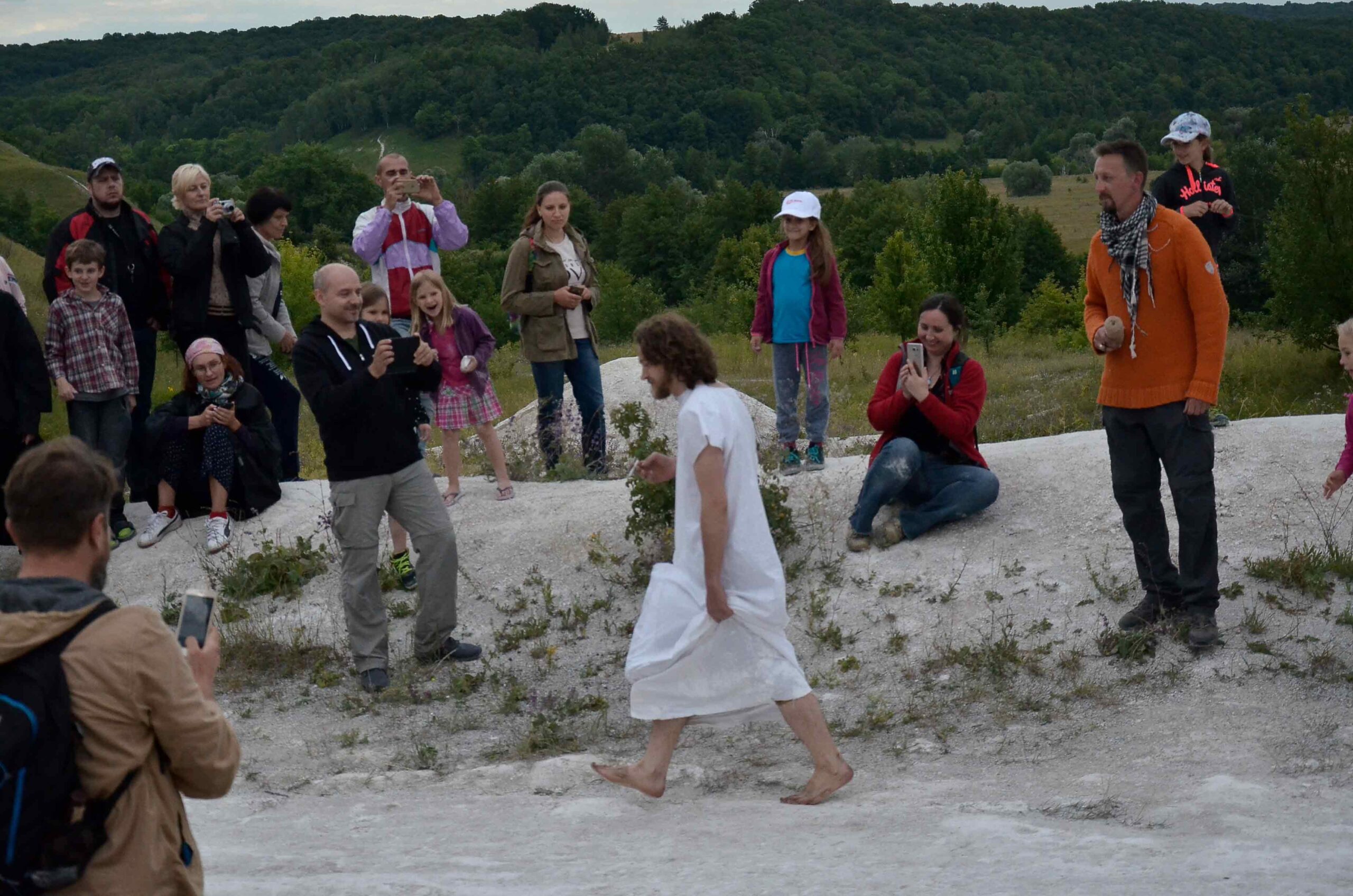
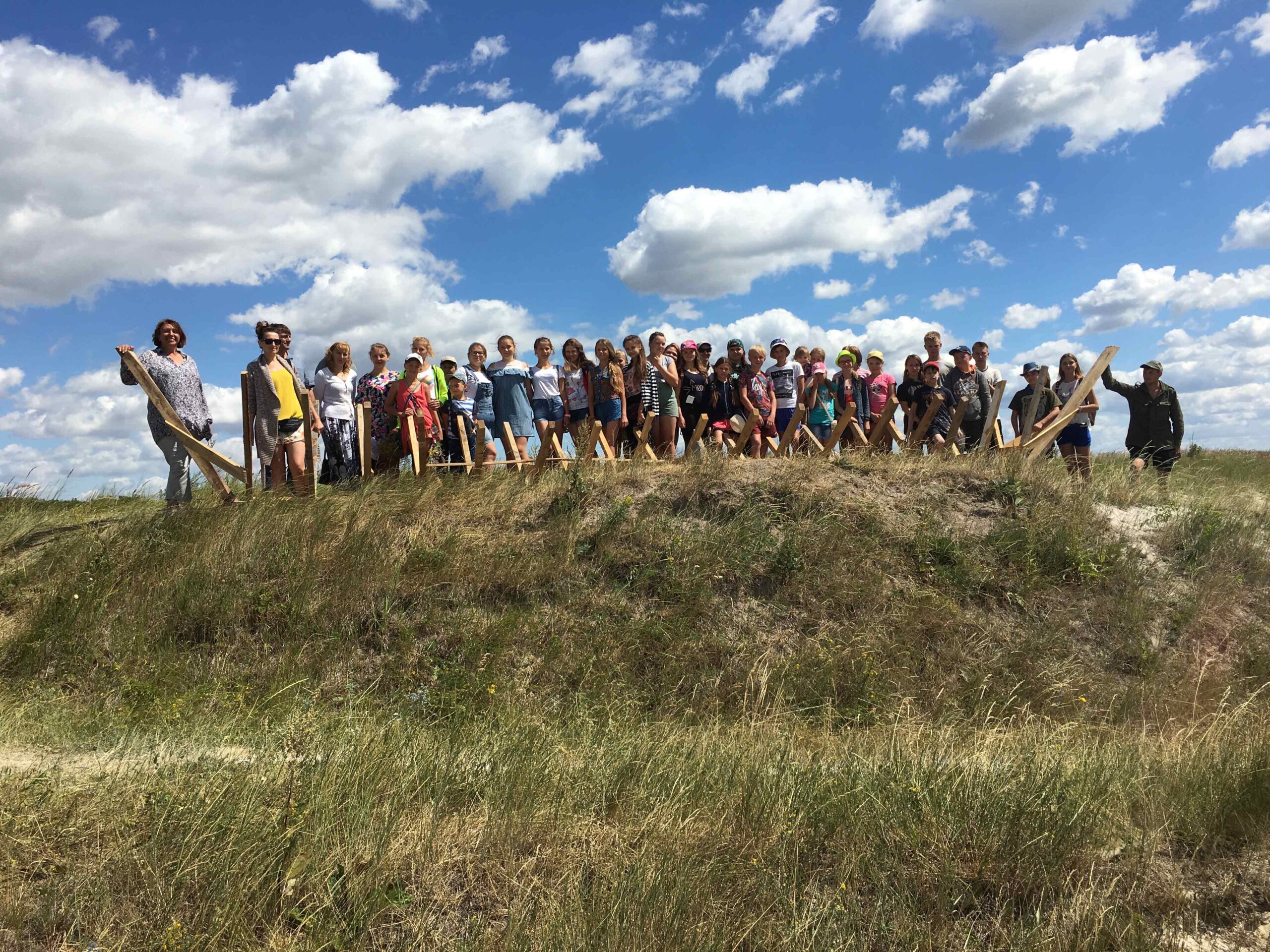
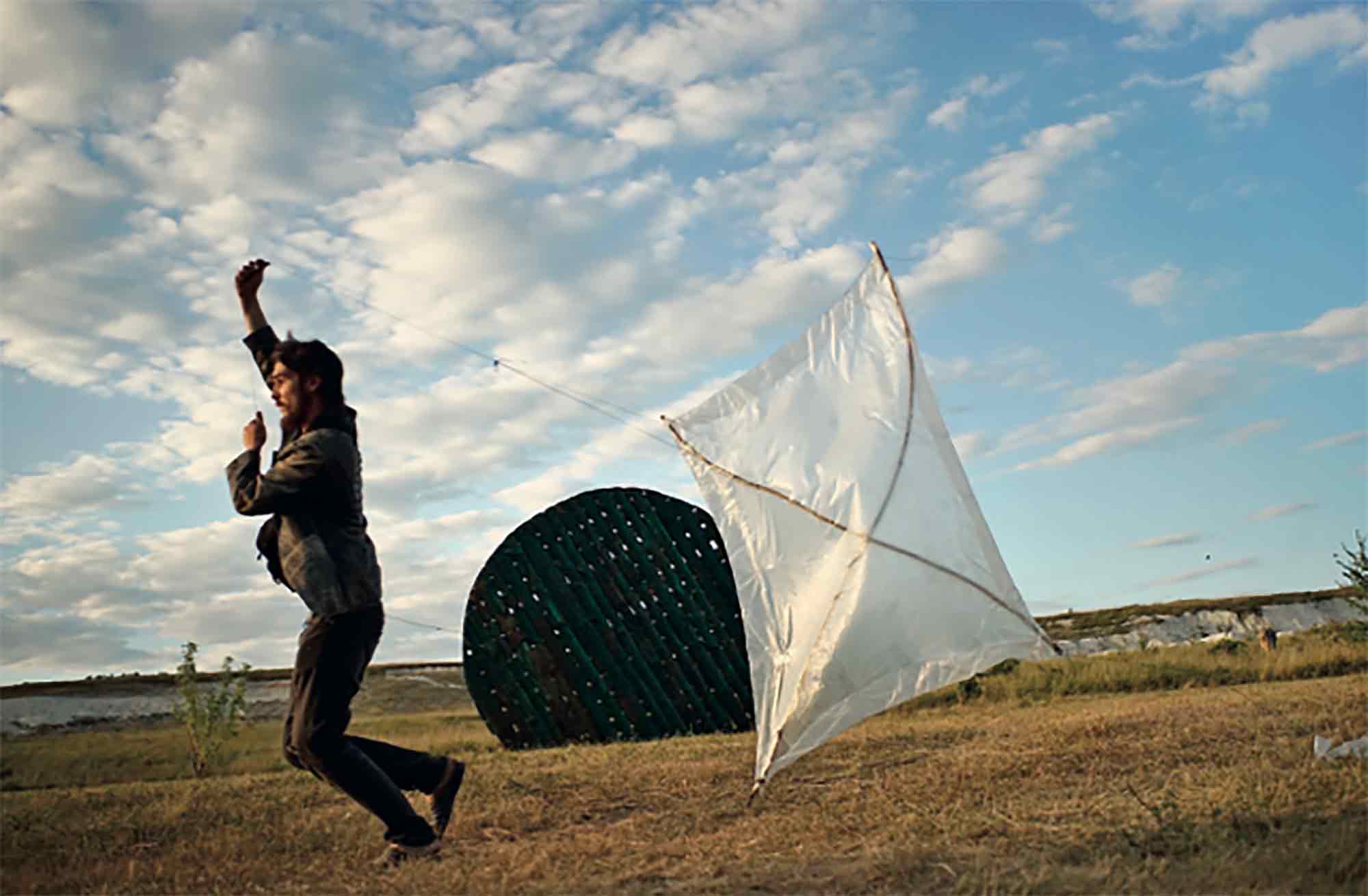
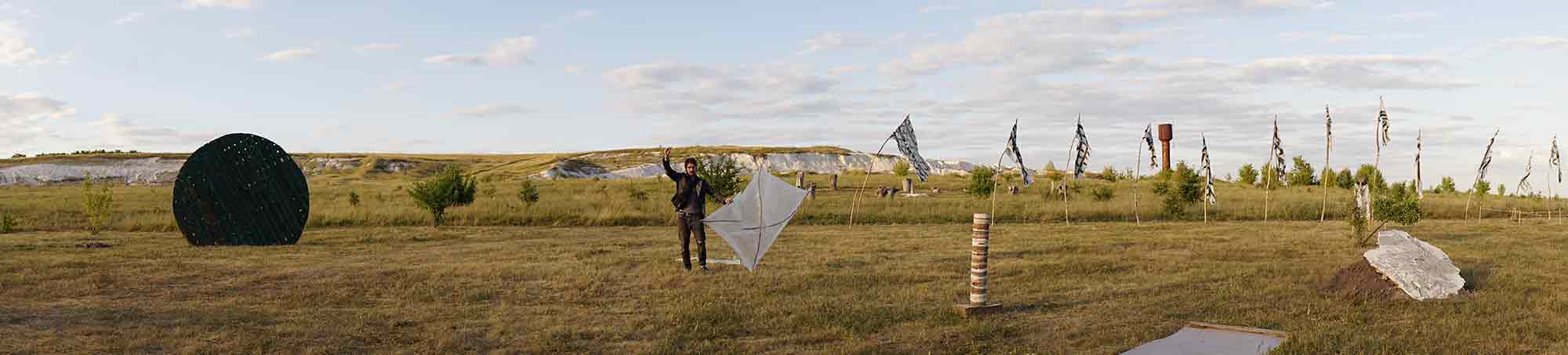
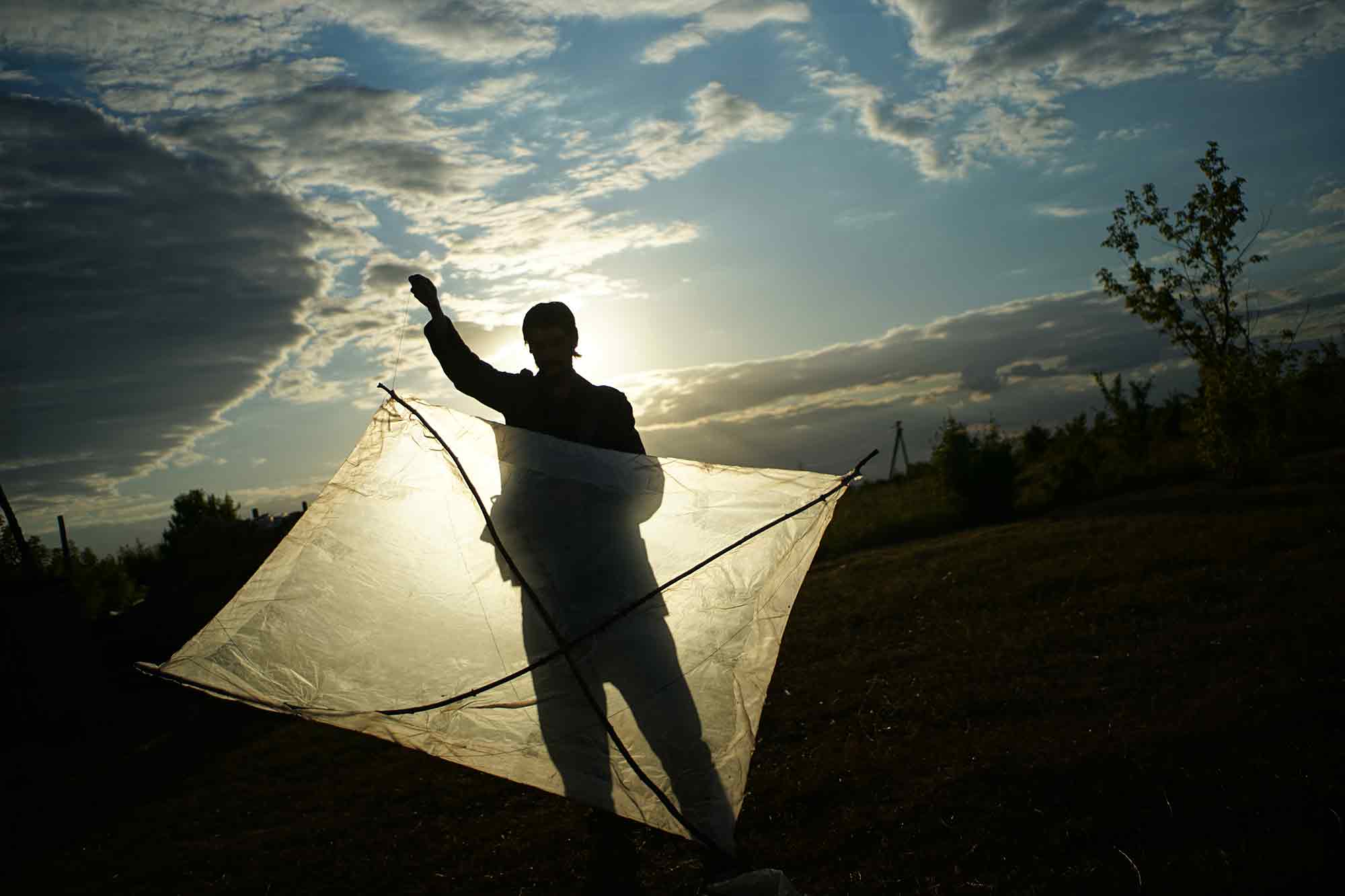
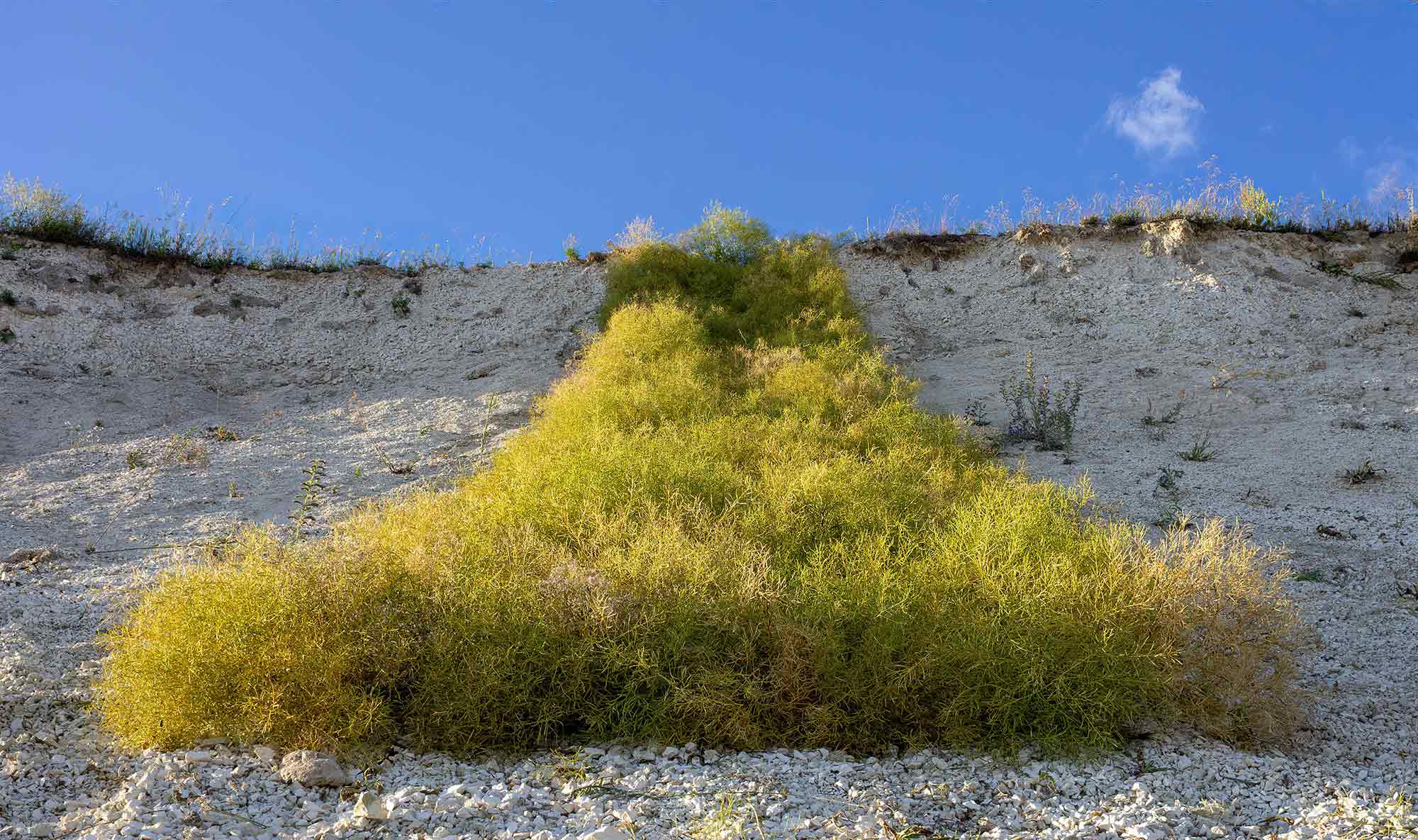
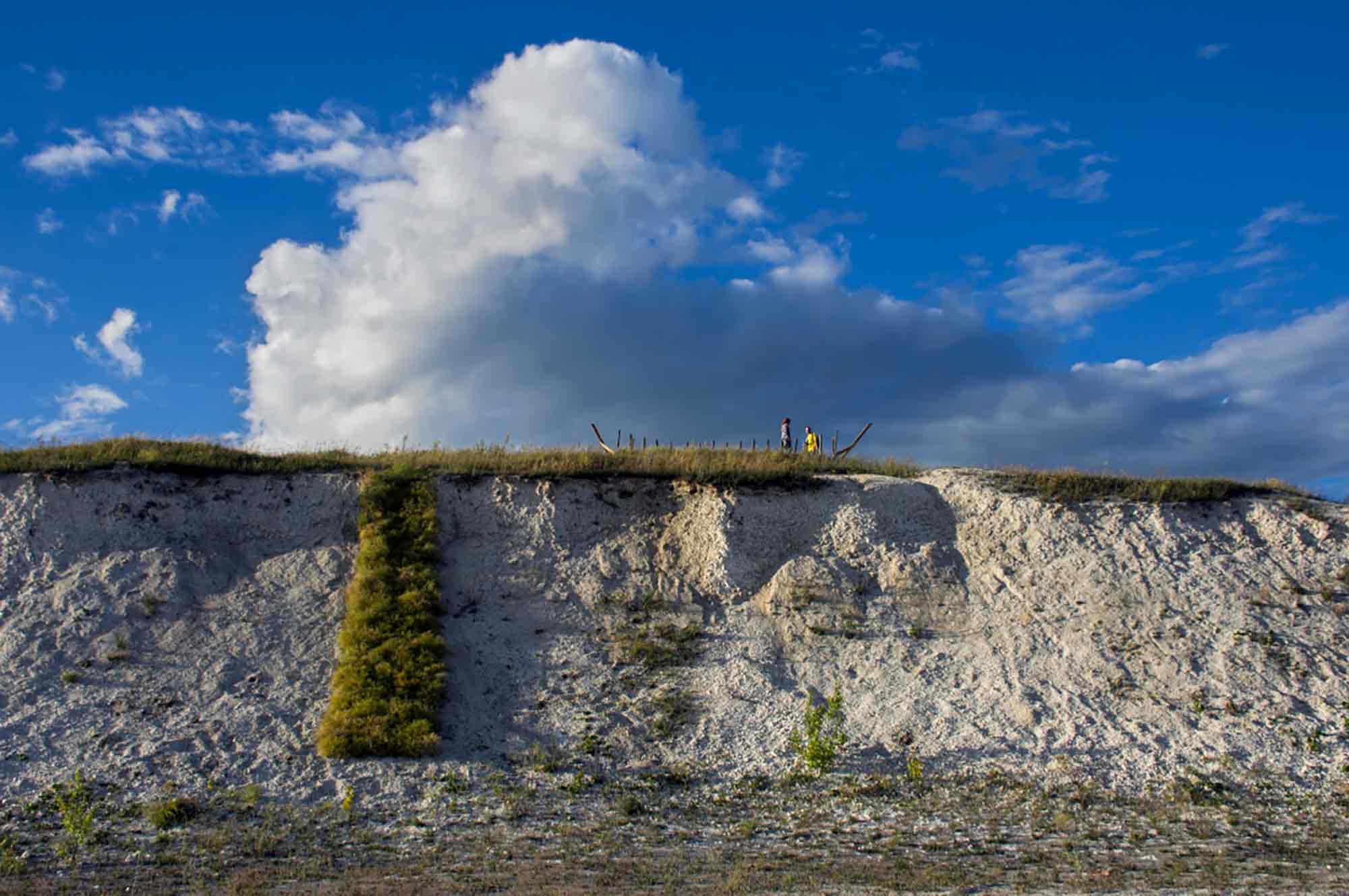
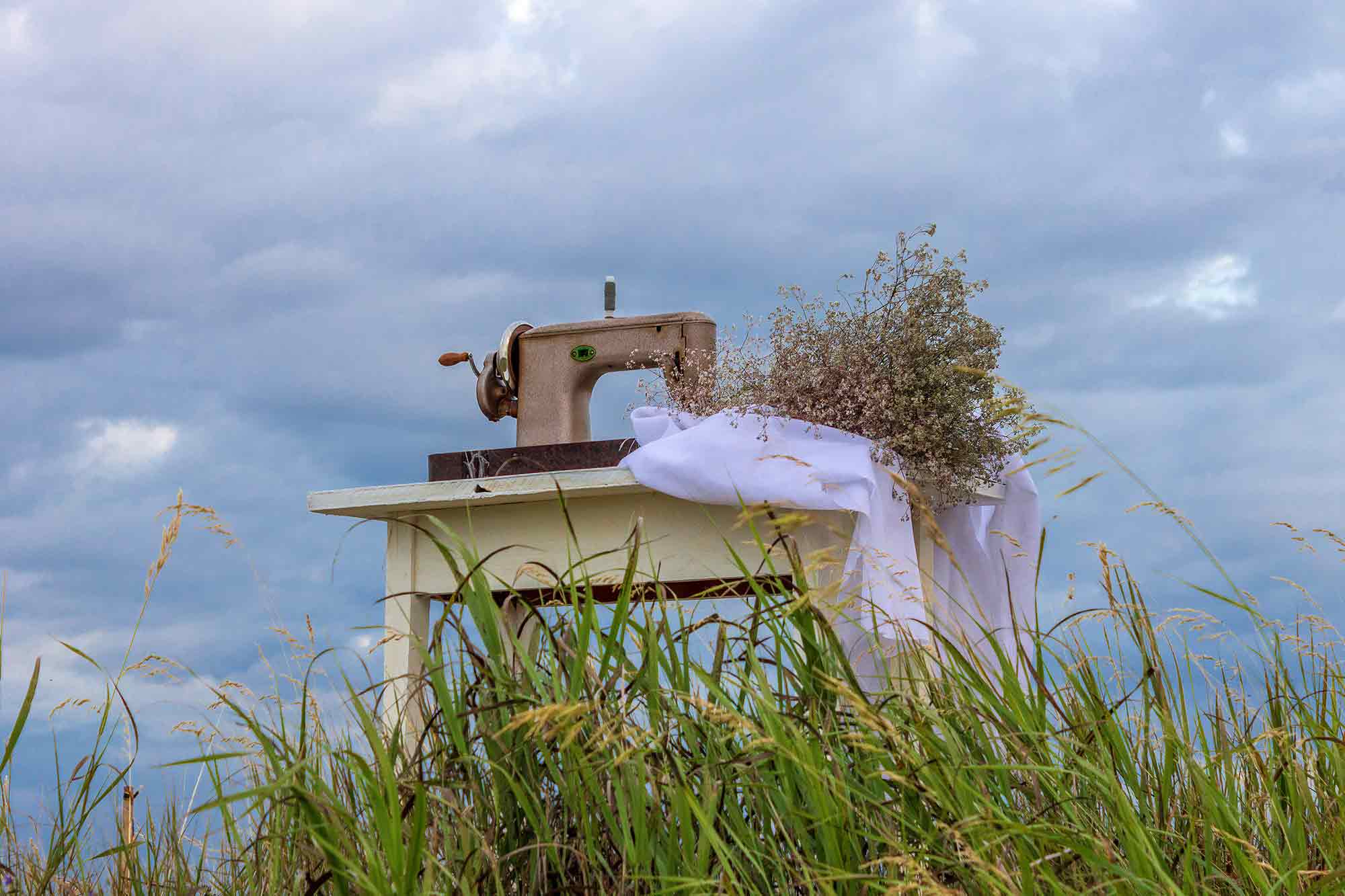
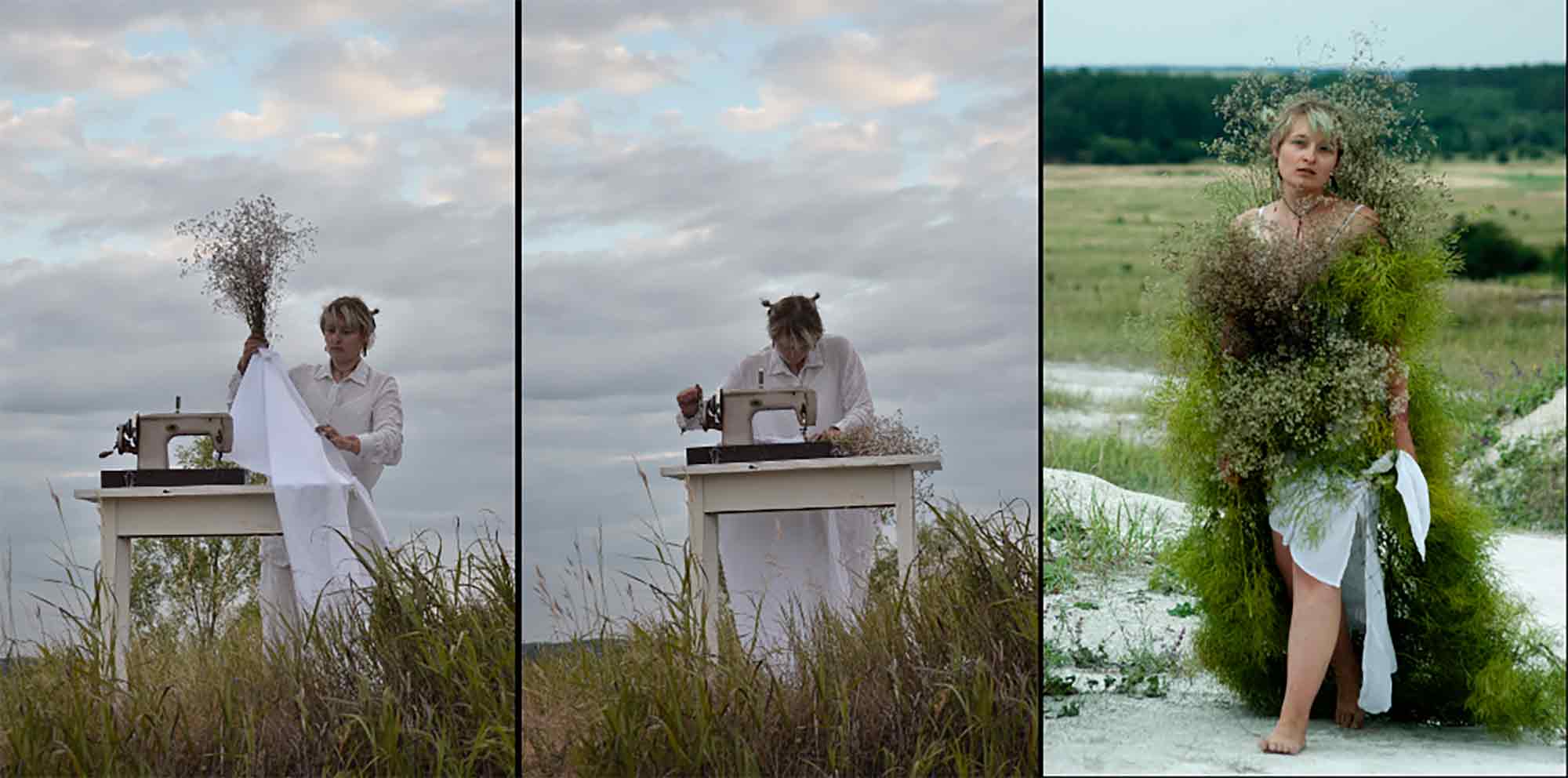
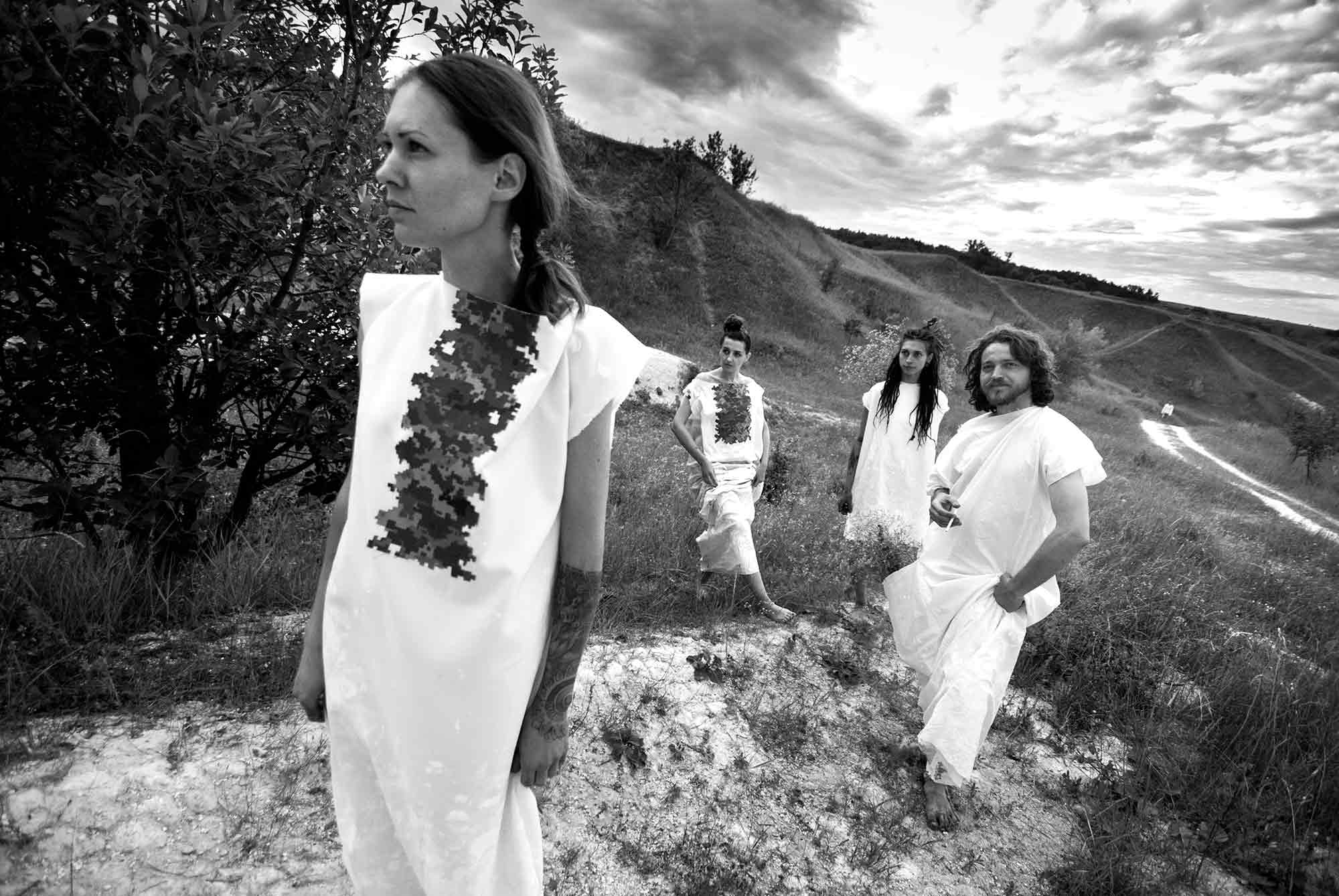
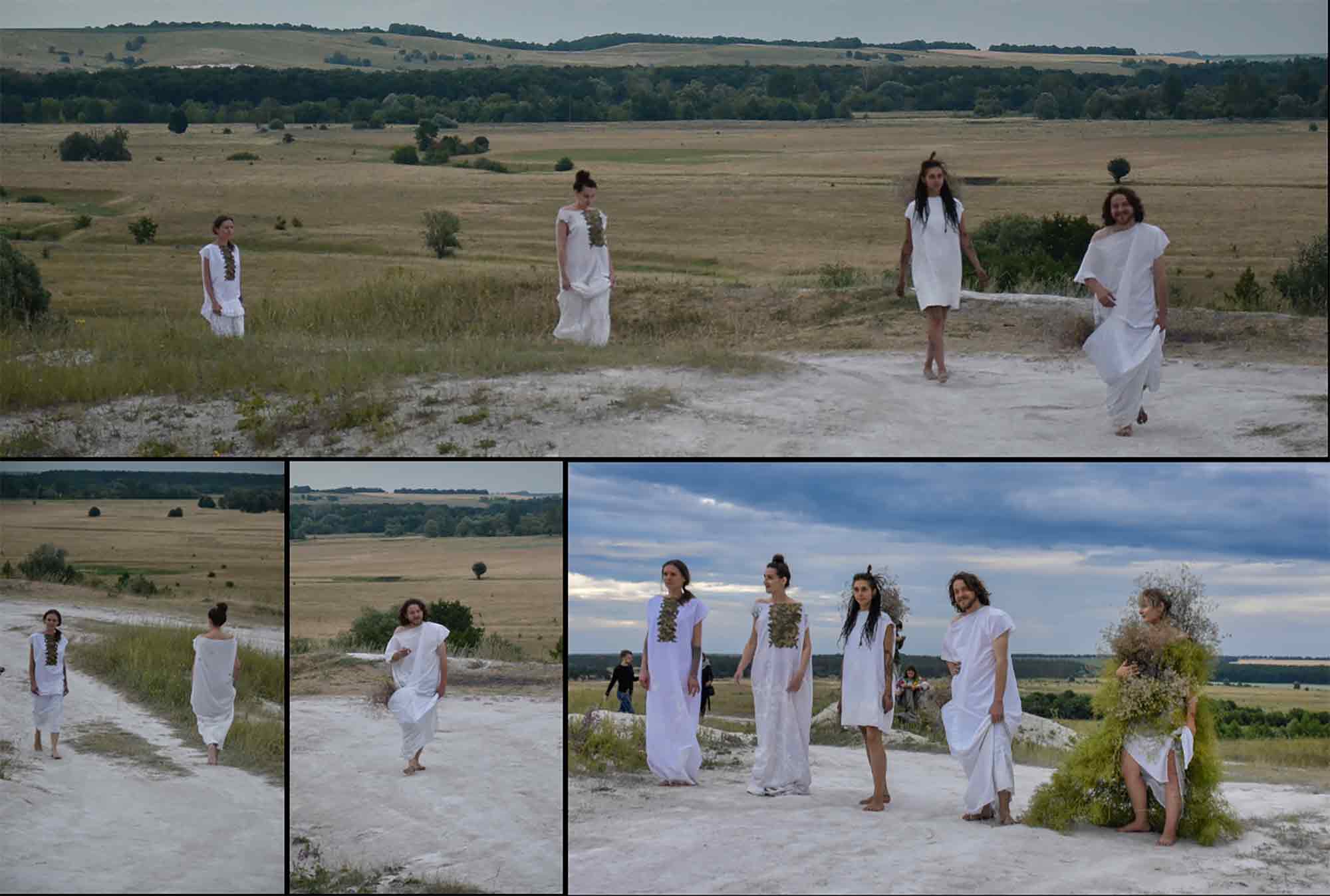
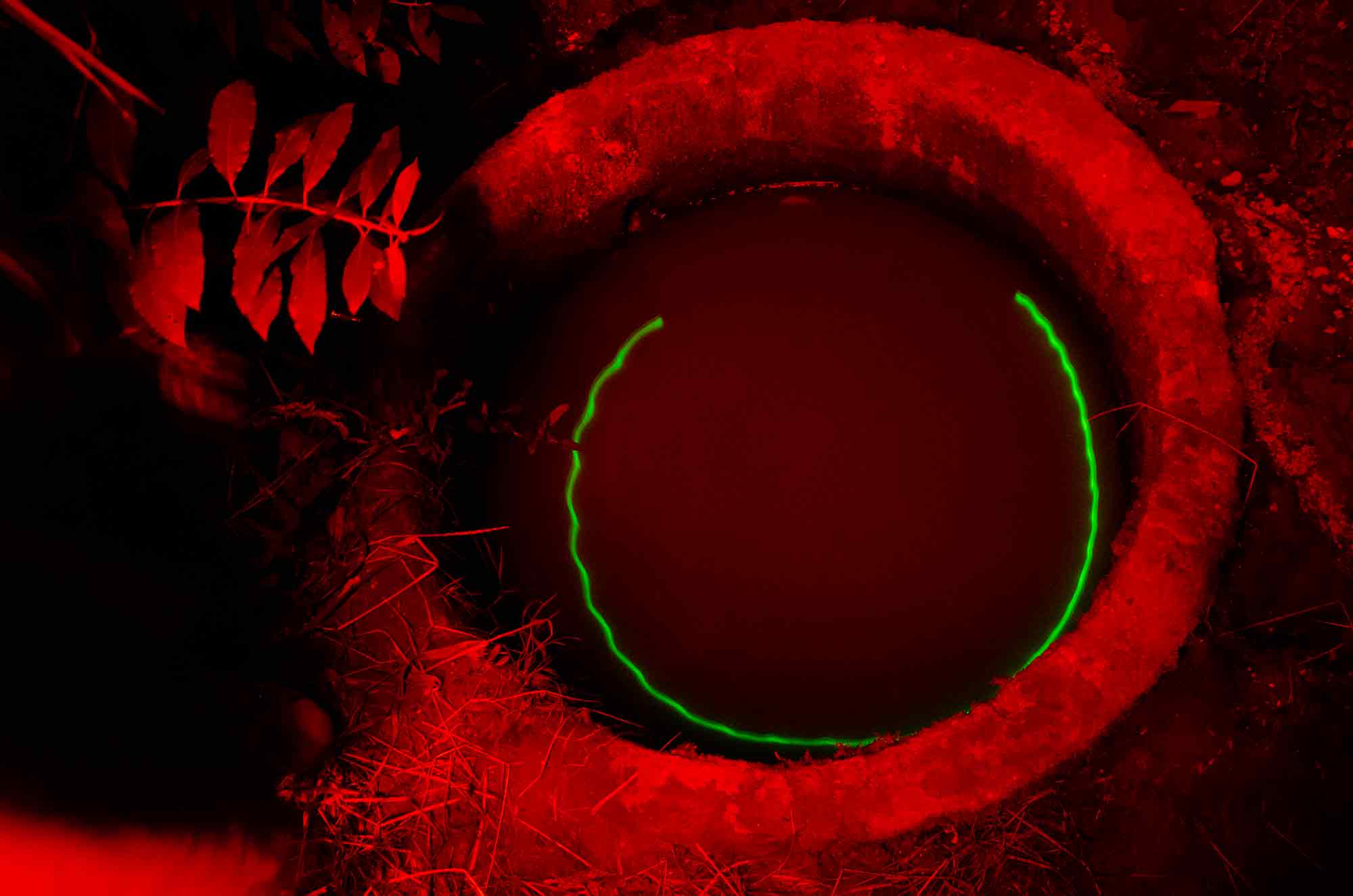
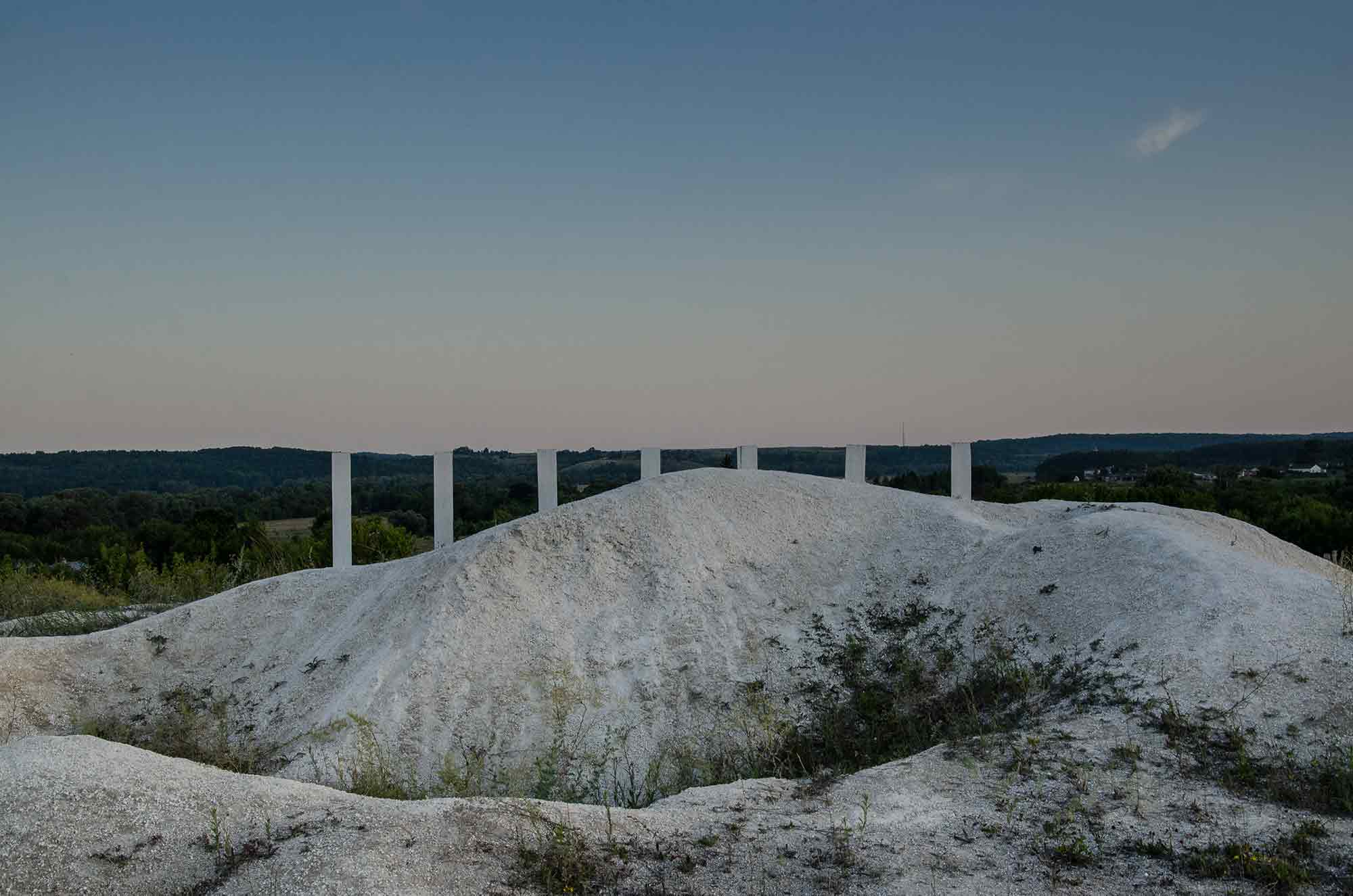
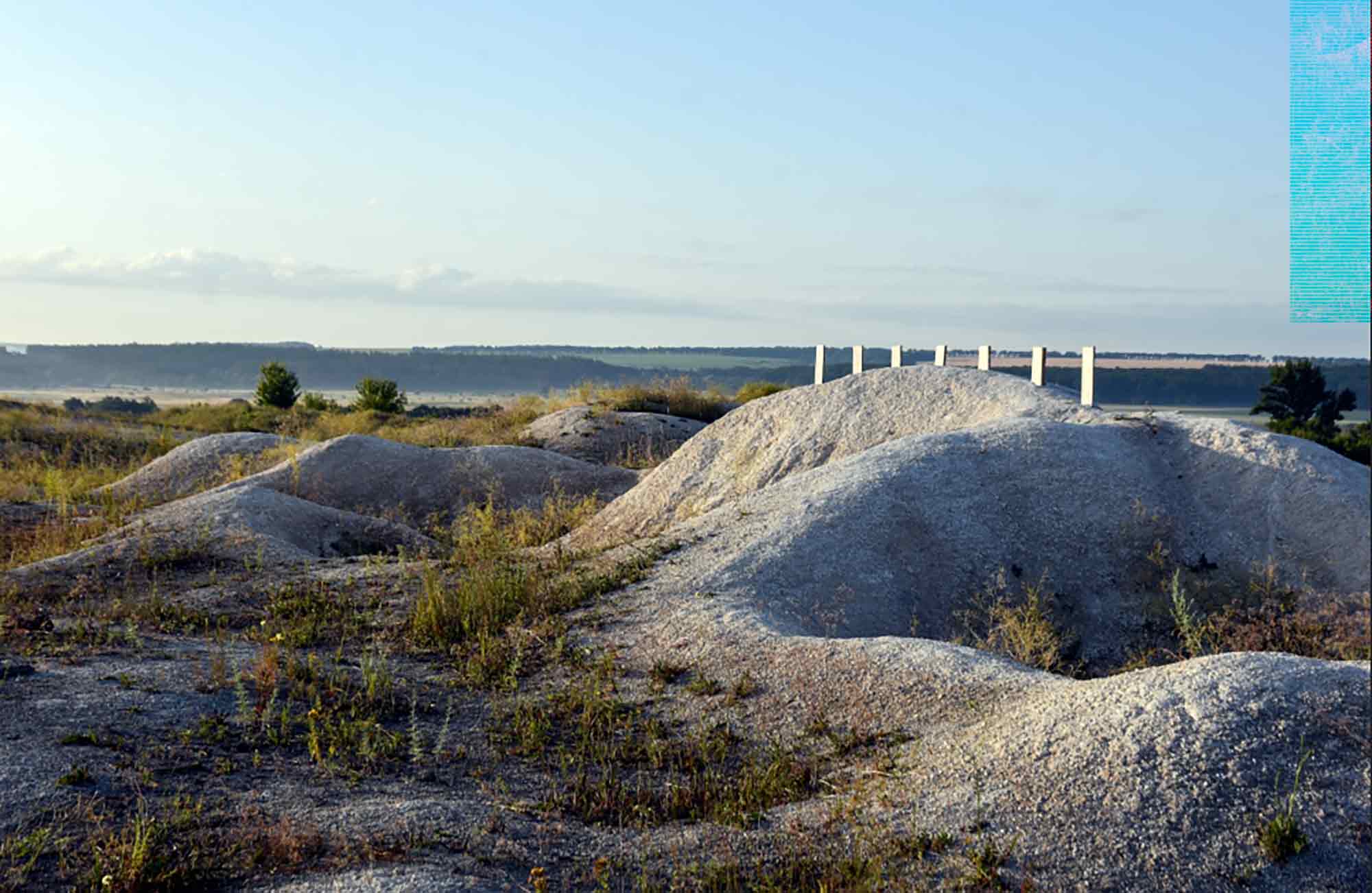
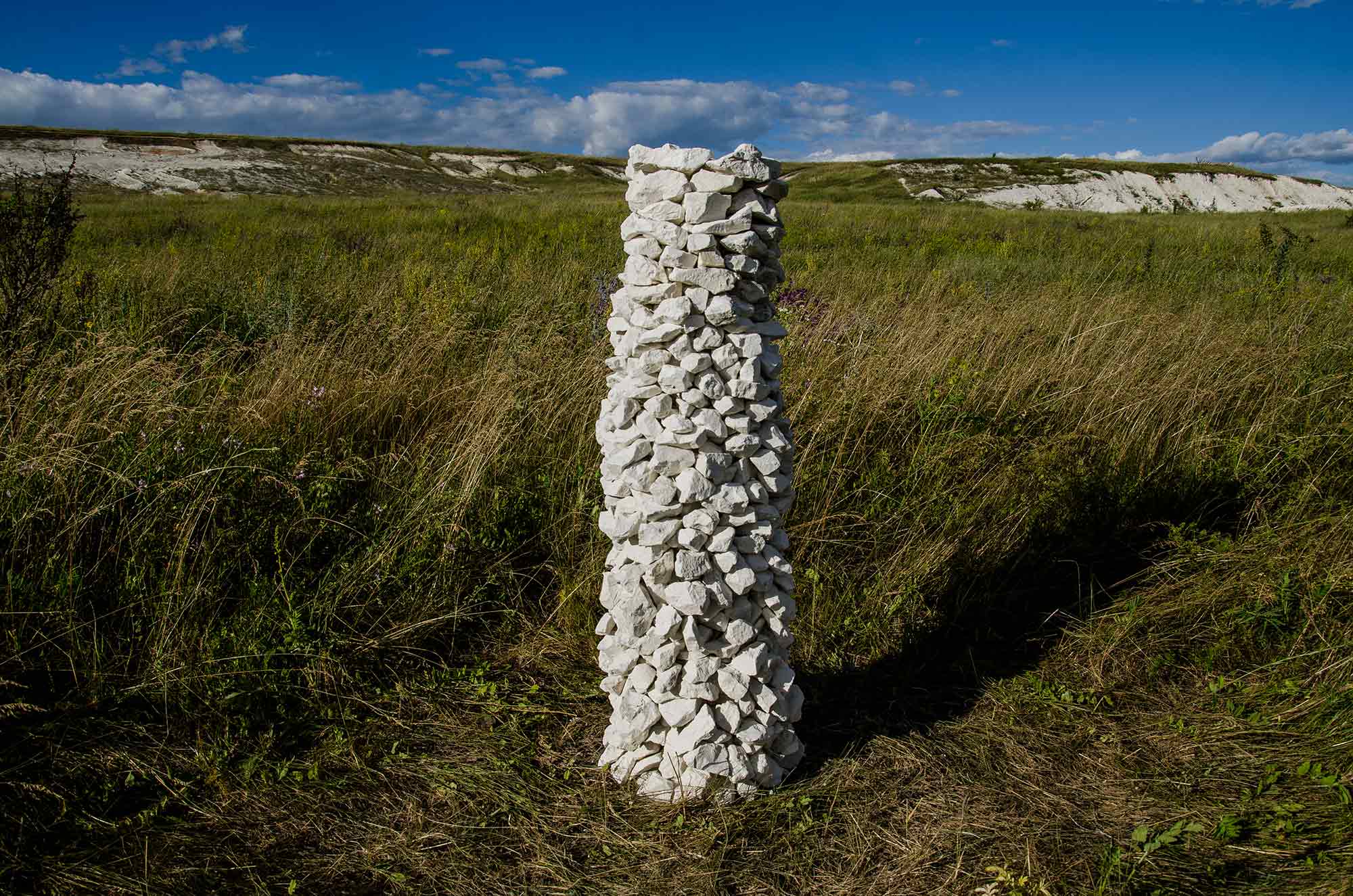
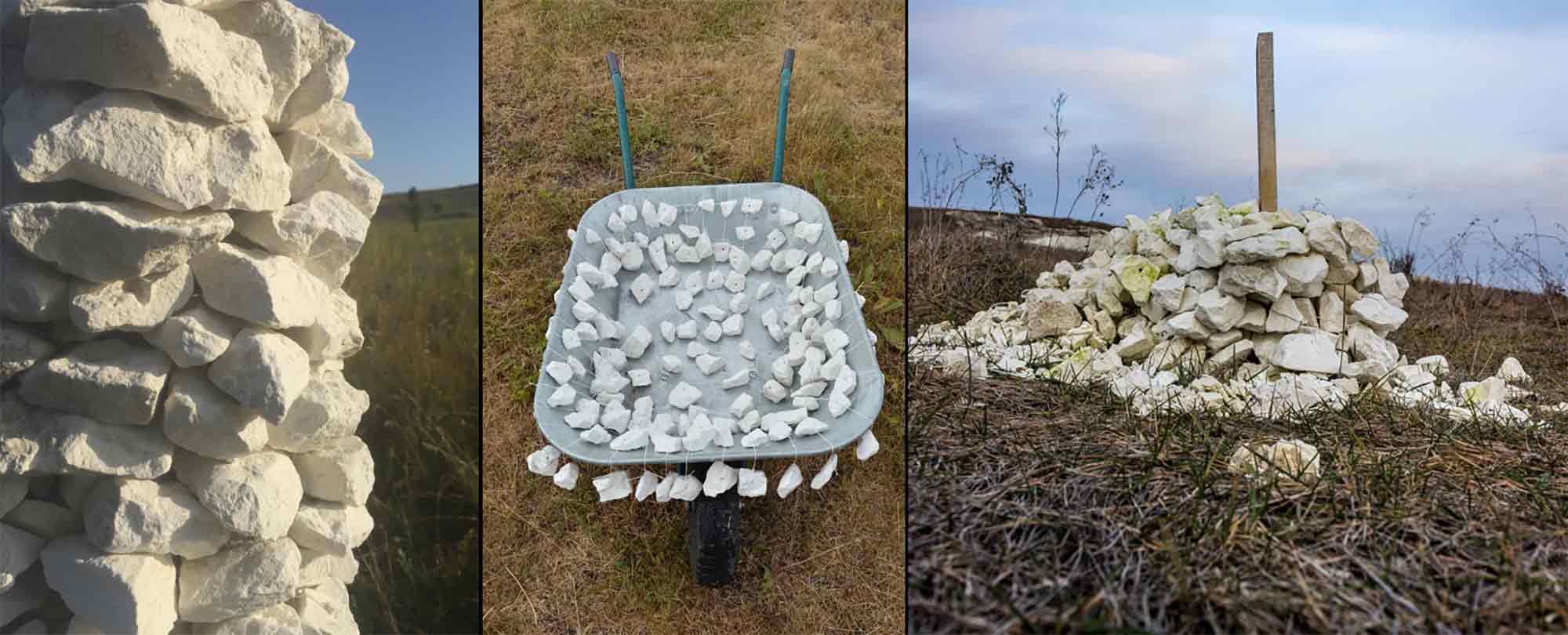
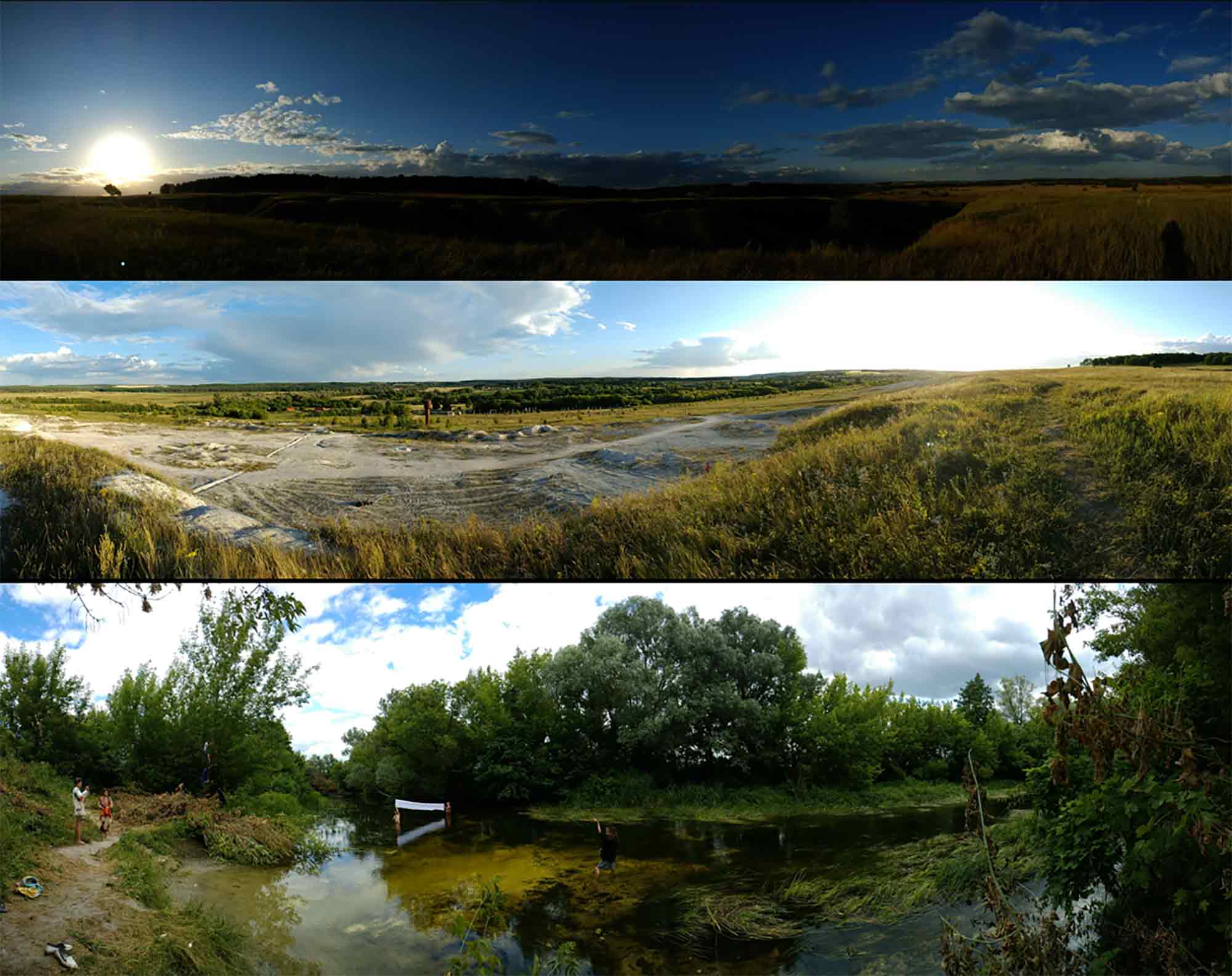
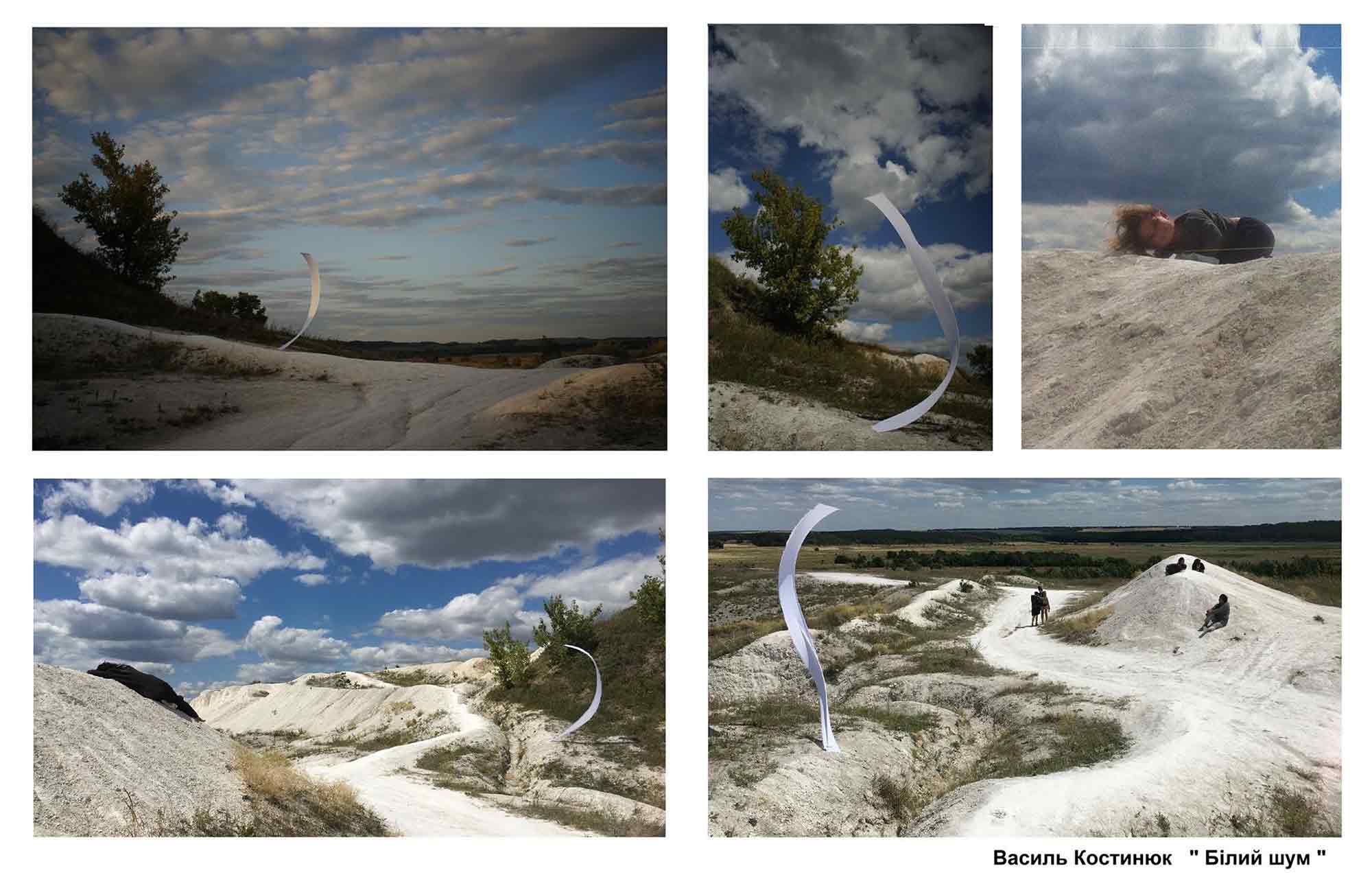
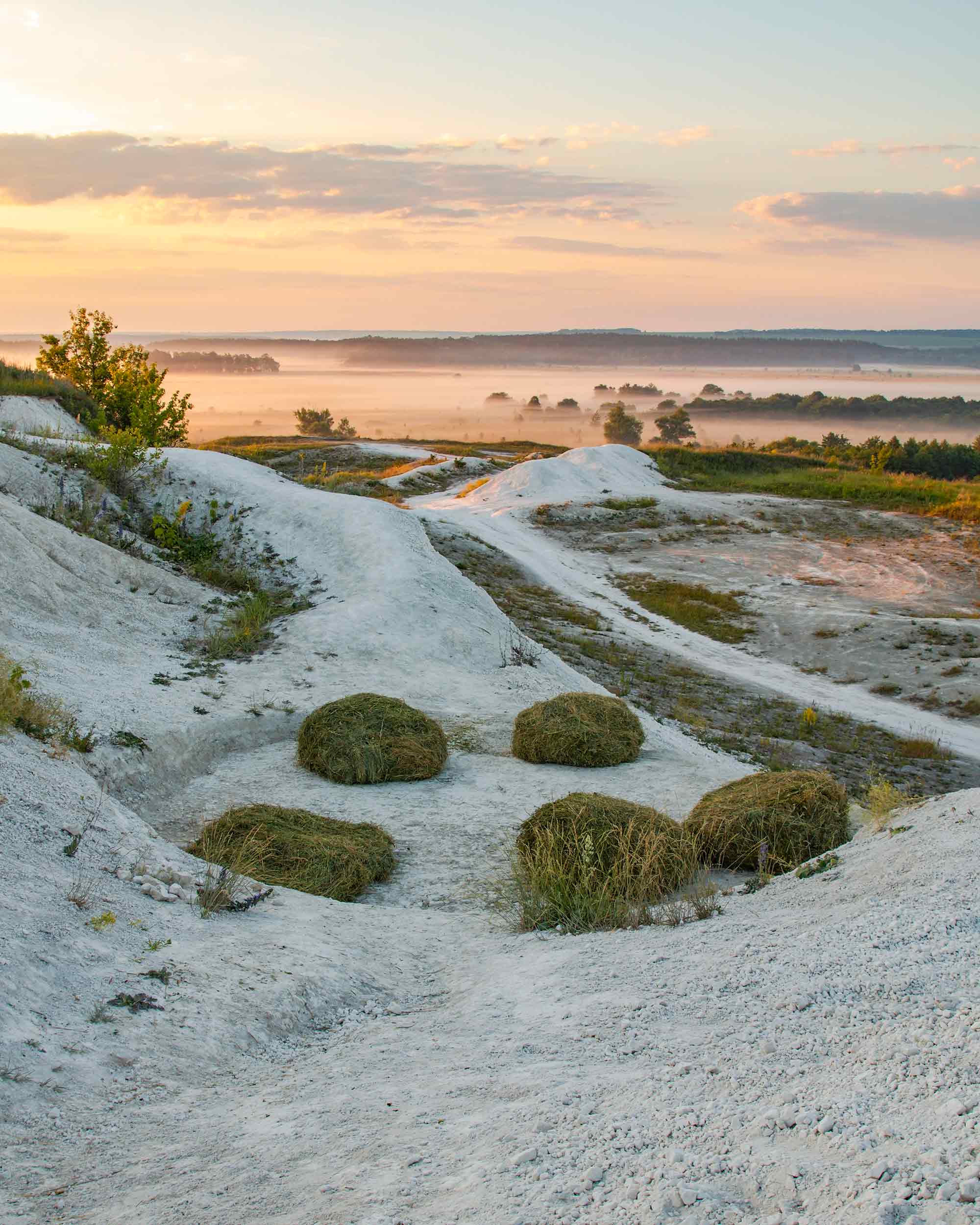
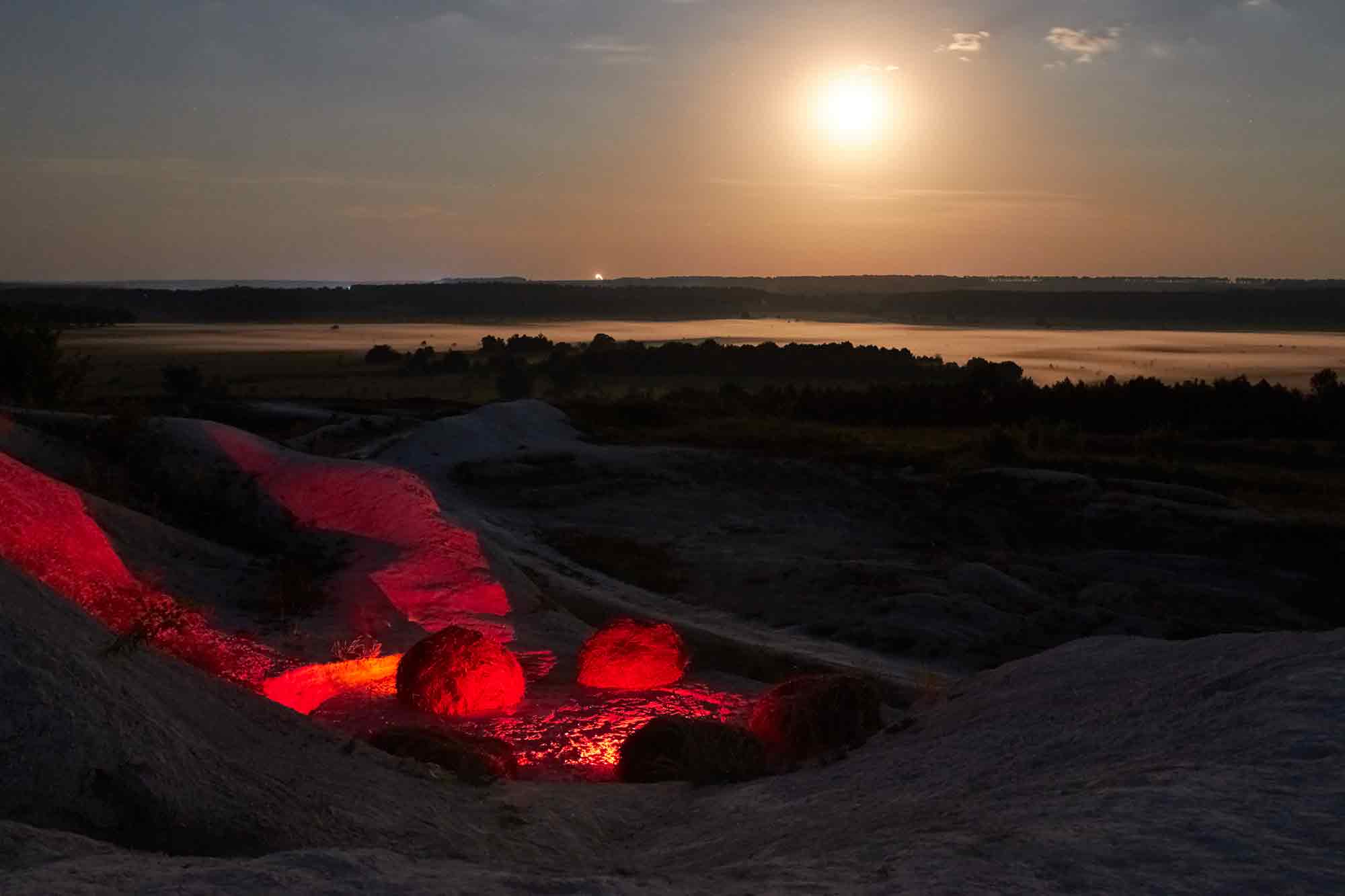
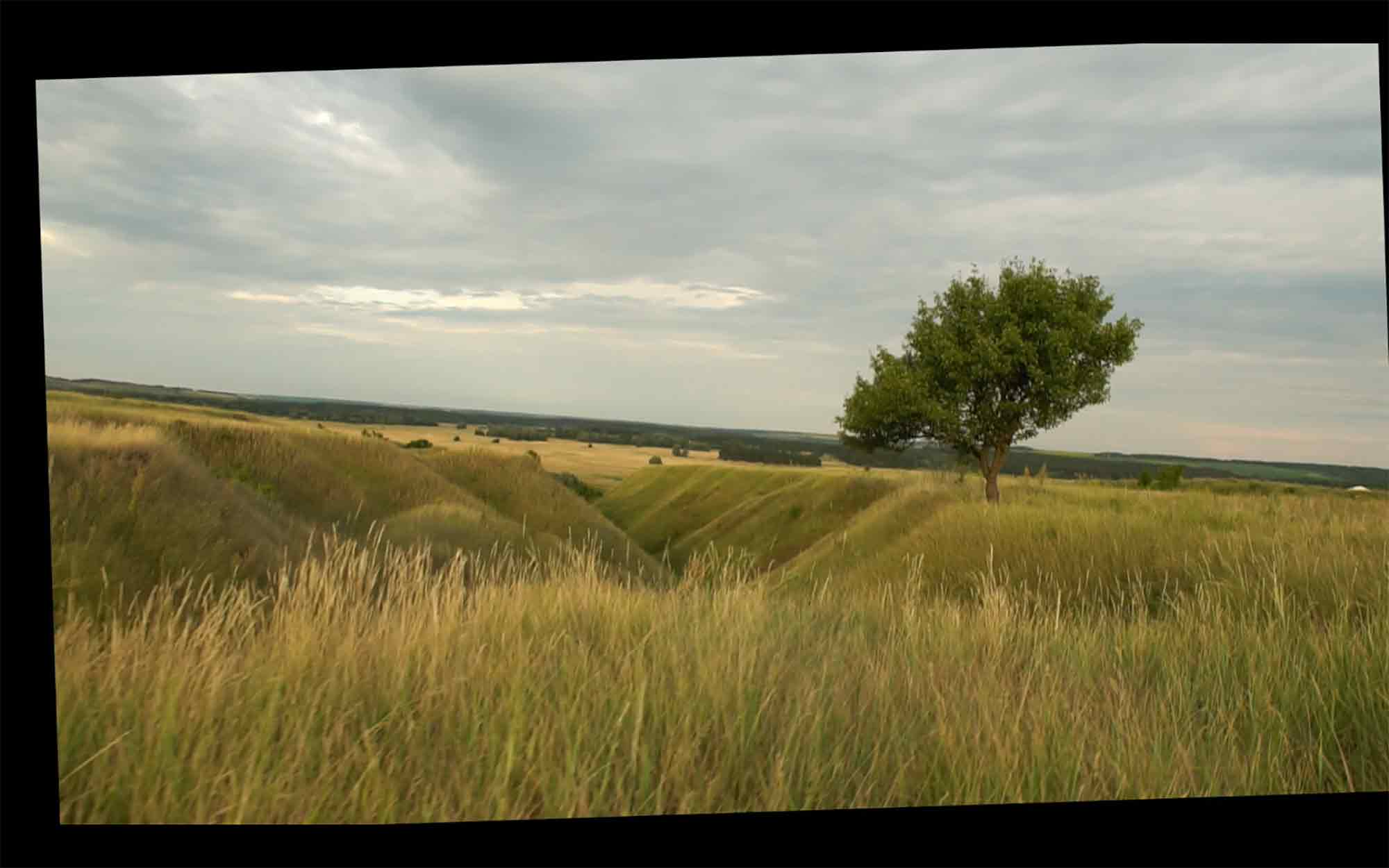
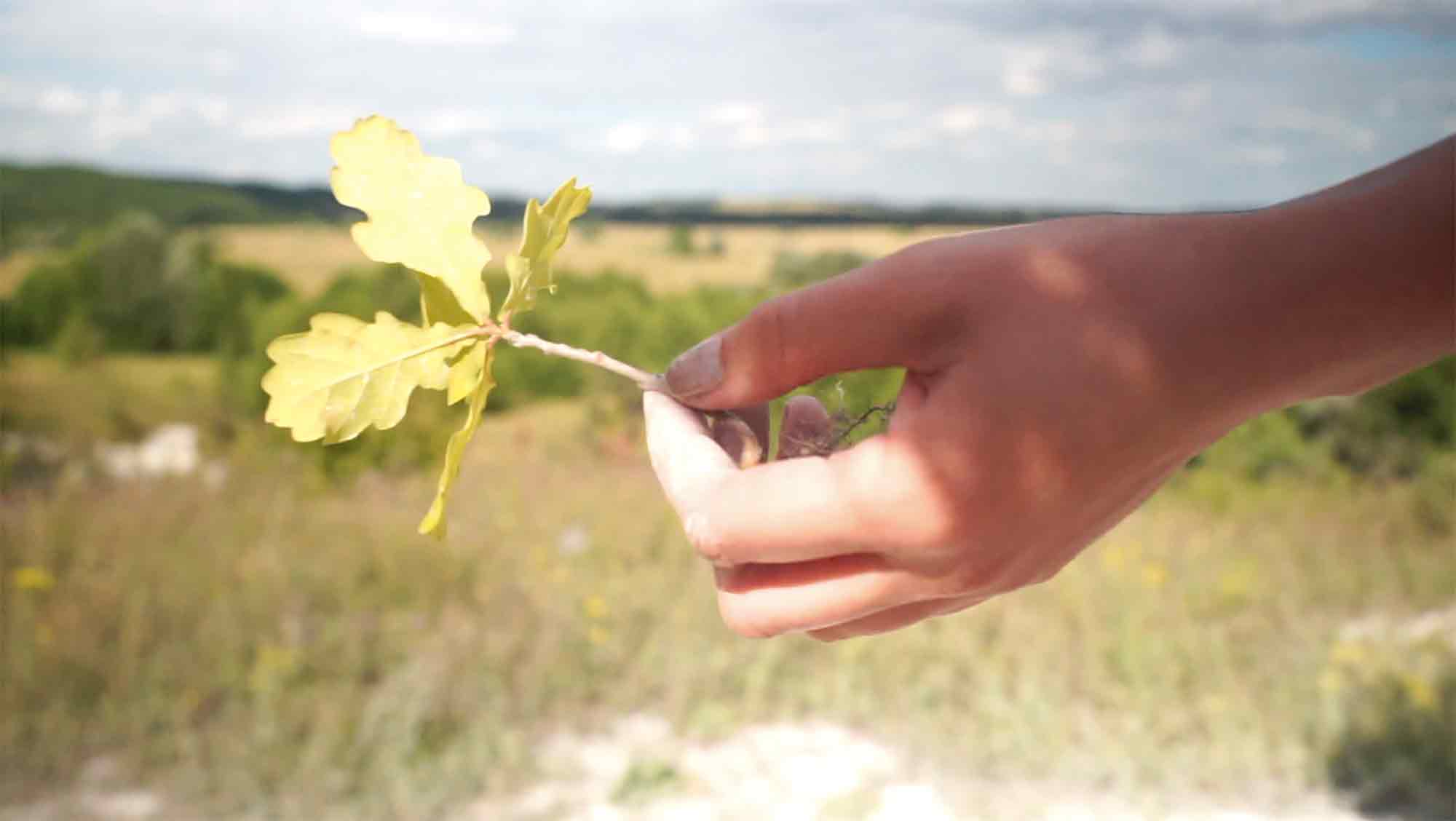
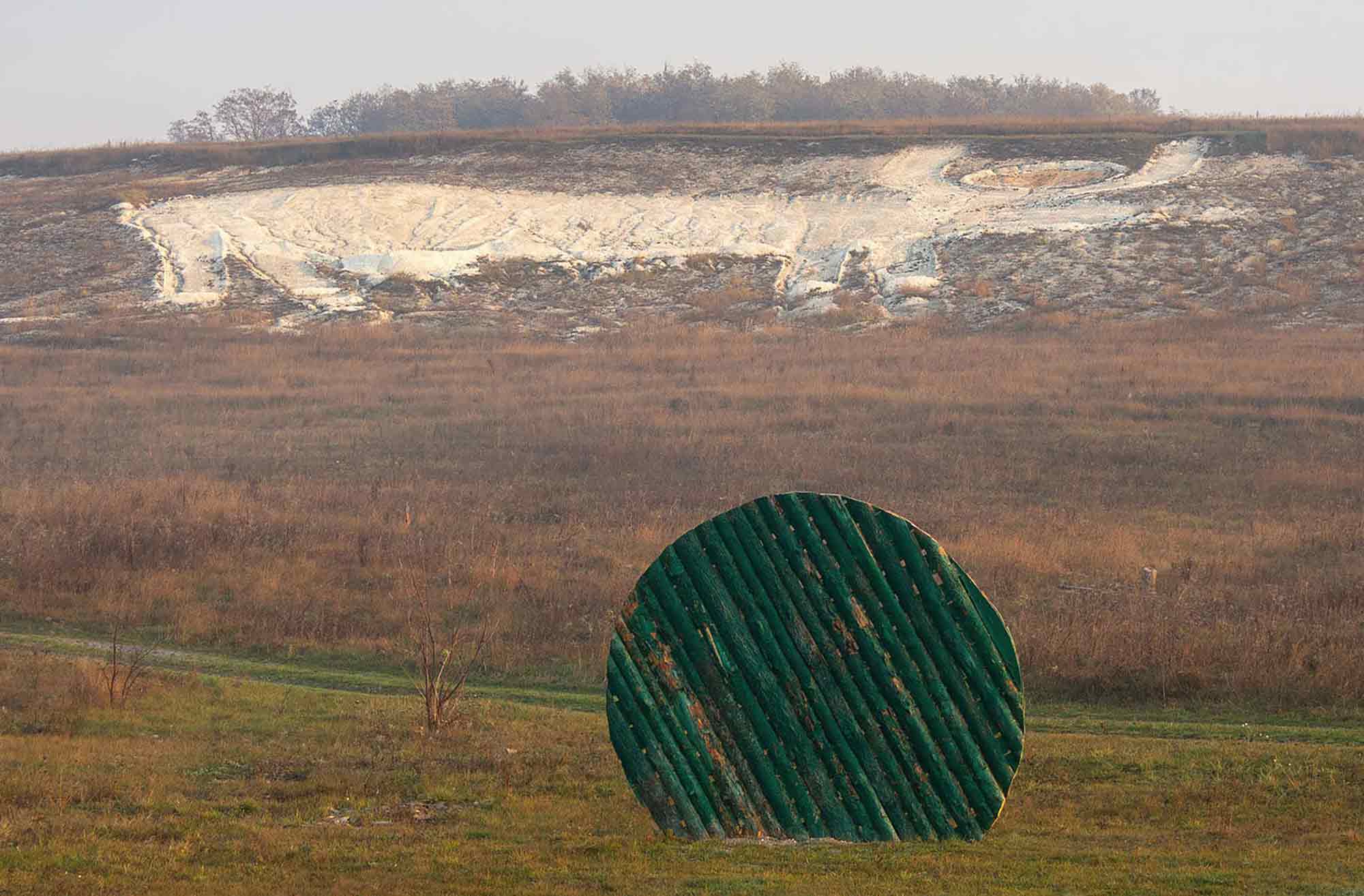
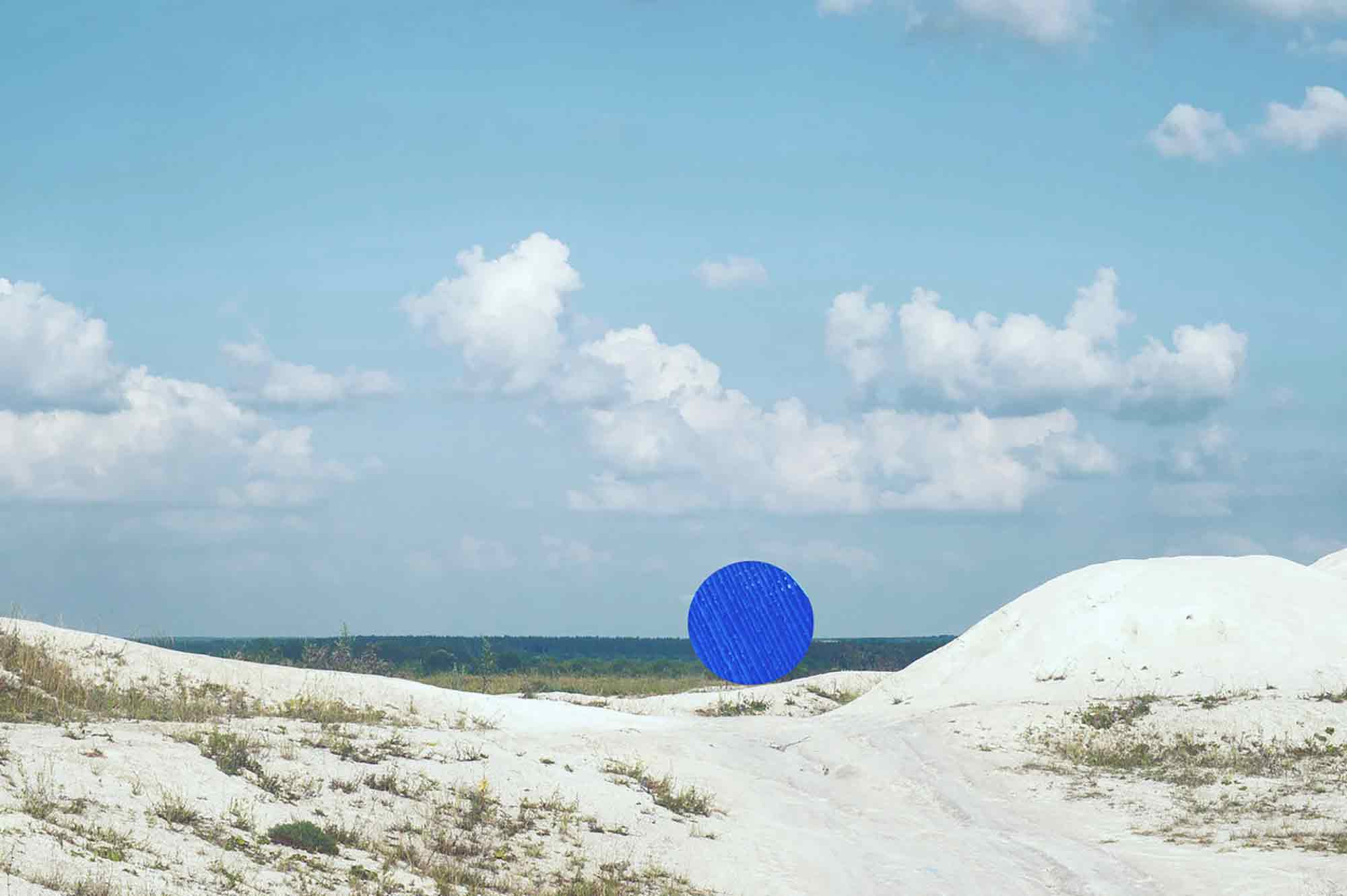
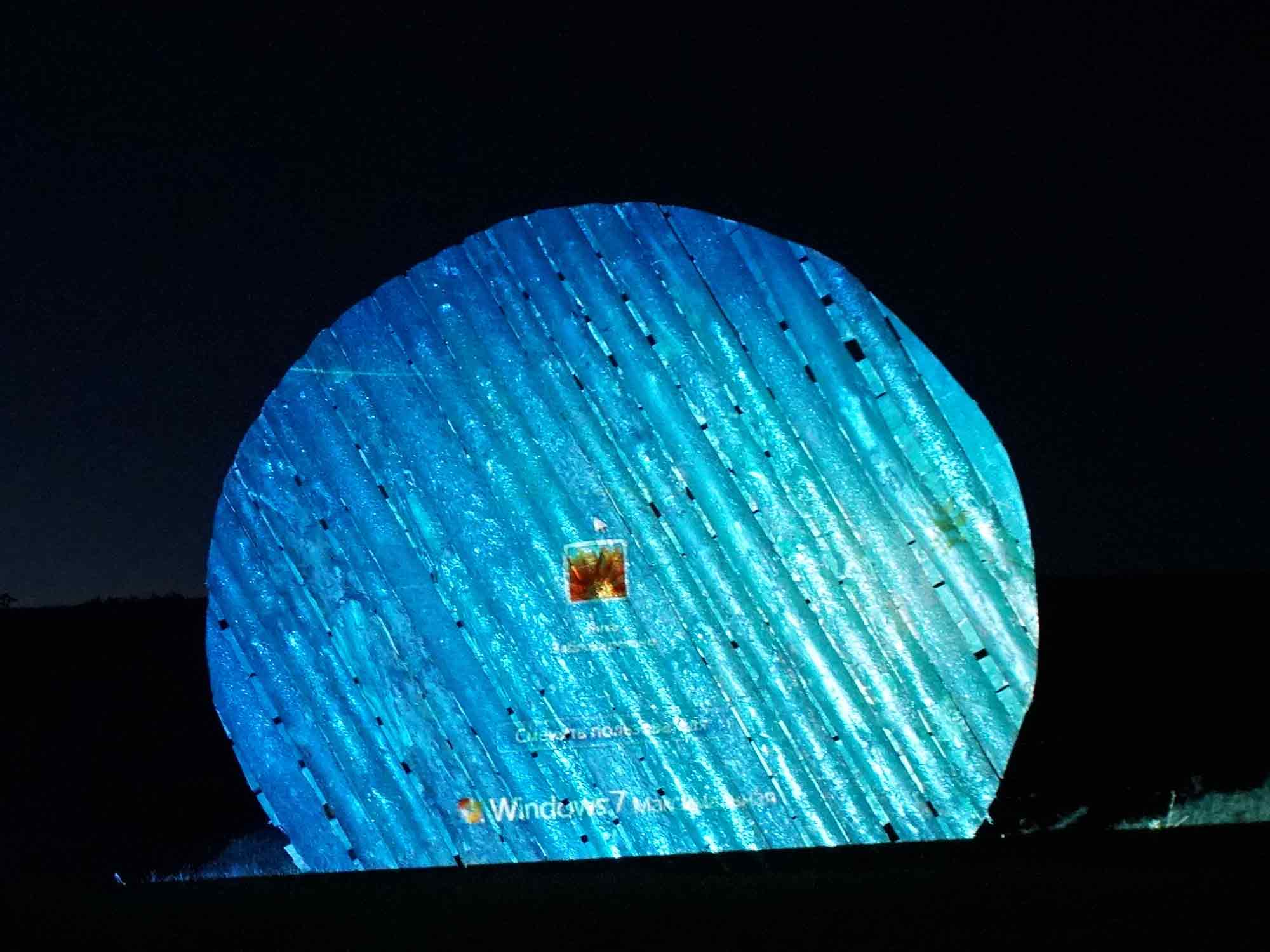
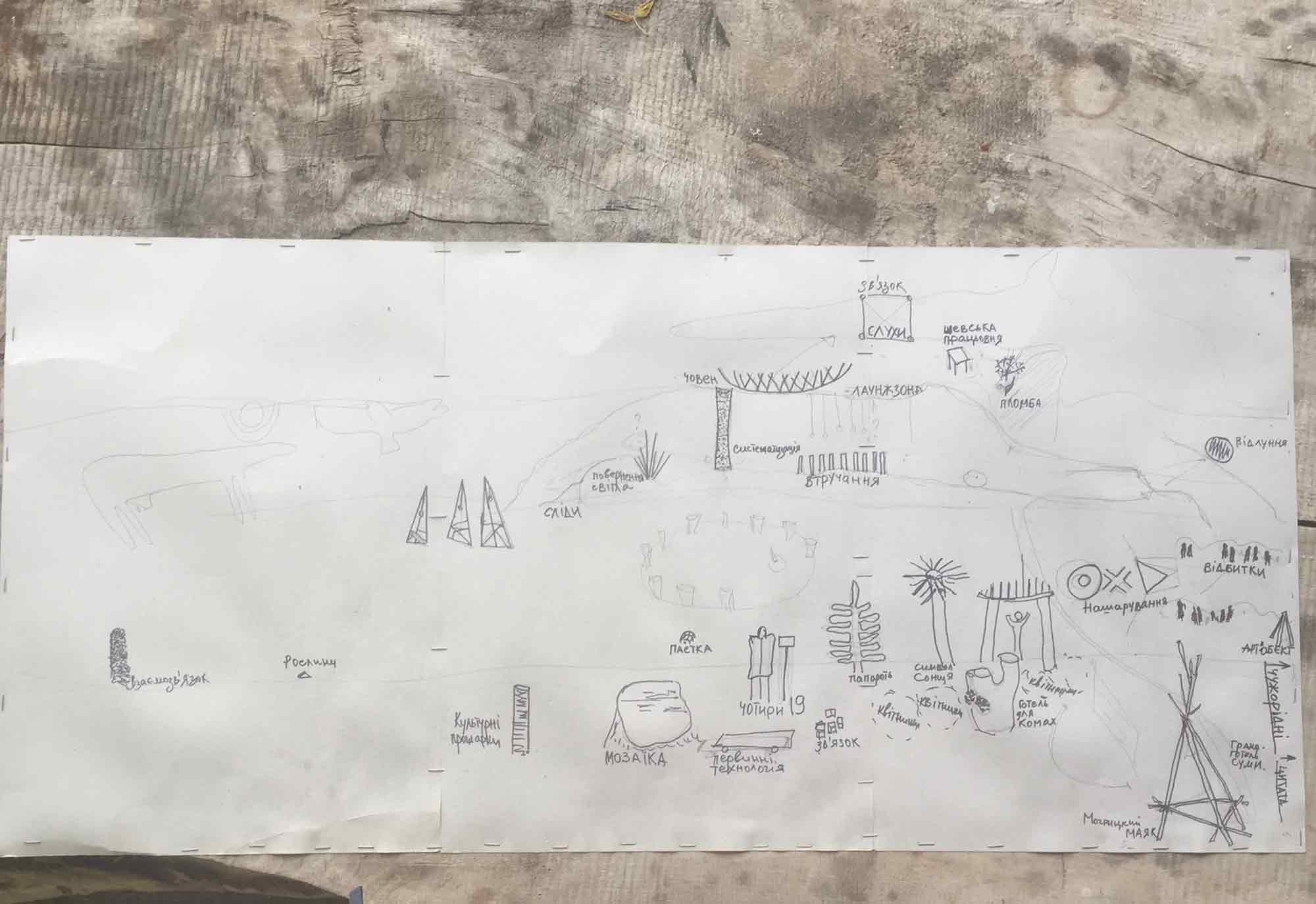
During the 2019 symposium, themed “Feedback,” the focus was on issues of communication with the environment. It concerned both a broader reflection on humanity’s positioning within the global ecosystem and the relationship of the artistic community “Borderland Space” directly with the landscape of Mohrytsia. The curatorial groups continued their work. A format introduced at the previous symposium had proven feasible and became firmly established for subsequent years. That year, the groups were curated by Yurii Vyshniakov, Oleksii Konoshenko, Vitalii Kokhan, and Natalia Matsenko. Participants were asked to reflect on how exactly they influenced this place and, conversely, what influence the place exerted on them.
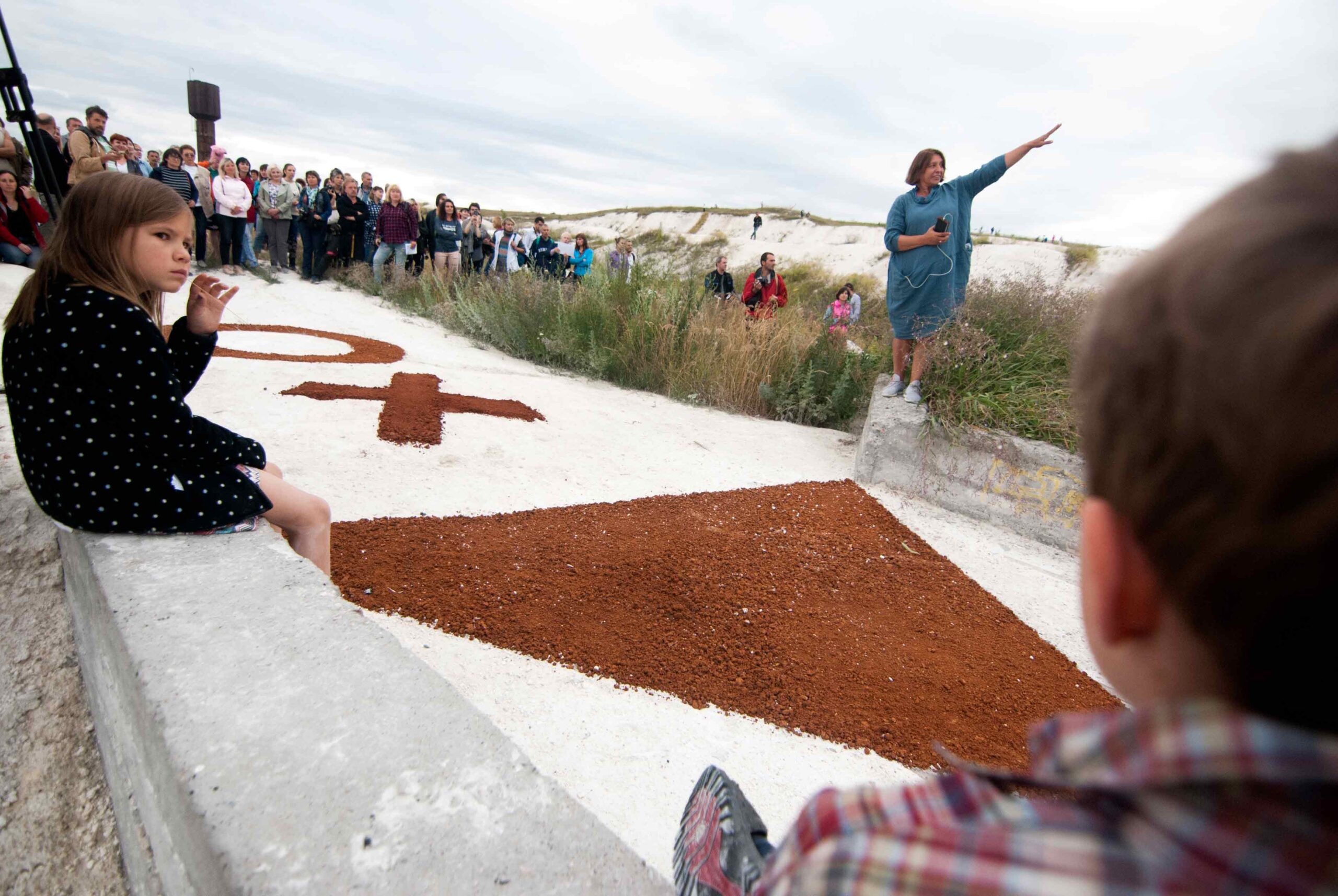
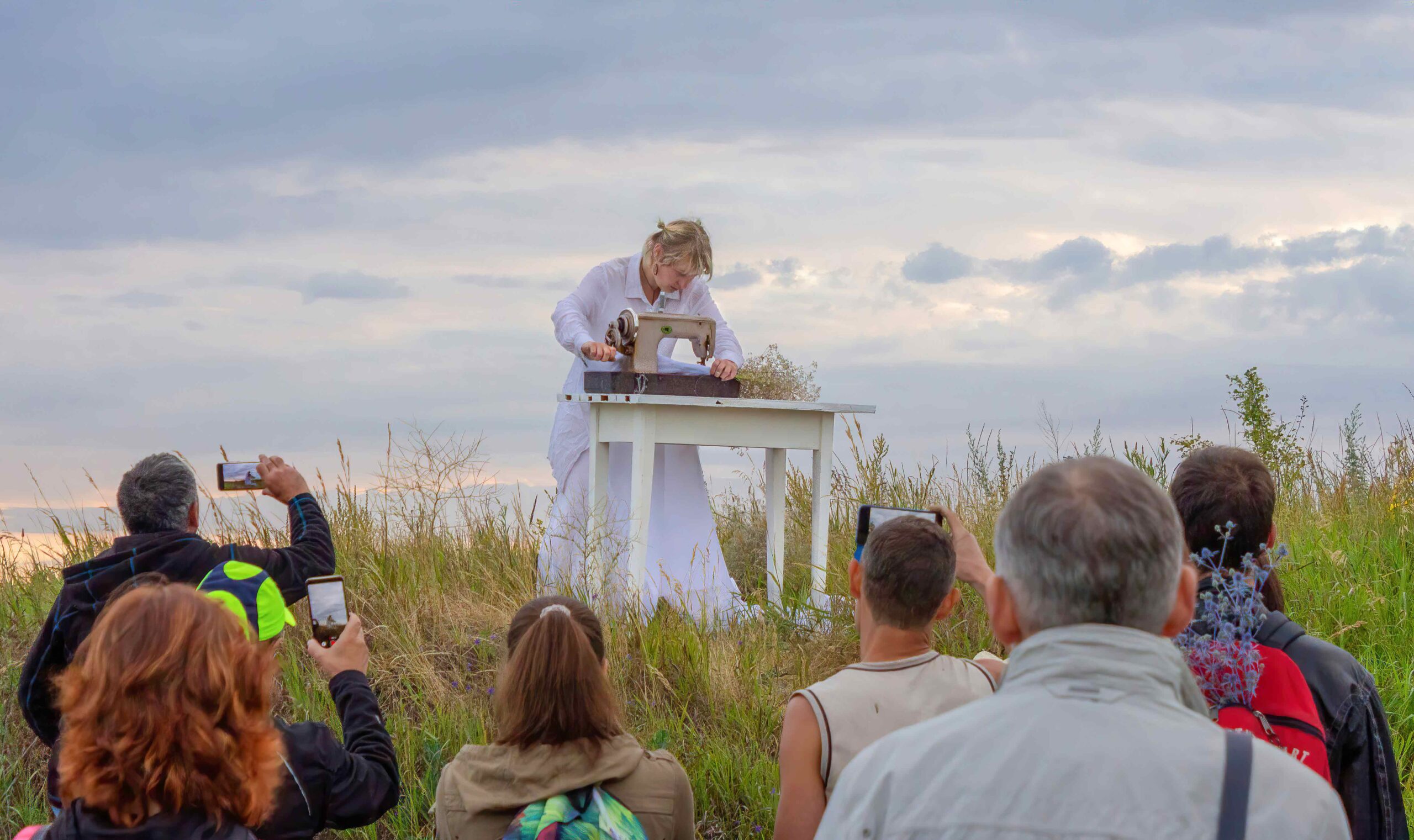
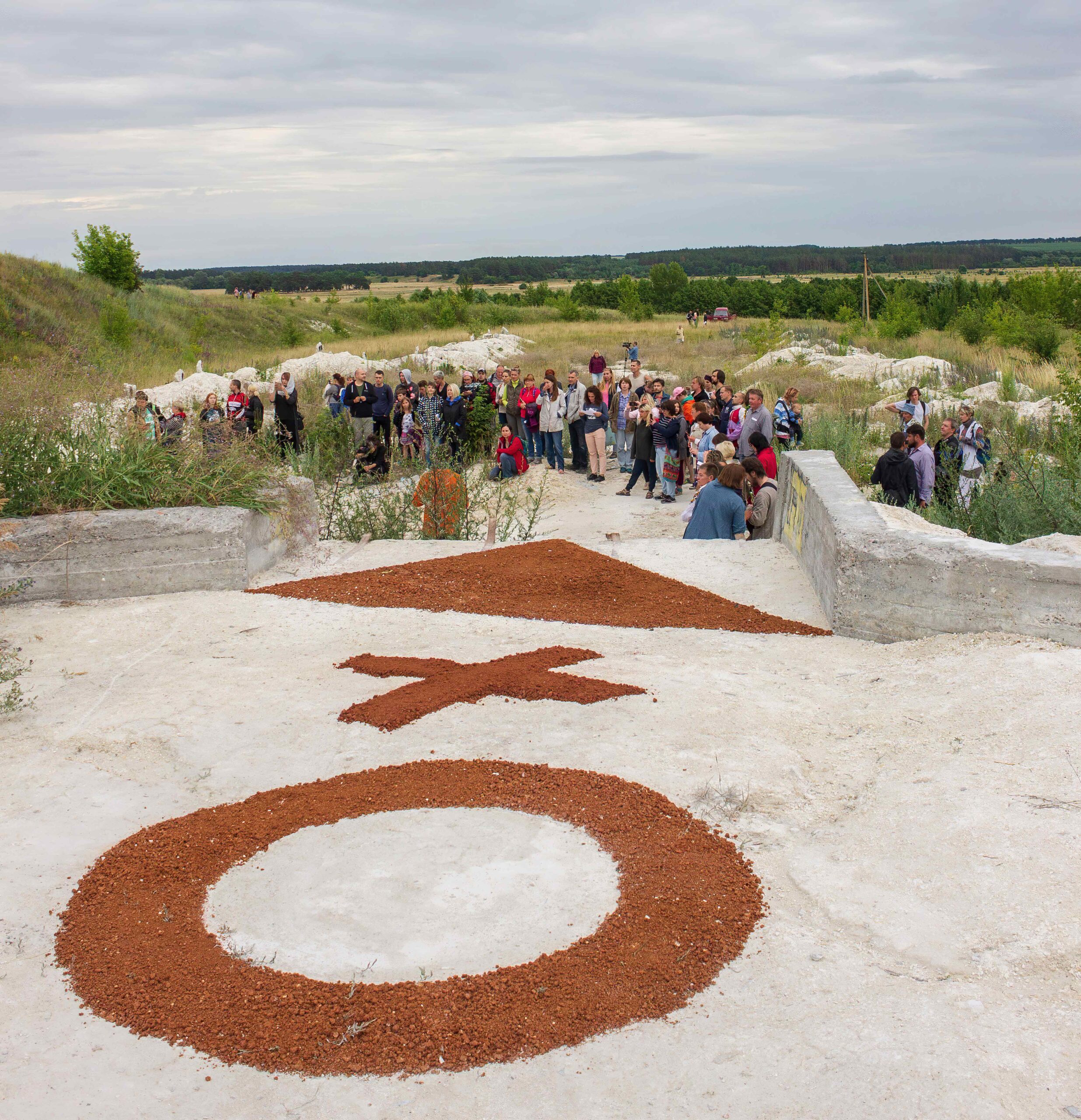
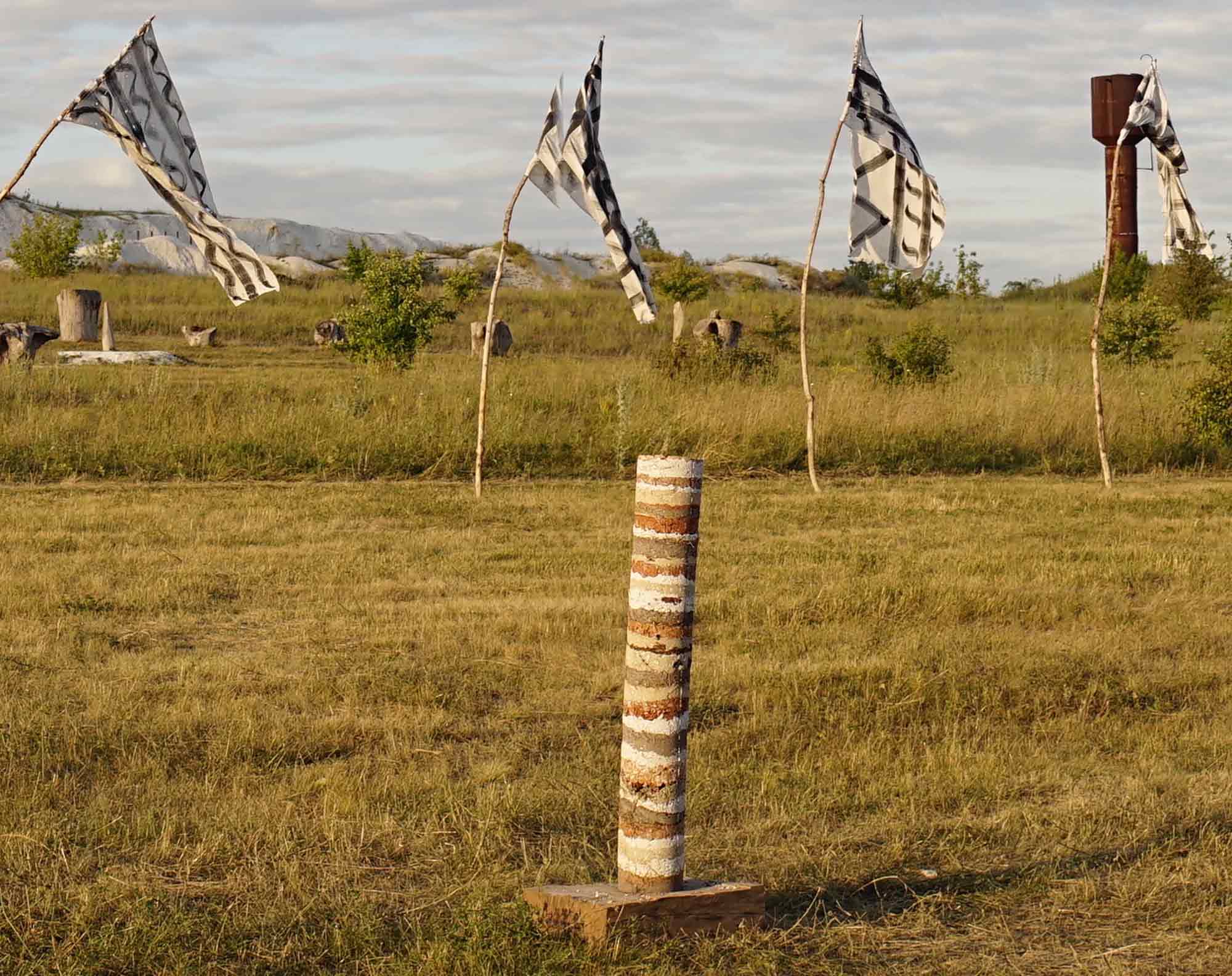
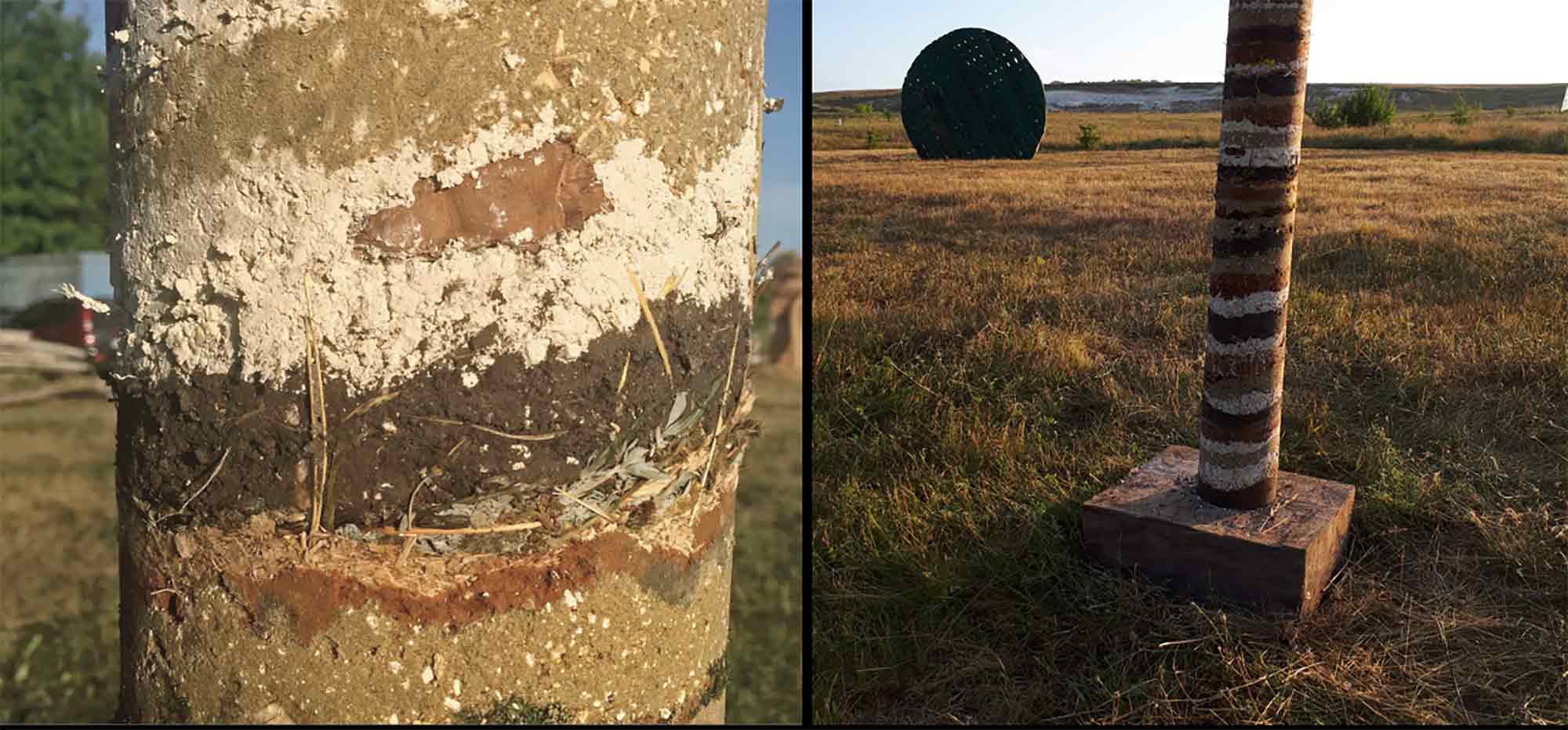
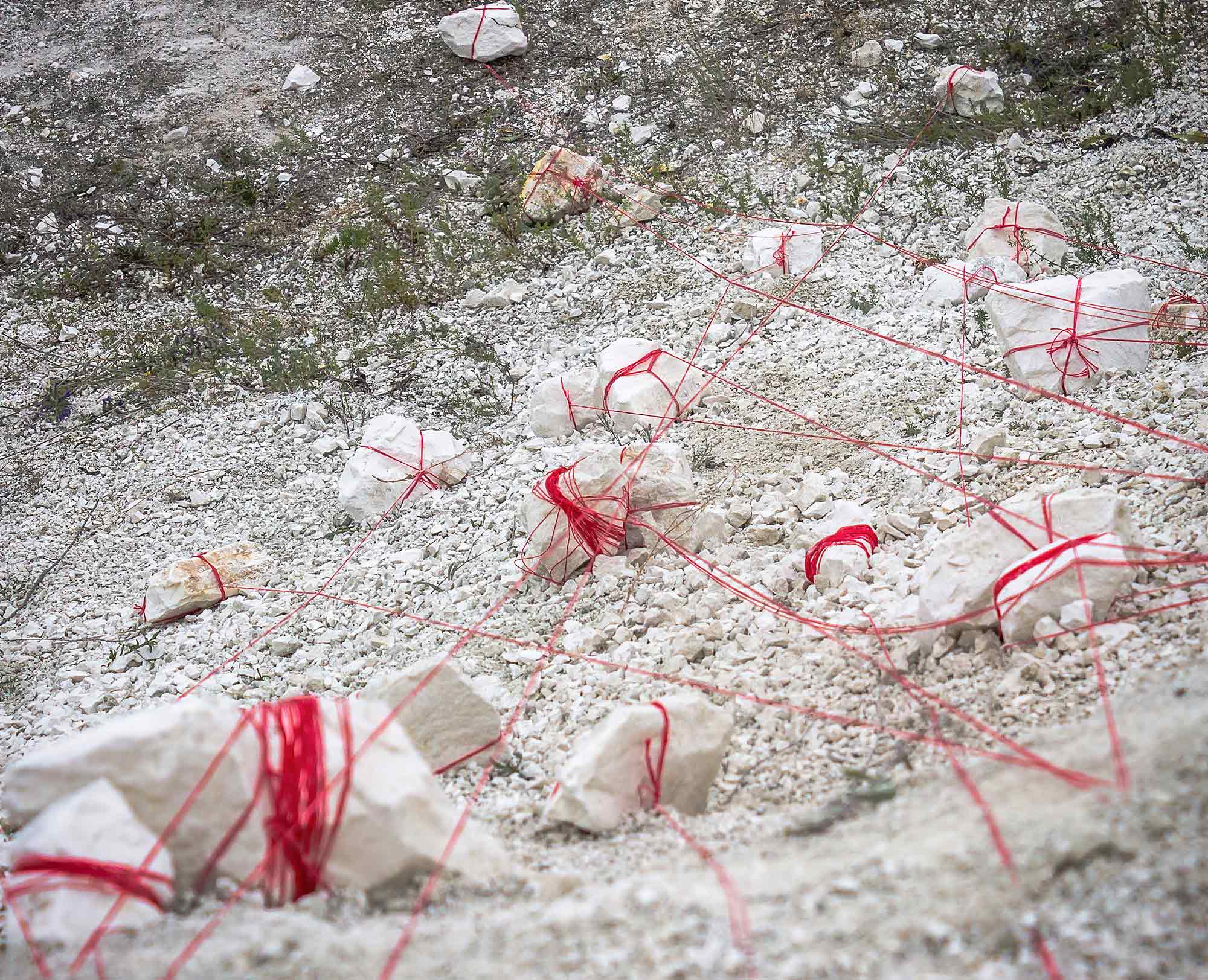
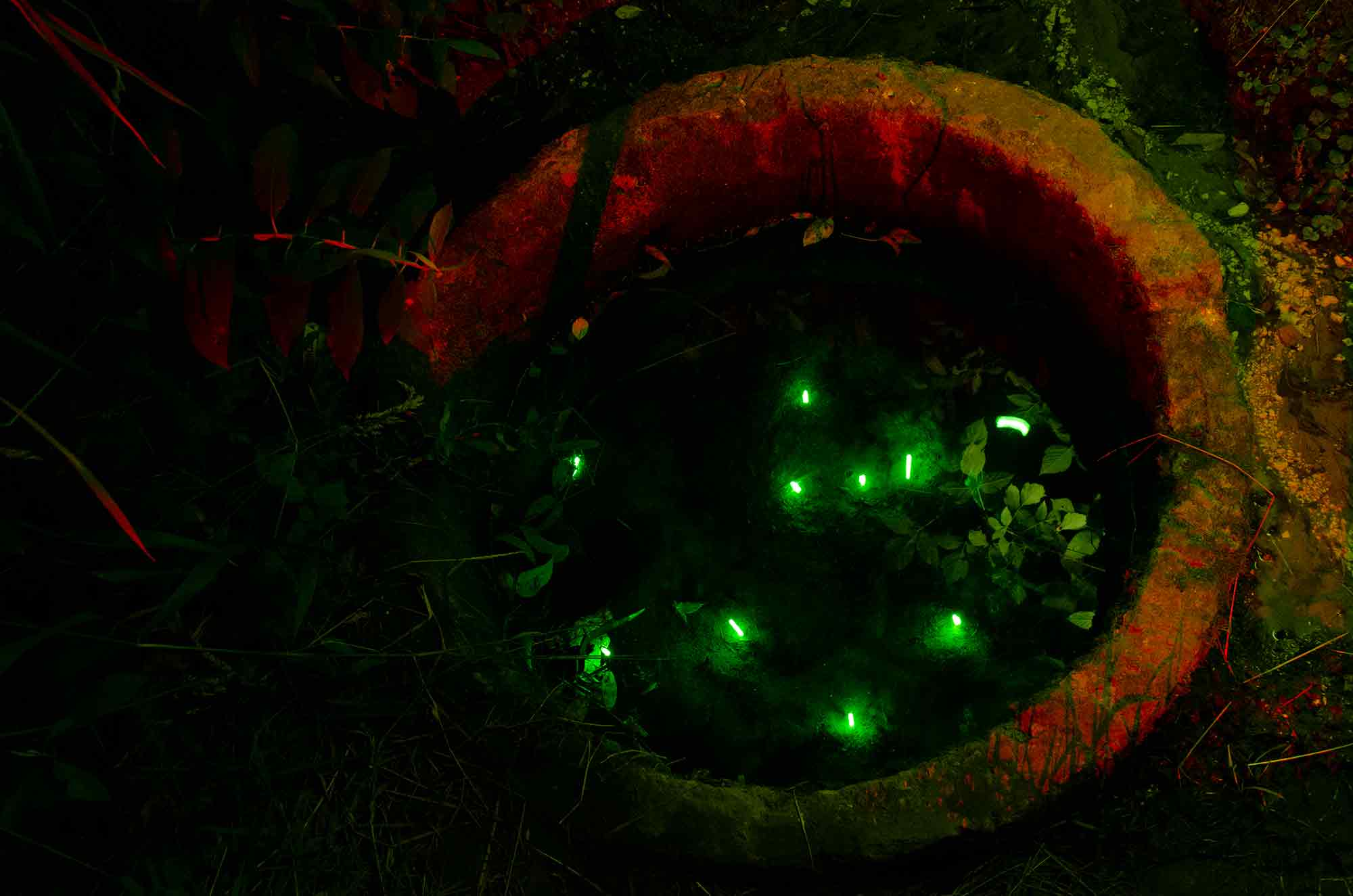
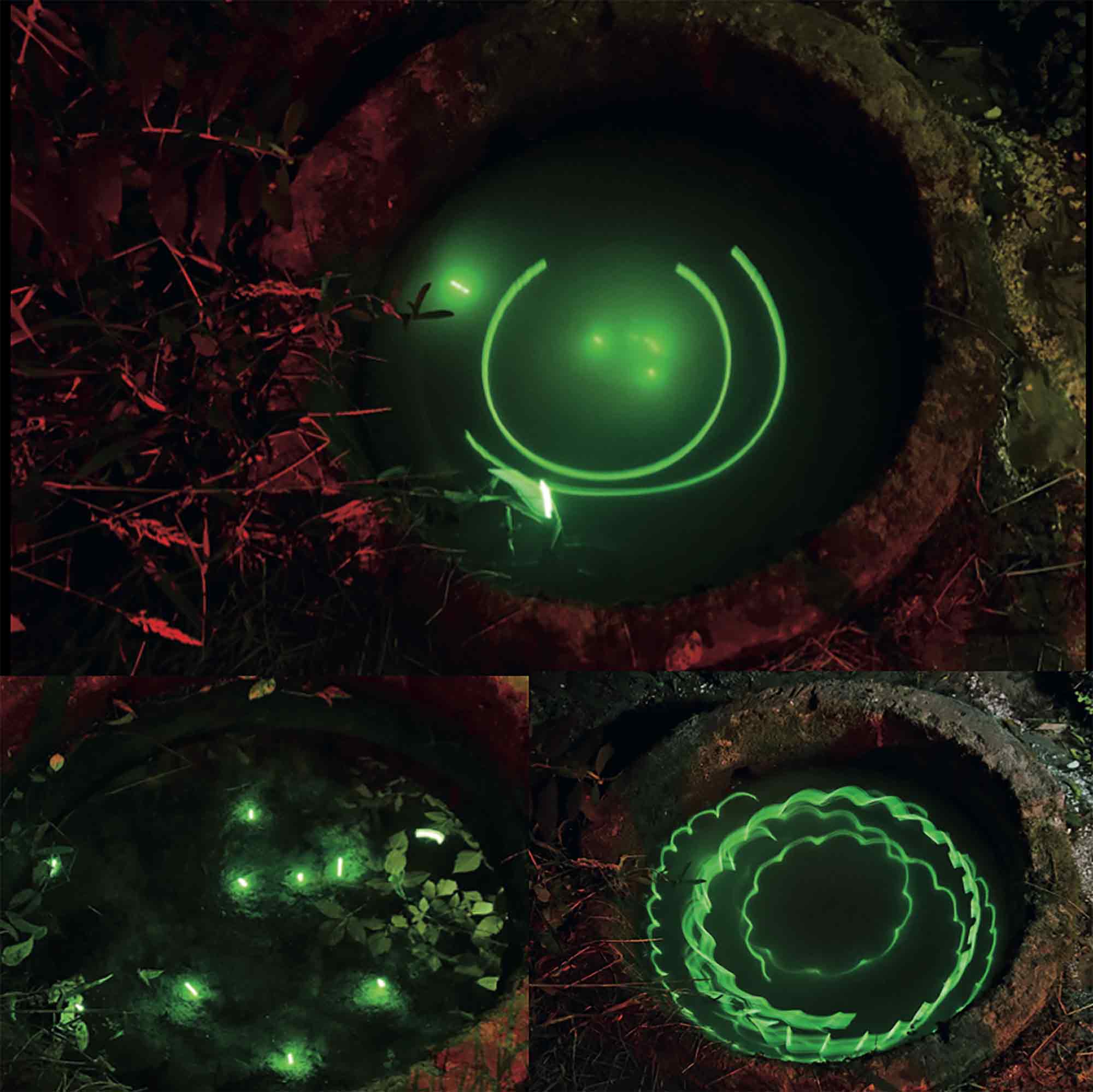
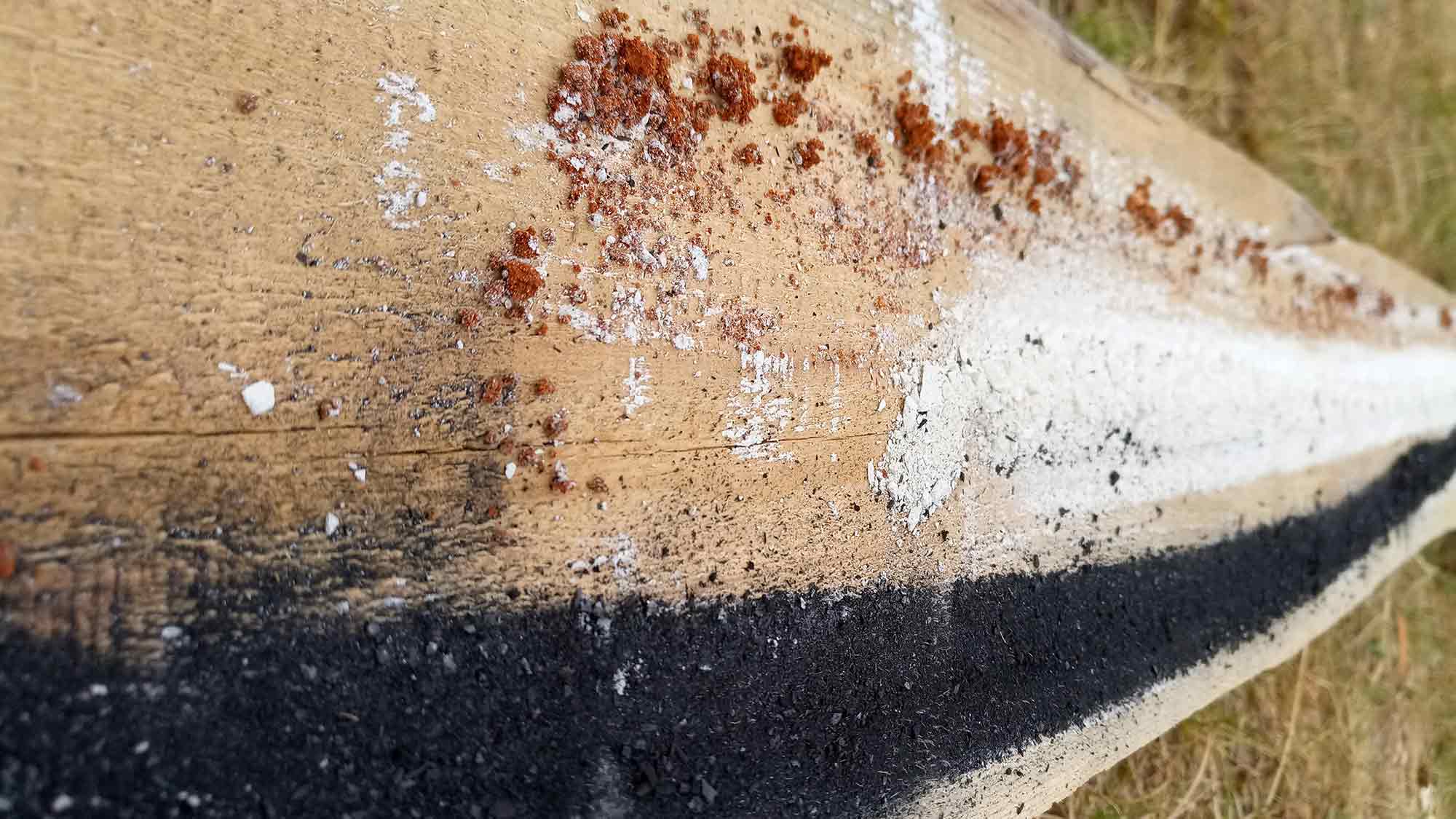
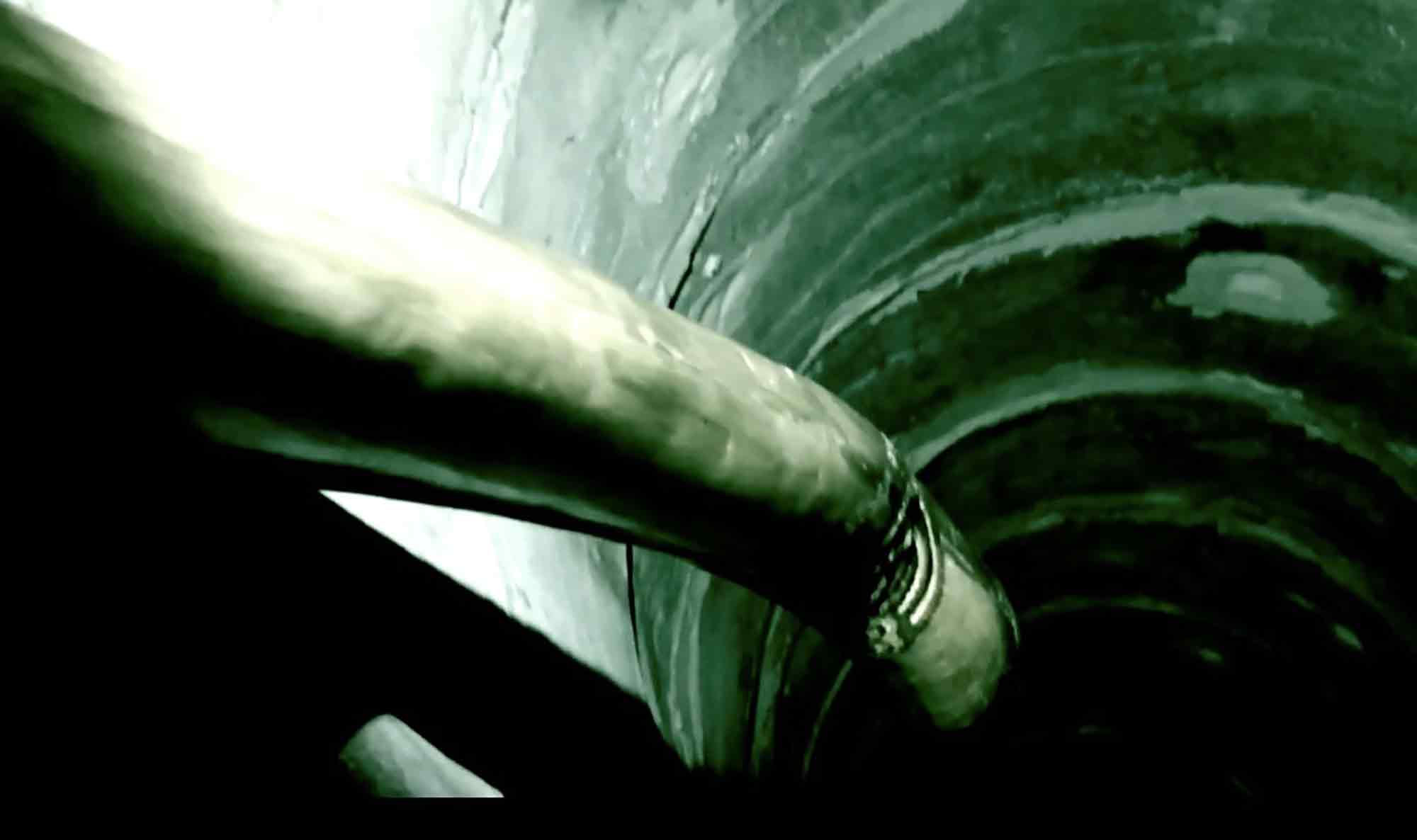
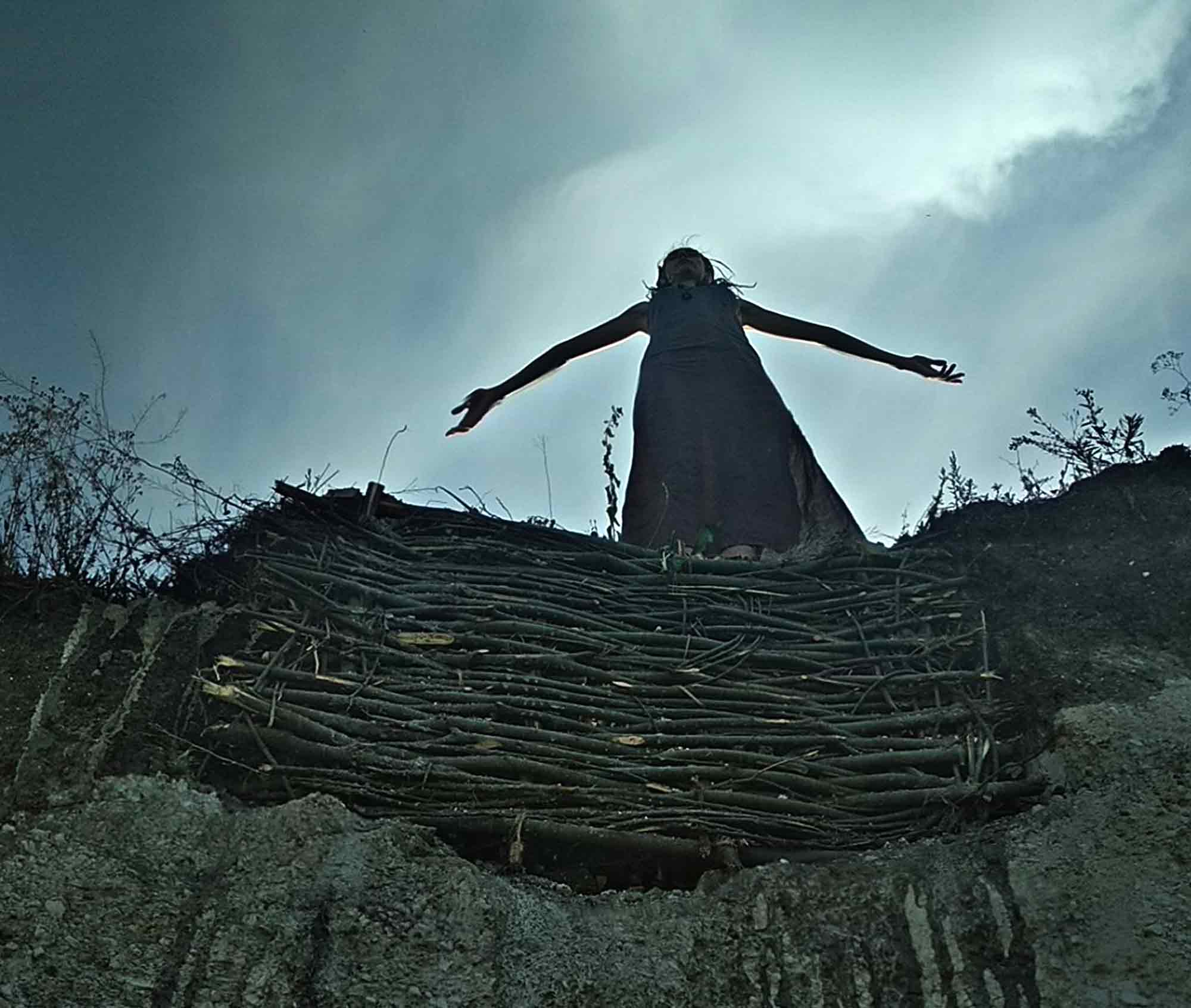
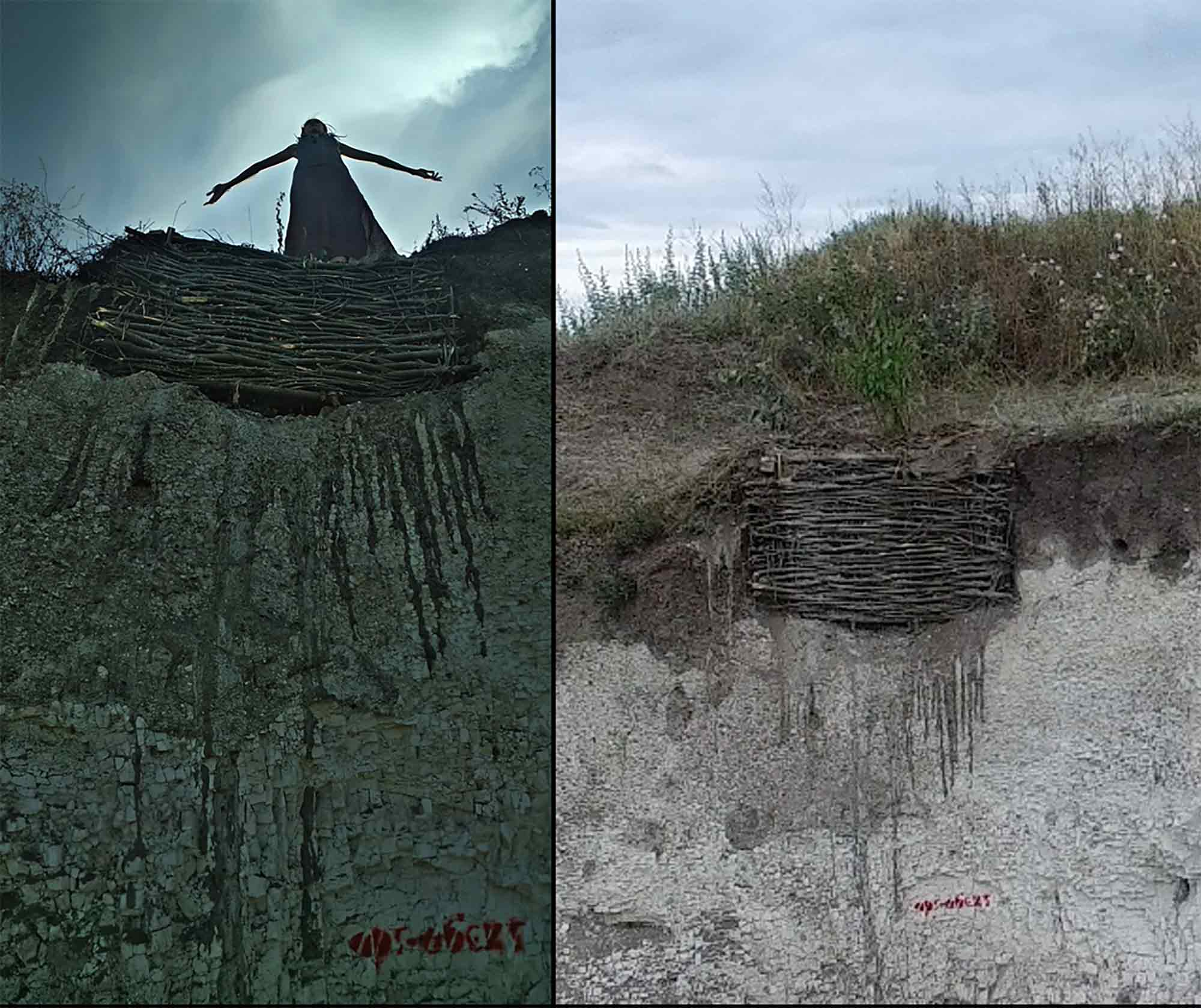
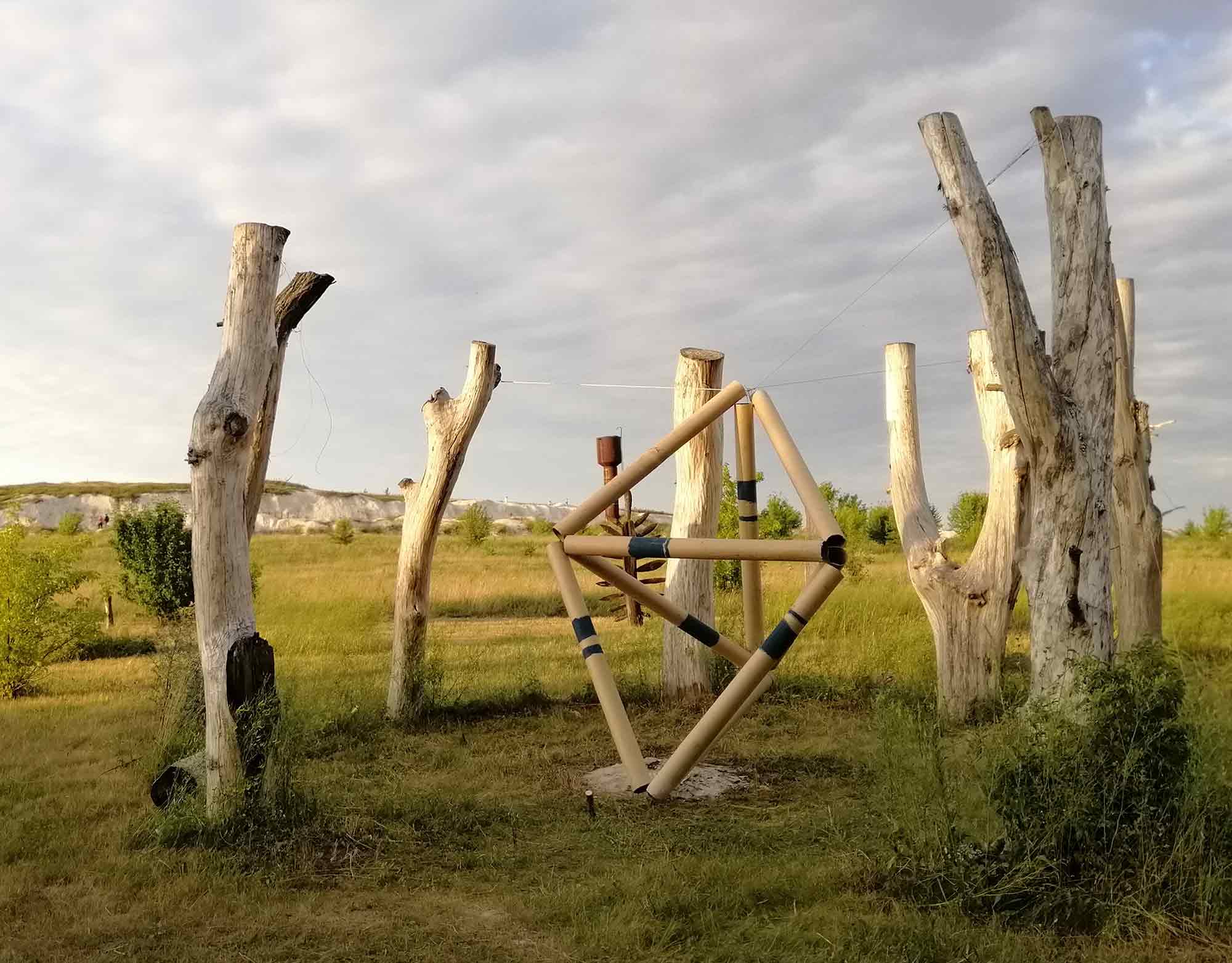
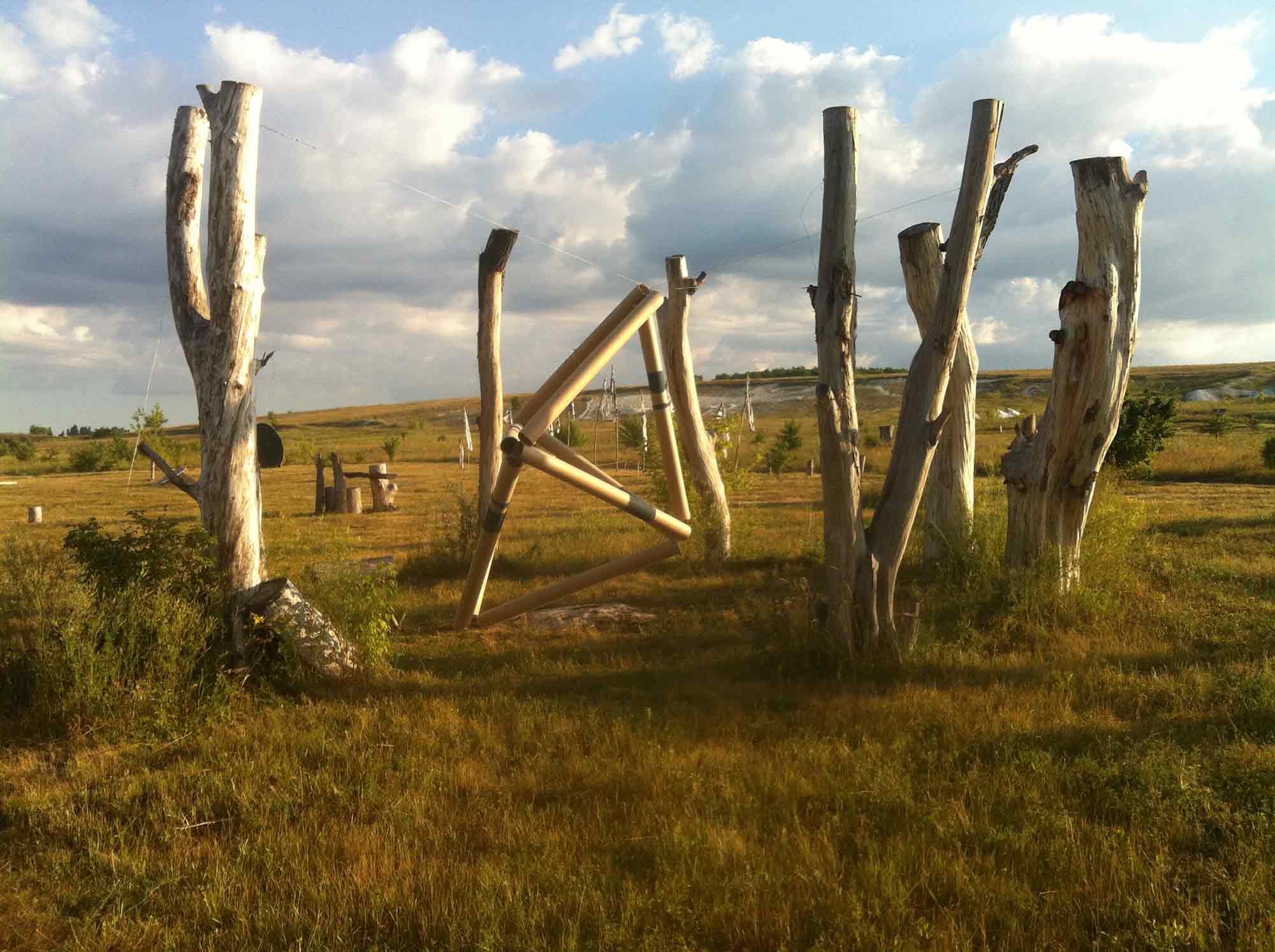
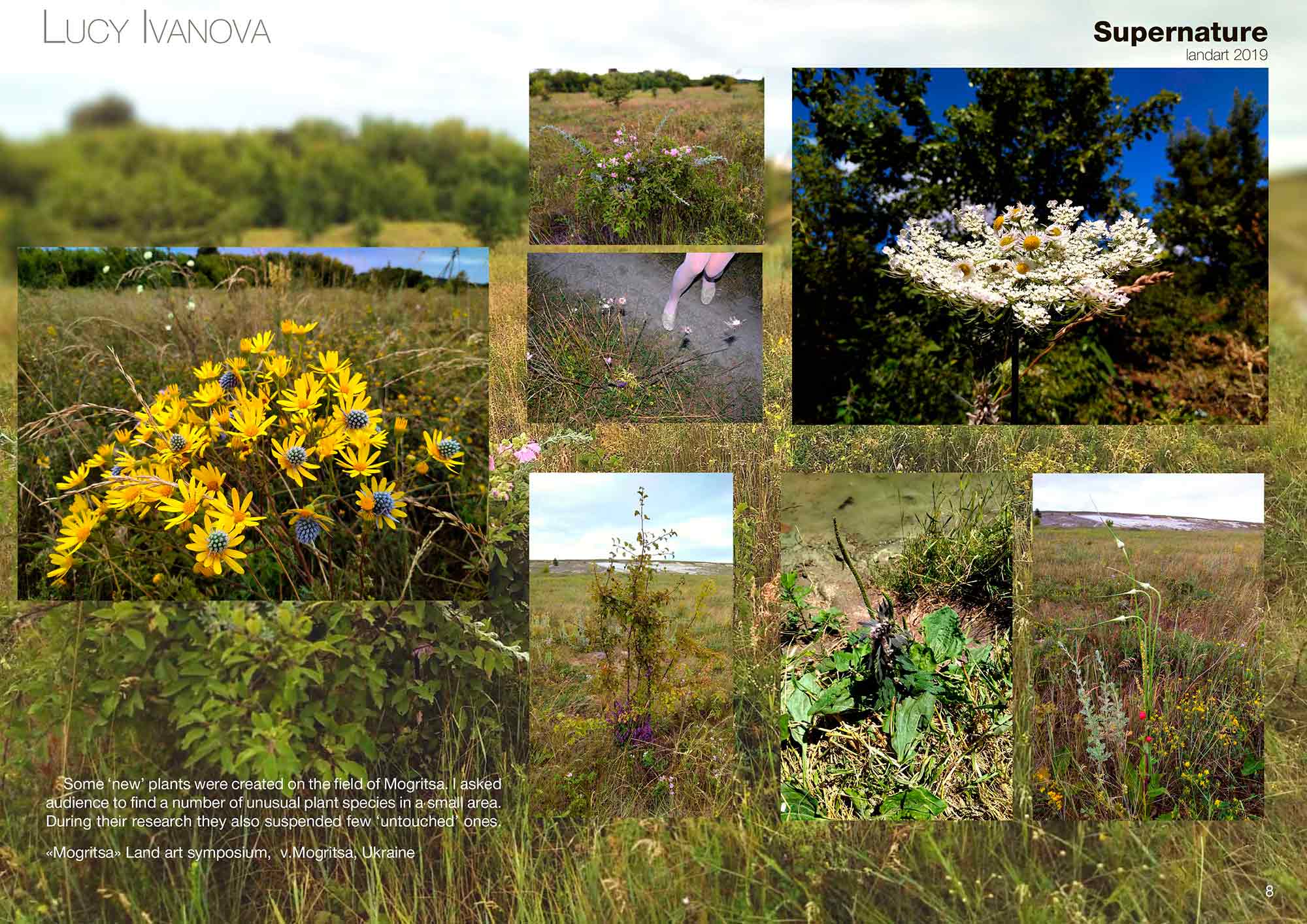
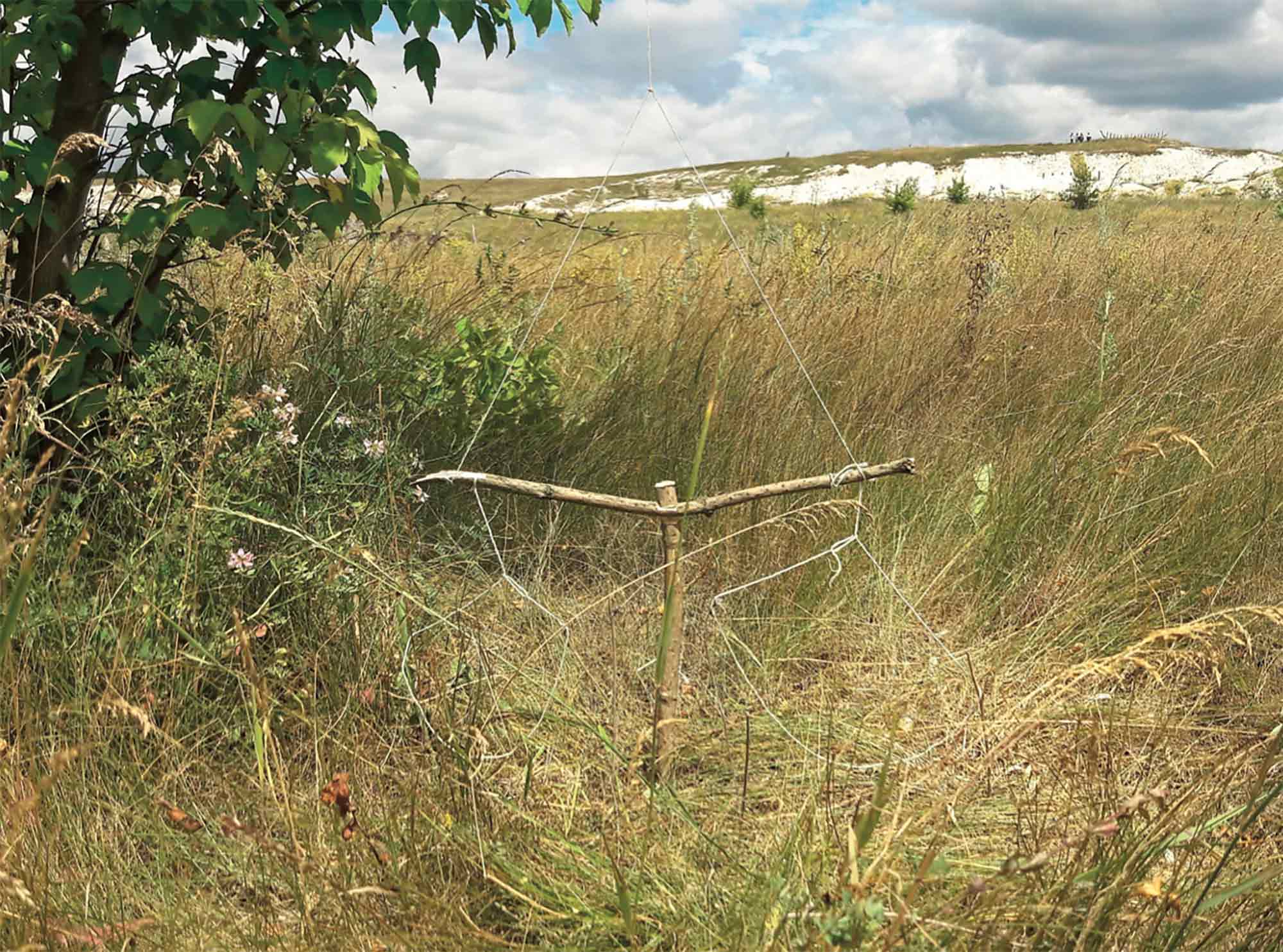
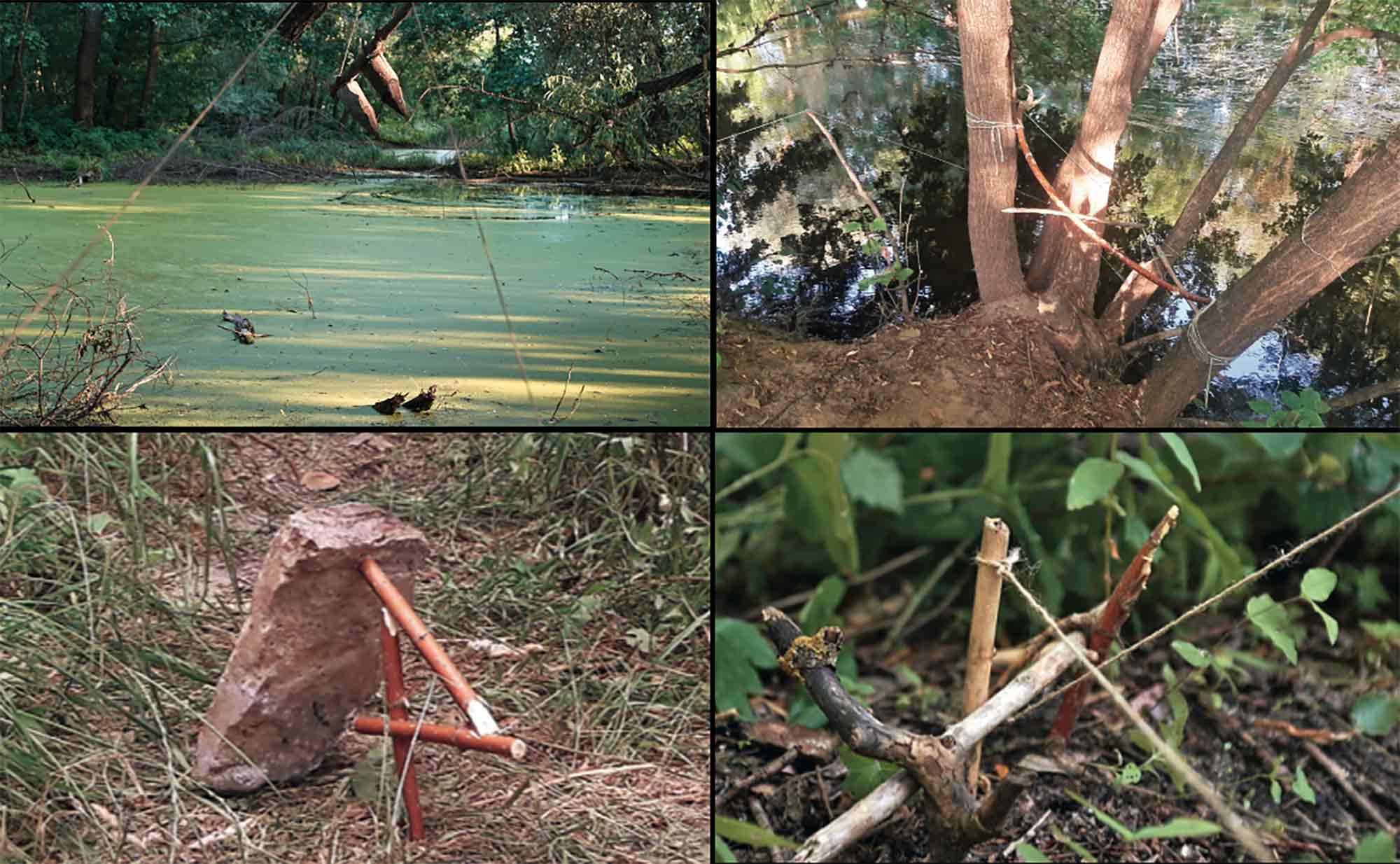
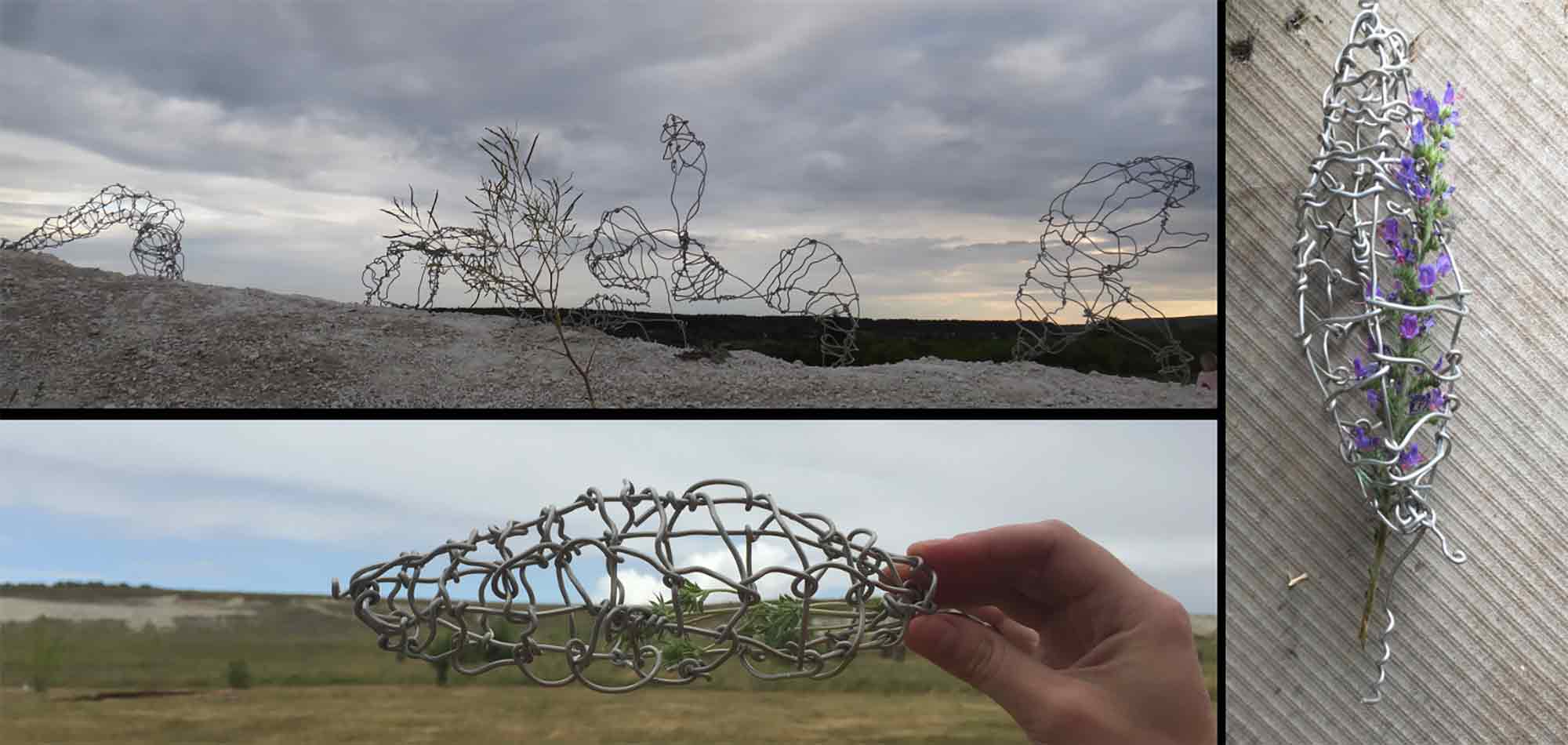
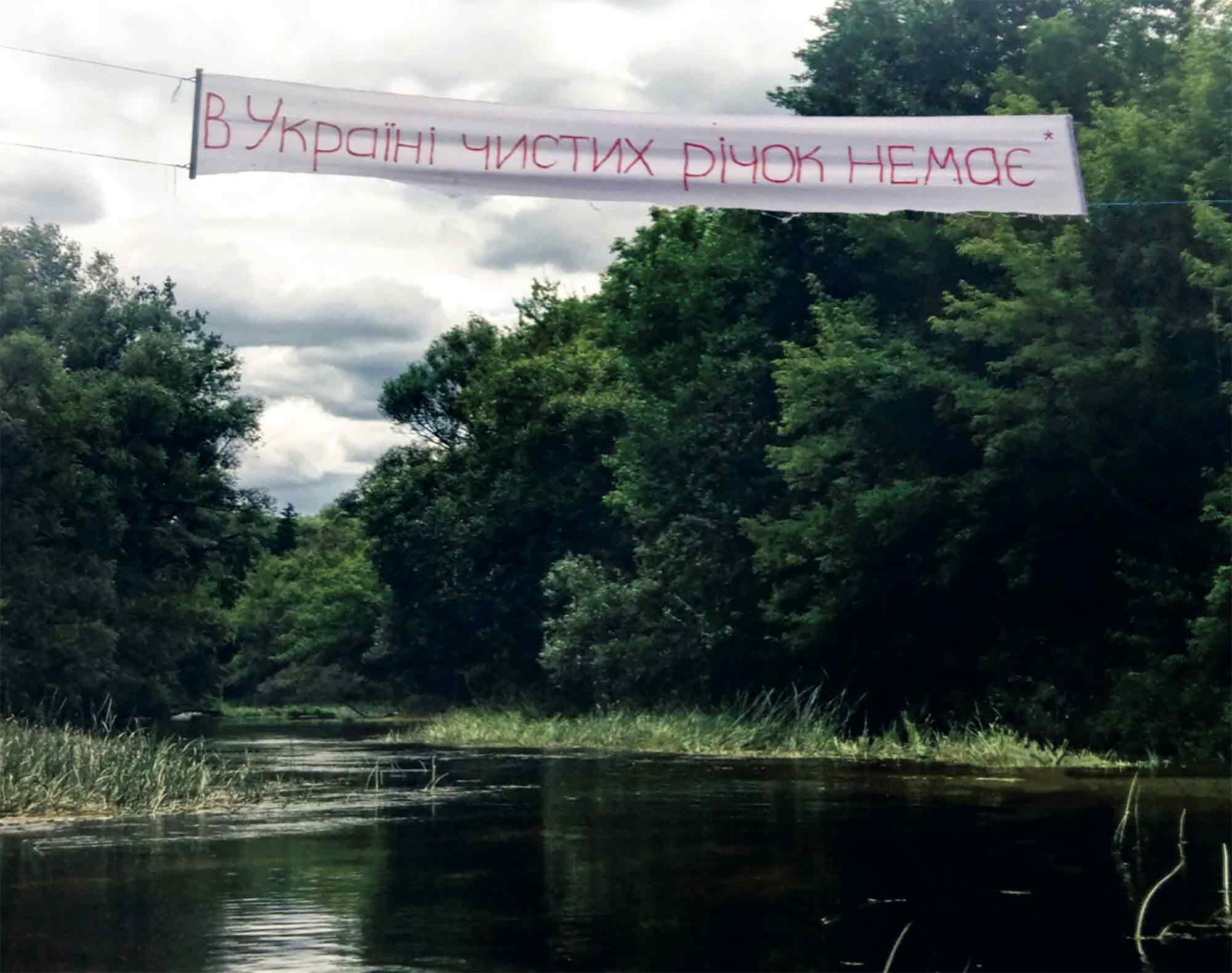
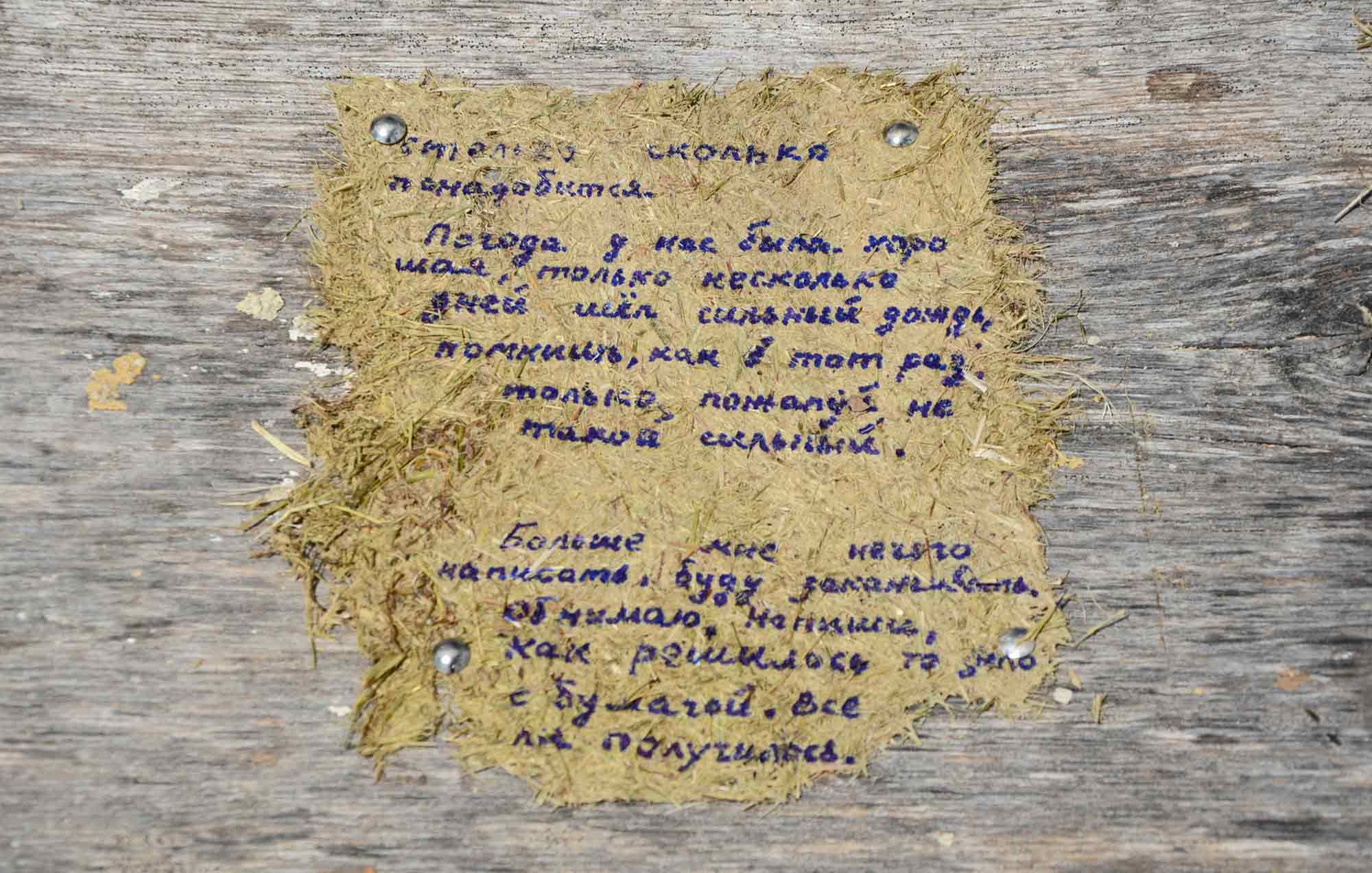
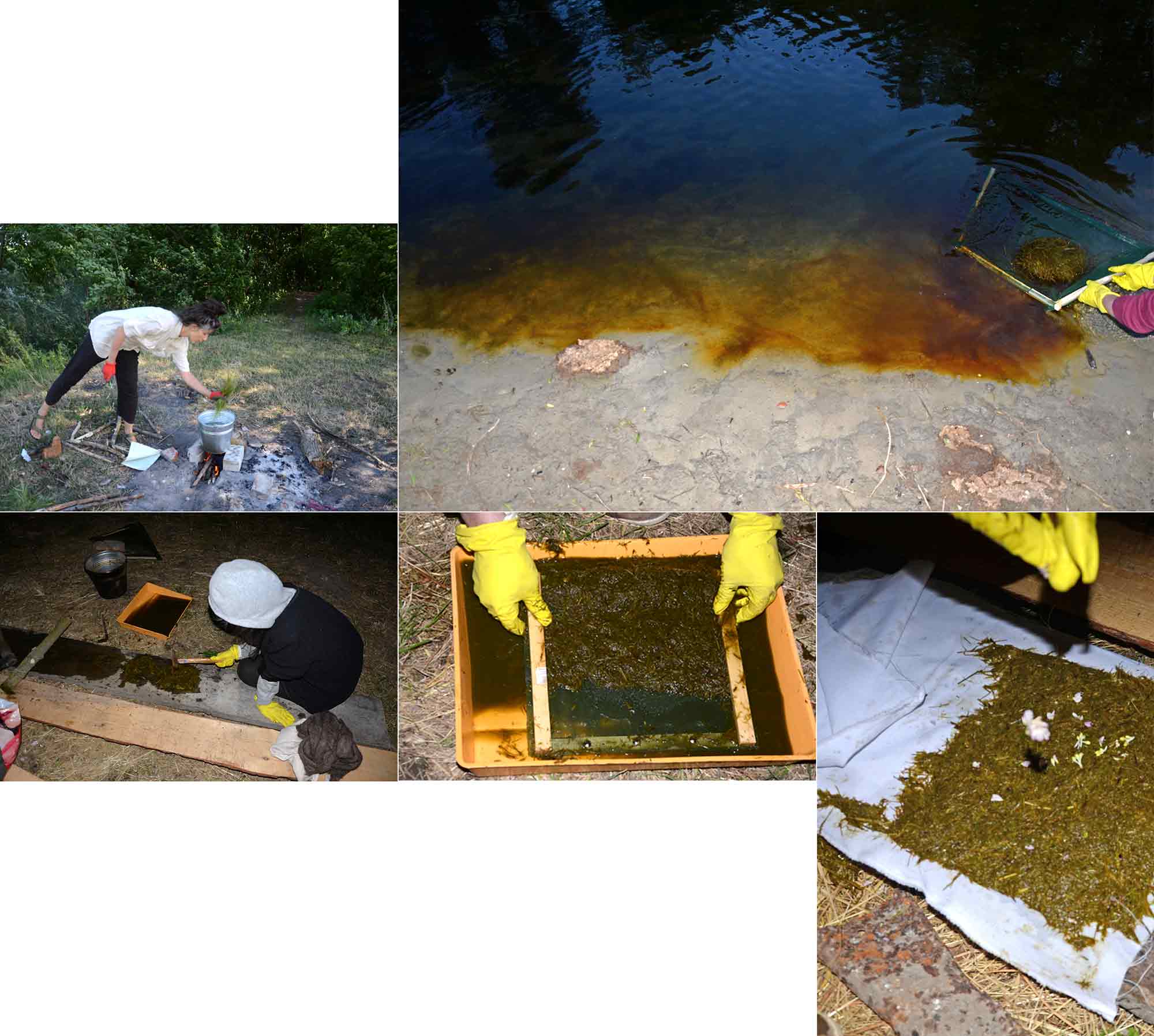
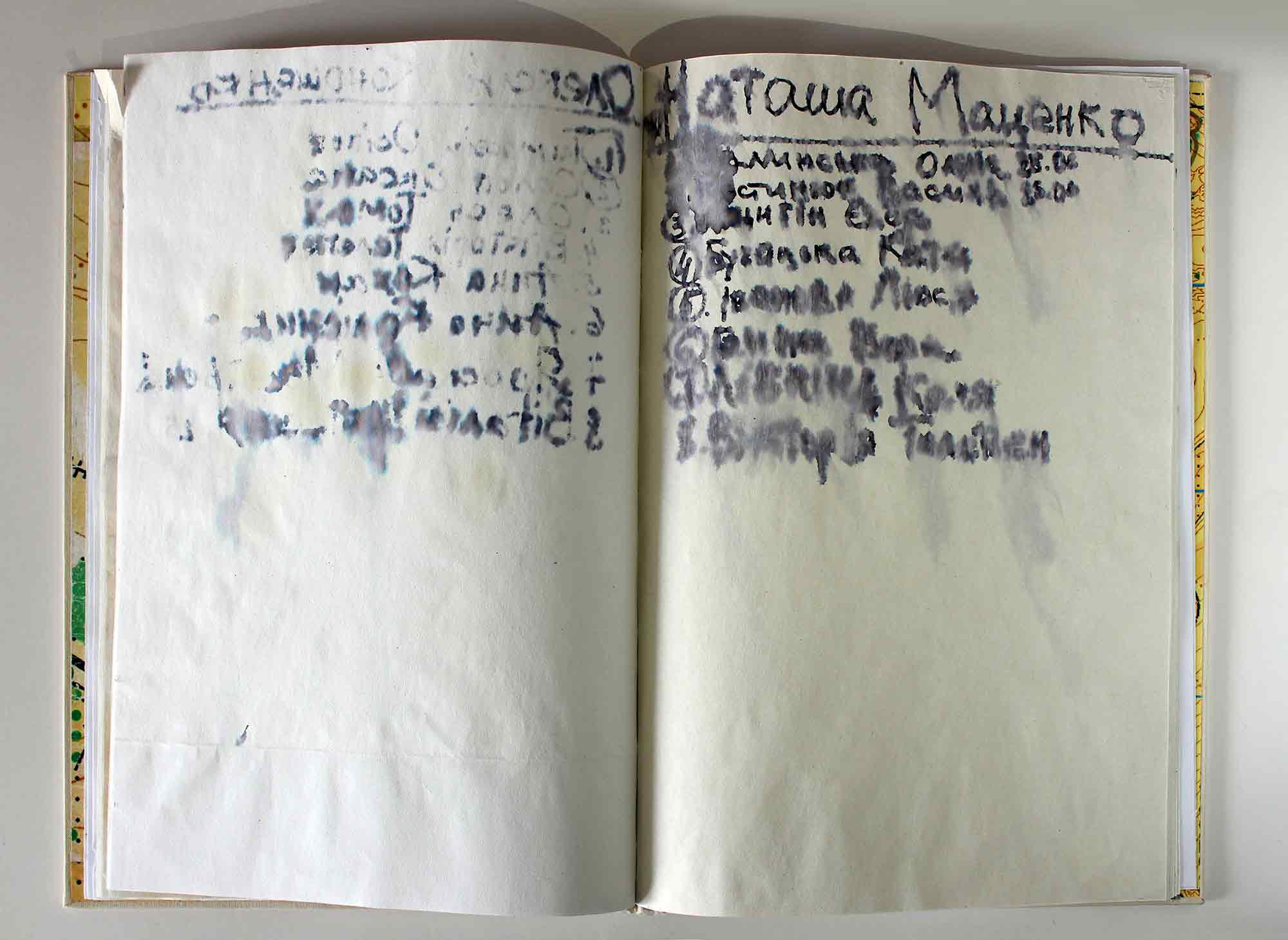
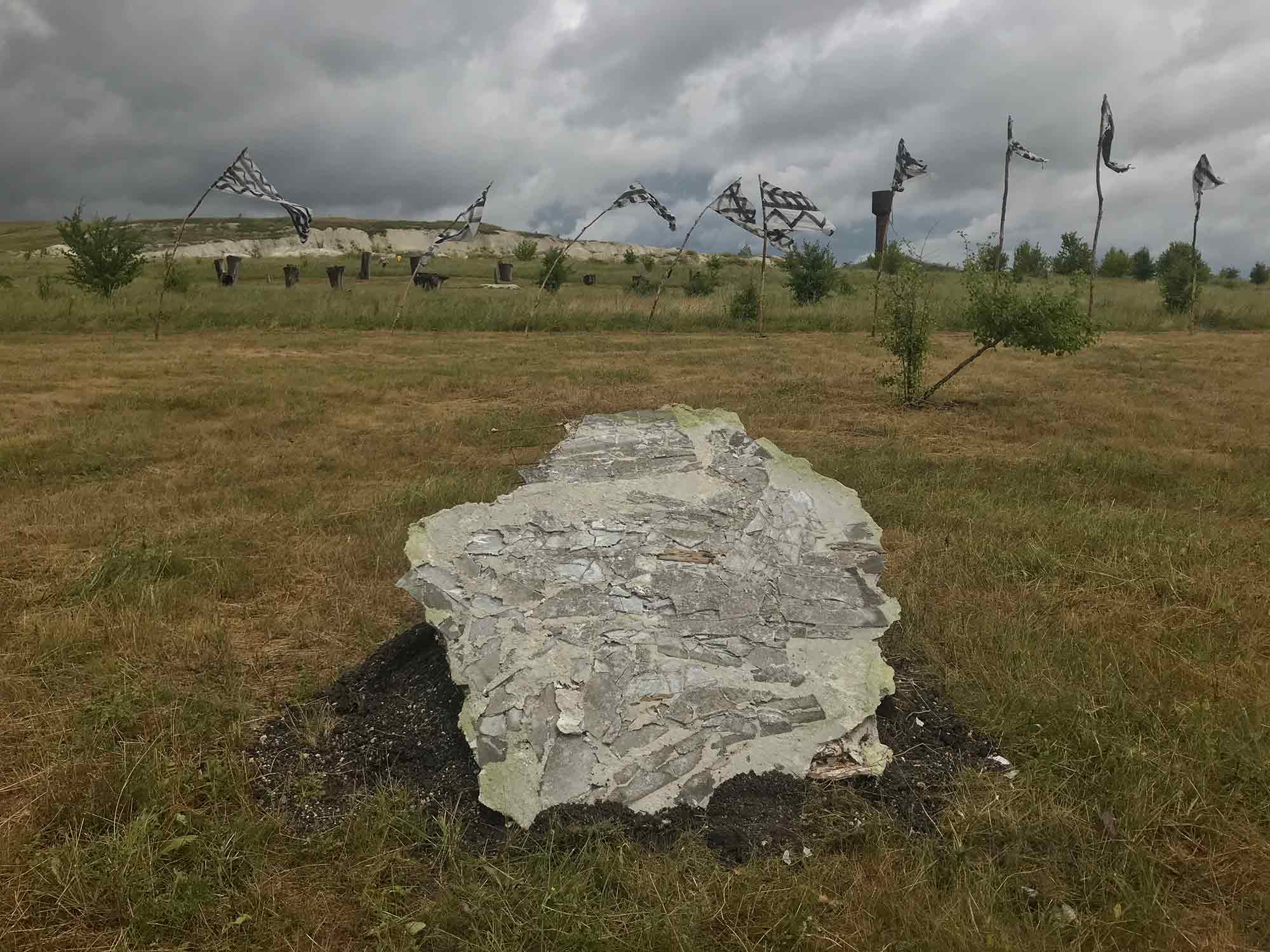
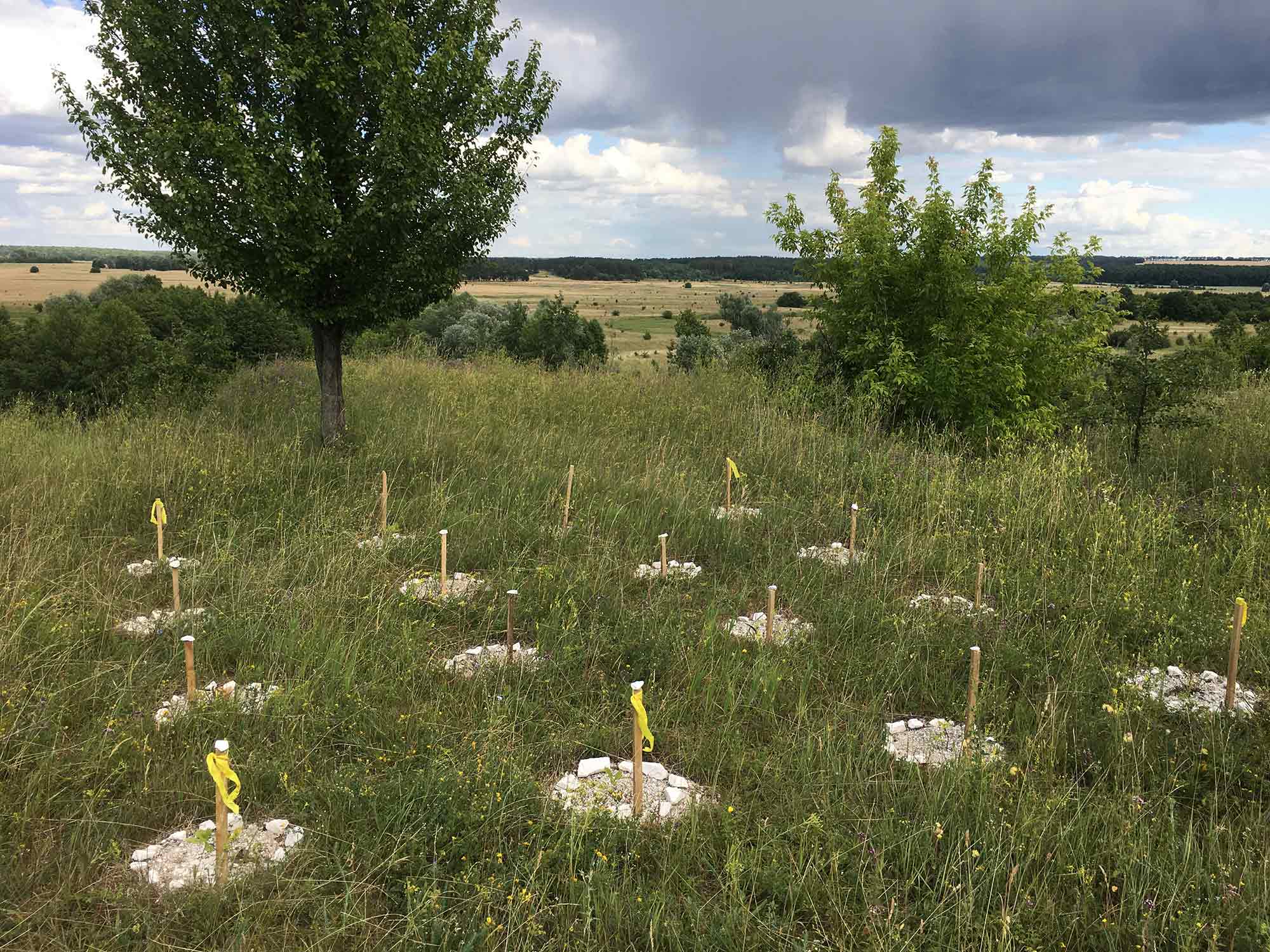
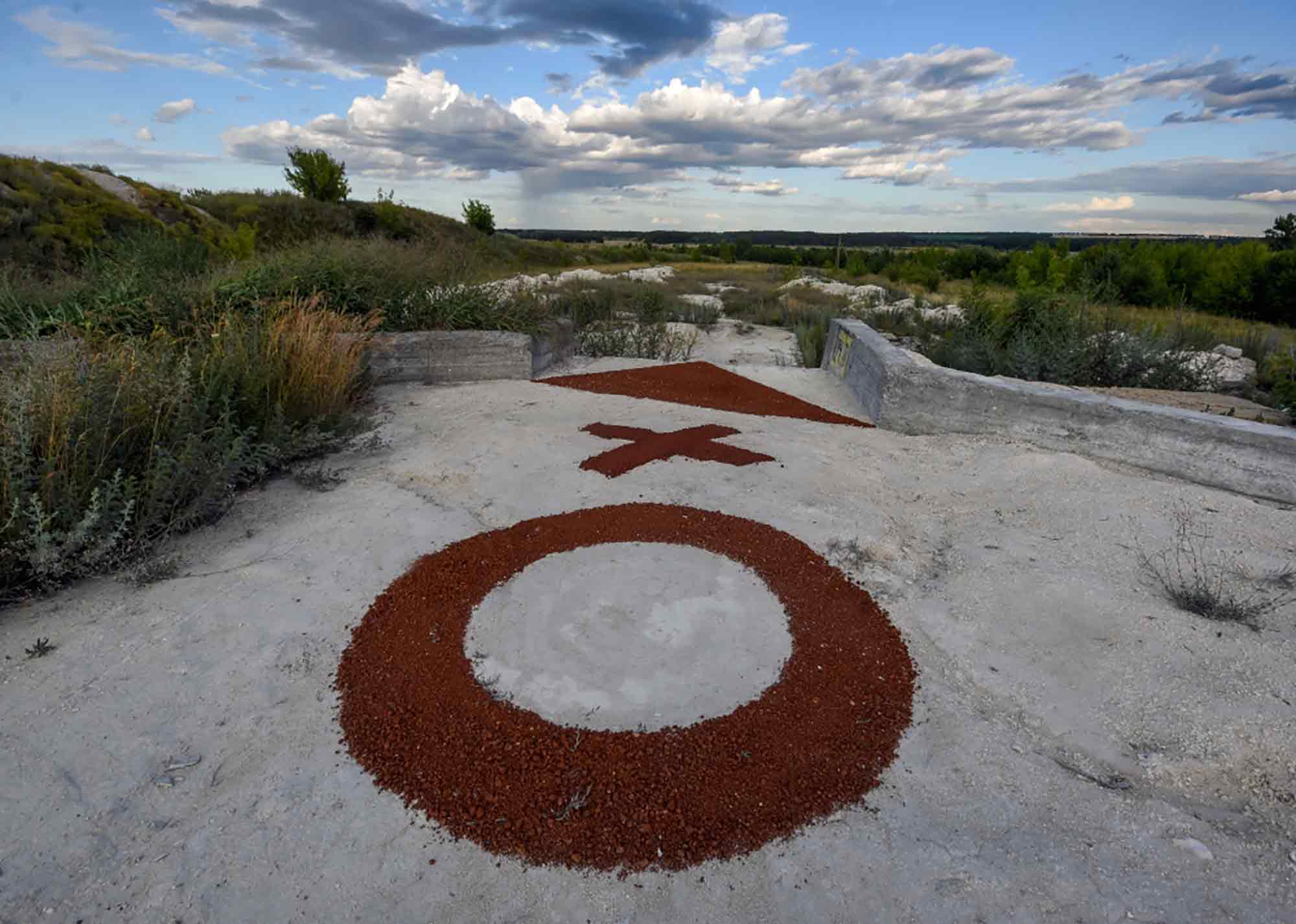
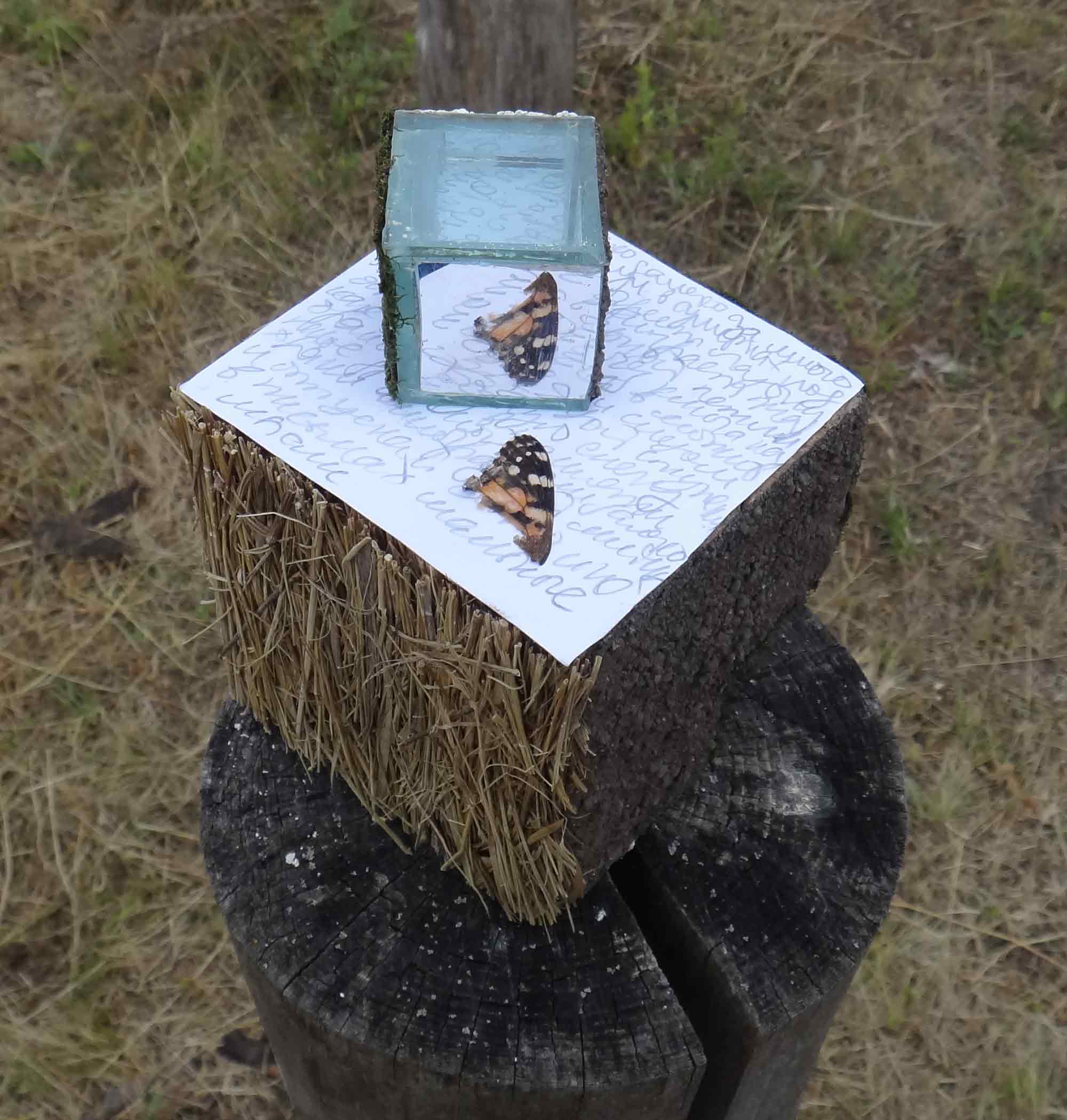
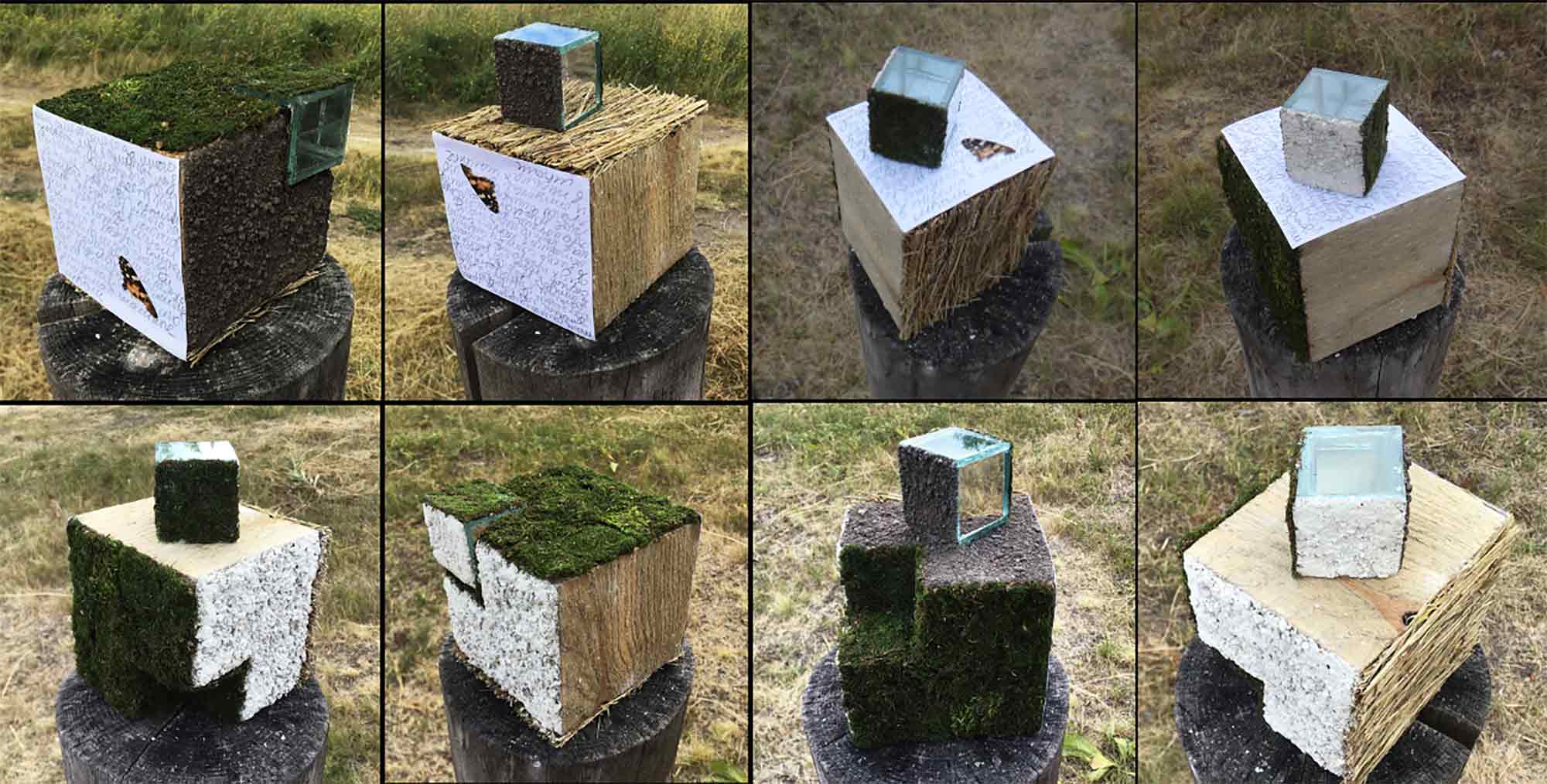
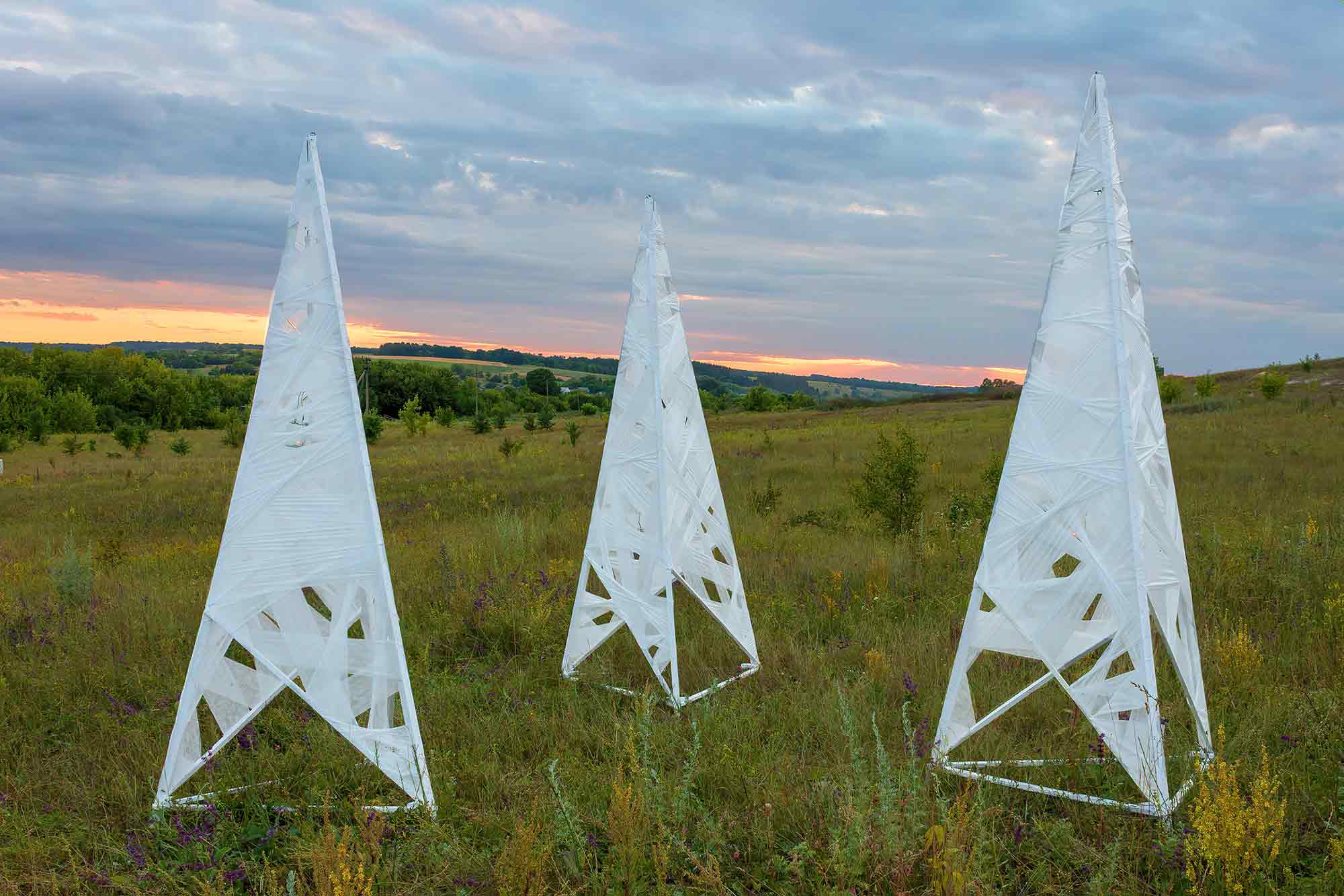
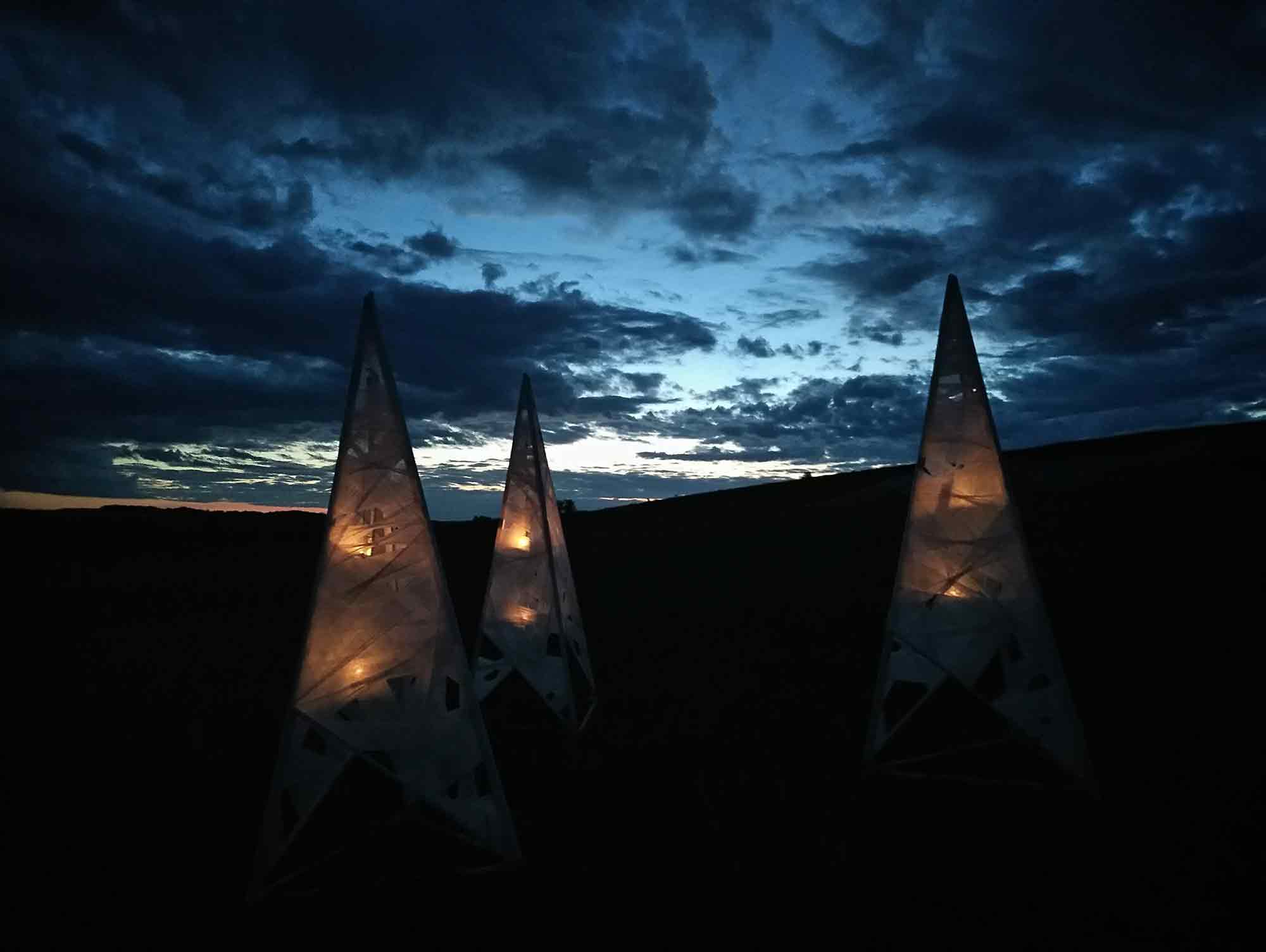
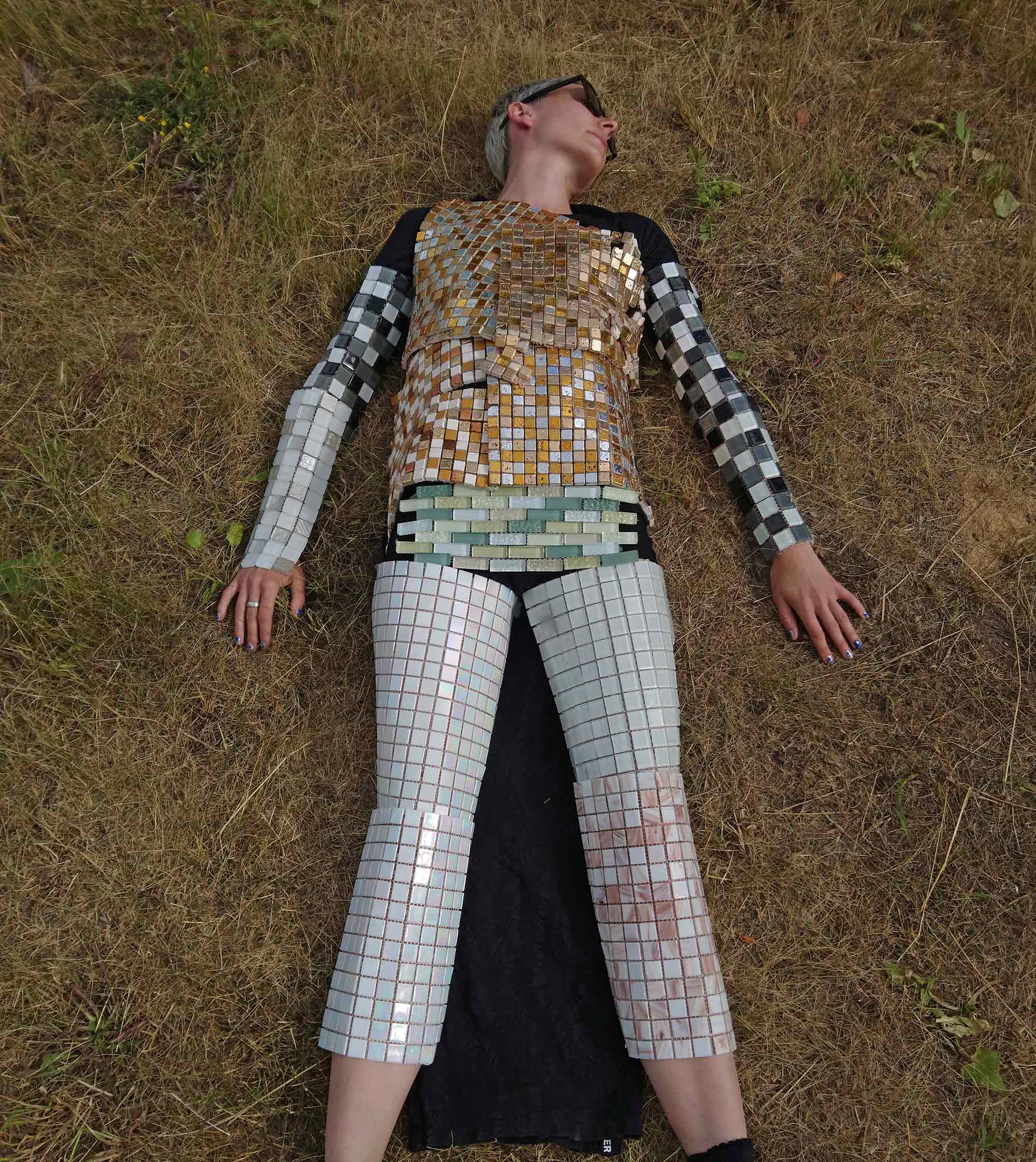
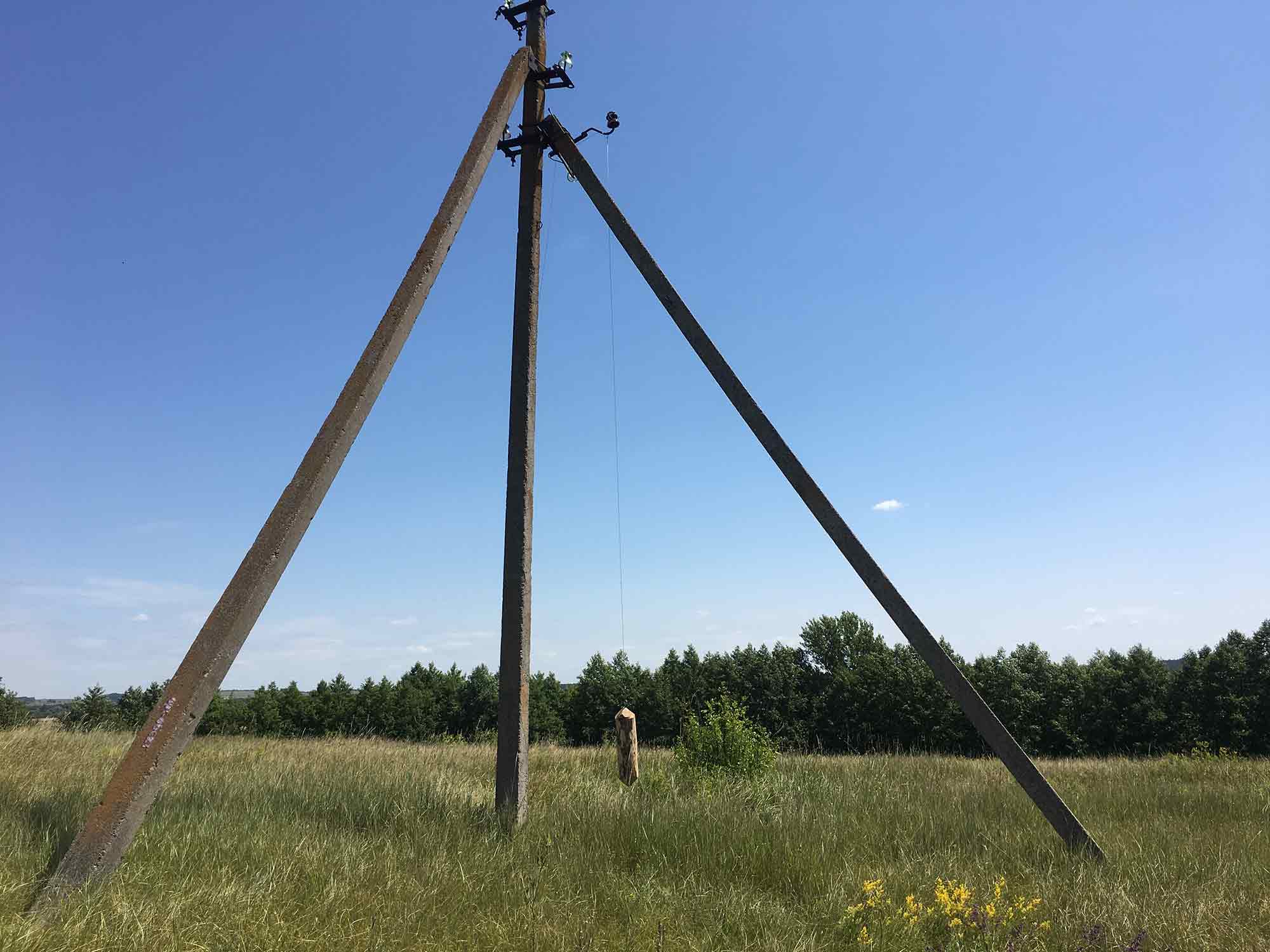
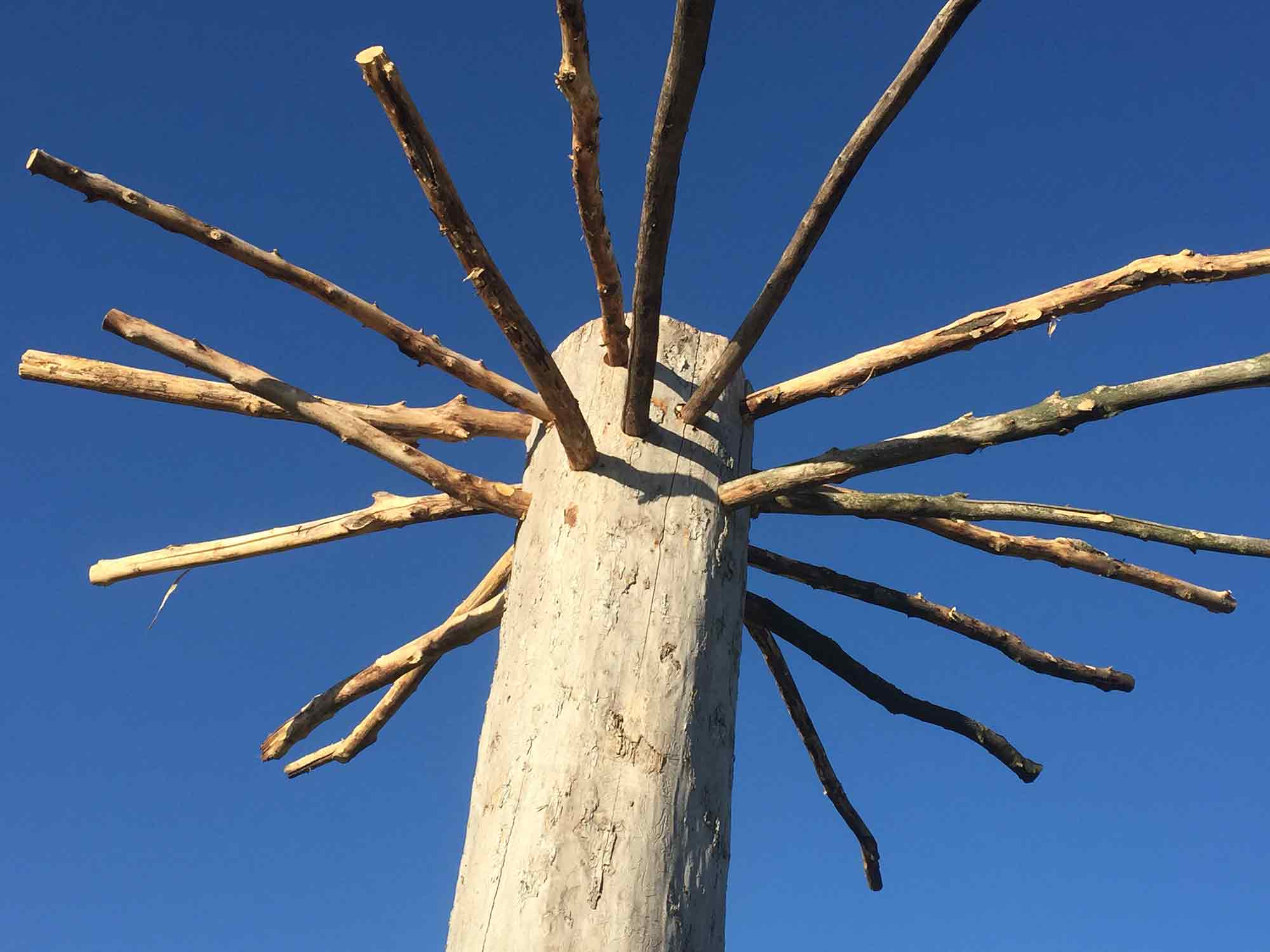
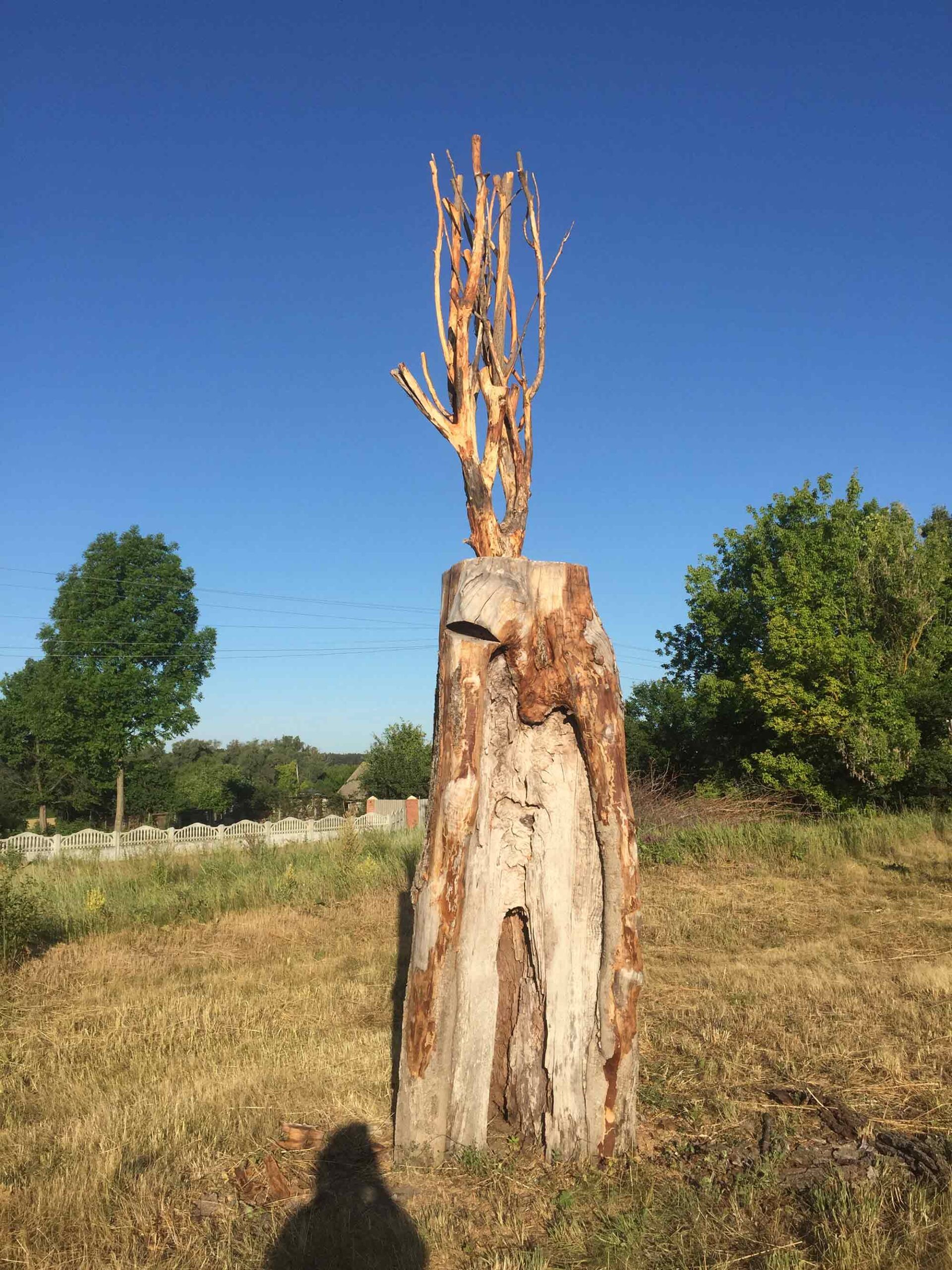
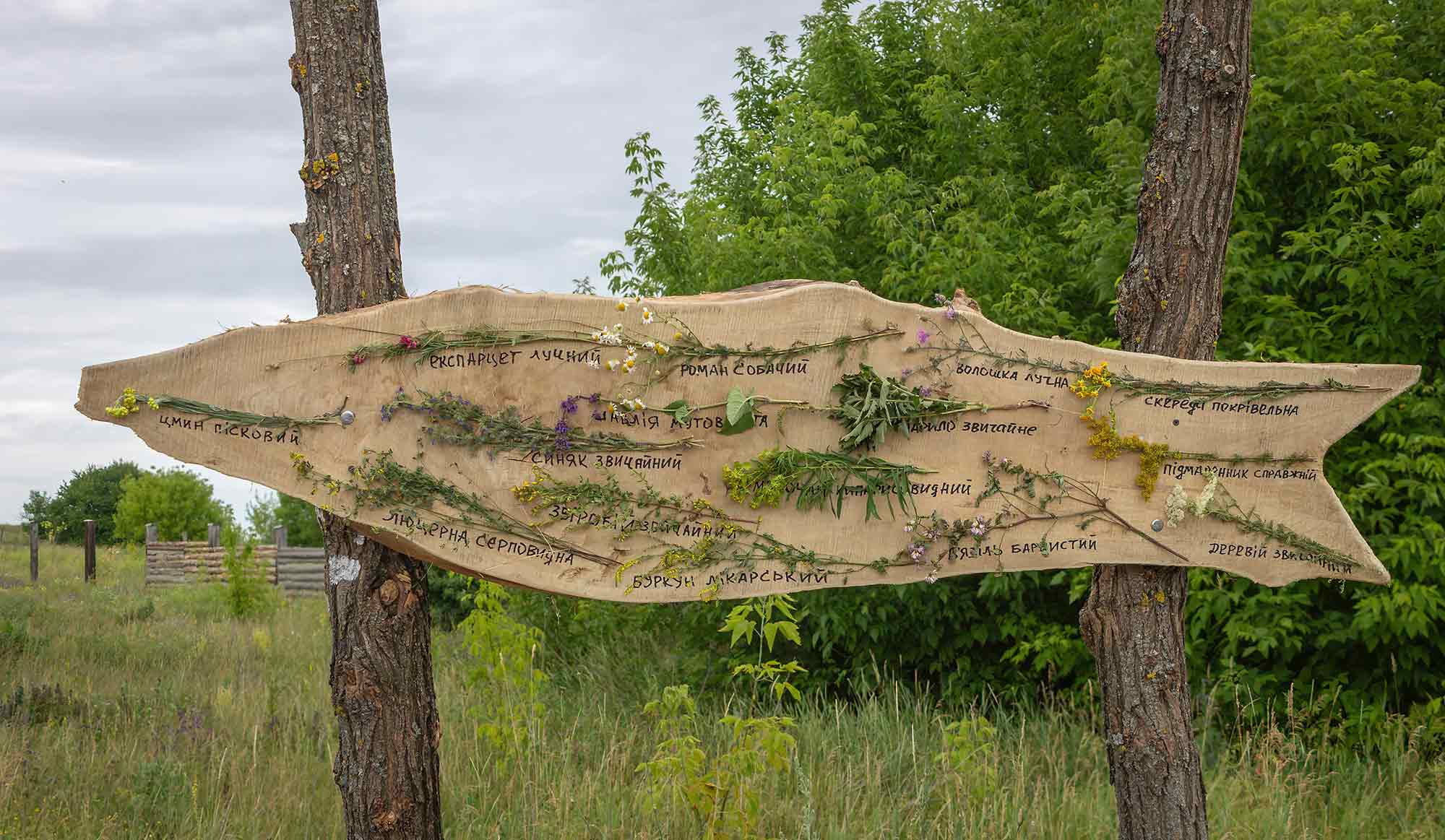
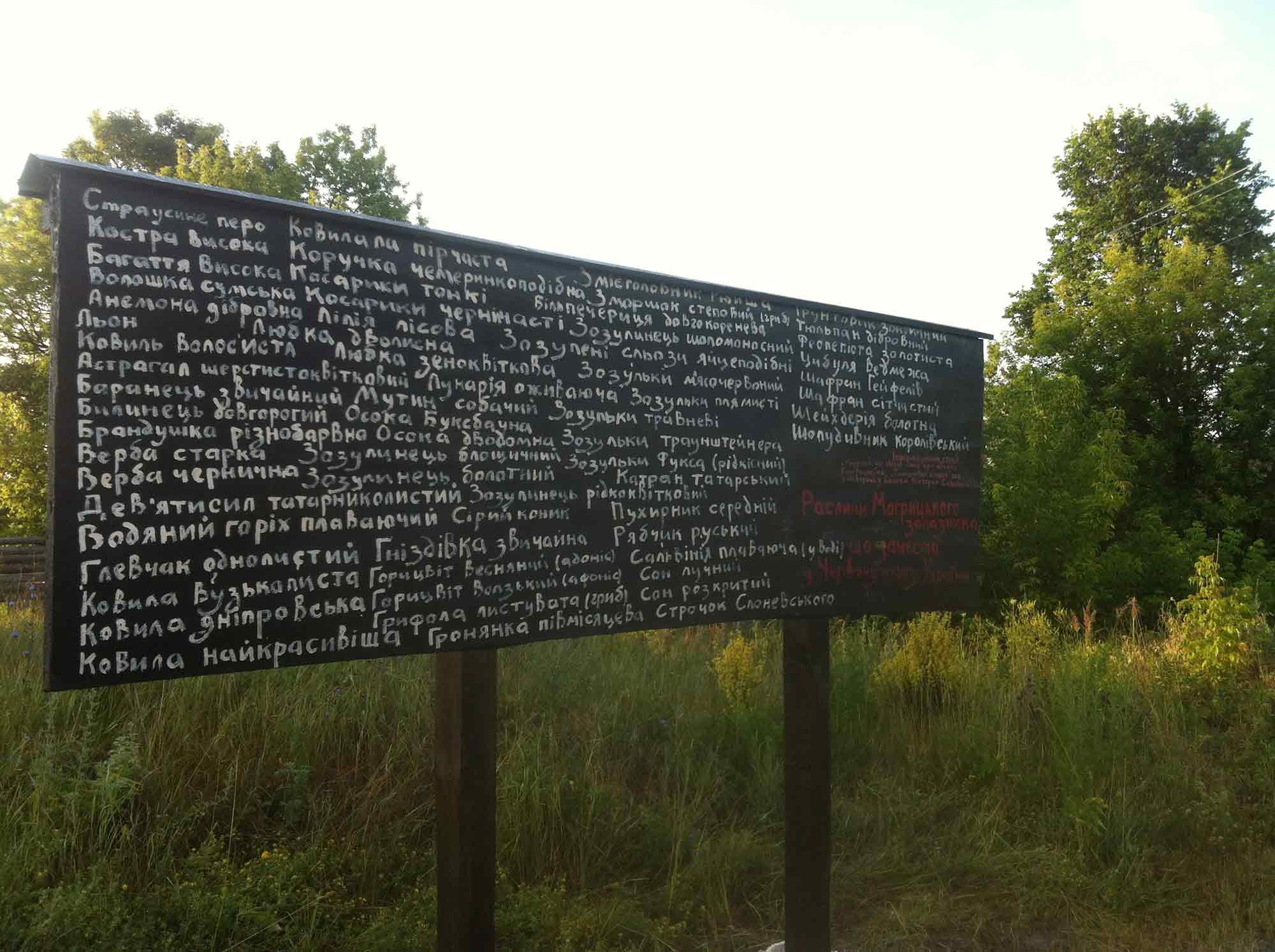
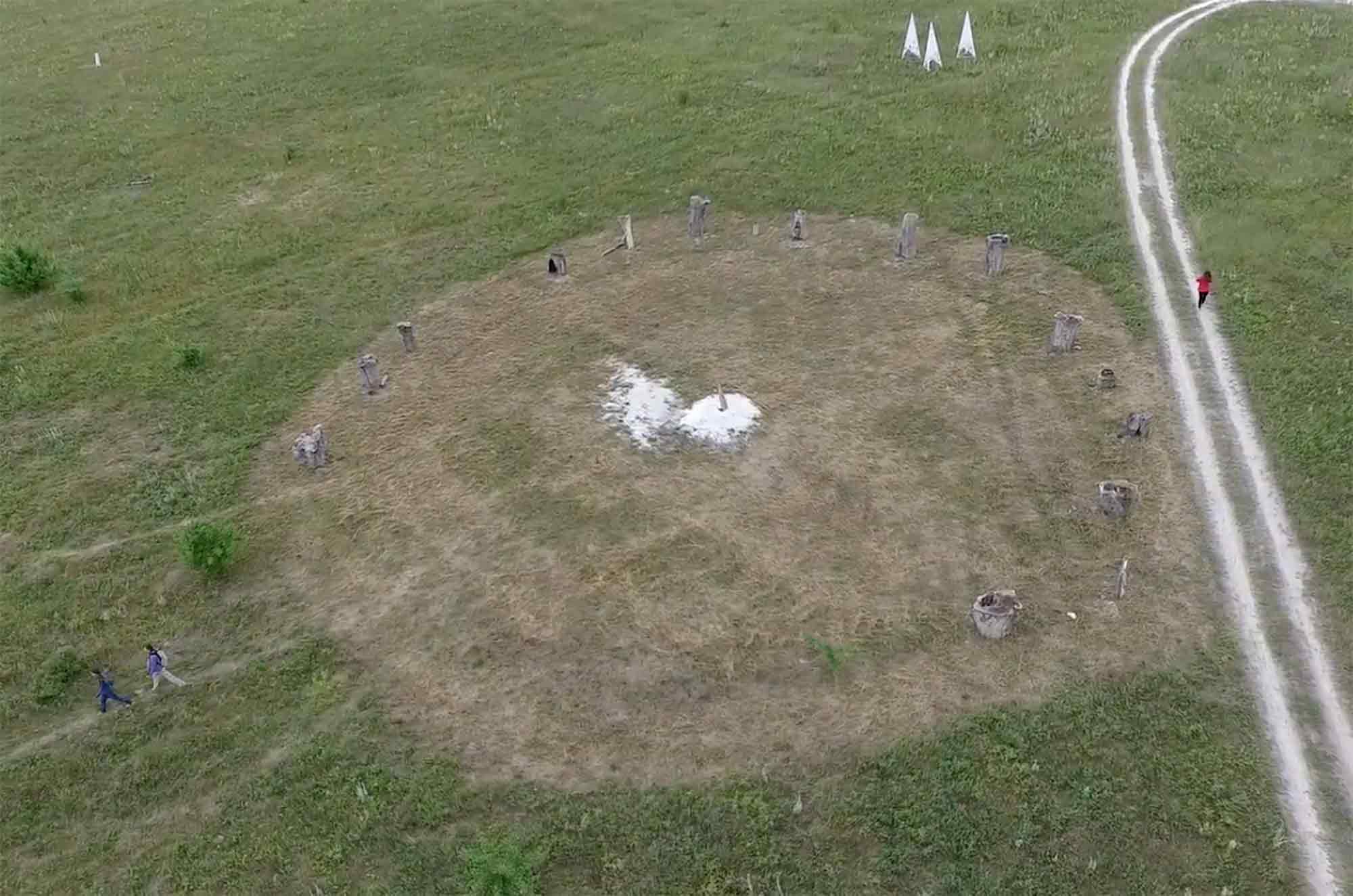
Numerous works created during the symposium engaged with the theme of “Feedback” in various ways: delicate, non-invasive, working with natural materials and subtle messages, often incorporating elements of mystification and cryptography. “Letters for Mykola Ivanovych” by Katia Buchatska and Serhii Voinalovych featured a mysterious message on organic, handmade paper. “Traps” by Katia Libkind explored how nature captures human attention, while humans, in turn, capture themselves. “Supernature” by Liusia Ivanova blurred species boundaries through subtle, barely perceptible substitutions. “Interpenetration” by Anna Gidora—an expressive graphic composition in concrete, chalk, and clay—was a dedication to the mutual influence of the anthropogenic and the inhuman, of different principles and poles, serving as a reminder of the importance of mutual respect, care, and the subtlety and fragility of boundaries.
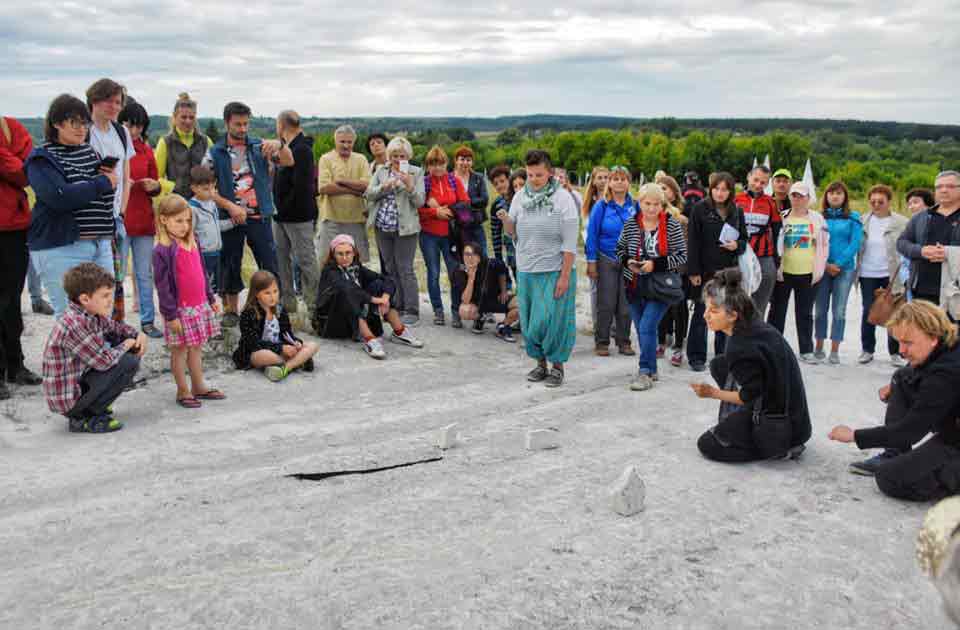
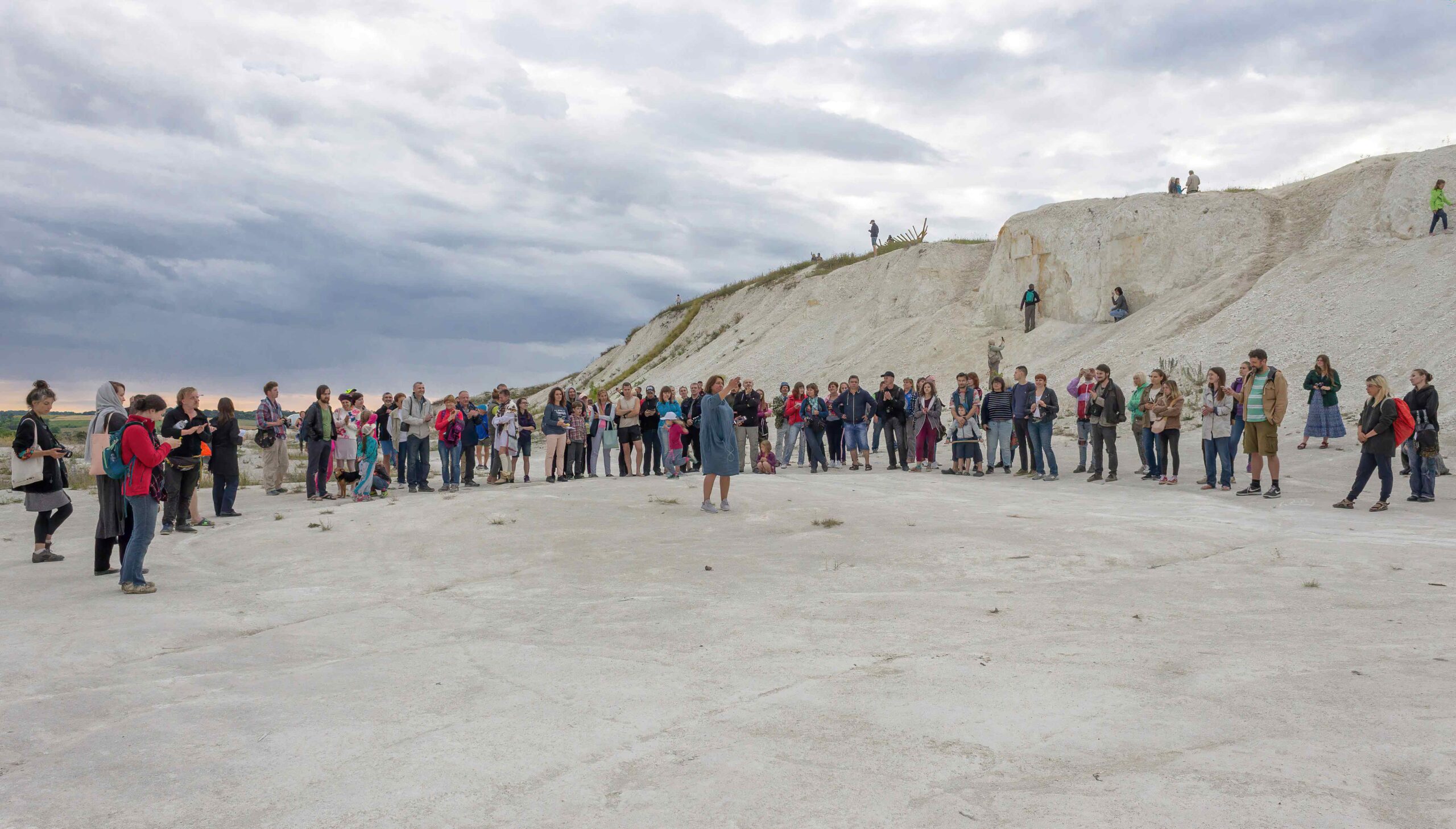
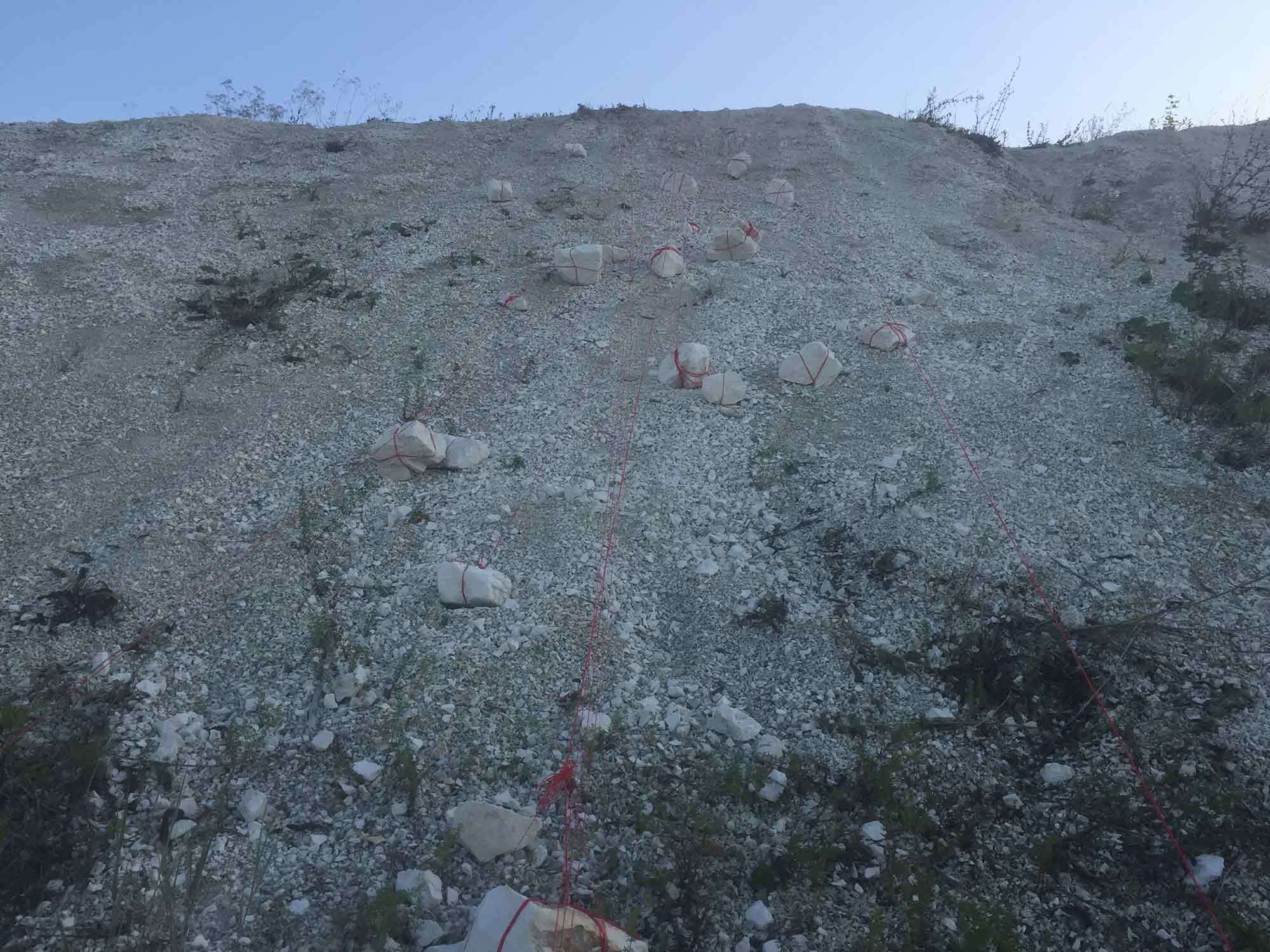
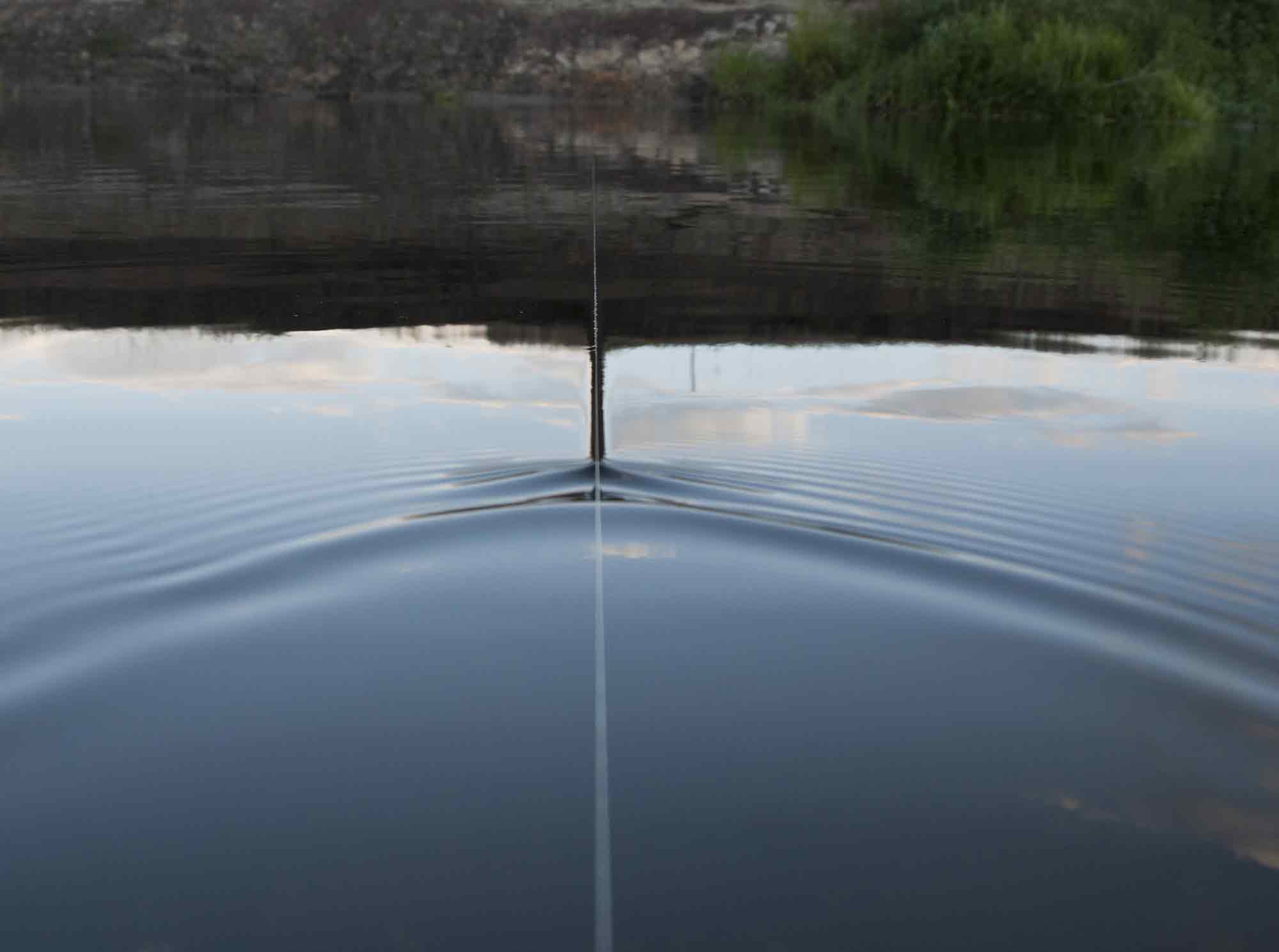
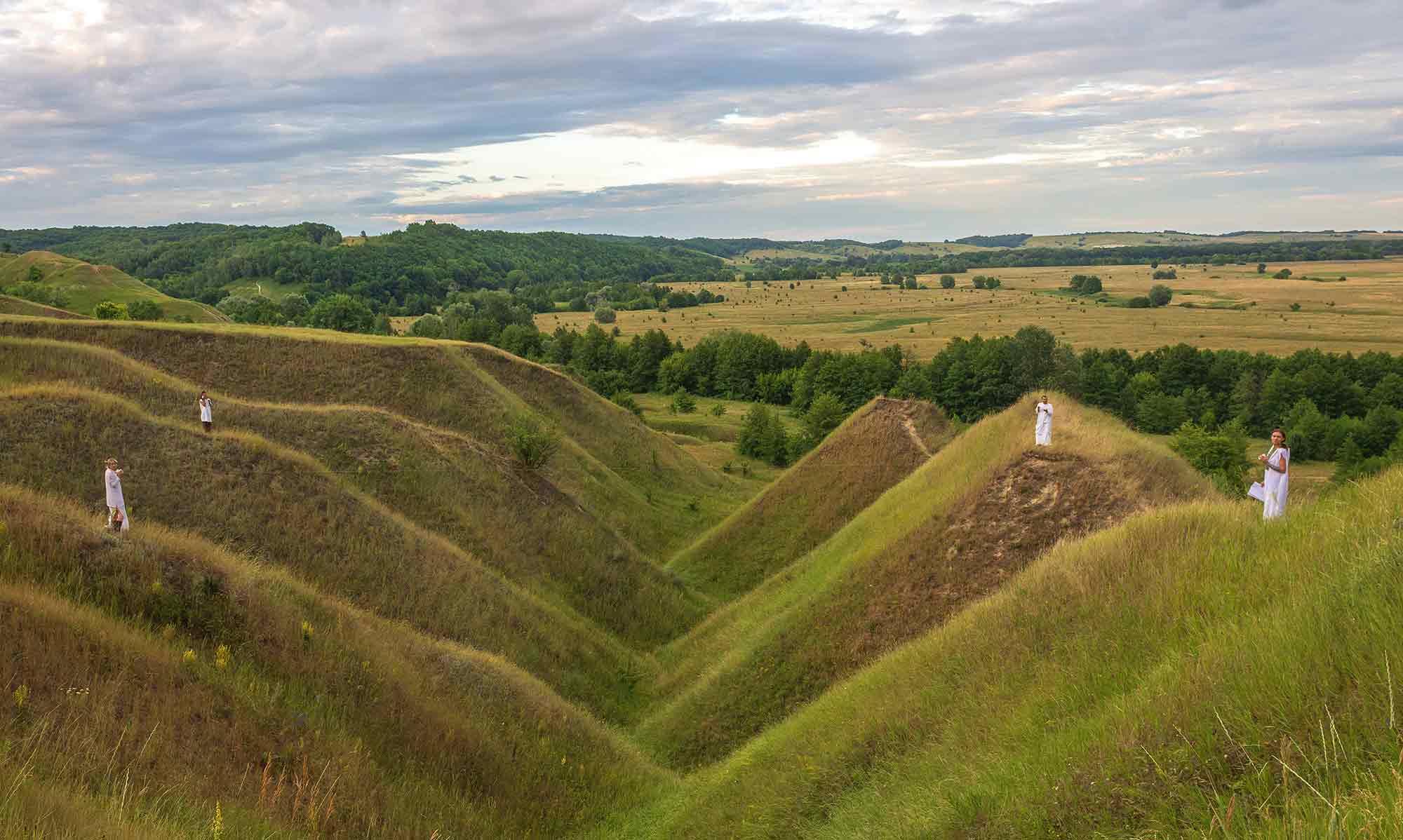
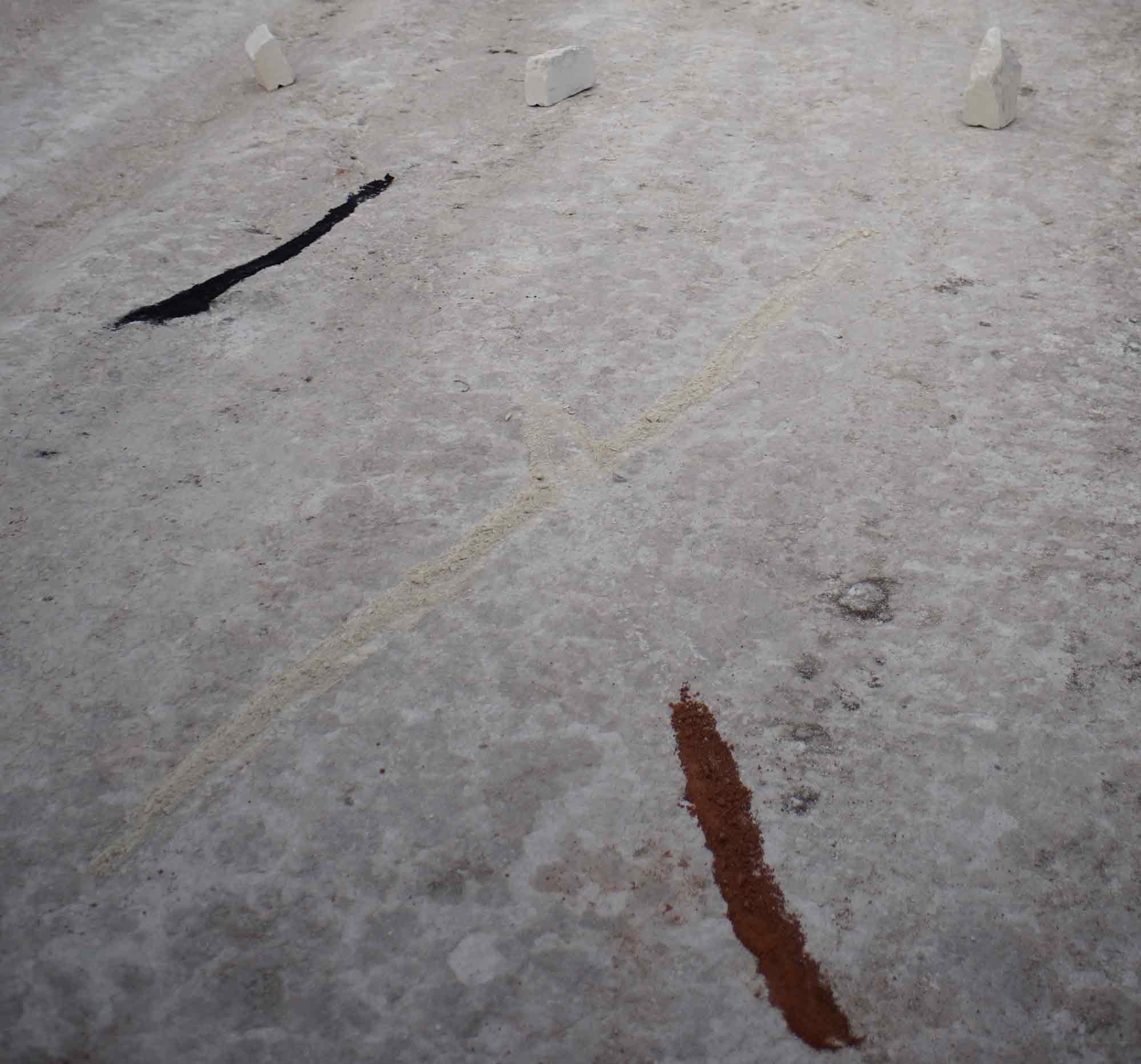
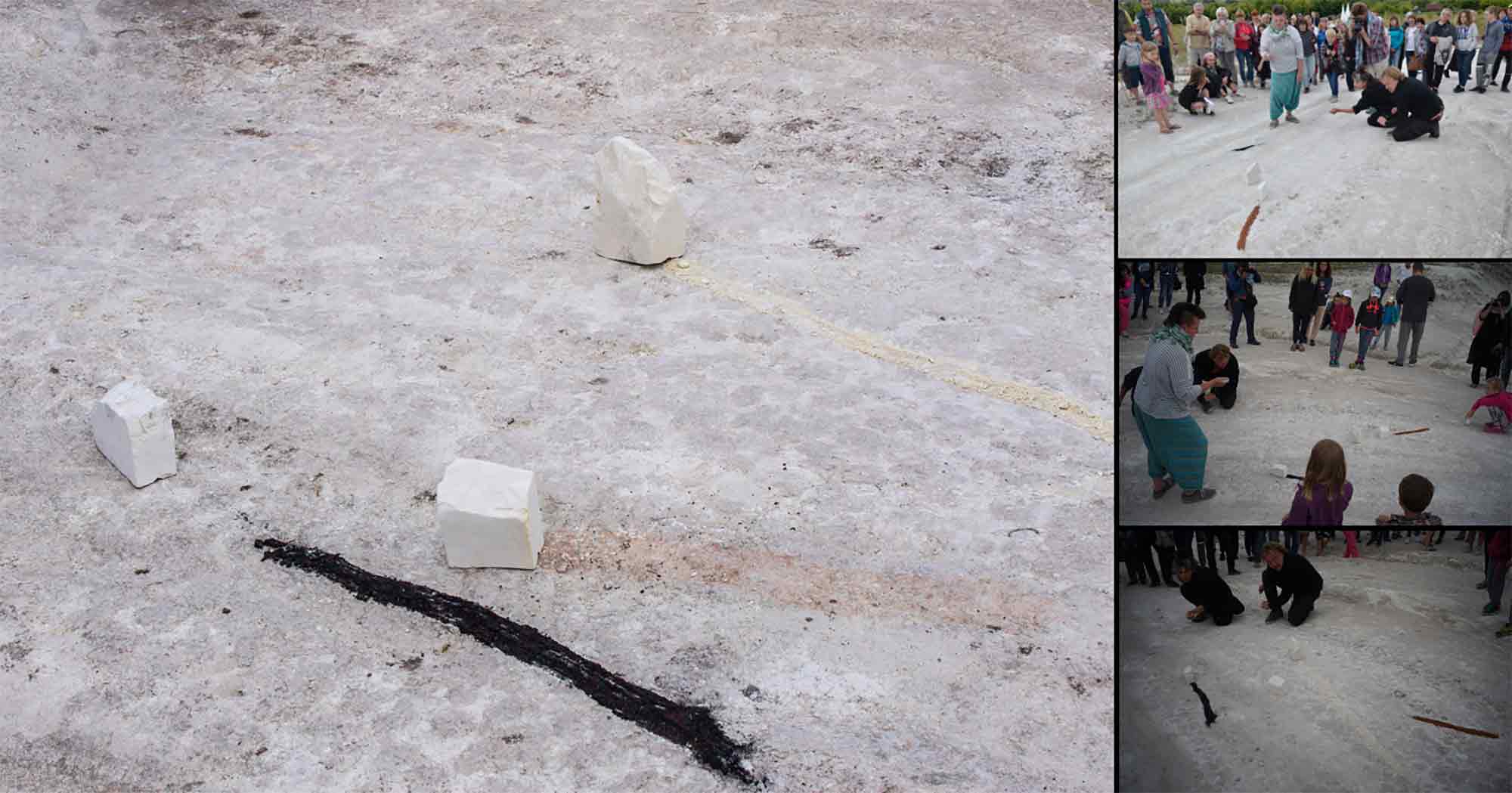
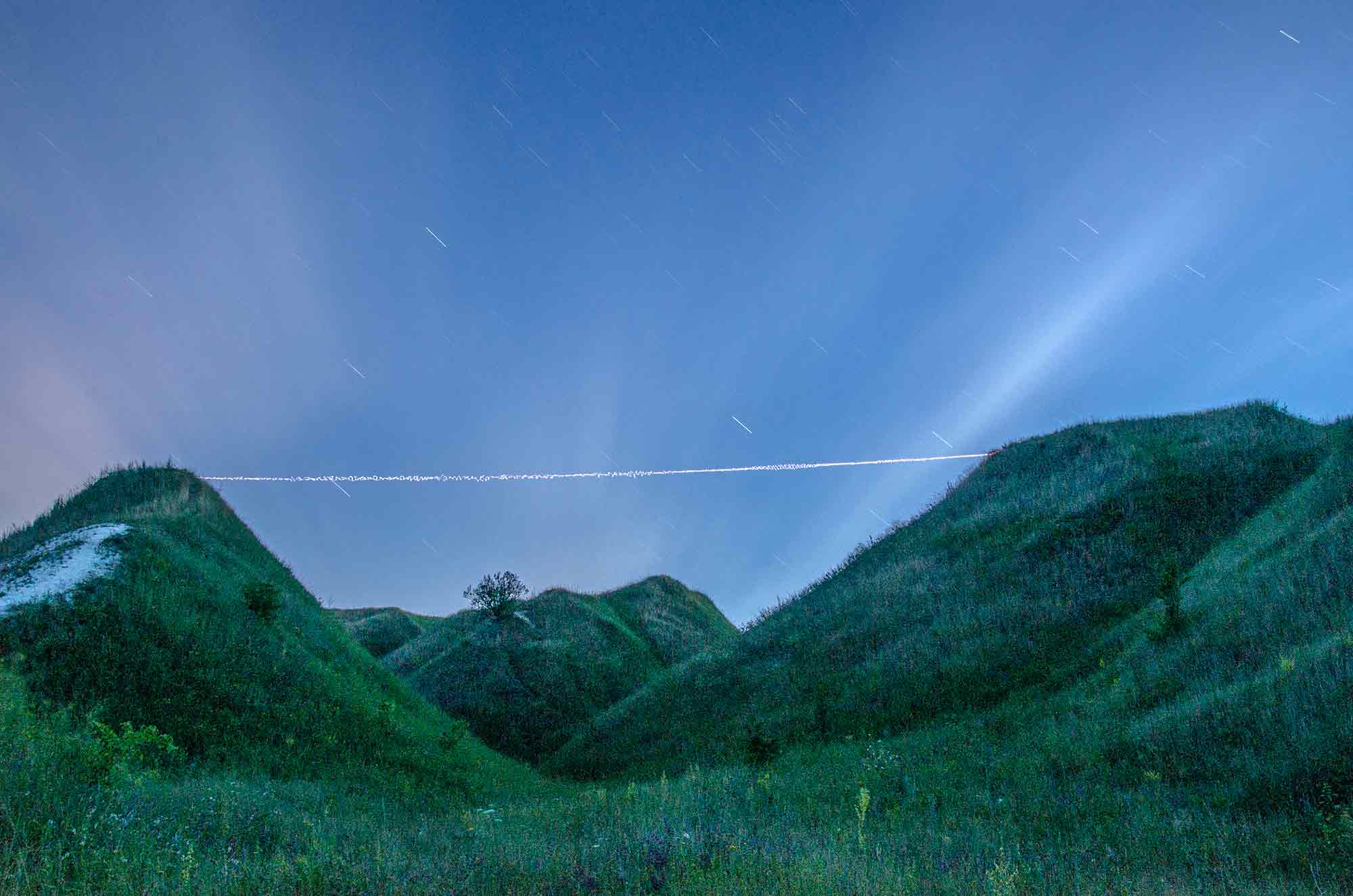
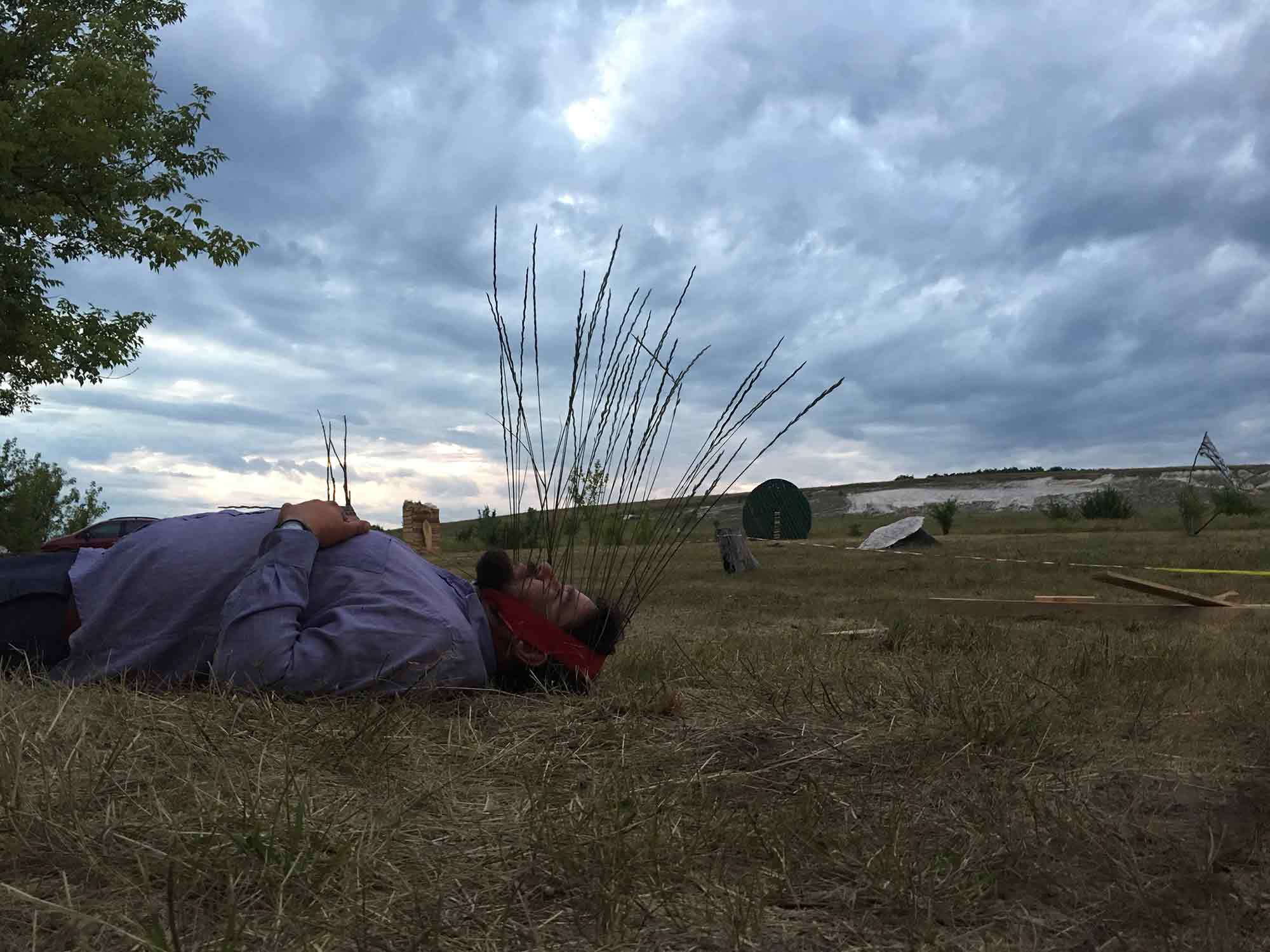
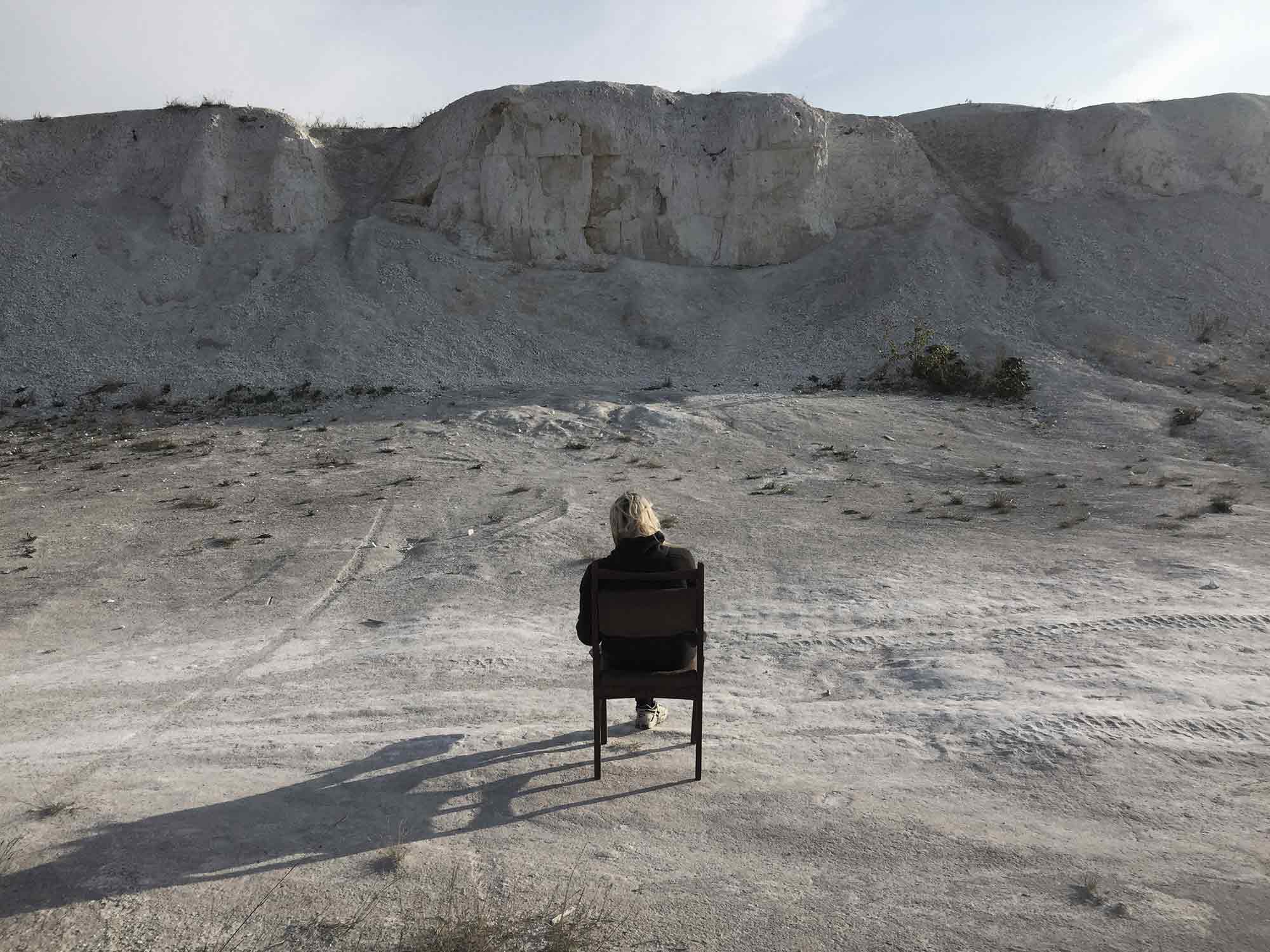
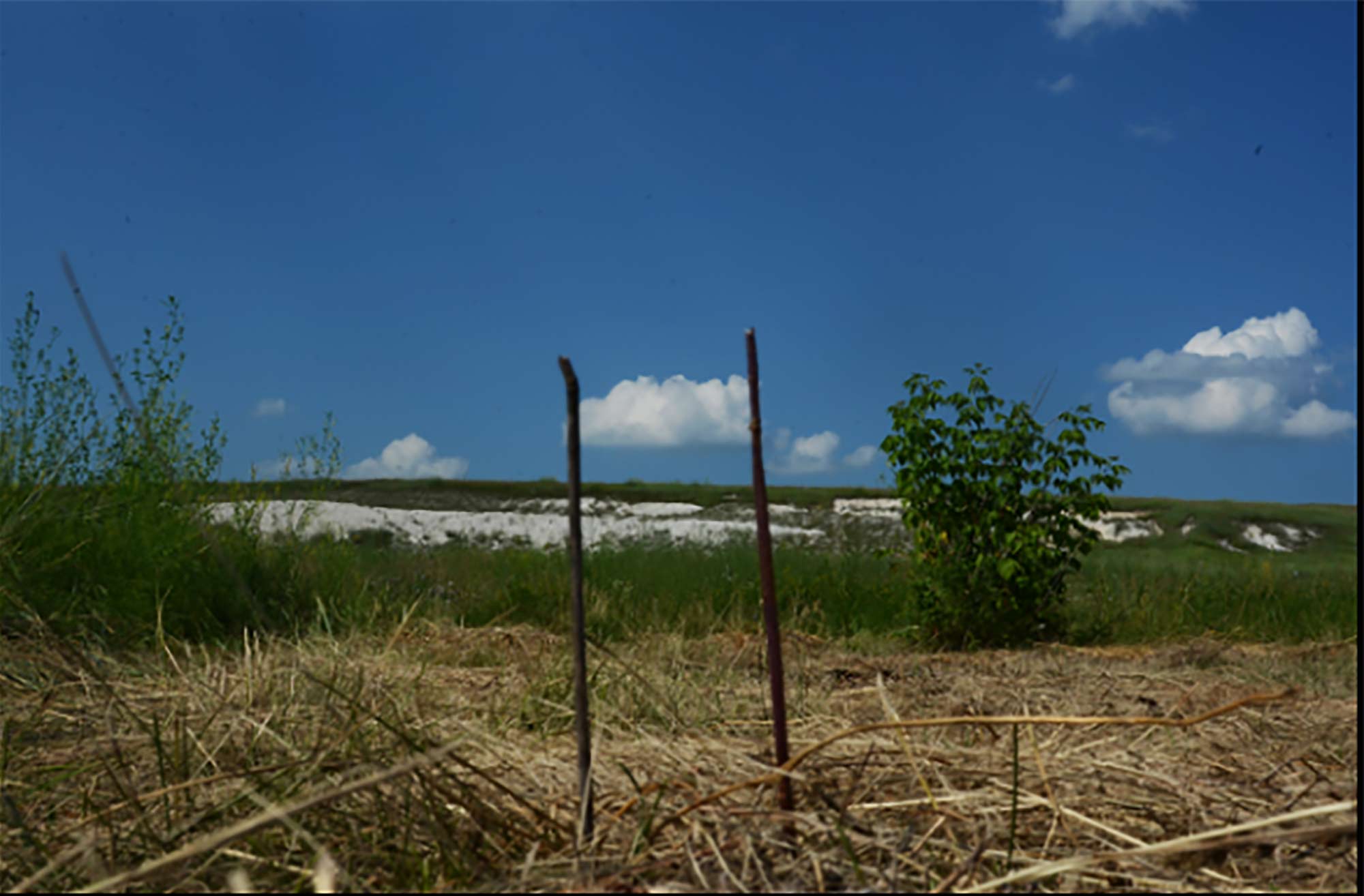
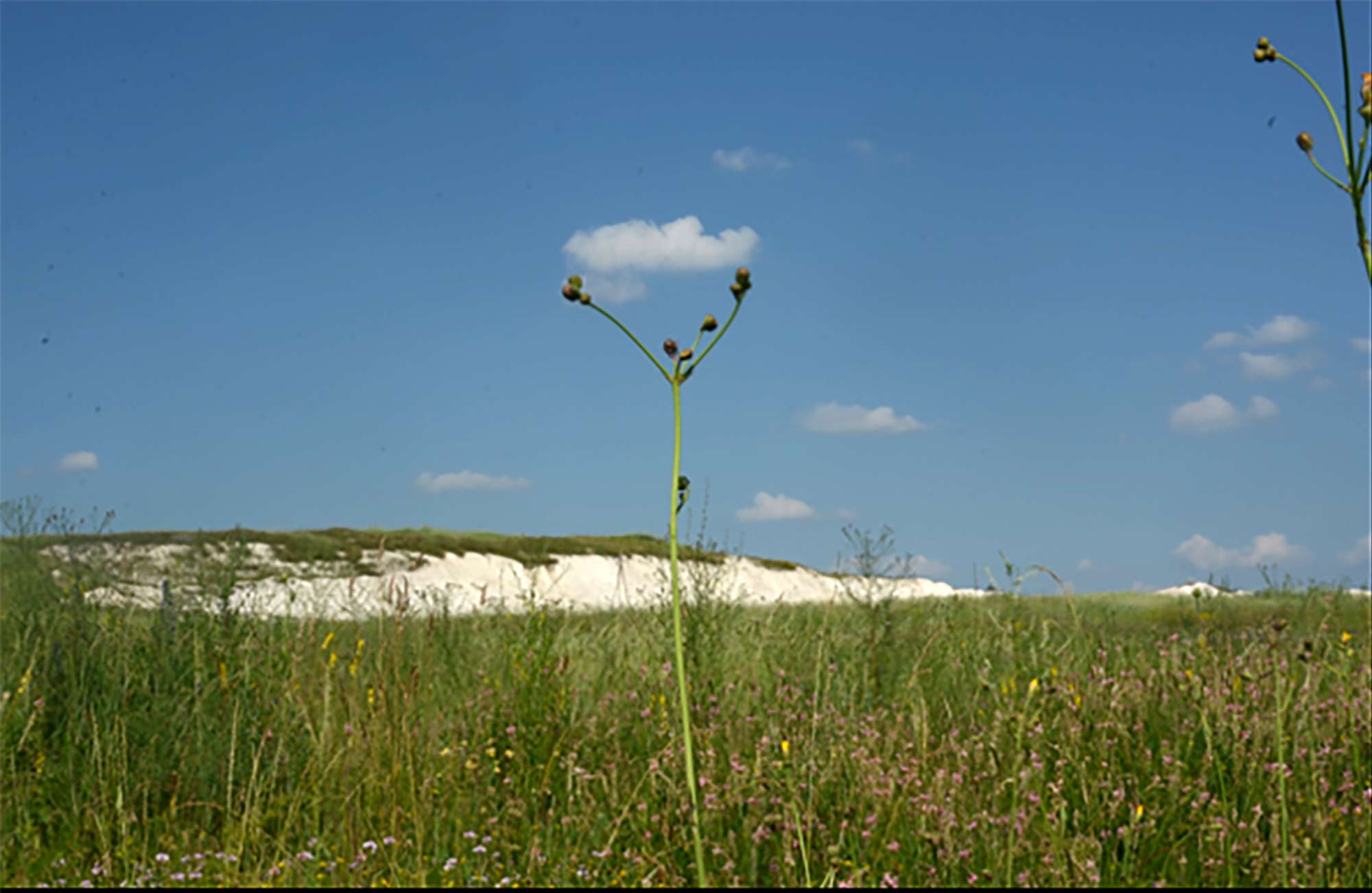
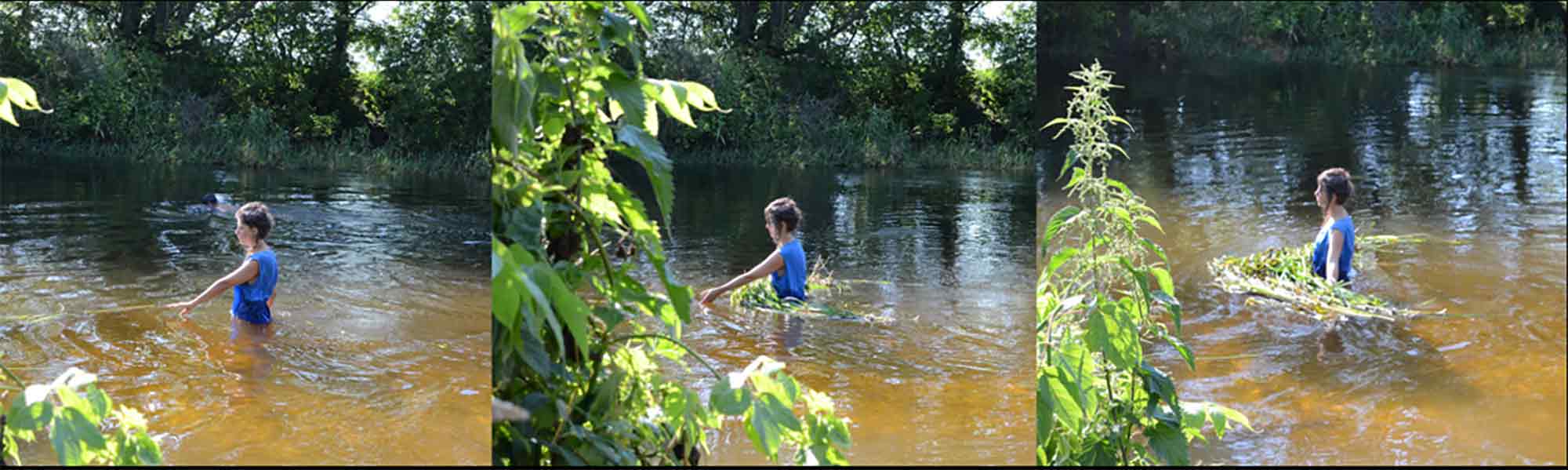
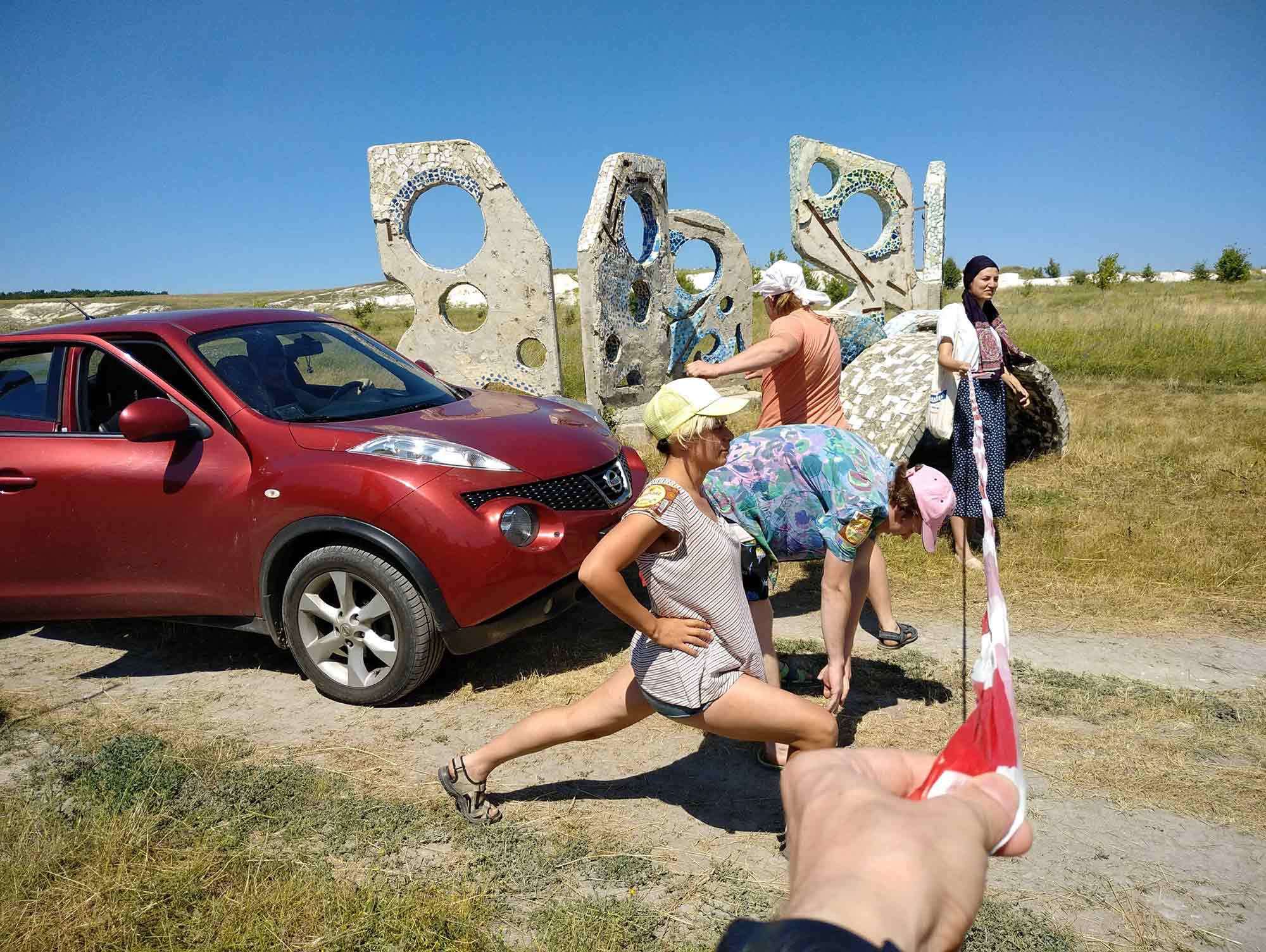
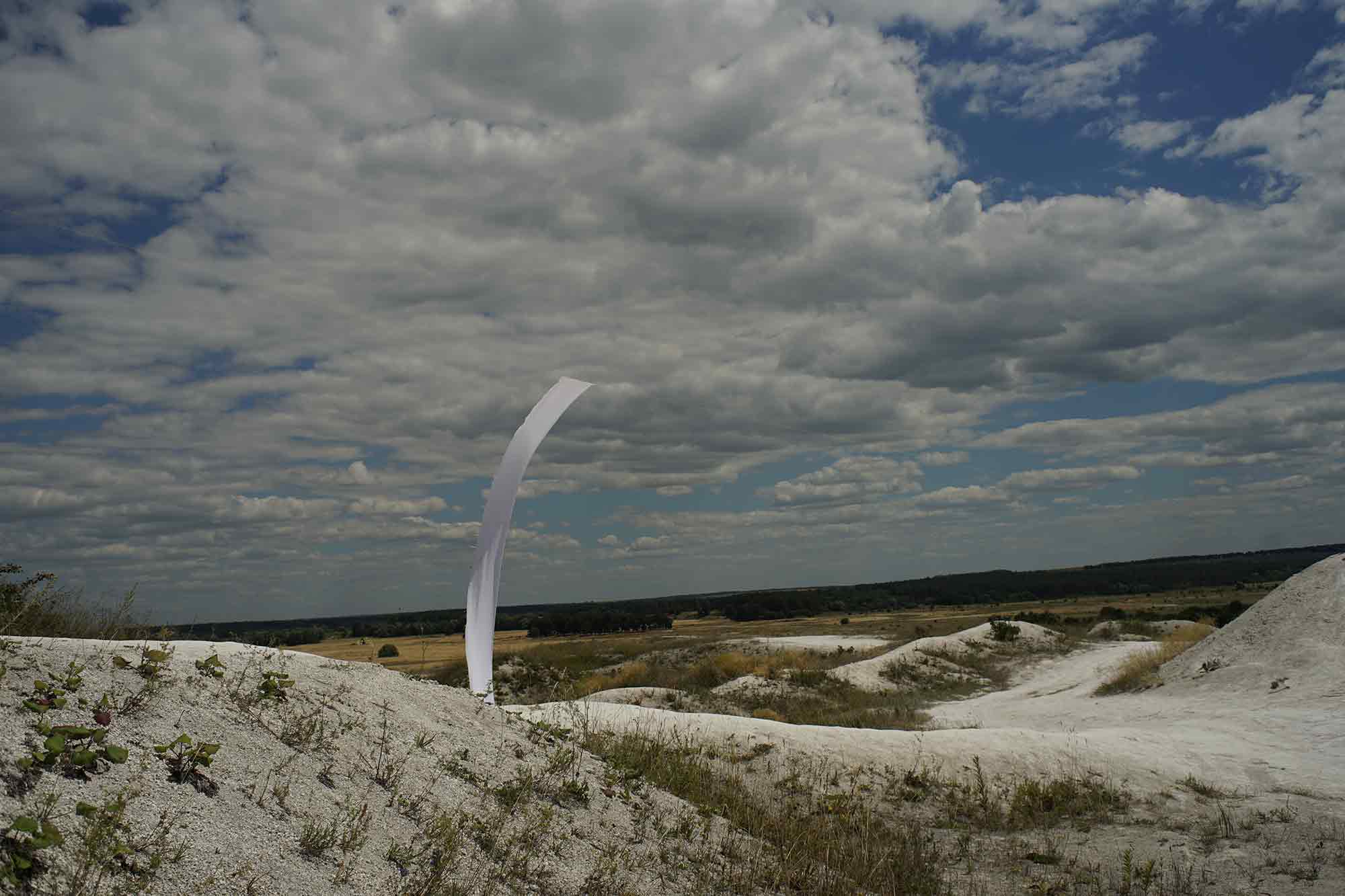
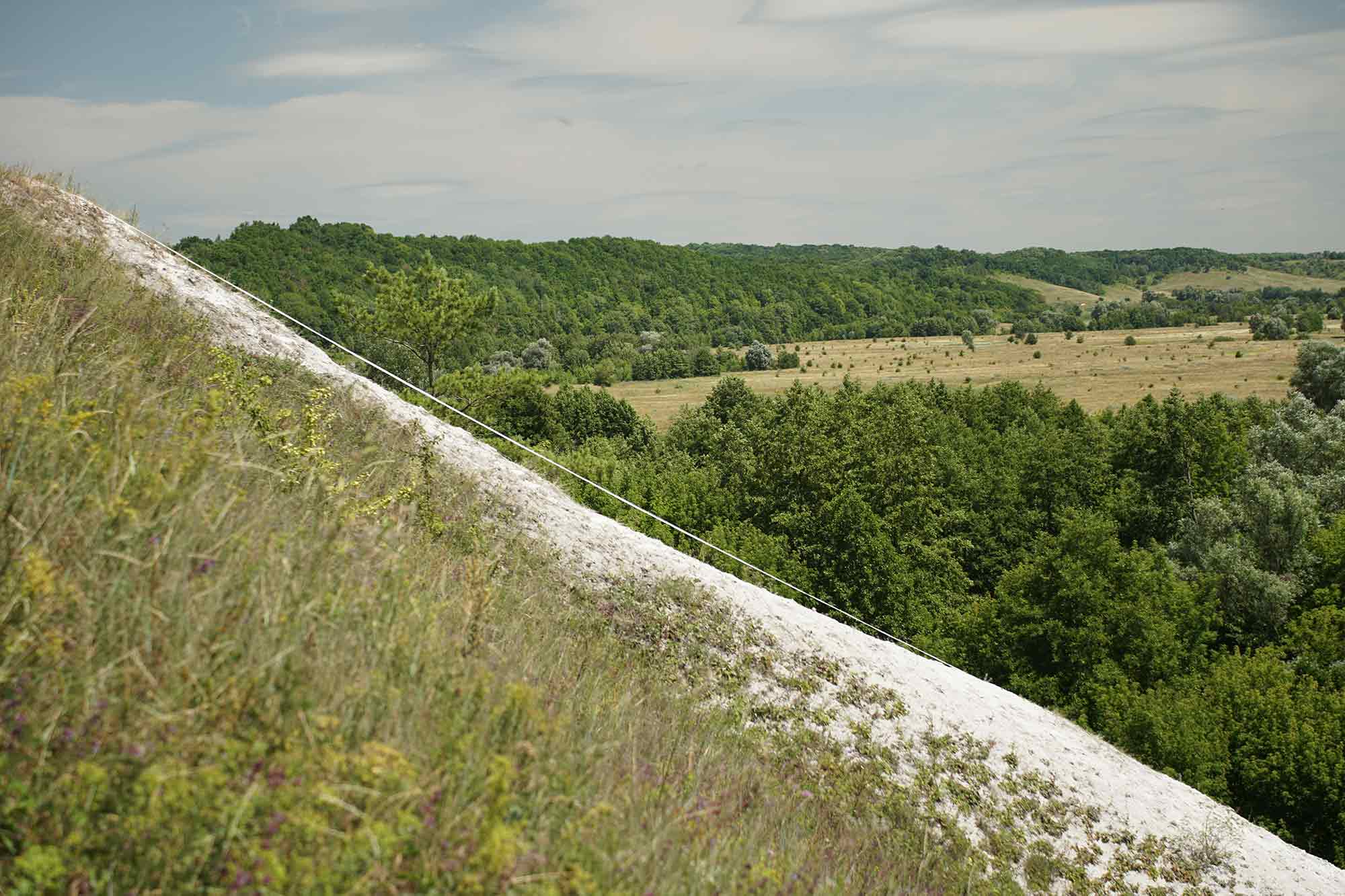
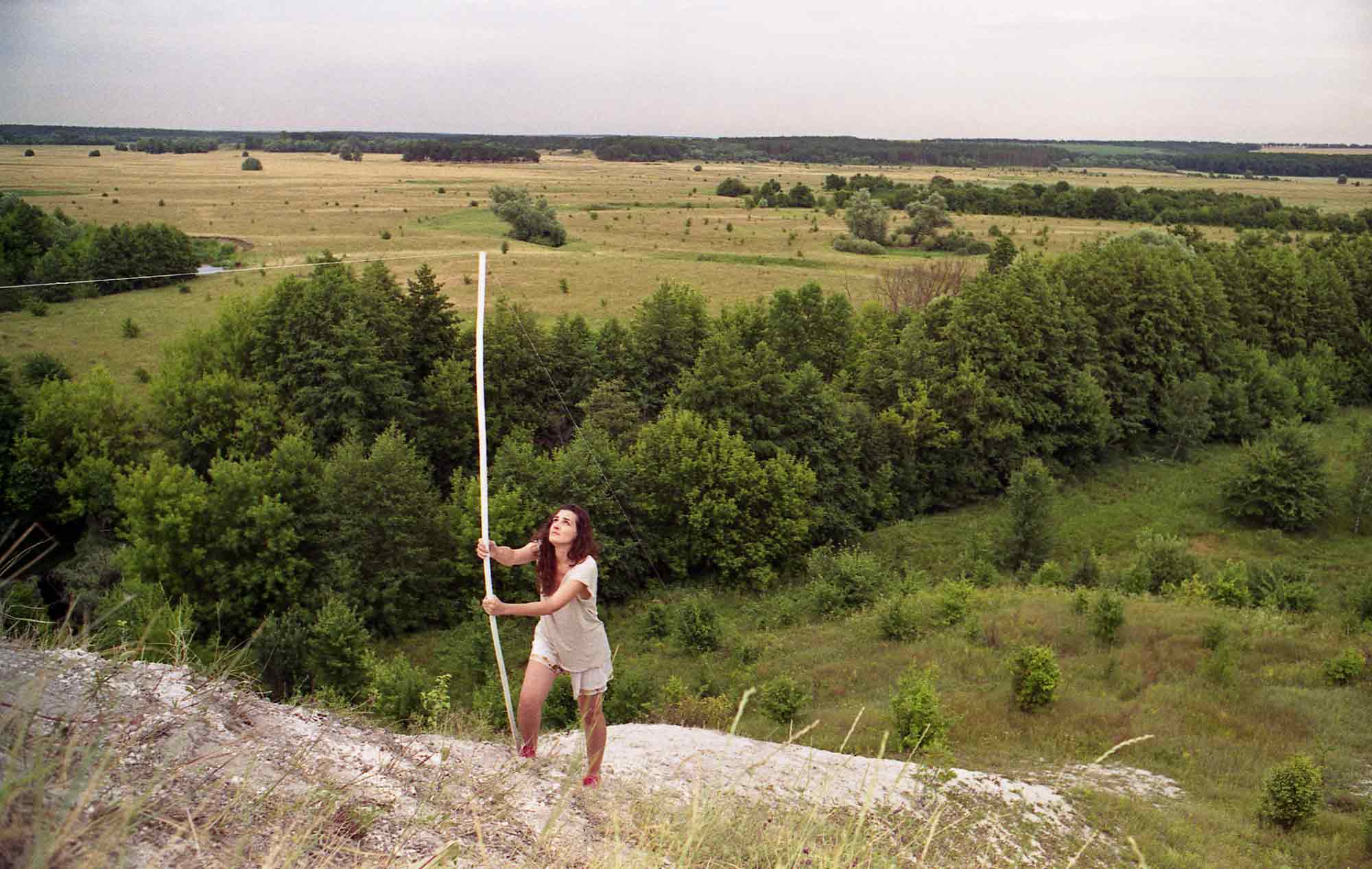
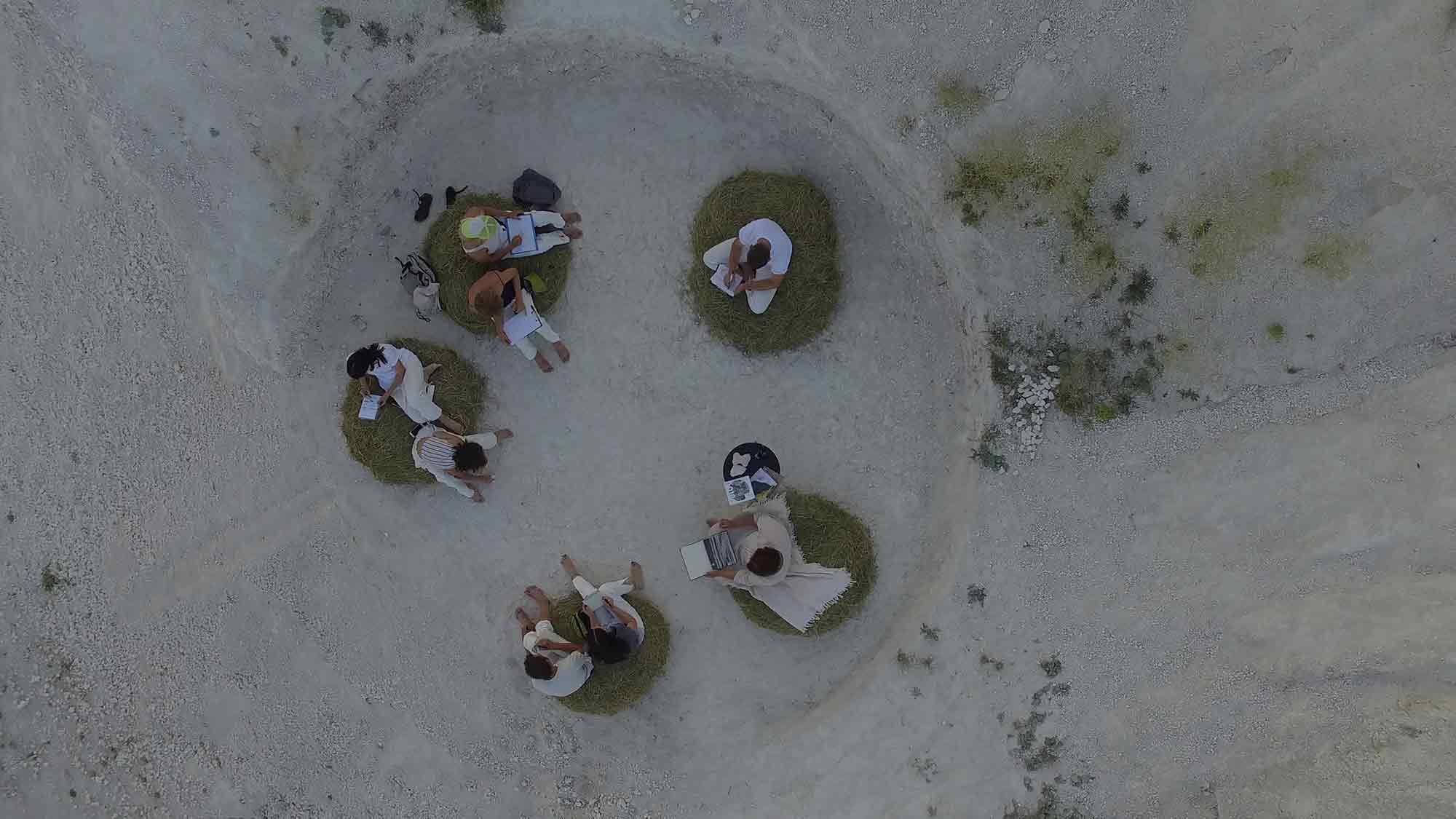
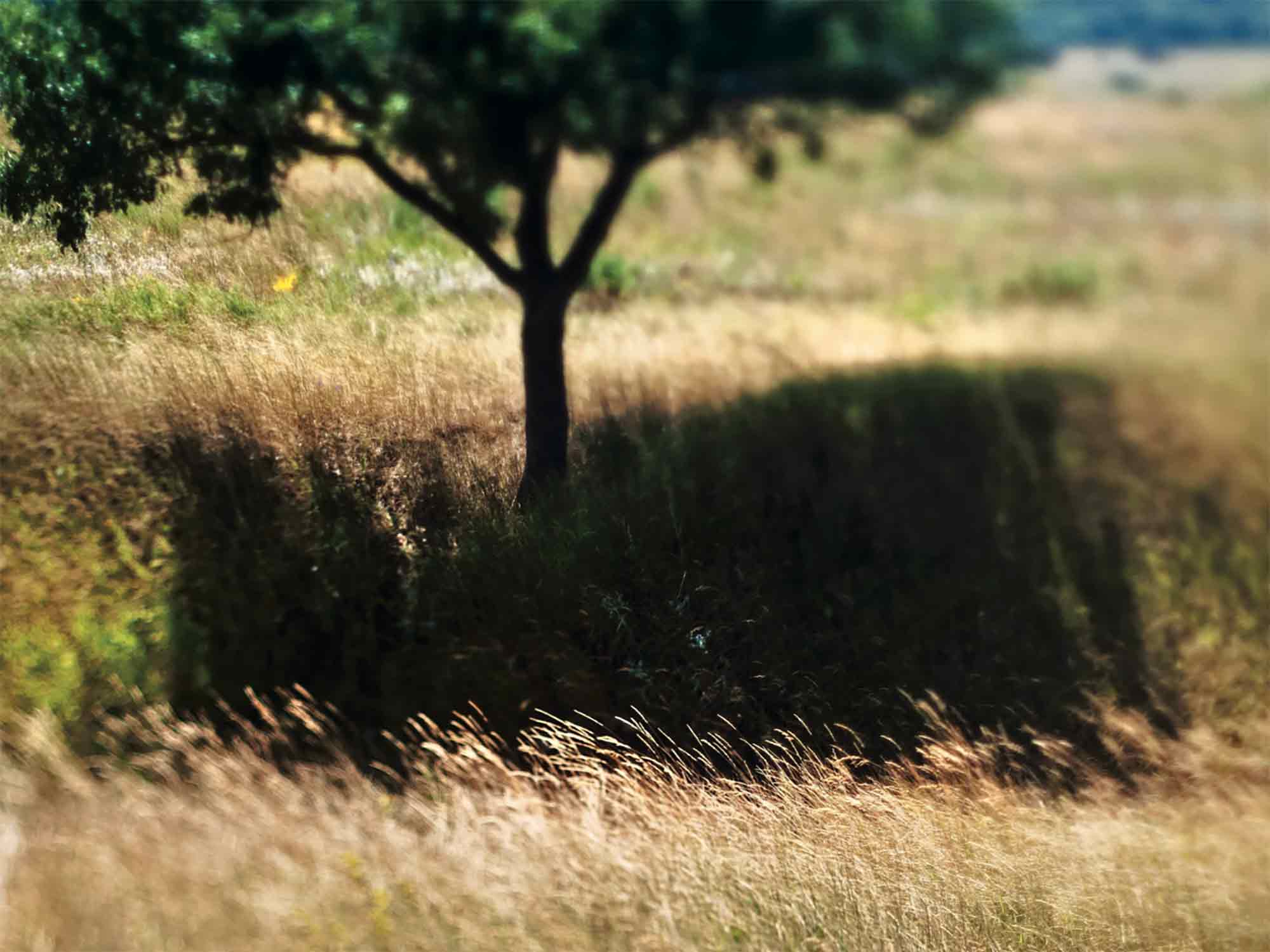
“Studies for the Landscape”—projects begun at the previous symposium (“Horizon Formula,” 2018)—also merged organically into the theme of “Feedback.” This series of collective actions, inspired by quantum mechanics, aimed to move away from a consumerist attitude towards the landscape, transforming it from an object into a subject. Collective observation of the landscape became an act of dedication, one that could hypothetically elicit a response.
text continues below
PROJECT PRESENTATION
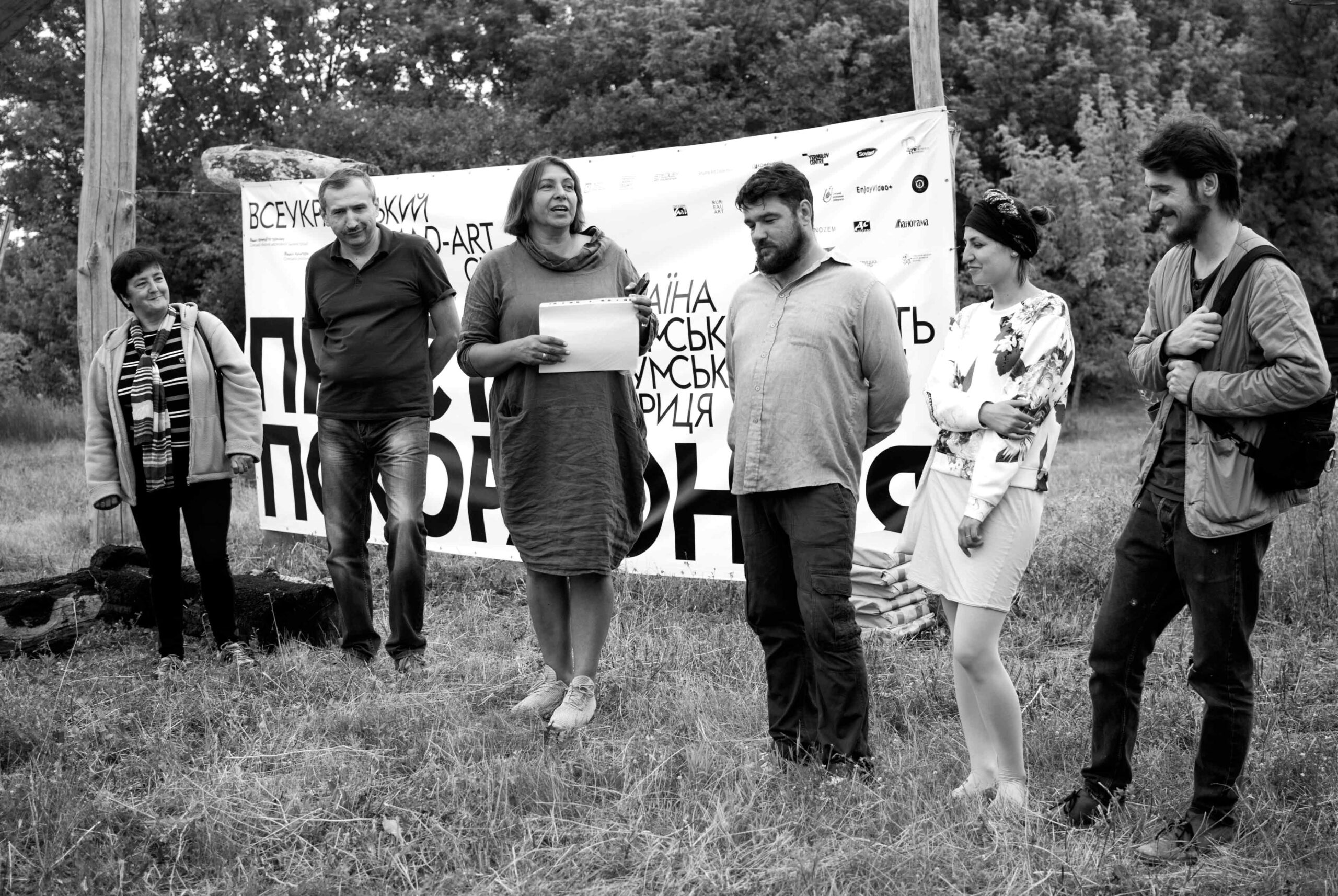
In 2019, there were five curatorial groups at the symposium/facilitator Hanna Gidora
curator Vitaliy Kokhan
curator Oleksiy Konoshenko
curator Yuriy Vyshnyakov
curator Nataliya Matsenko
Residents/curator Ganna Gidora
Curator Vitaliy Kokhan
Curator Oleksiy Konoshenko
Curator Yuri Vishnyakov
Curator Natalia Matsenko
Residents/curator Ganna Gidora
VIDEO
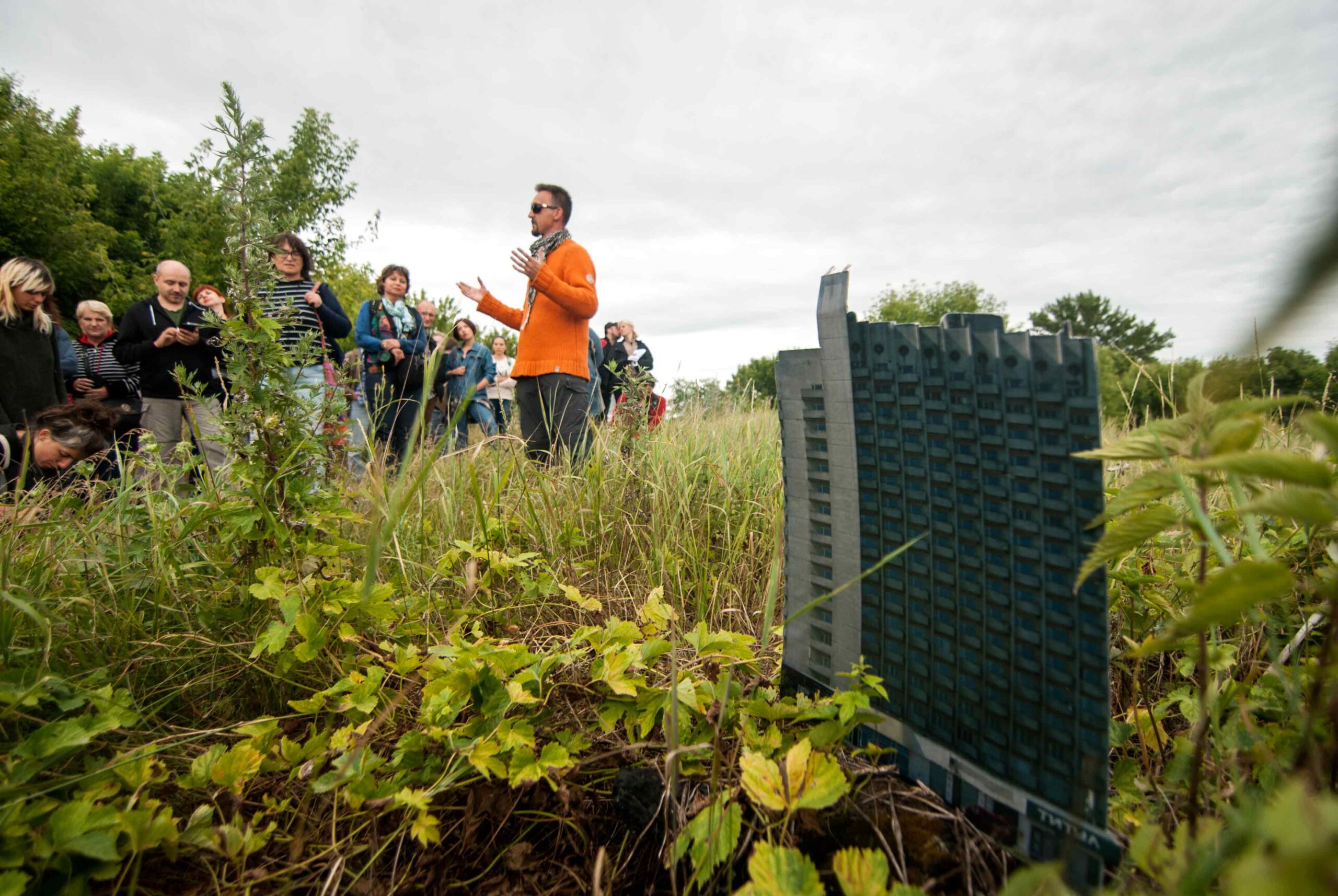
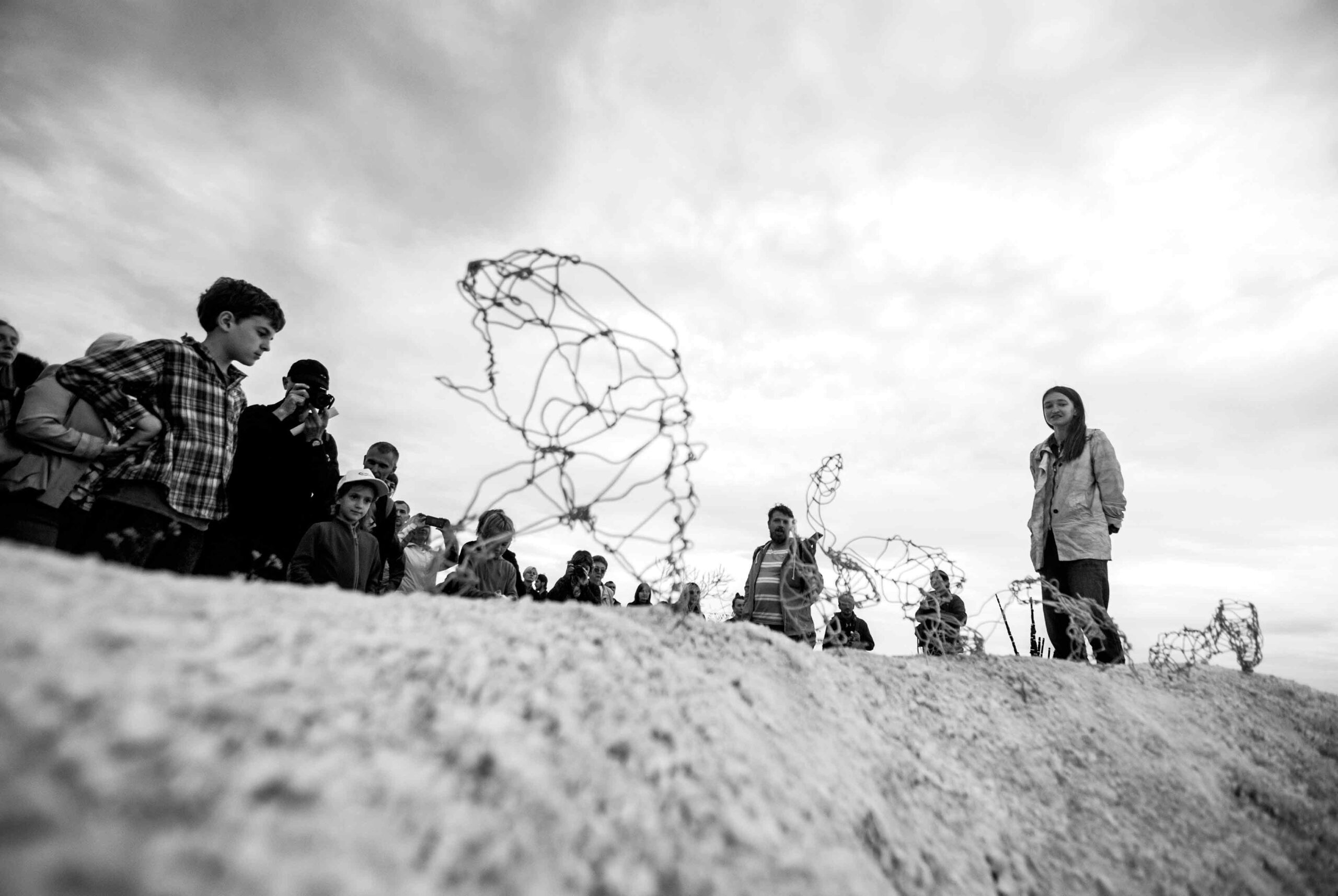
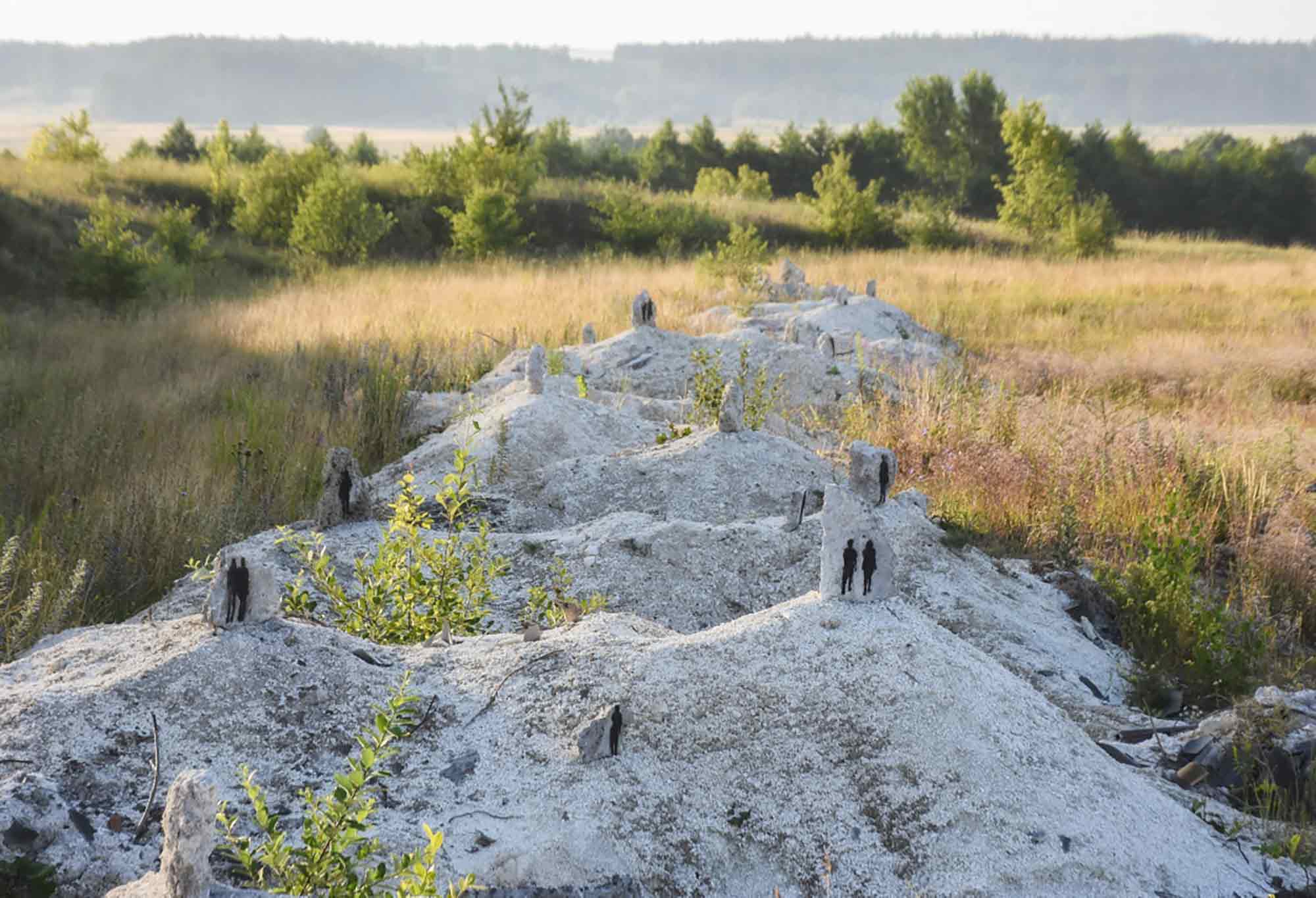
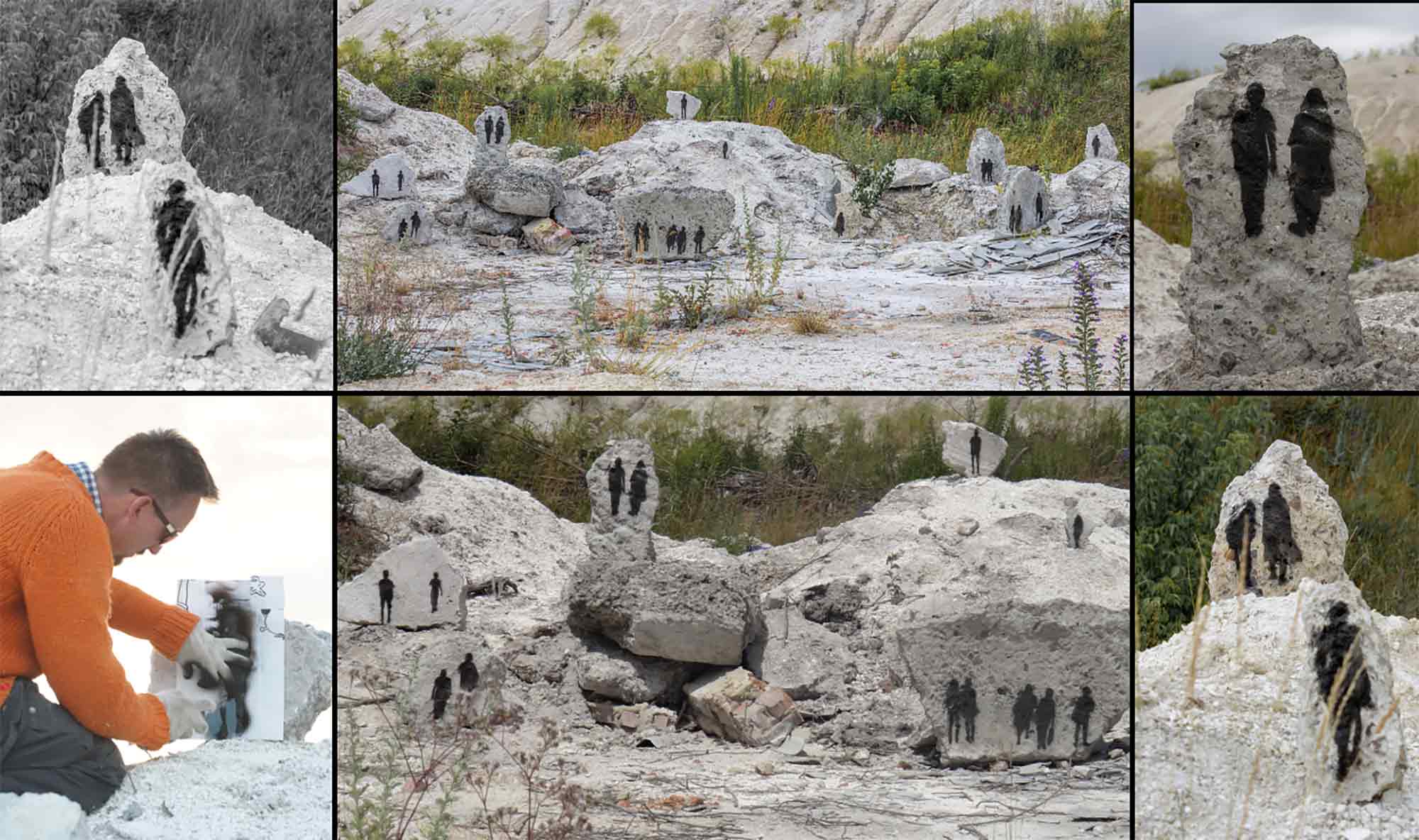
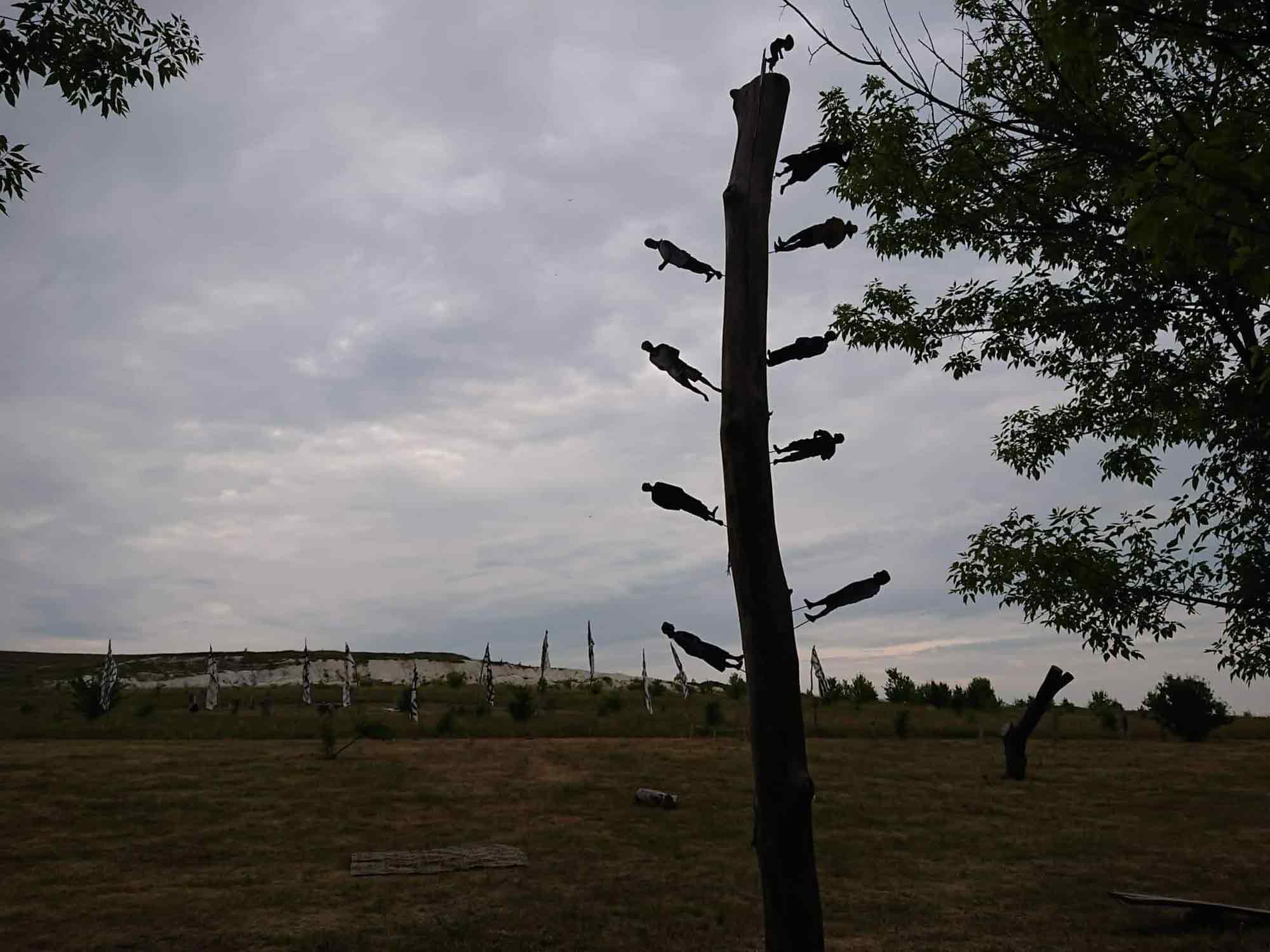
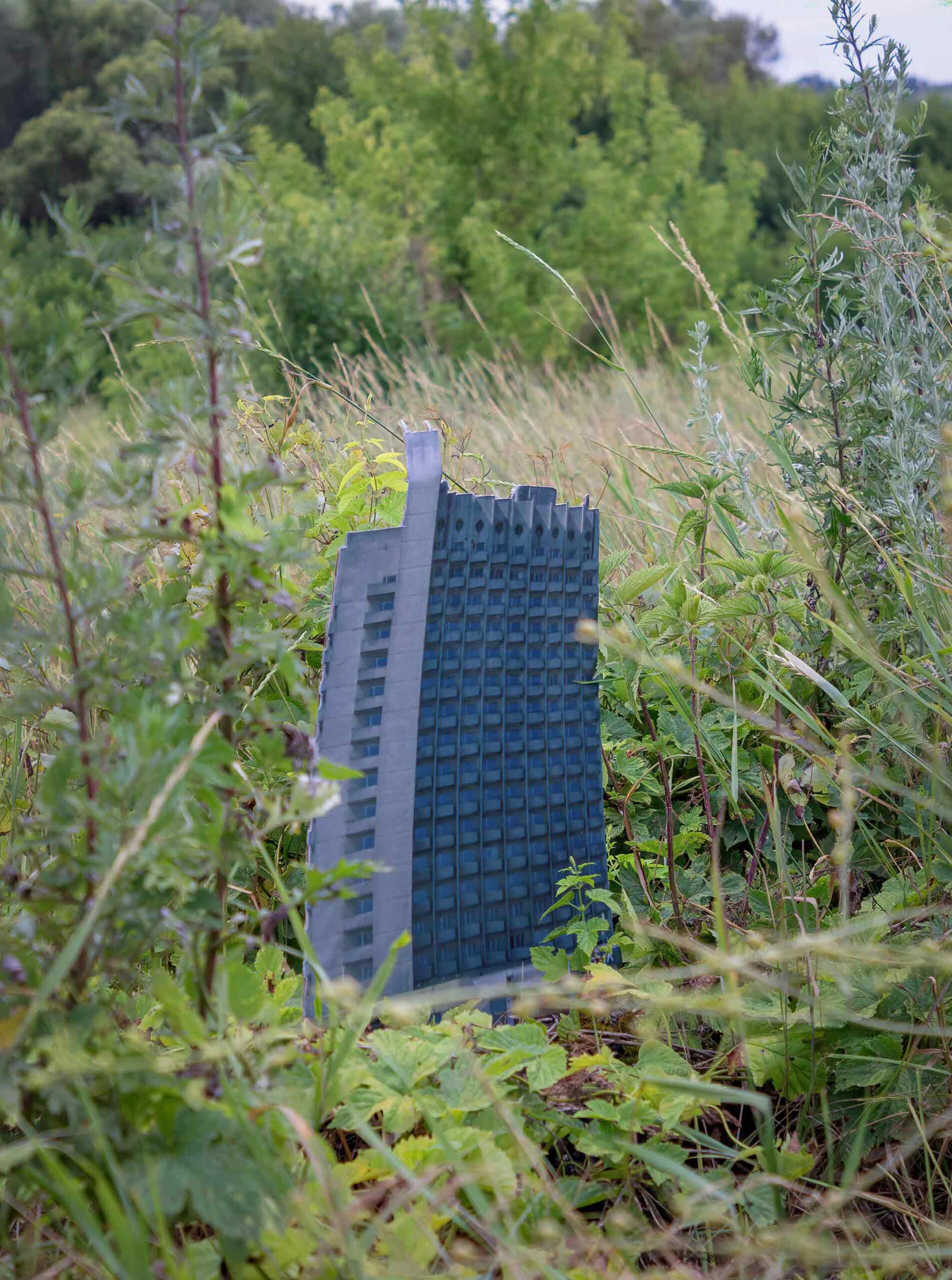
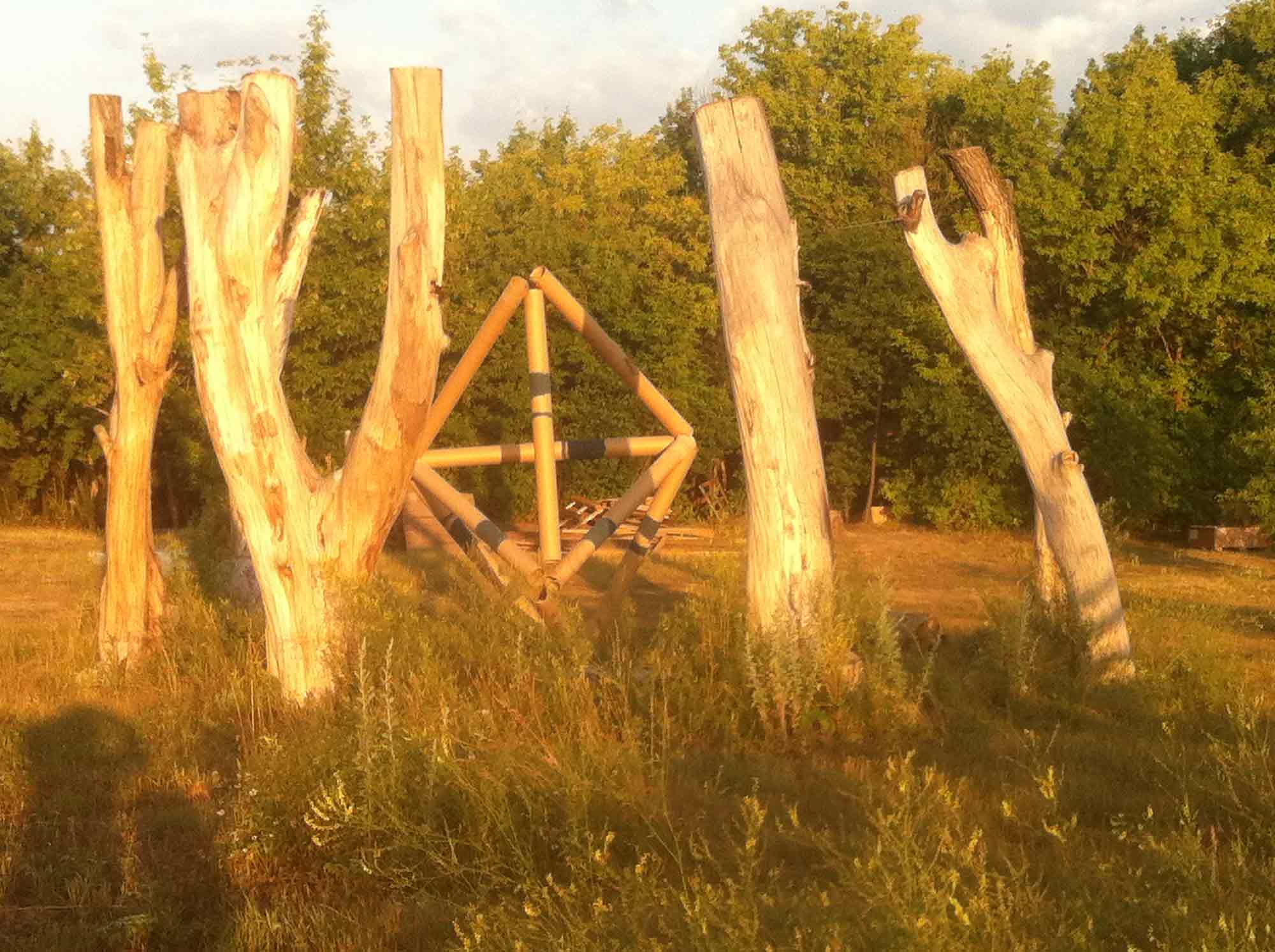
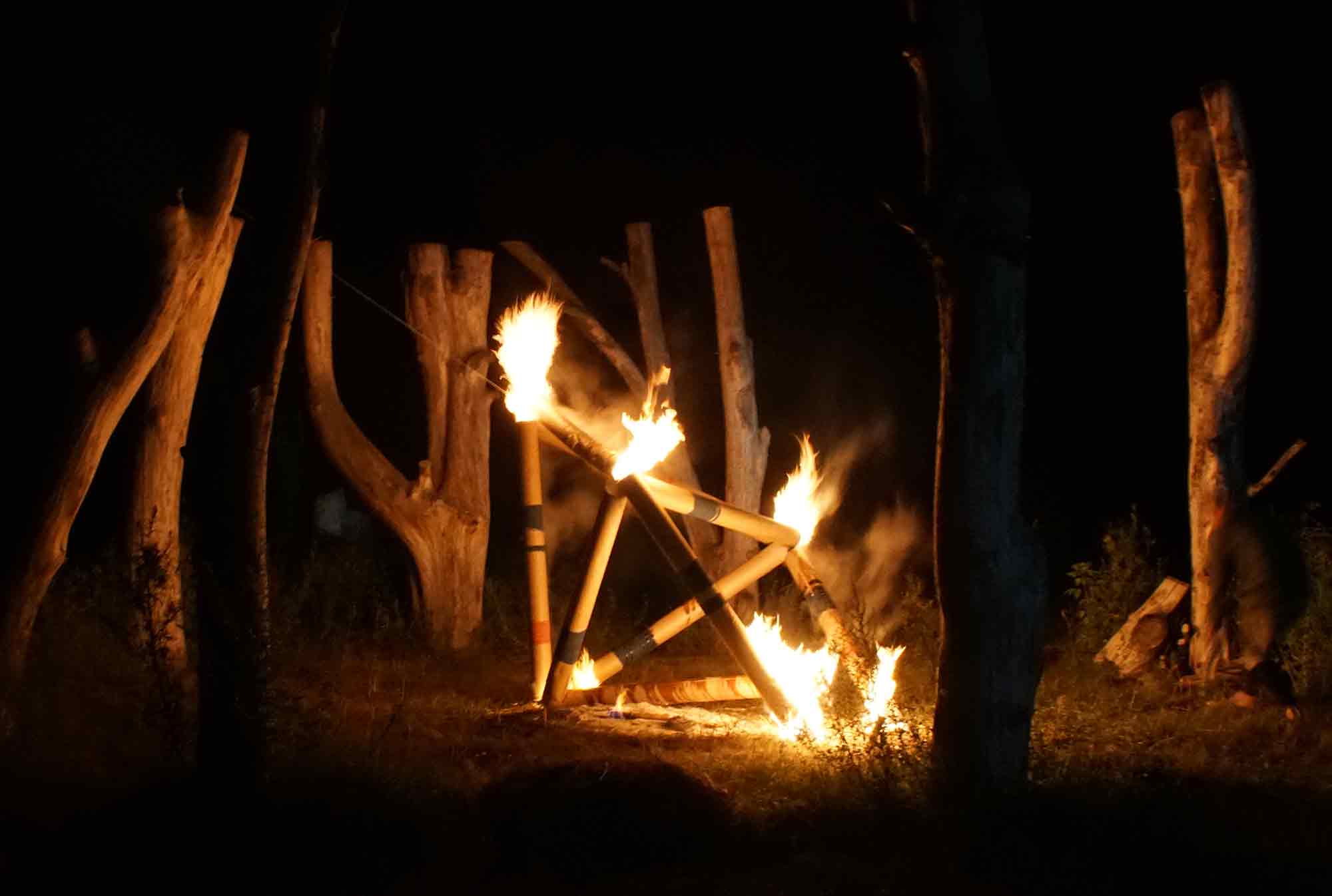
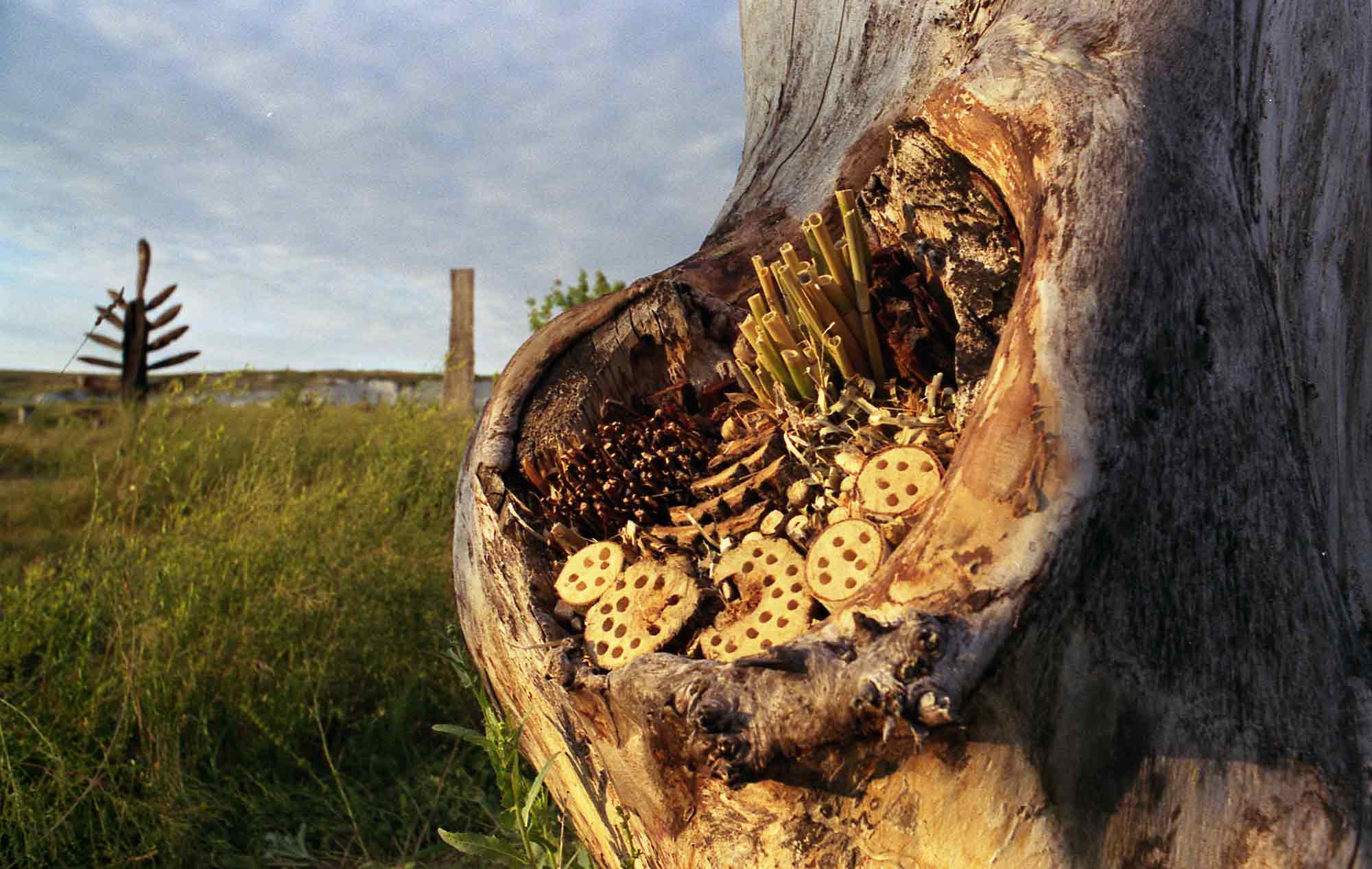
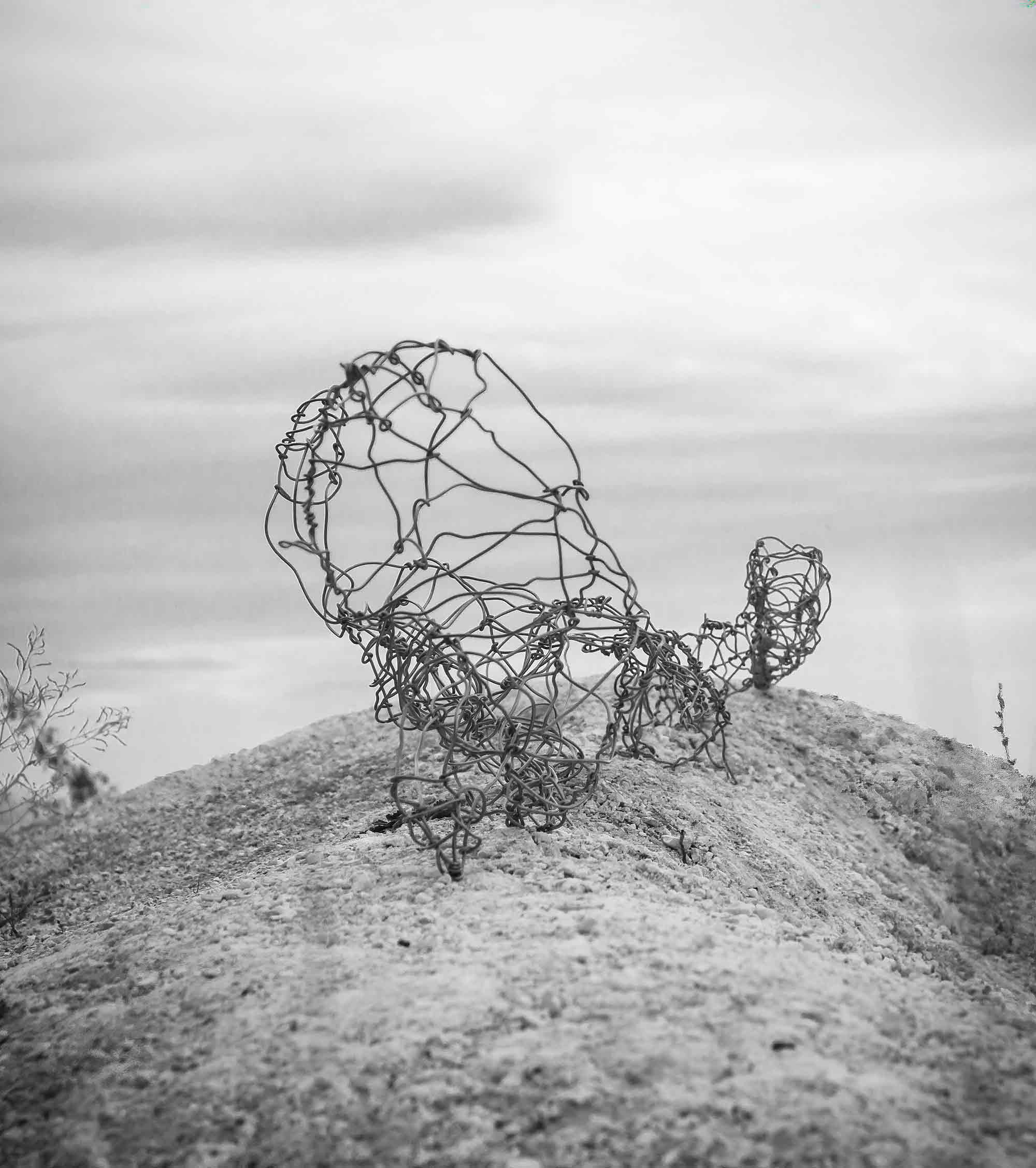
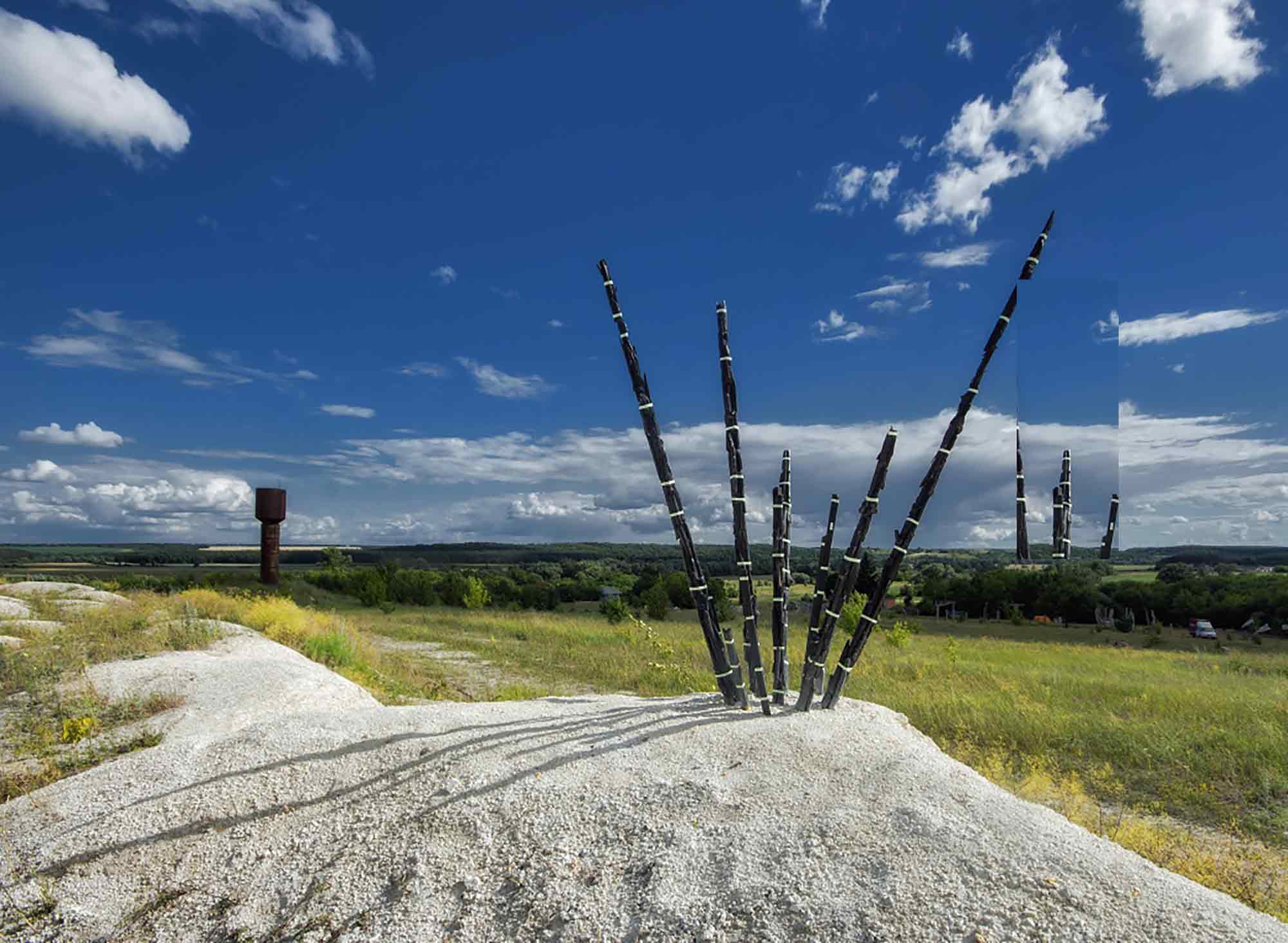
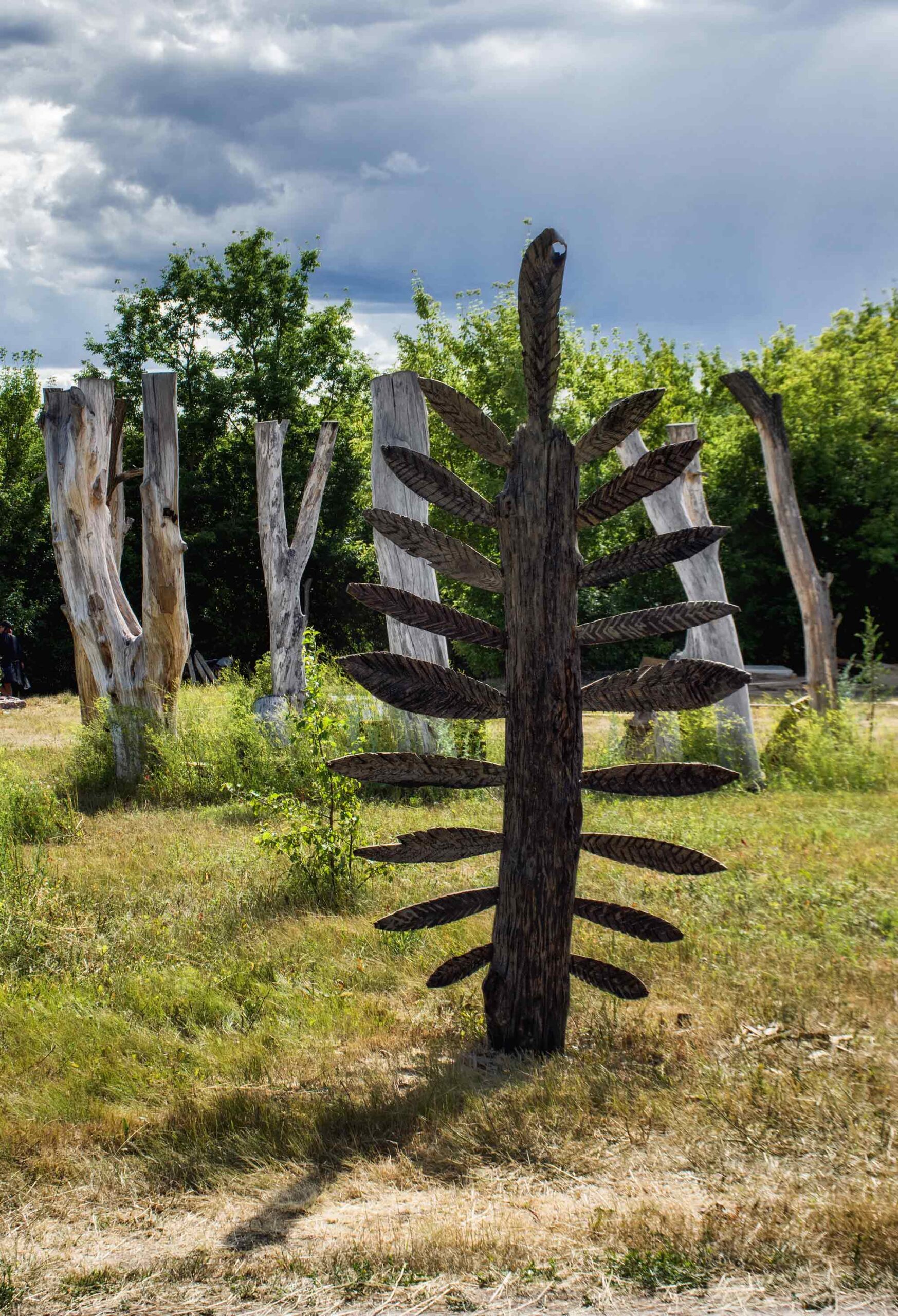
Olia Sabko’s biomorphic “Procrastinators” resembled either flowers or ancient sea creatures, while her “Insect Hotel” combined aesthetic and utilitarian functions, directed not at humans, but at the animal world. Yehor Antsyhin’s “Quote,” in a provocative and challenging form, highlighted the state of the natural environment. “Status Switching” by Oleksii Konoshenko, featuring tiny human silhouettes scattered across a post-industrial landscape, served as both literal and metaphorical imprints of human influence. “Feedback,” by remote participant Mark Chehodaiev, recreated a landscape he had never personally visited, relying on the memory and imagination of participants physically present in Mohrytsia.
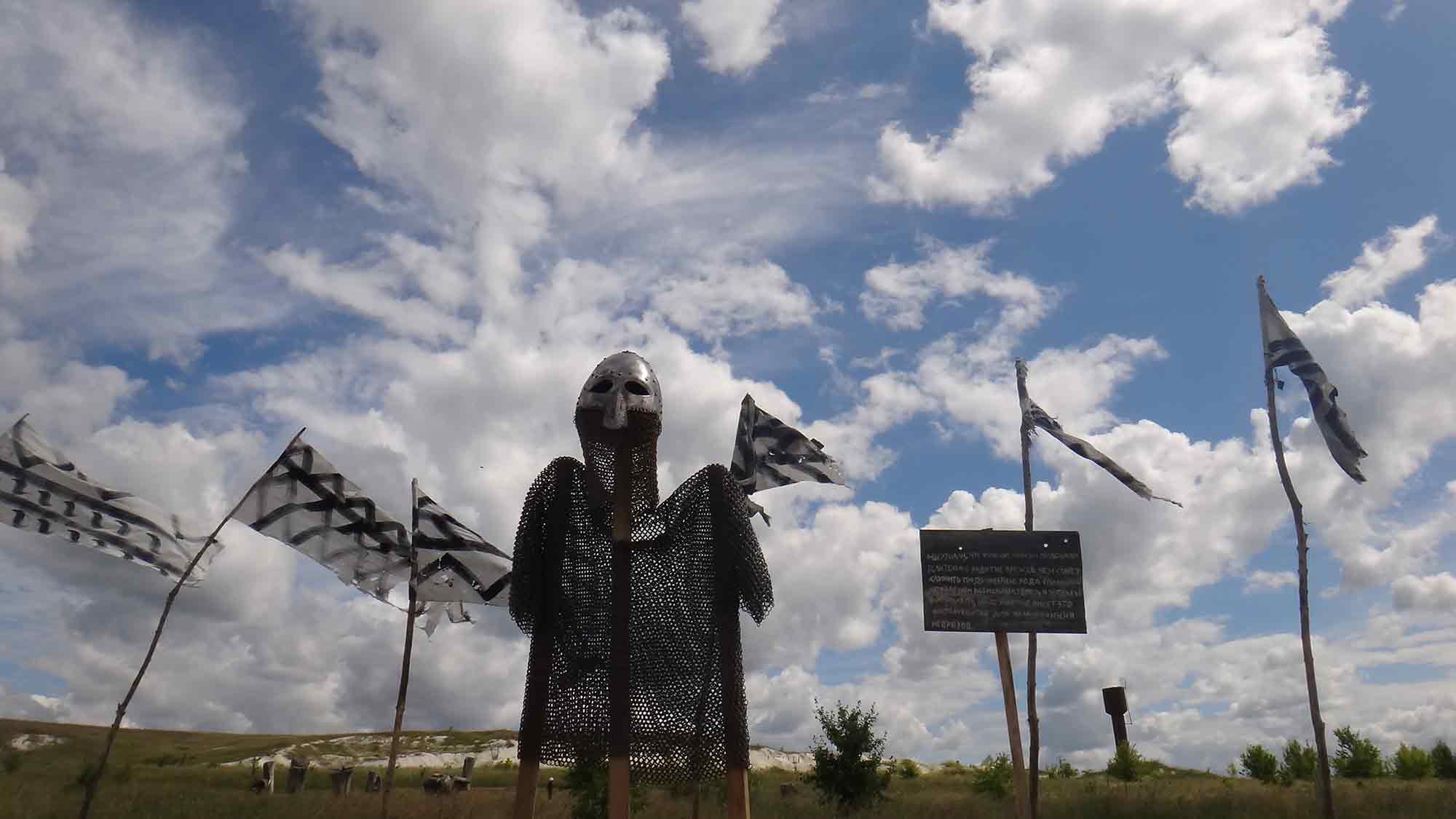
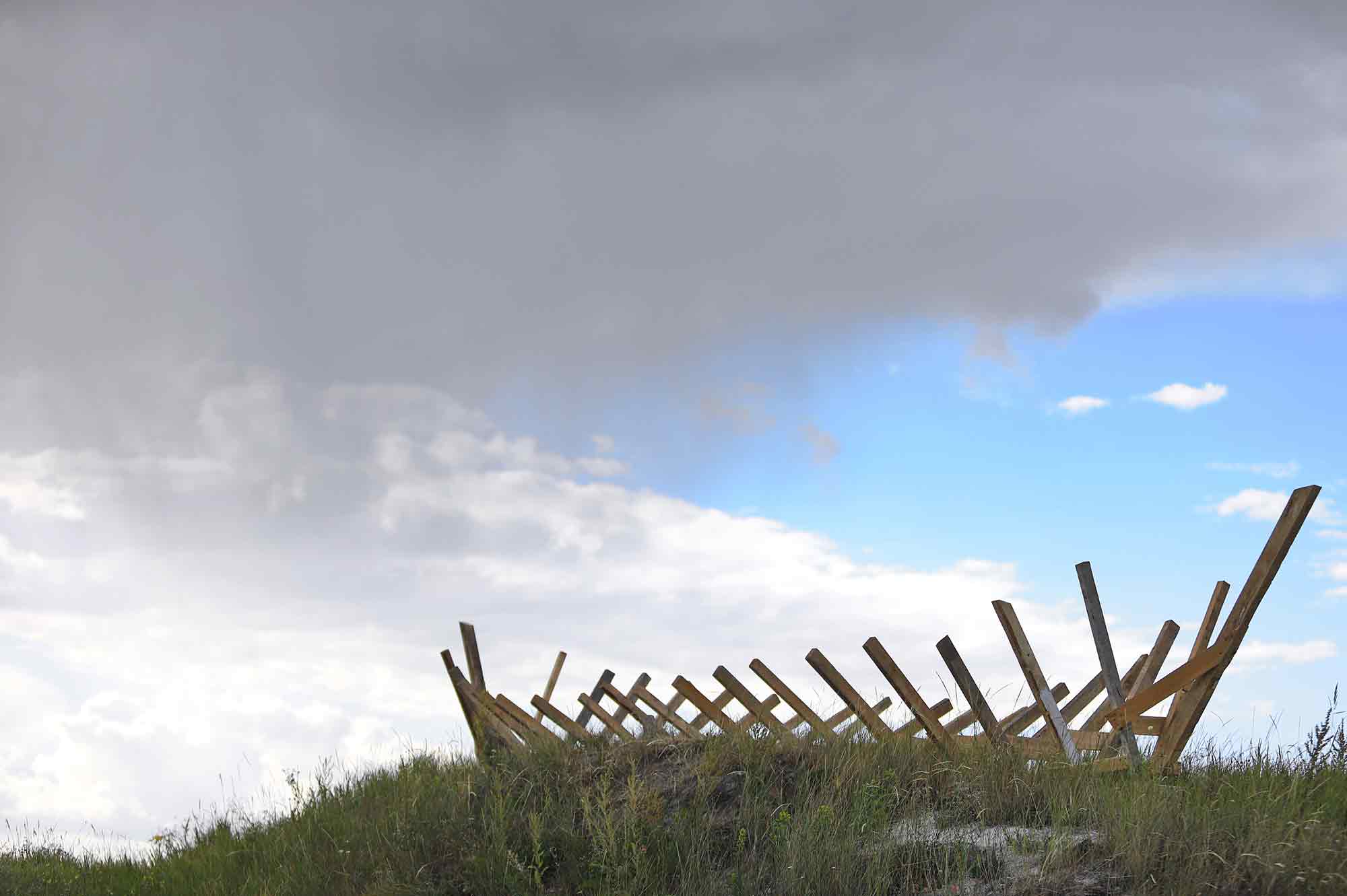
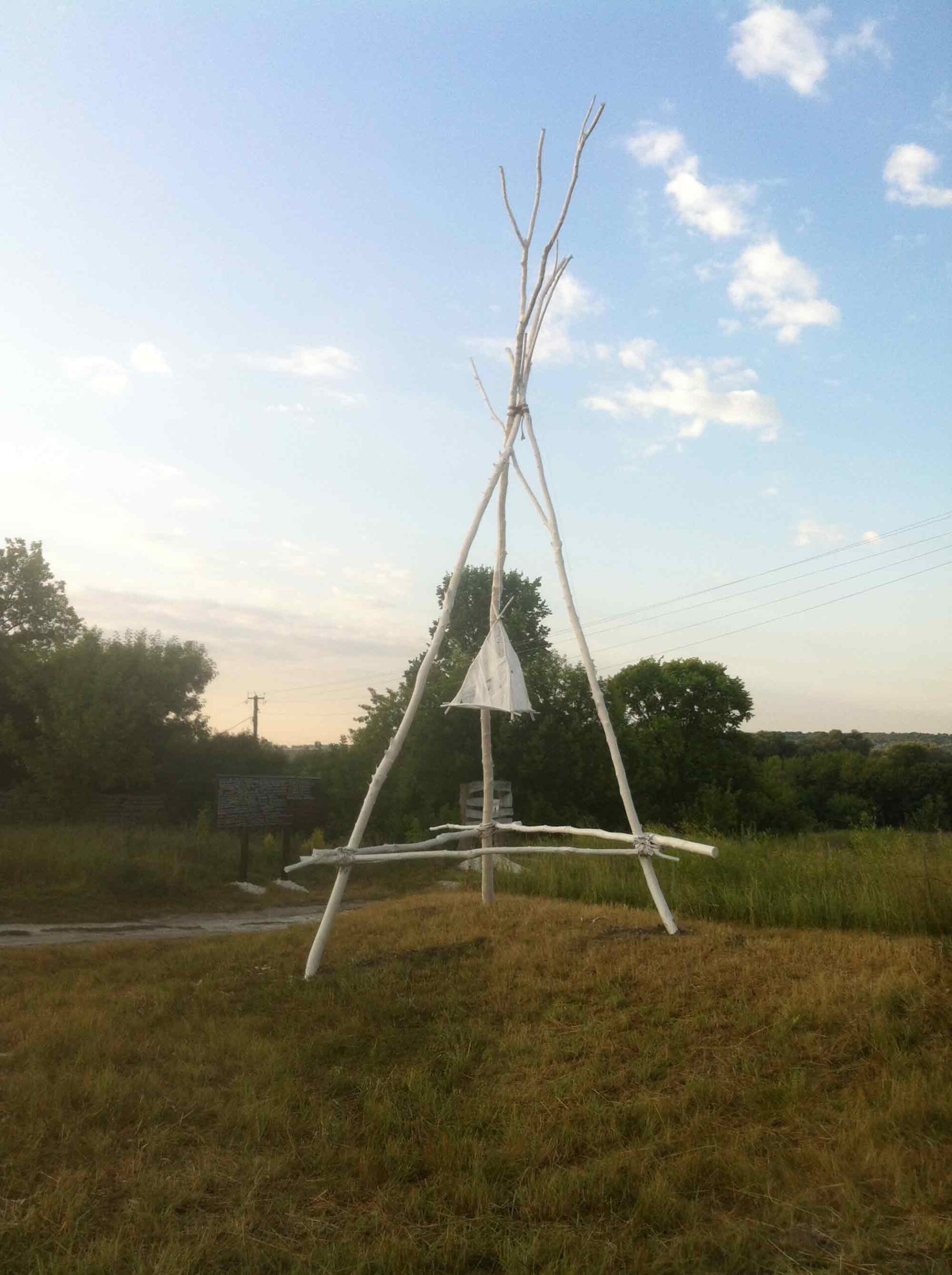
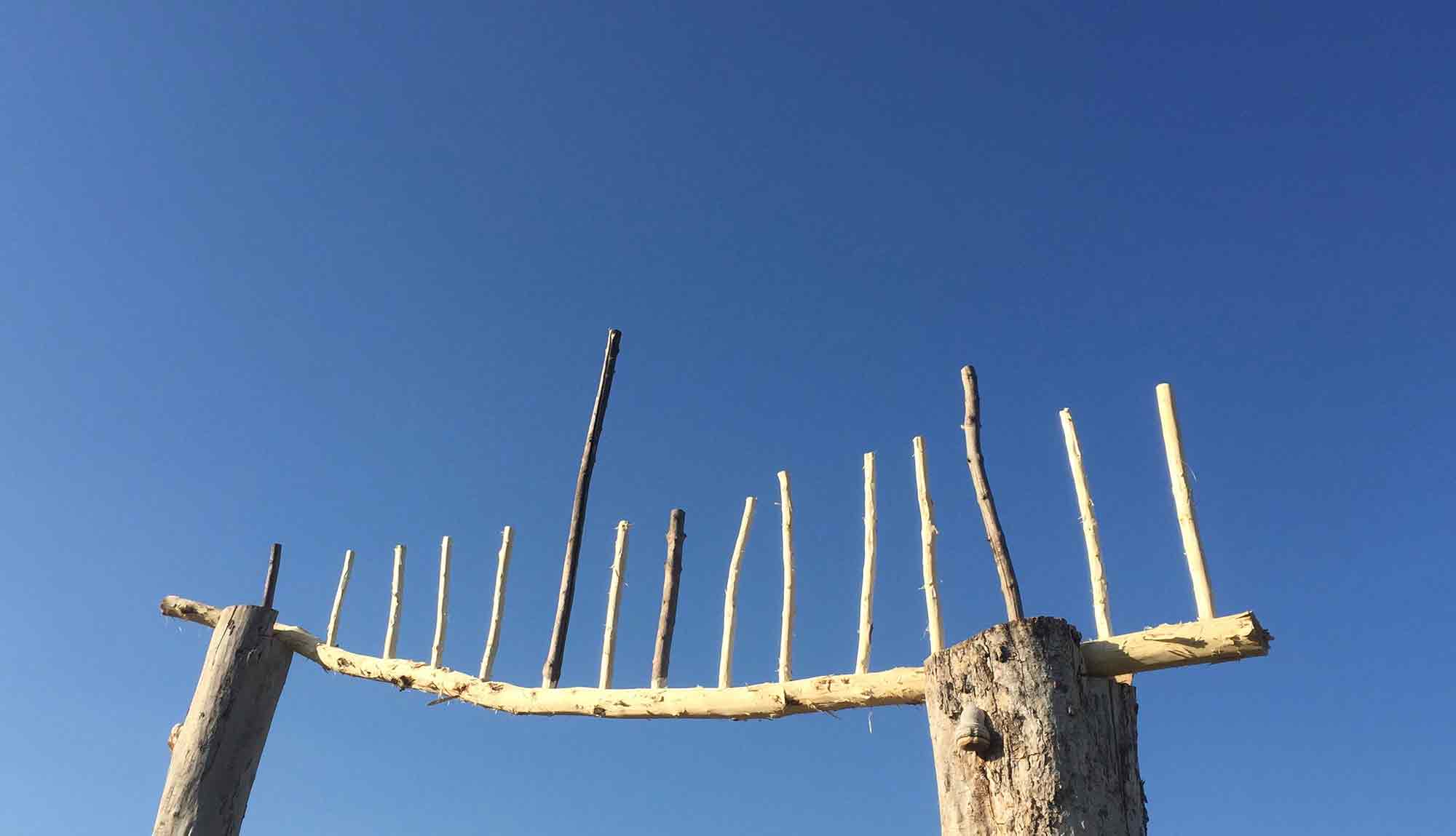
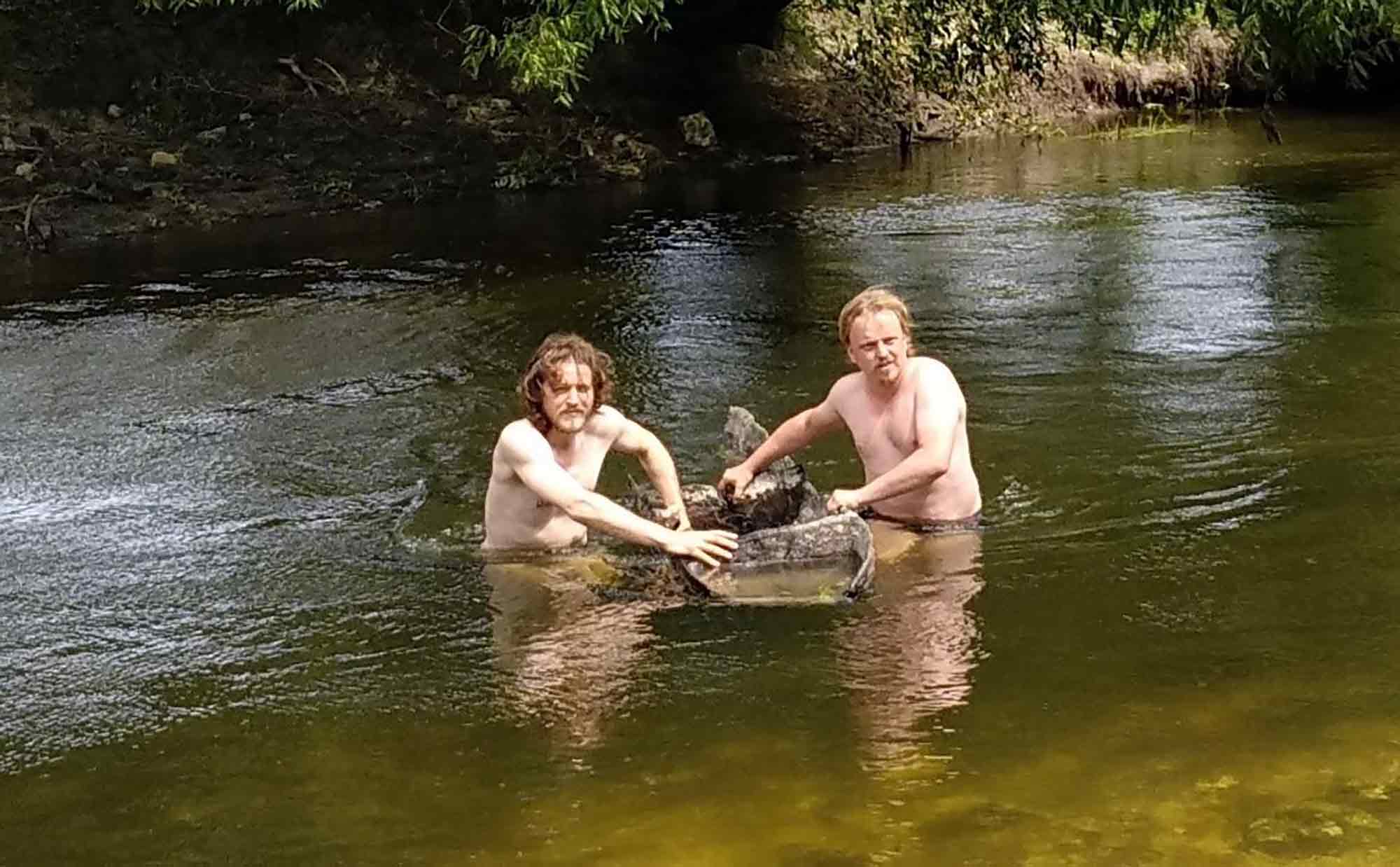
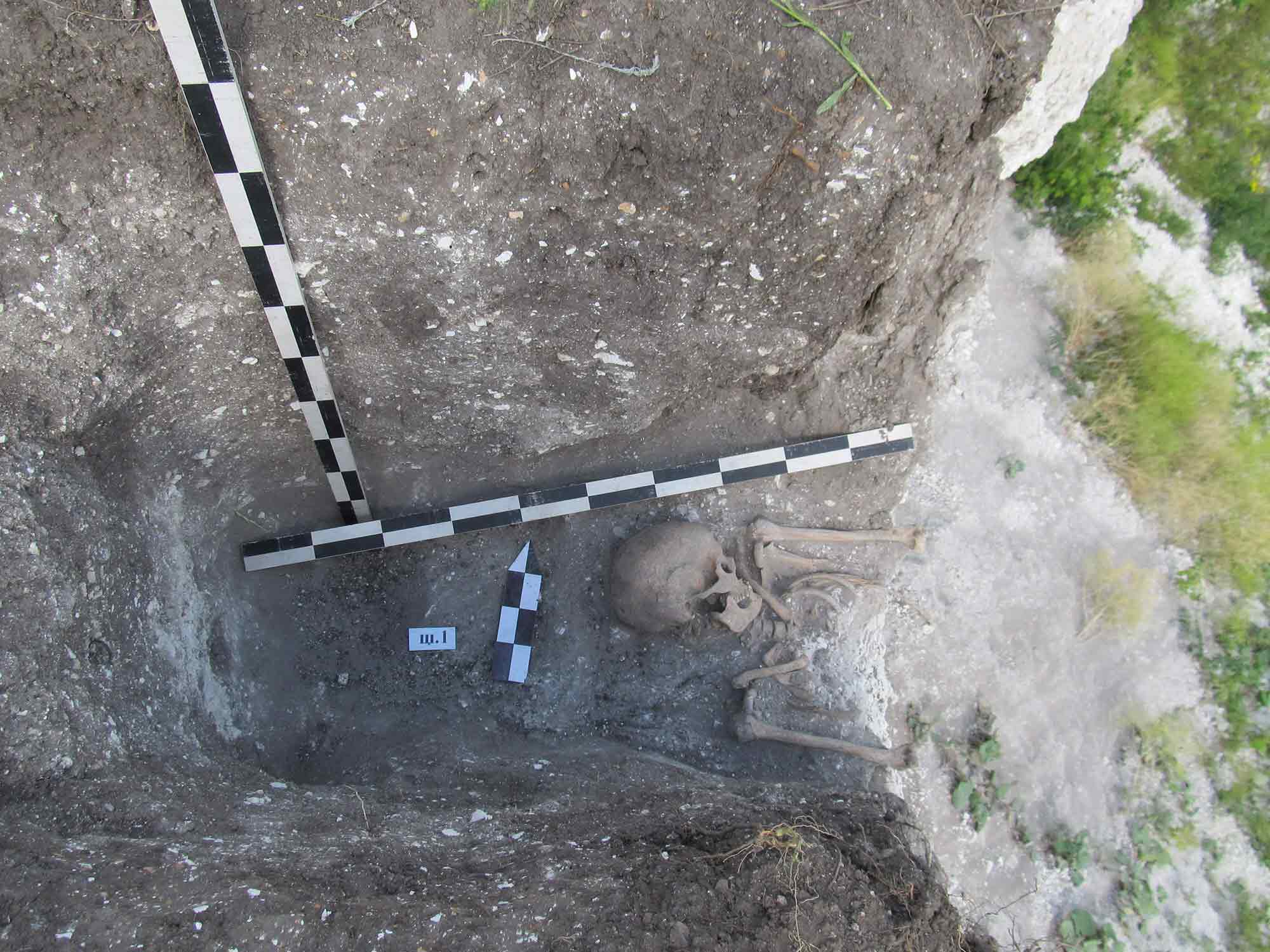
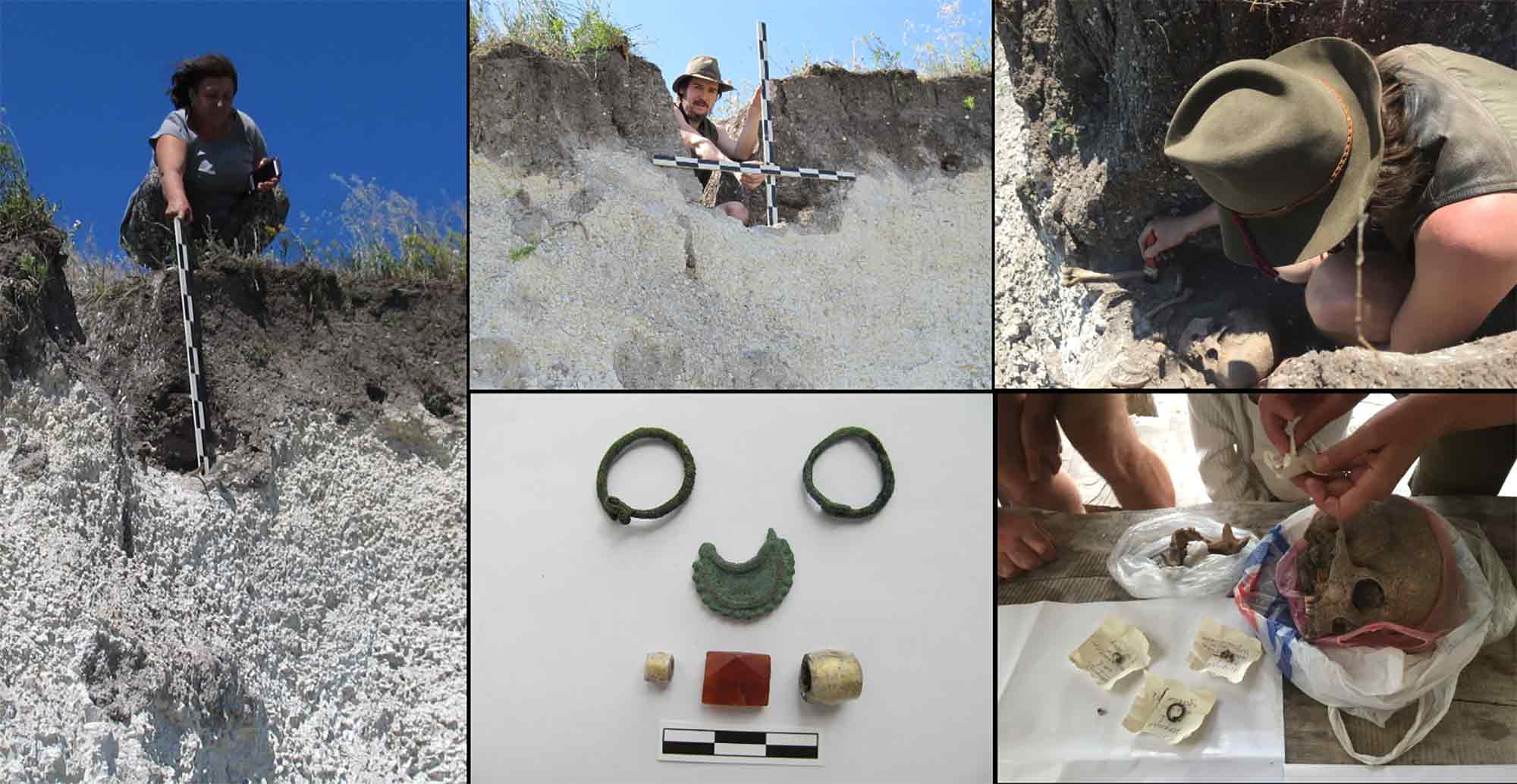
The connection between the ancient past and the uncertain present was embodied by Serhii Tonkanov and Yurii Vyshniakov in the monumental “Dragon Ship.” According to the artists, they ‘joined the largest and oldest communication system—history.’ Facing the destruction of historical heritage—the excavated Scythian settlement, the burials of the Siverians, ‘whose bones stick out of the quarry cliffs with mute reproach’—the authors viewed their artistic gesture as evidence of hope for a bright future, one in which connections with history and the memory of the past are preserved.
The 2019 iteration of the symposium coincided with the exhibition project “Bigger Space,” presented in parallel by Borderland Space at the Kharkiv Yermilov Centre. To create a shared, larger space—a meta-place not limited by physical boundaries—several live broadcasts were conducted during the opening and throughout the exhibition from the Mohrytsia chalk plateau (the only location with mobile connectivity). This allowed viewers to immerse themselves in the atmosphere of the symposium “here and now” and participate in the “feedback.”