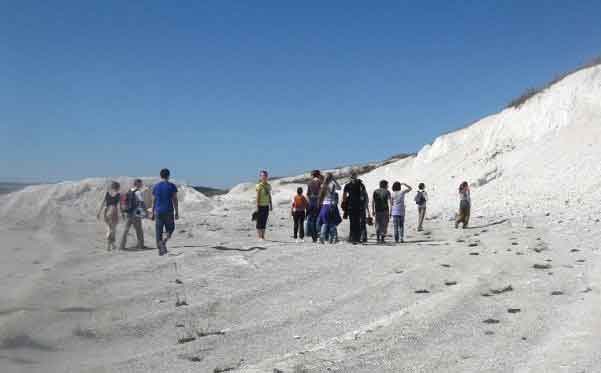
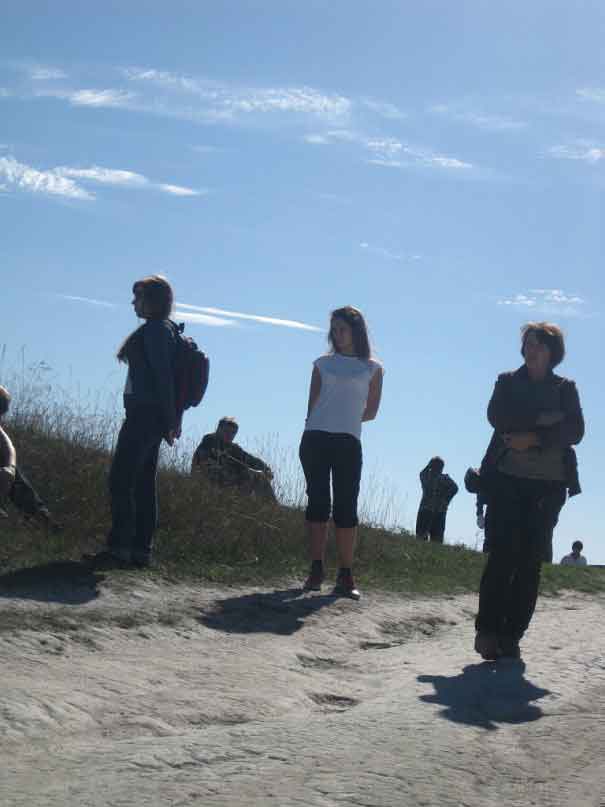
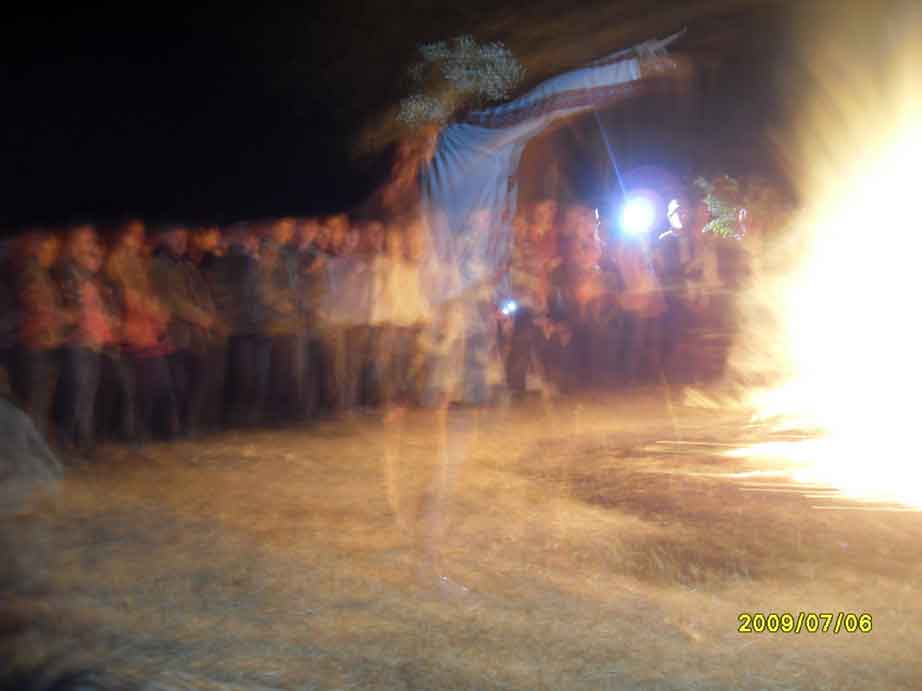
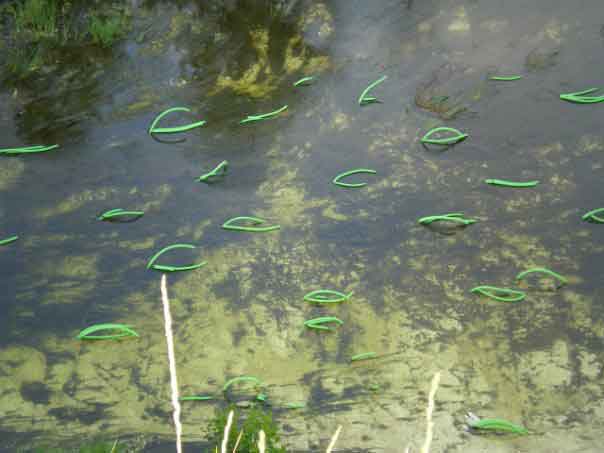
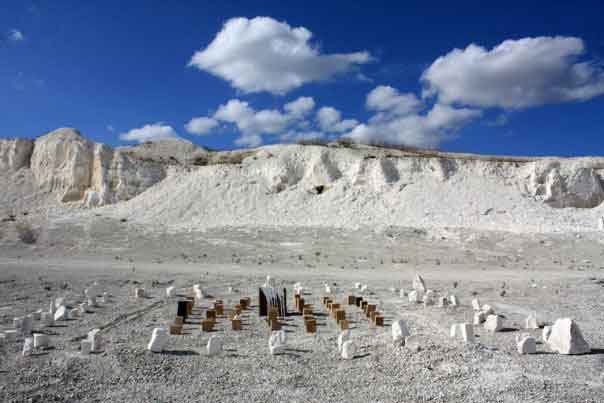
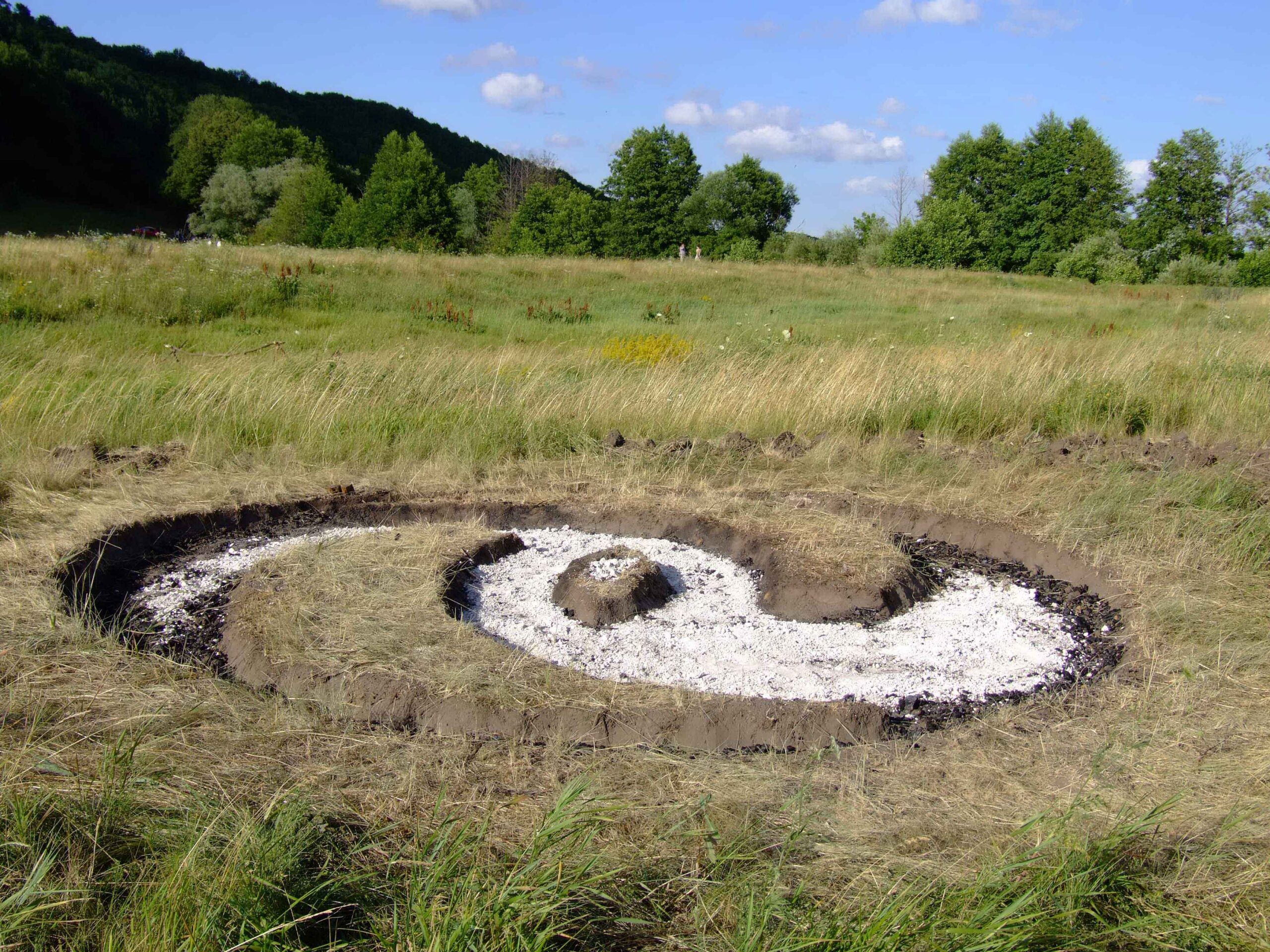
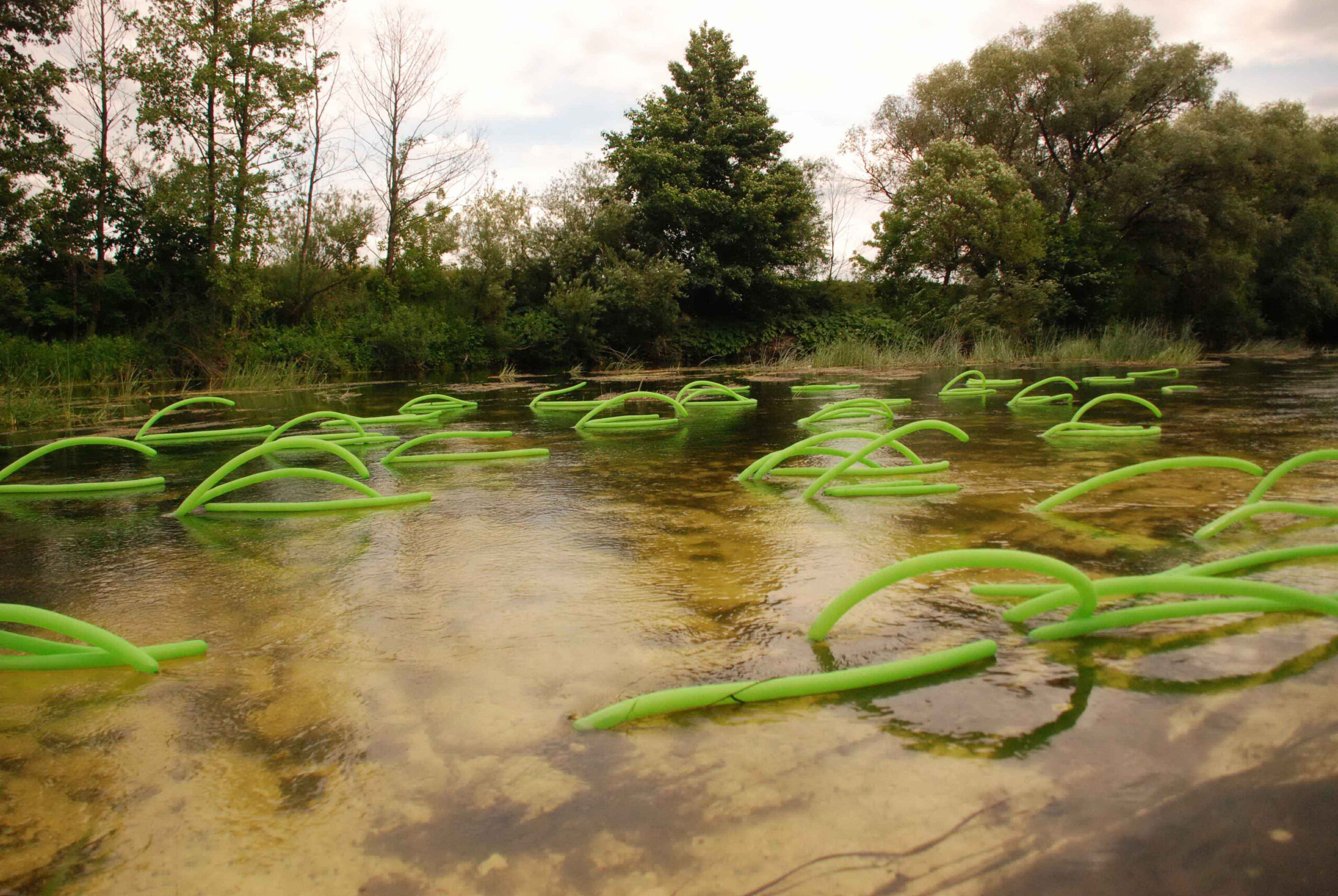
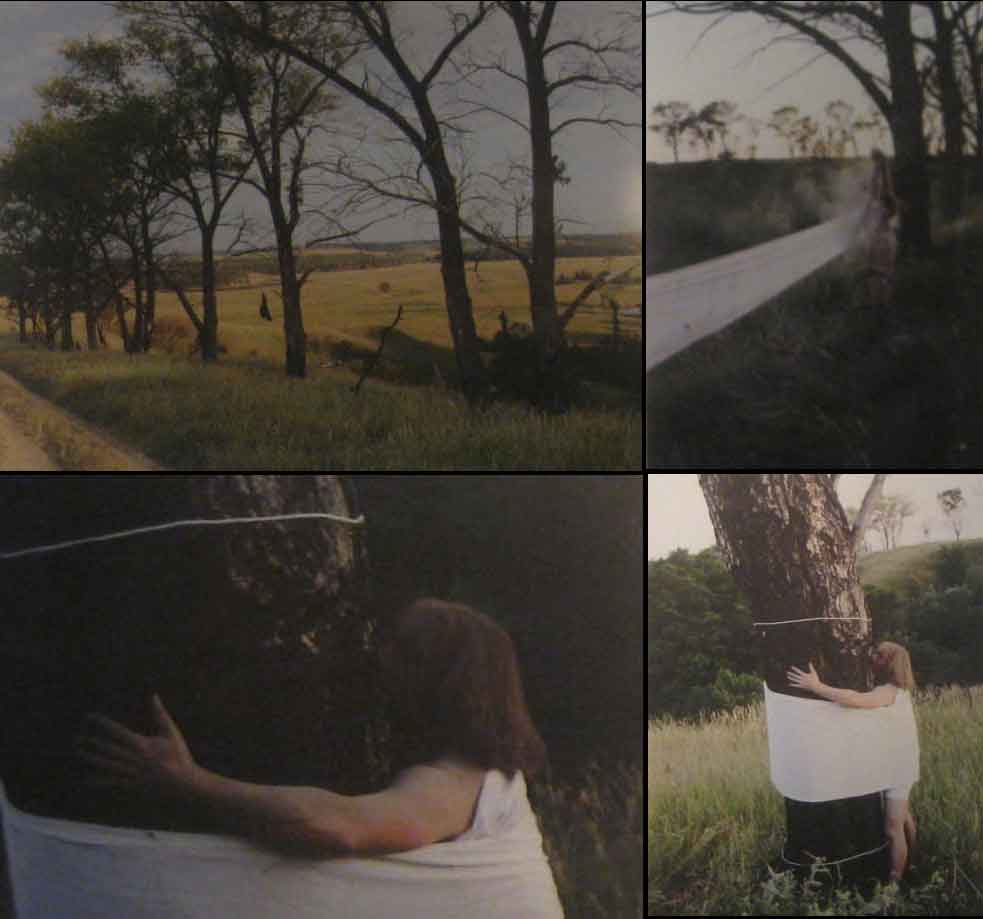
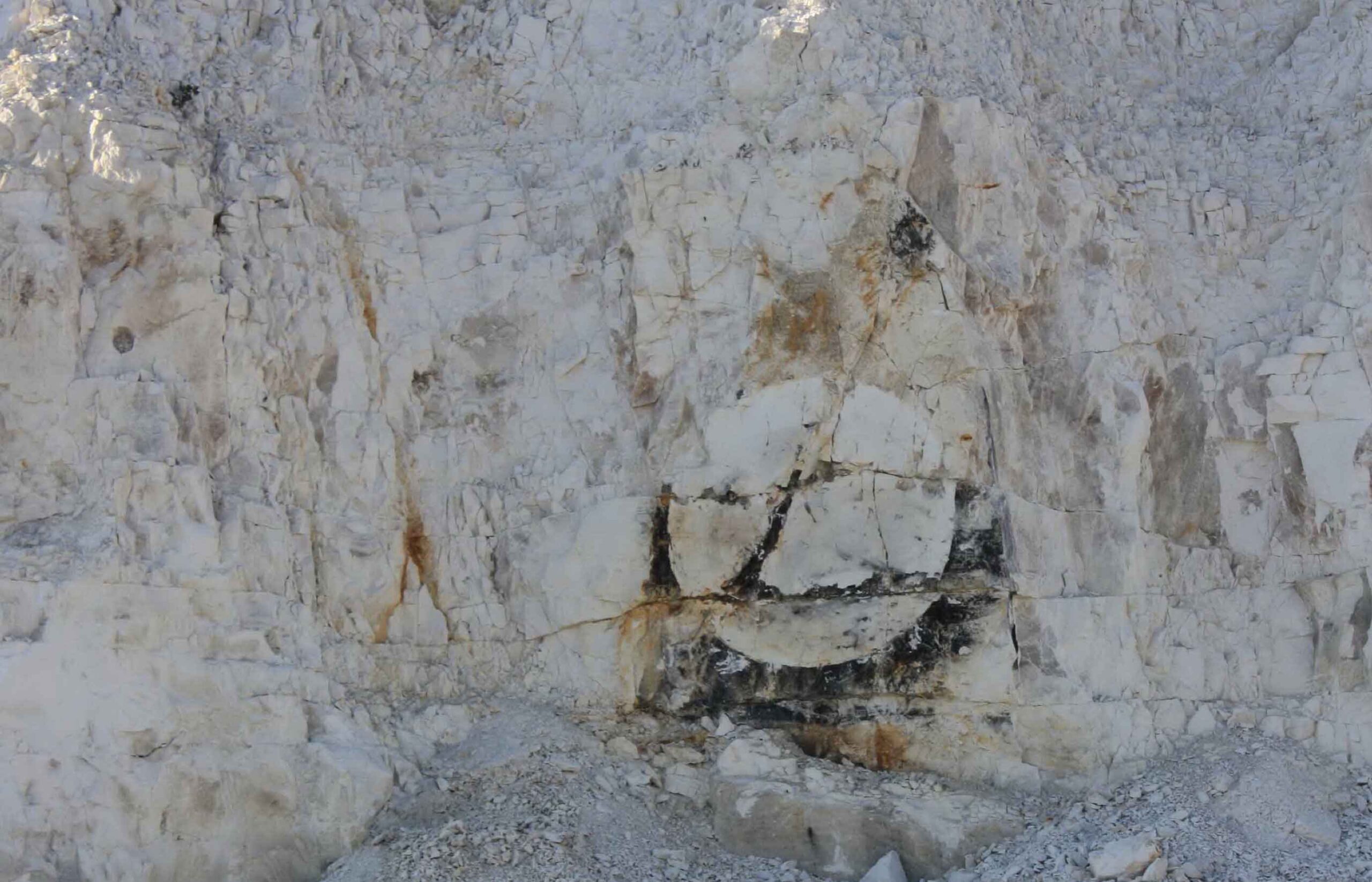
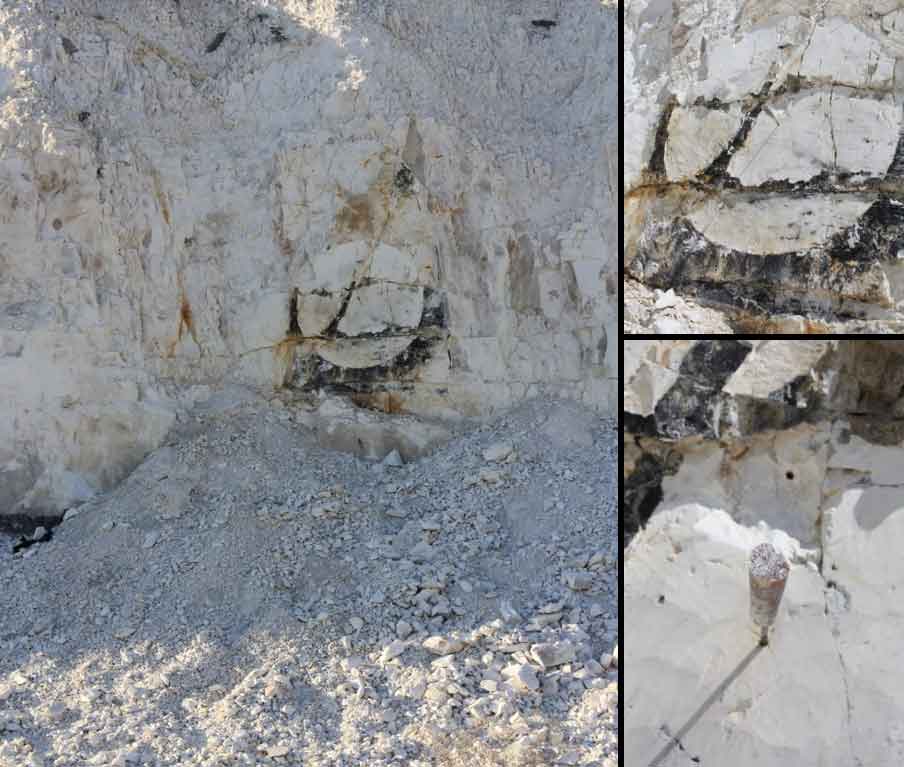
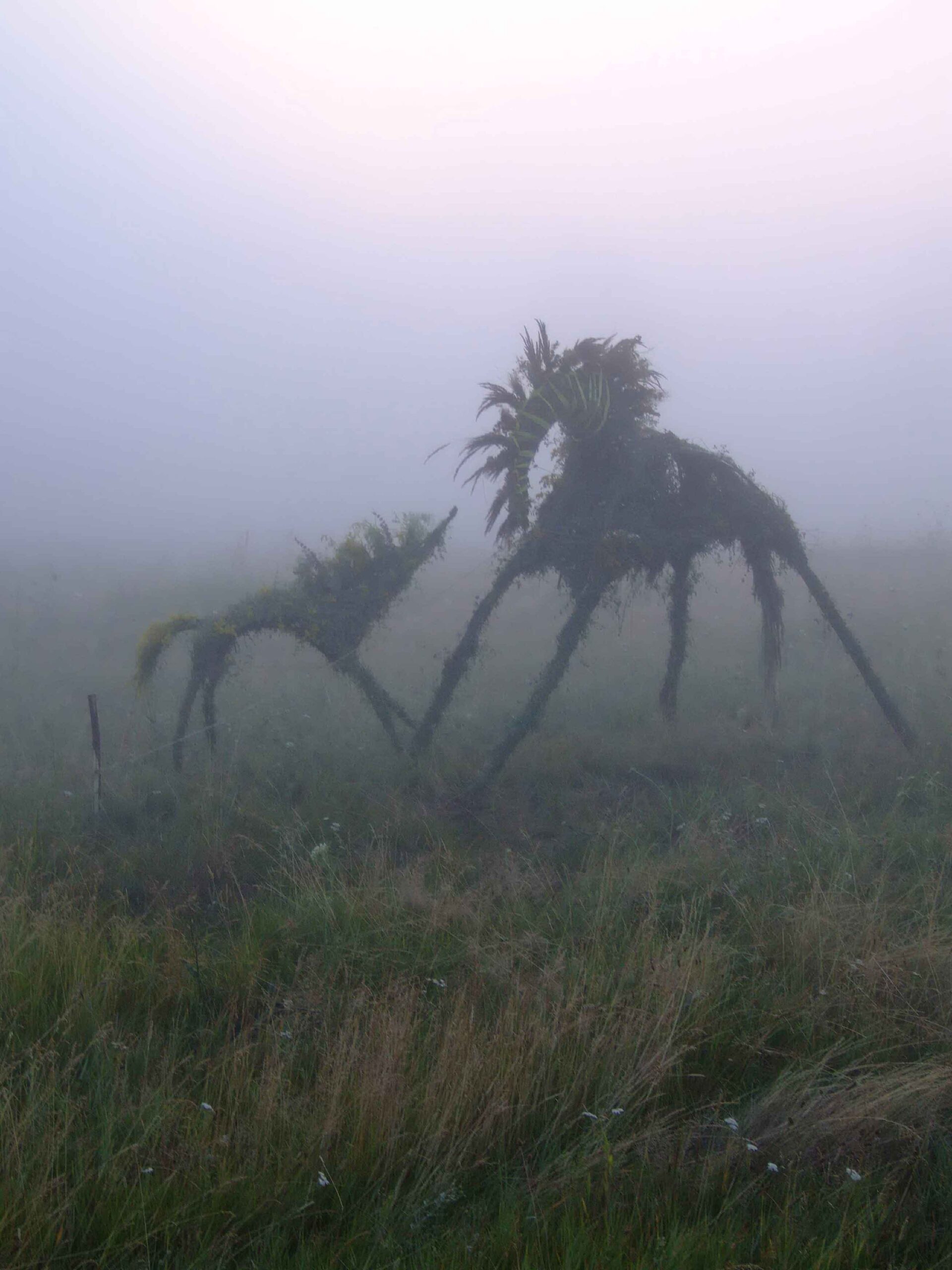
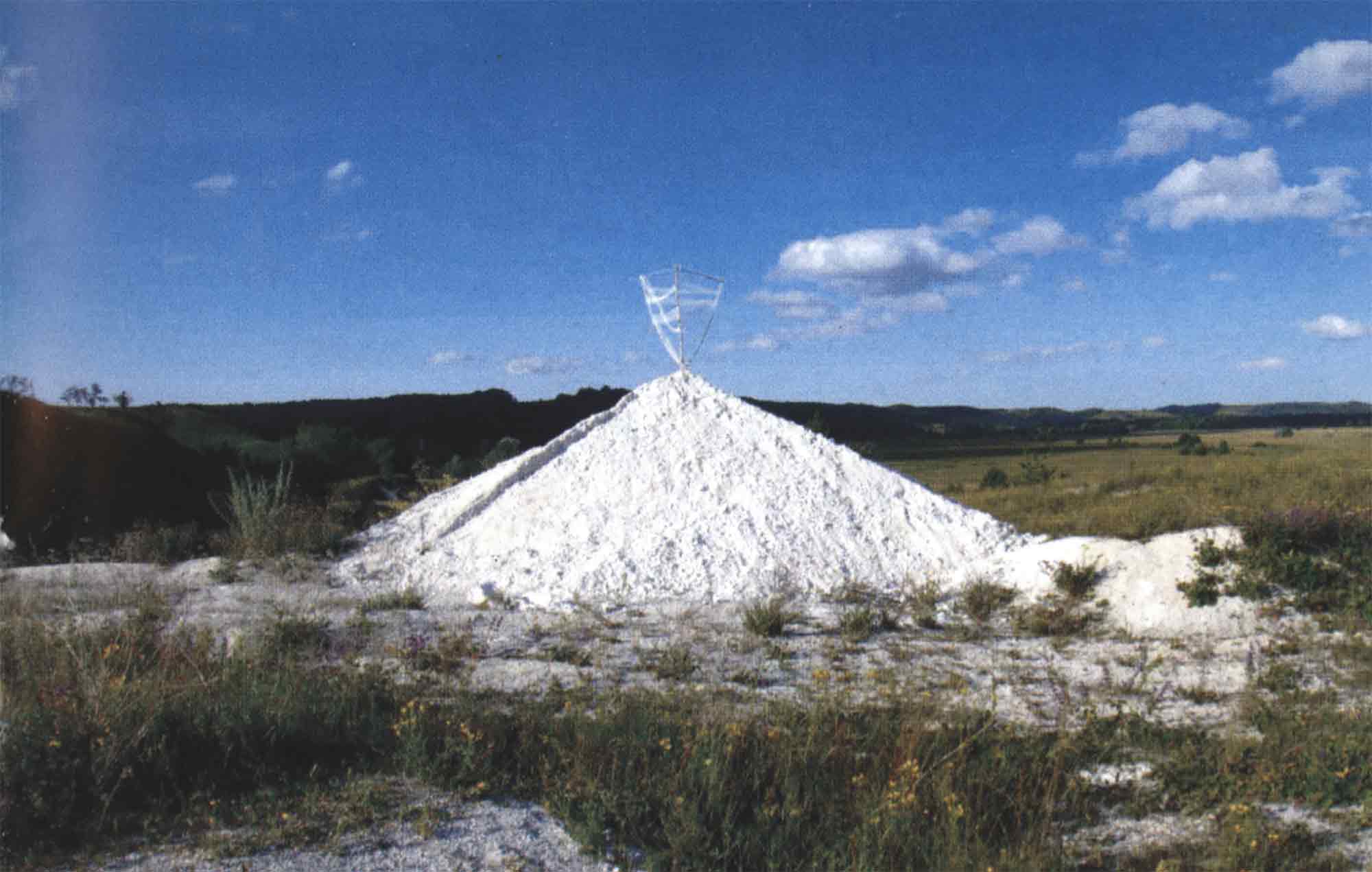
The year 2009 marked the formation of a new organisational team, which included Yurii Vyshniakov, Oleksii Kravtsov, Volodymyr Tsiupka, Zakhar Fedorov, Vitalii Kokhan, Nadiia Bilokur, Olha Zaloha and other participants who later became central to the development of “Borderland Space.” Over time, the principle of horizontal self-organisation was established within the symposium, whereby artists assumed not only creative responsibilities but also curatorial, technical and organisational roles.
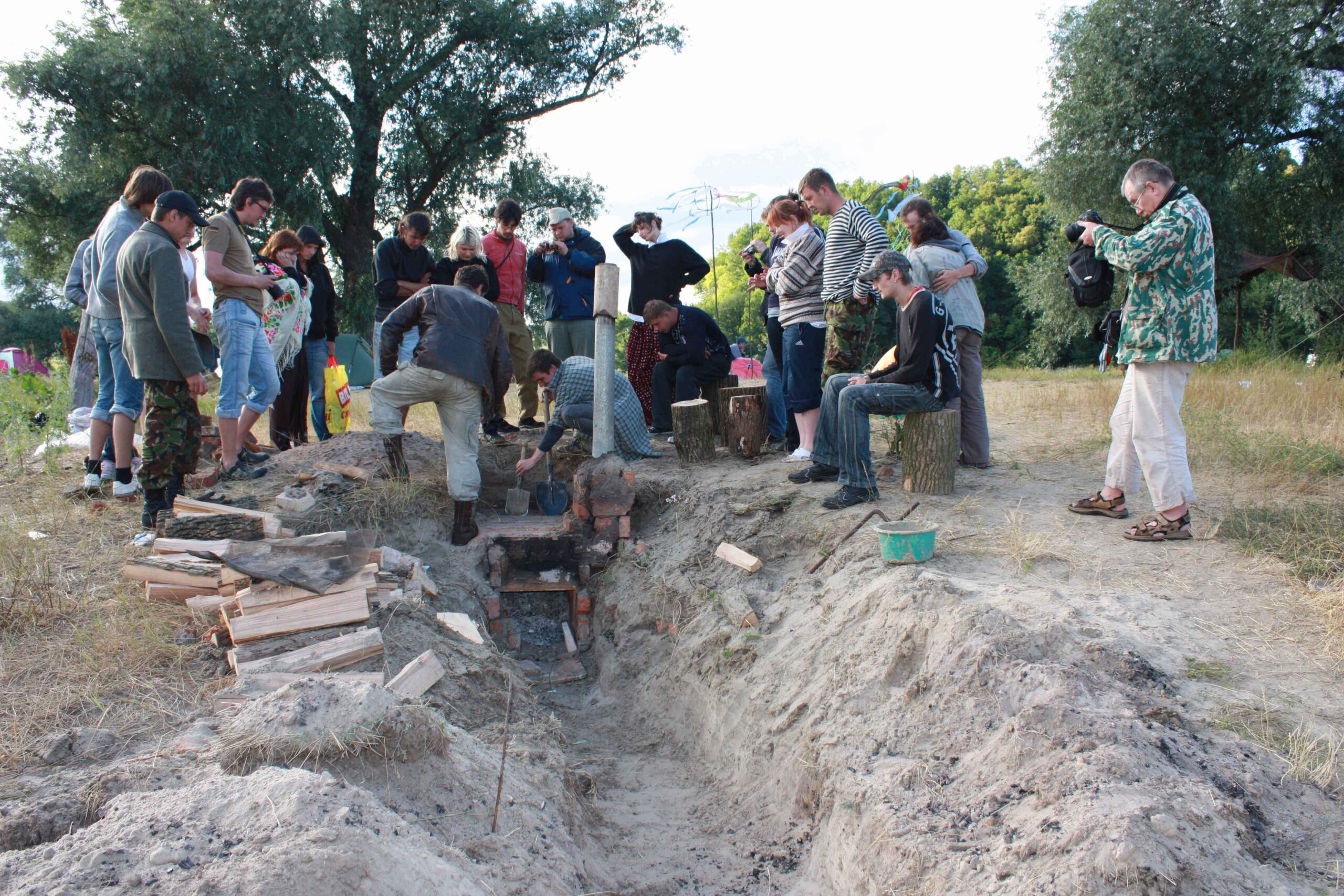
During this period, the tradition of final exhibitions also began to take shape. These exhibitions presented the results of the symposium—photographic and video documentation, objects, texts—within a gallery setting. This practice contributed to the development of new approaches to understanding and representing land art outside its primary environmental context.
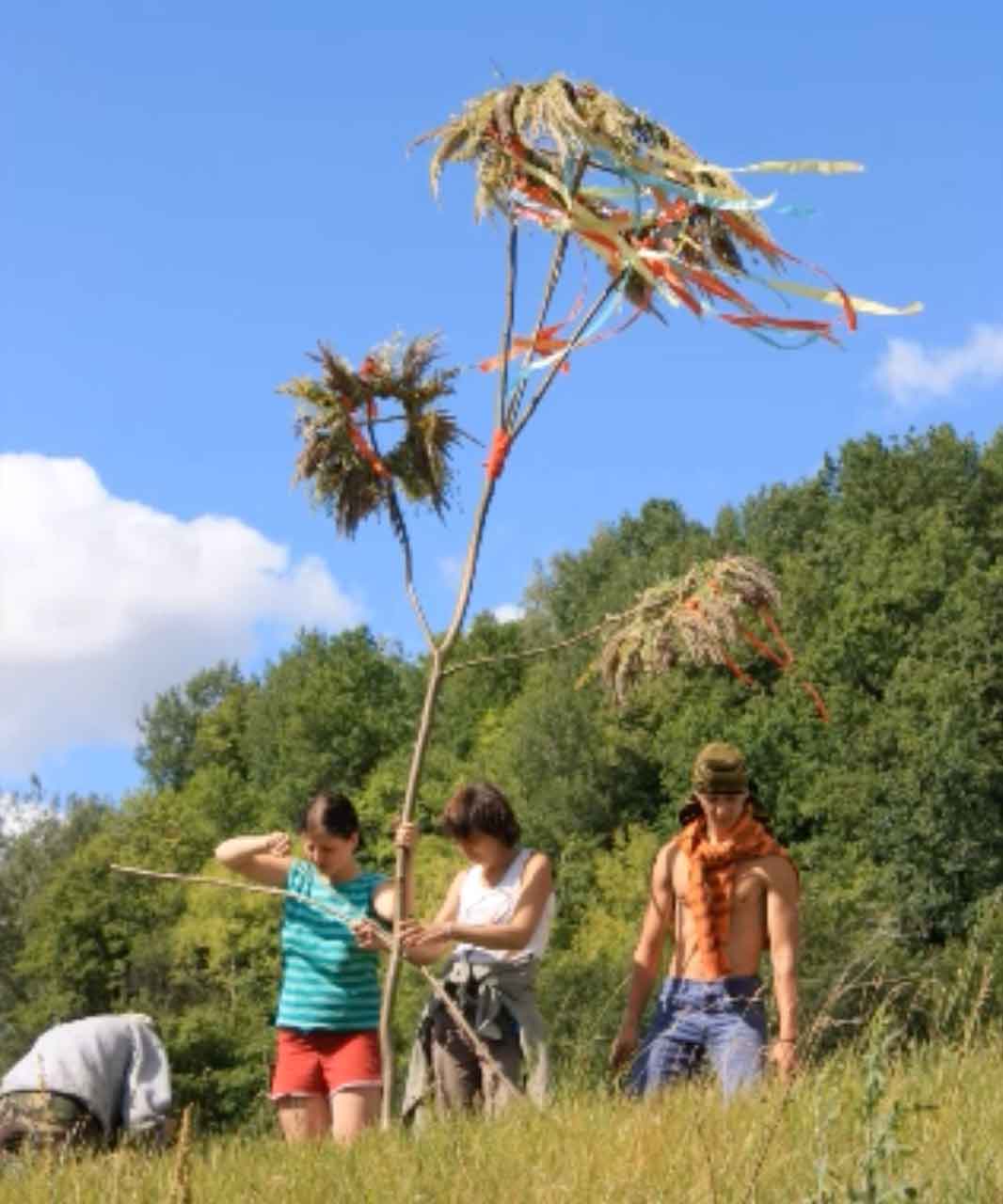
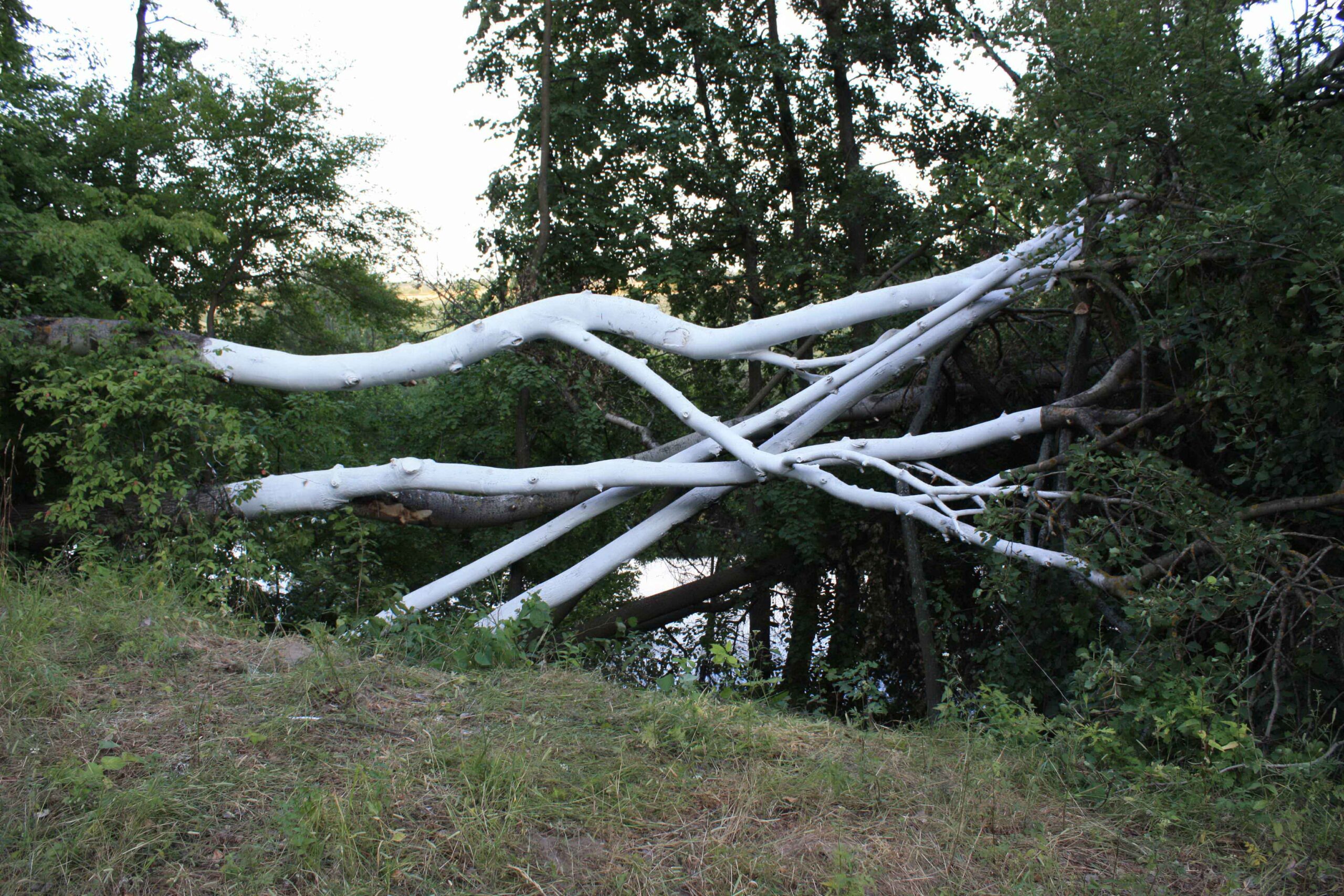
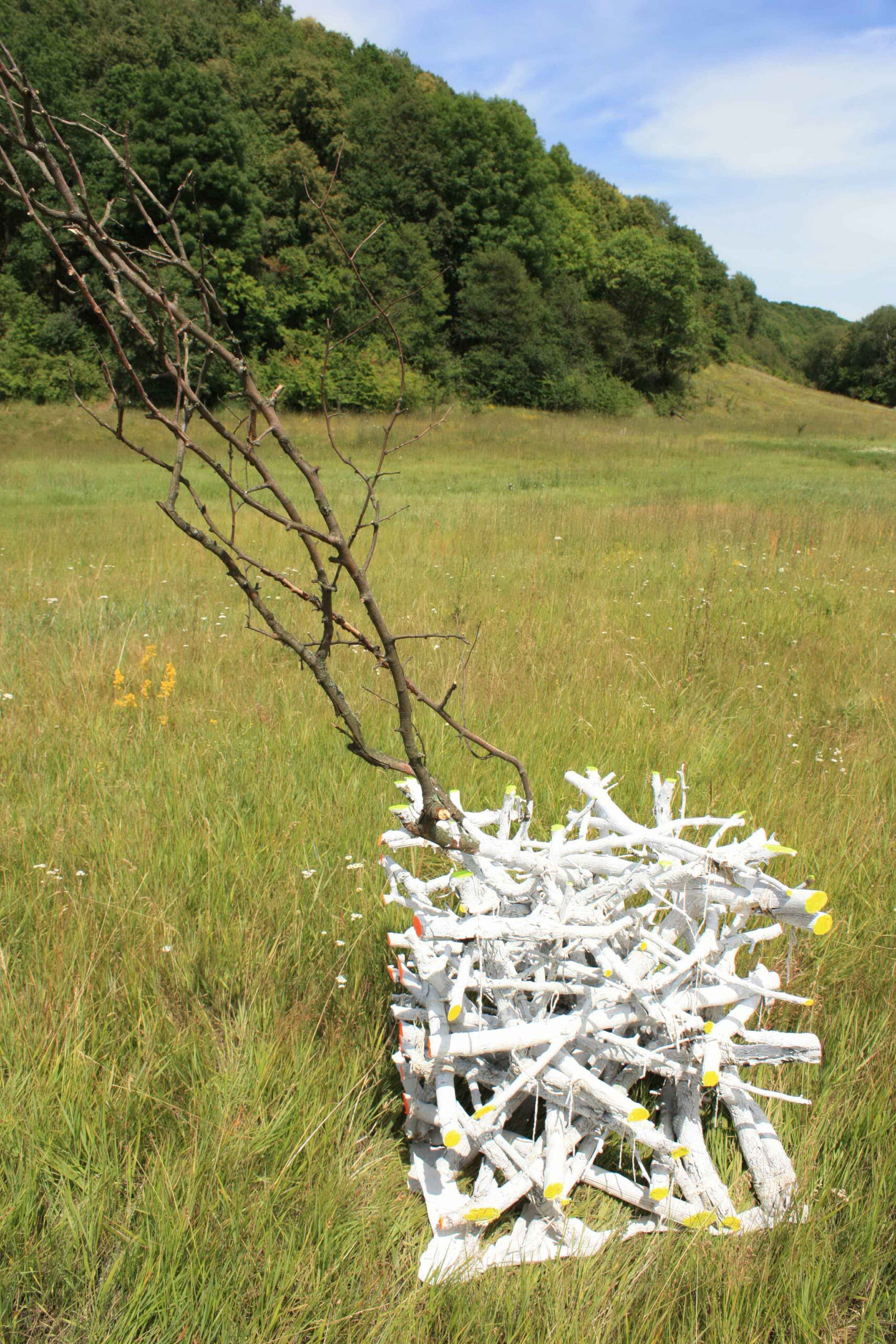
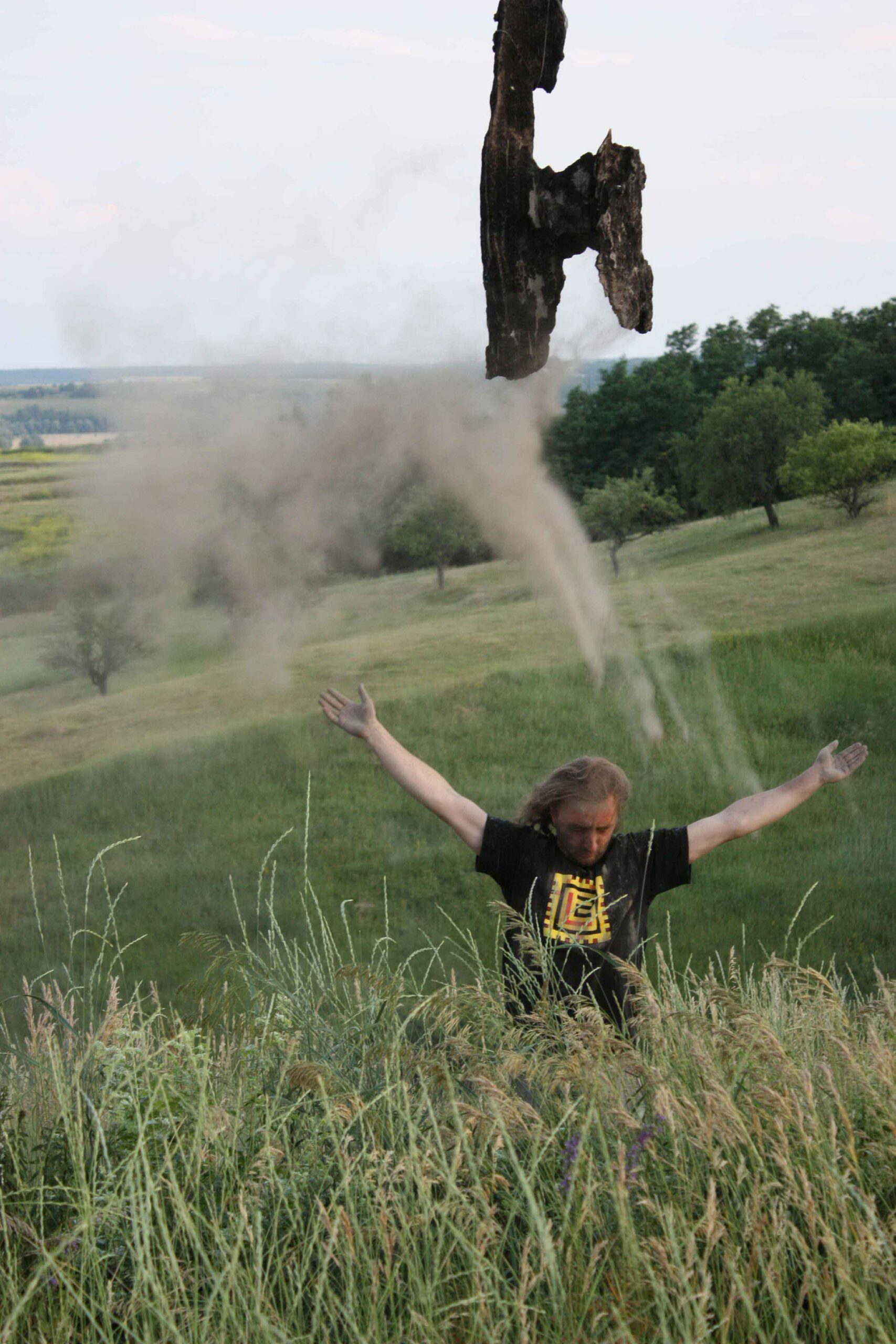
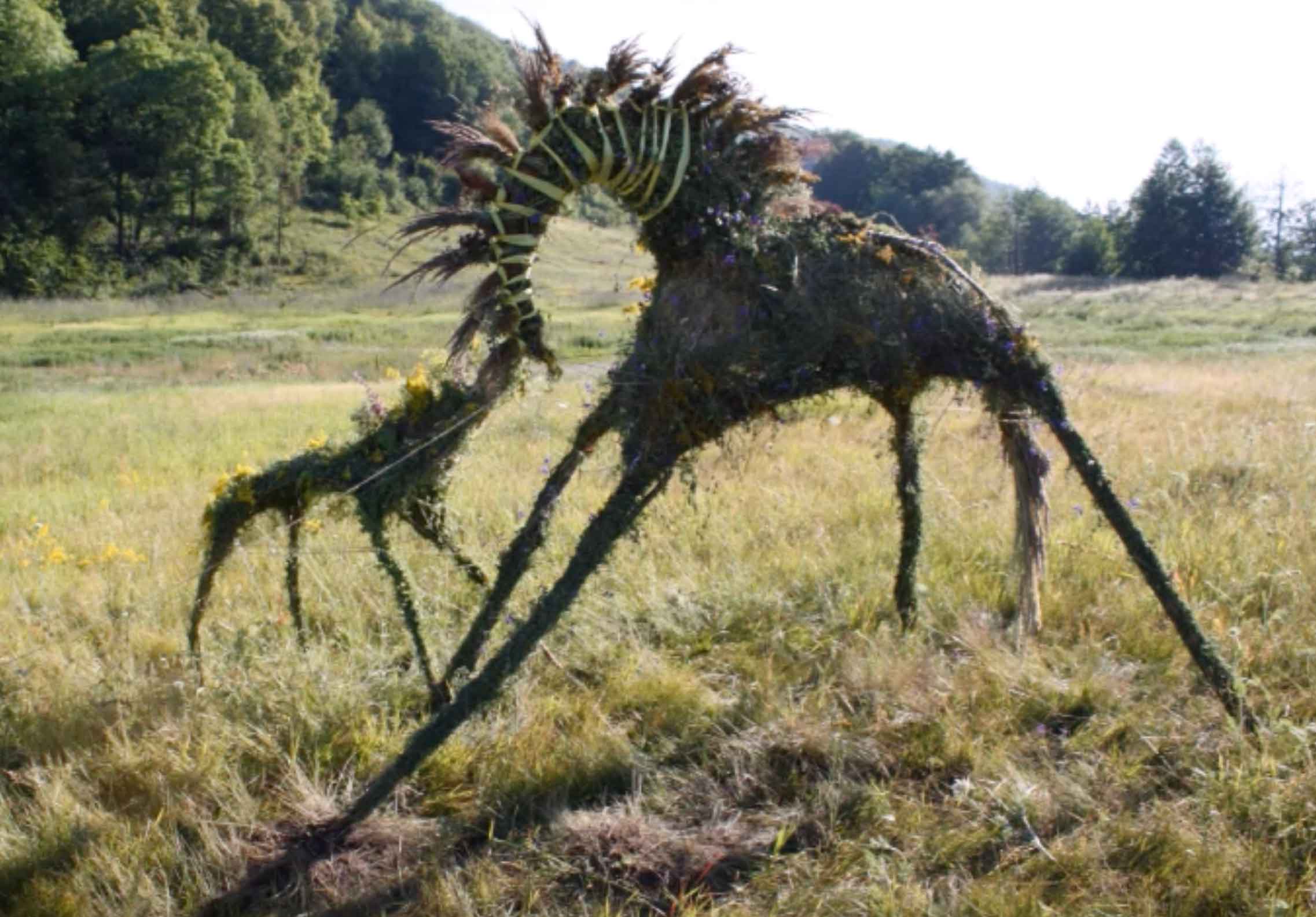
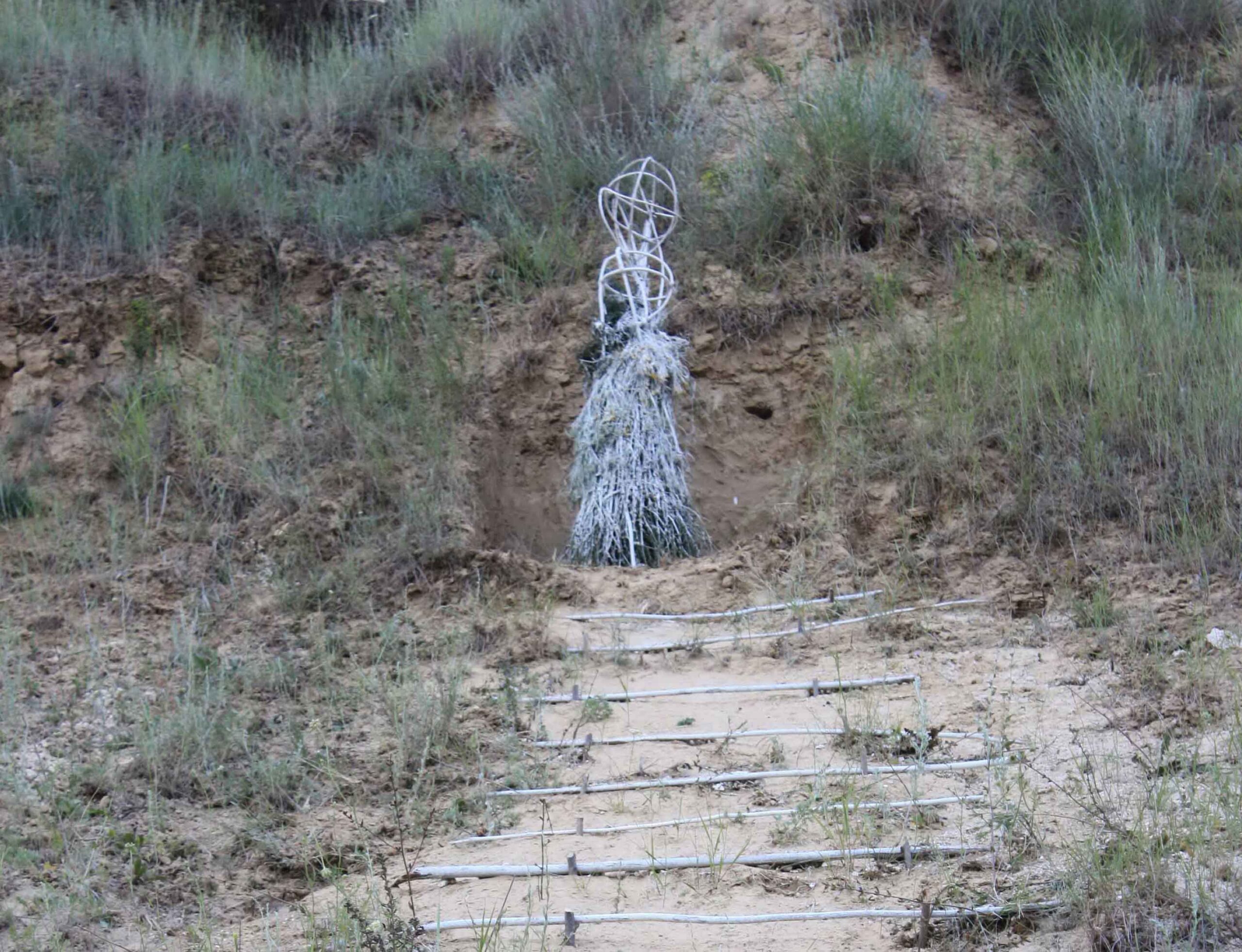
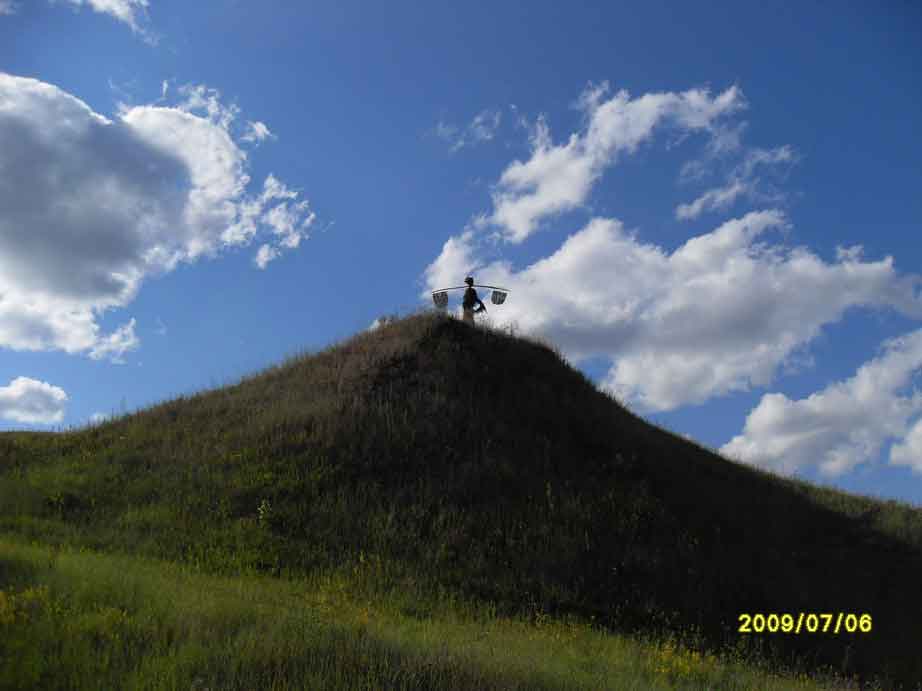
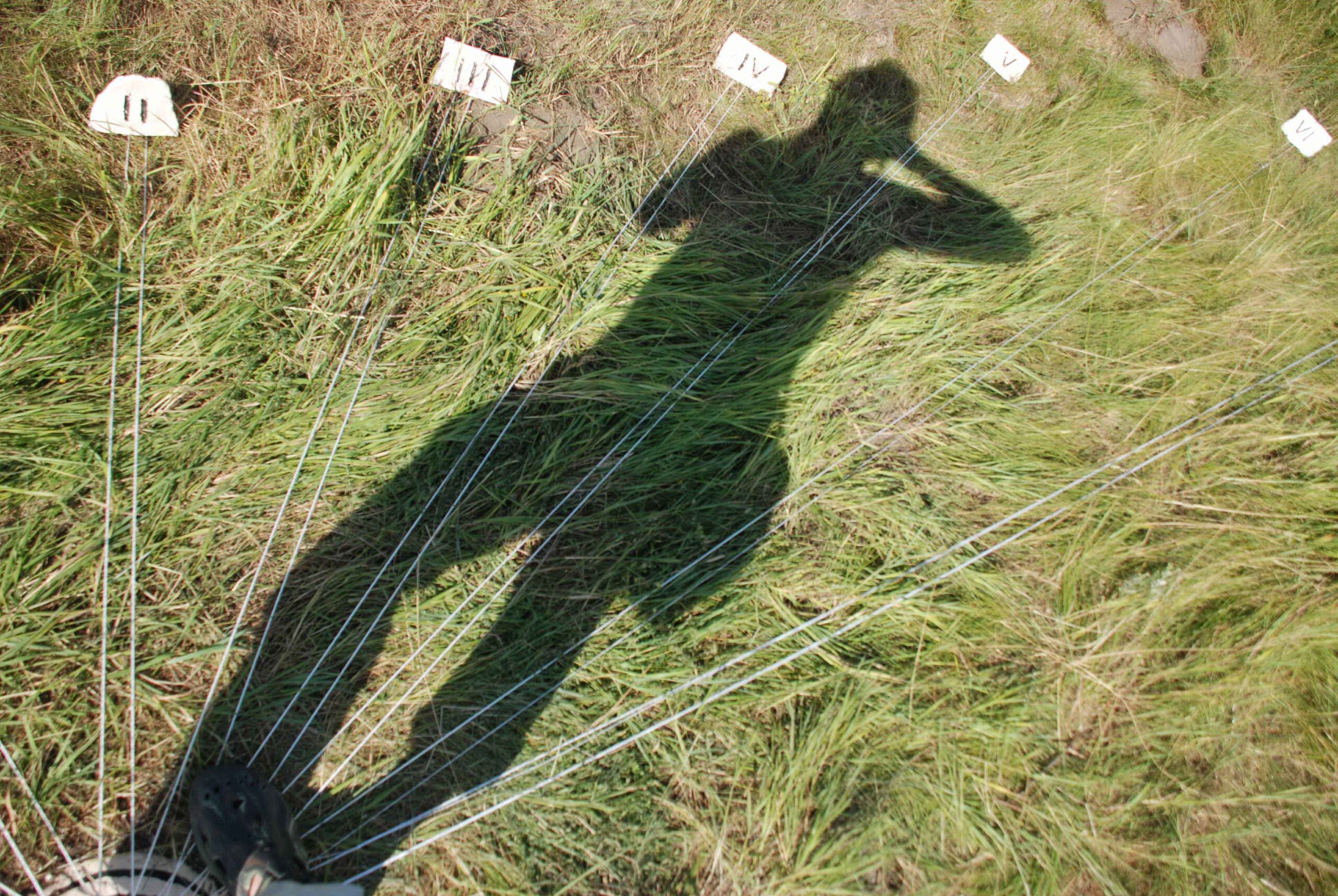
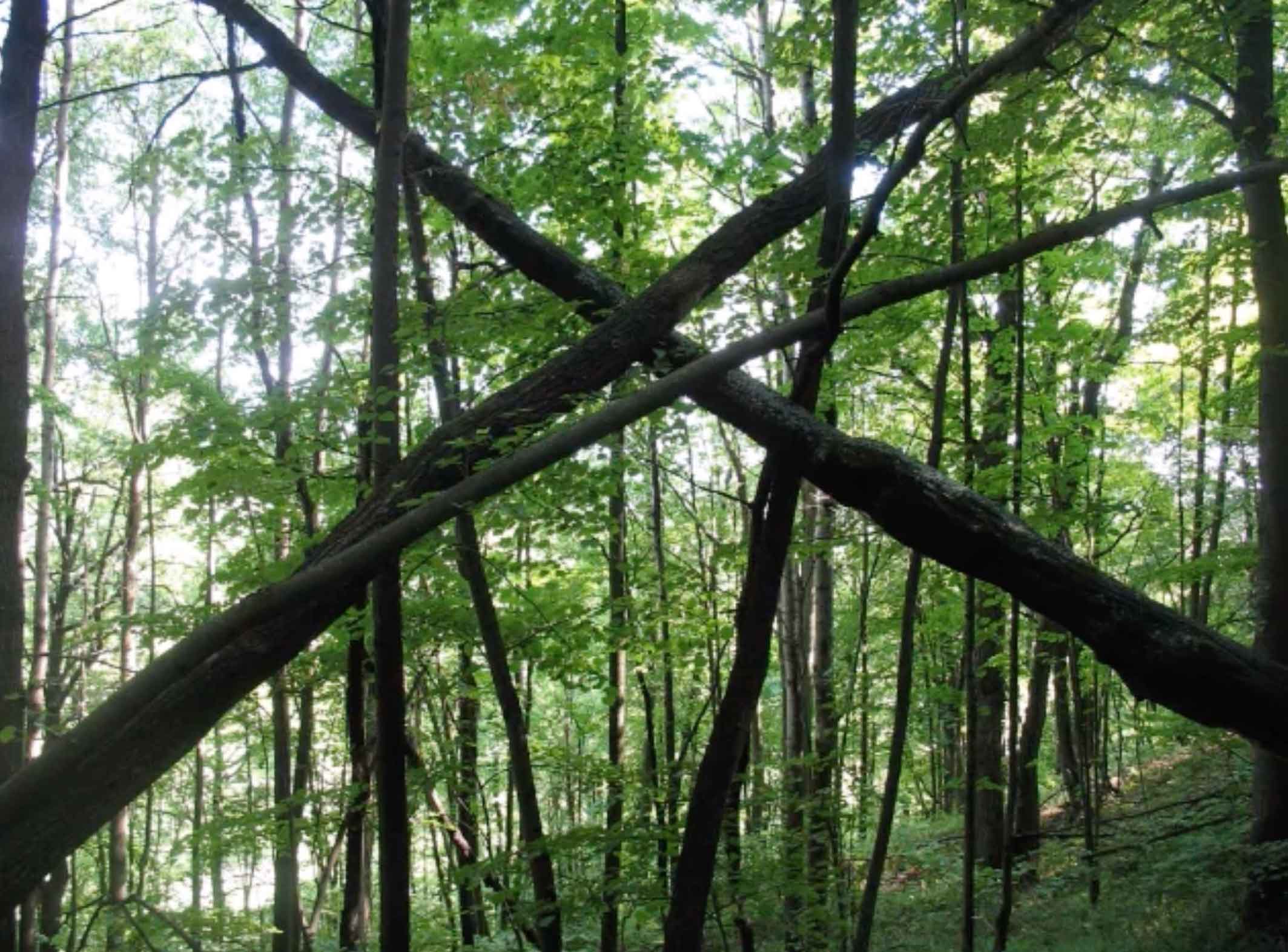
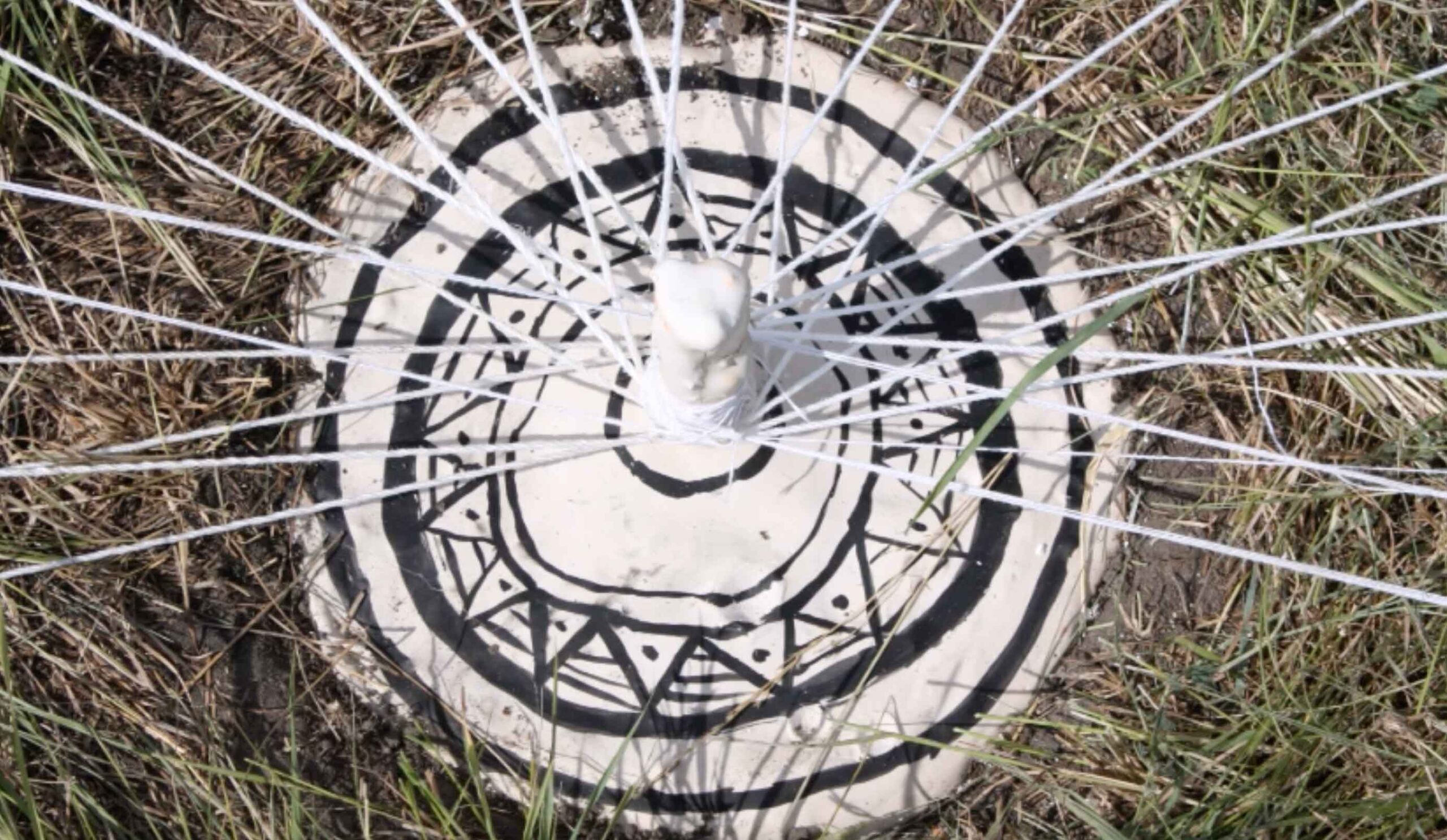
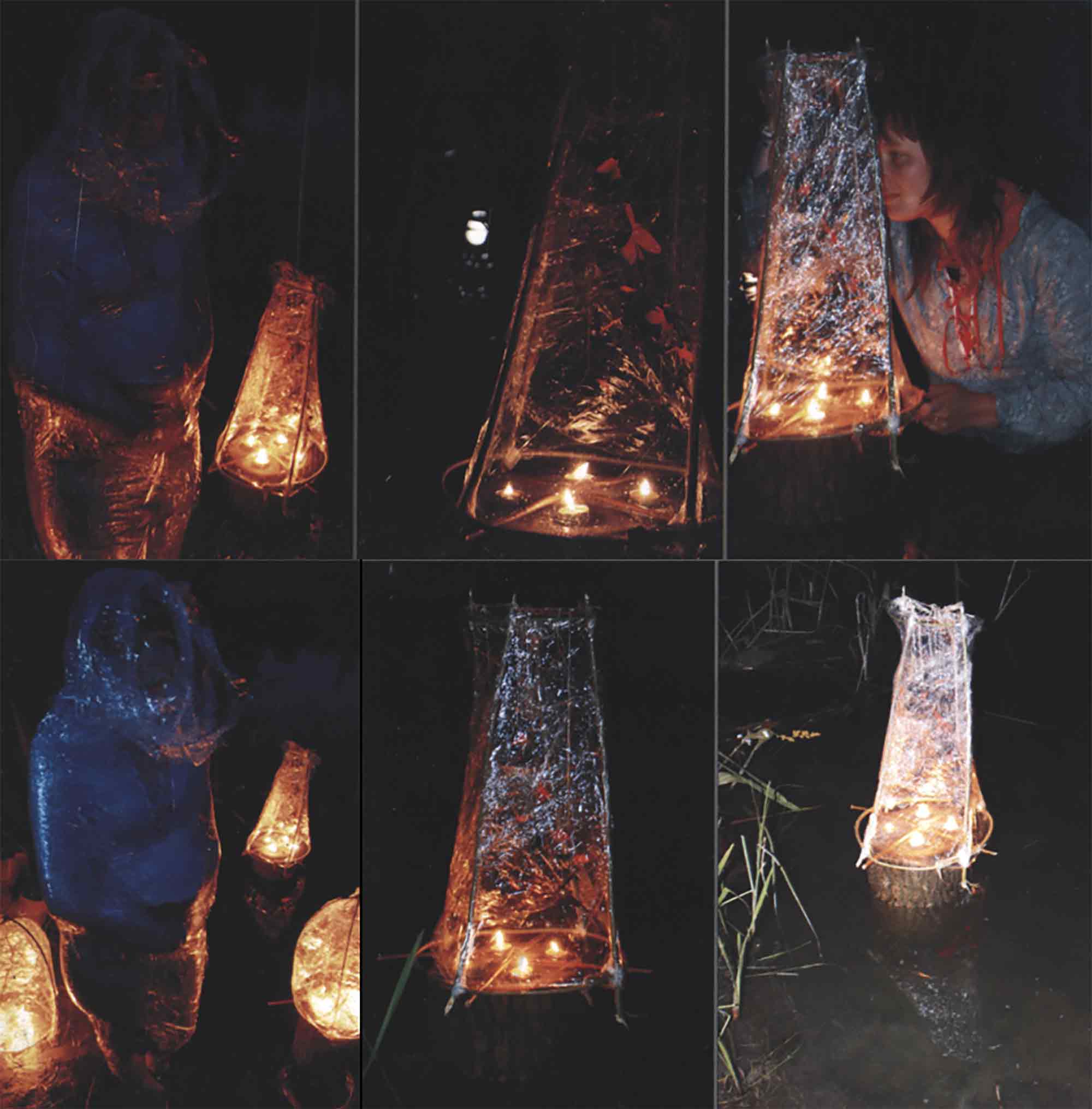
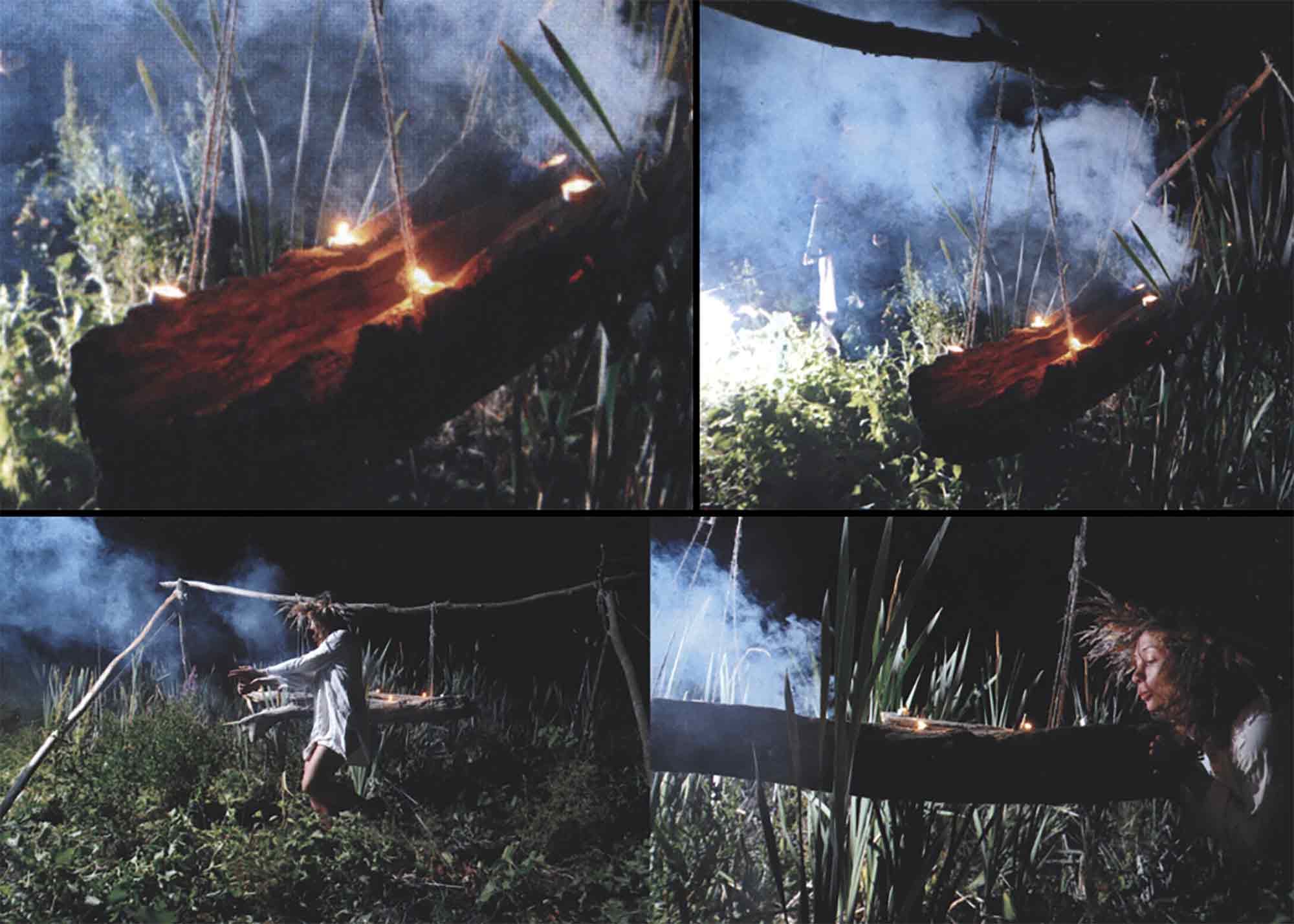
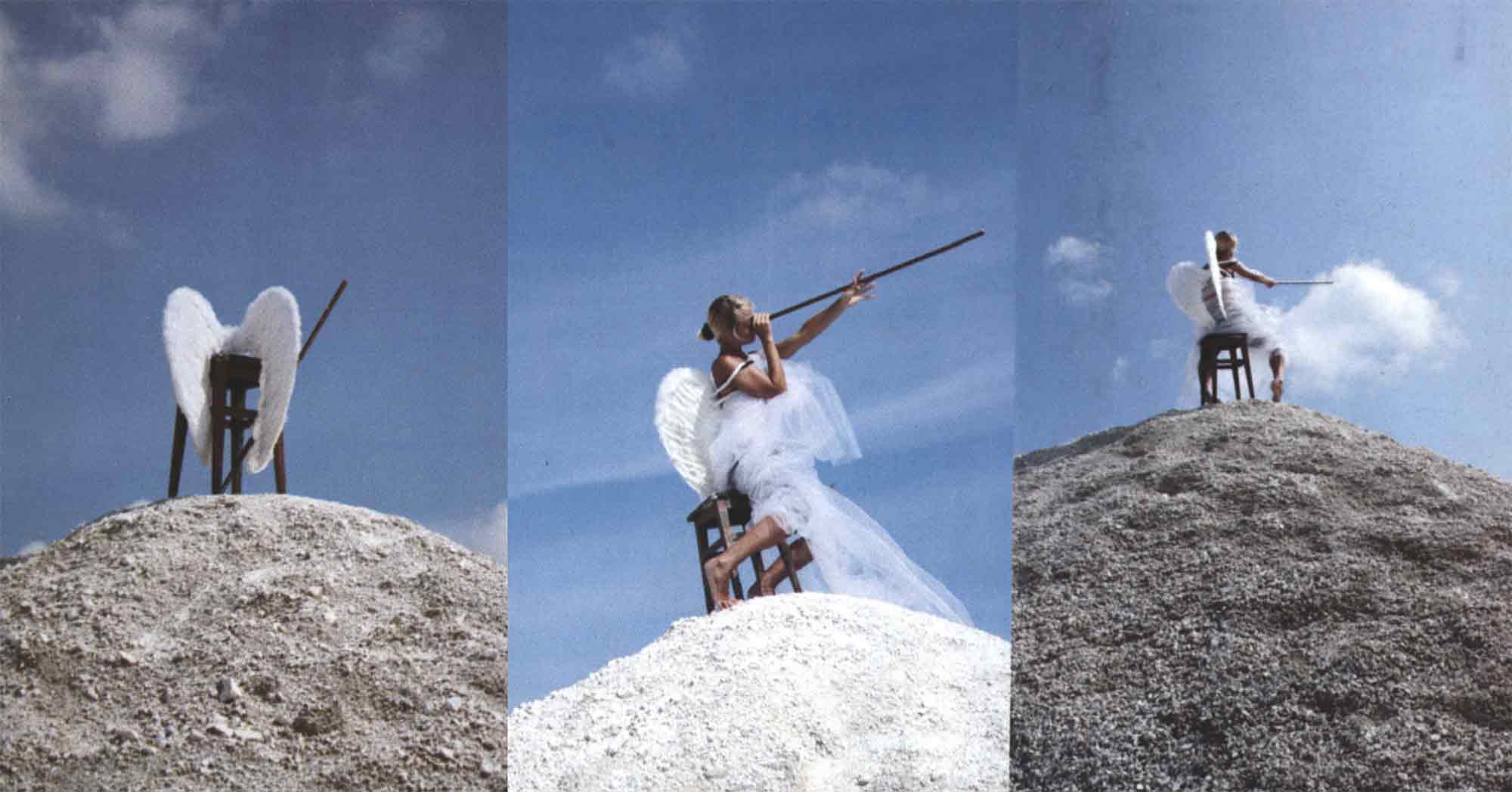
Artistic practices in 2009 showed a growing interest in themes of inscription, interweaving and revealing images within the Mohrytsia environment—a trend that continued in the works of subsequent years, until approximately 2012. That year, Vitalii Kokhan, Nadiia Bilokur, Yevhenii Manuilov, Oleksandr Nykytiuk, Olena Volynska, Anastasiia Skorykova, Yurii Vyshniakov, Yaroslava Maistrenko, Viktoriia Teletien, Oleksandra Sadovska, Maryna Fenota, Polina Kubrakova, Maryna Todorchuk, Oleksii Kravtsov, and Volodymyr Tsiupka created landmark works.
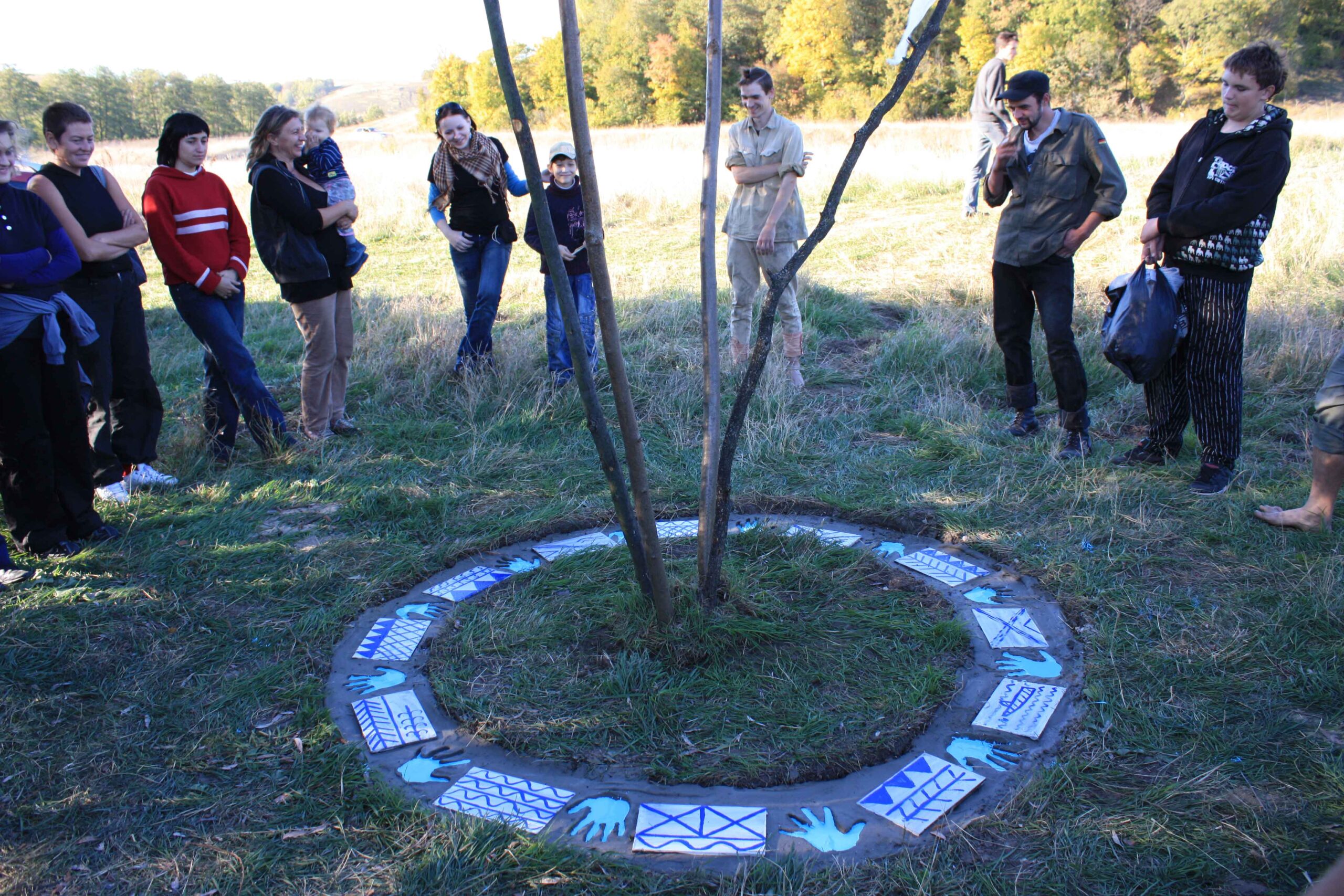
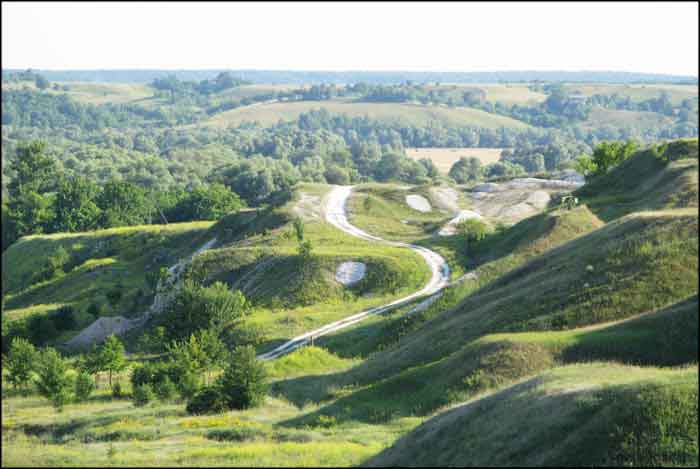
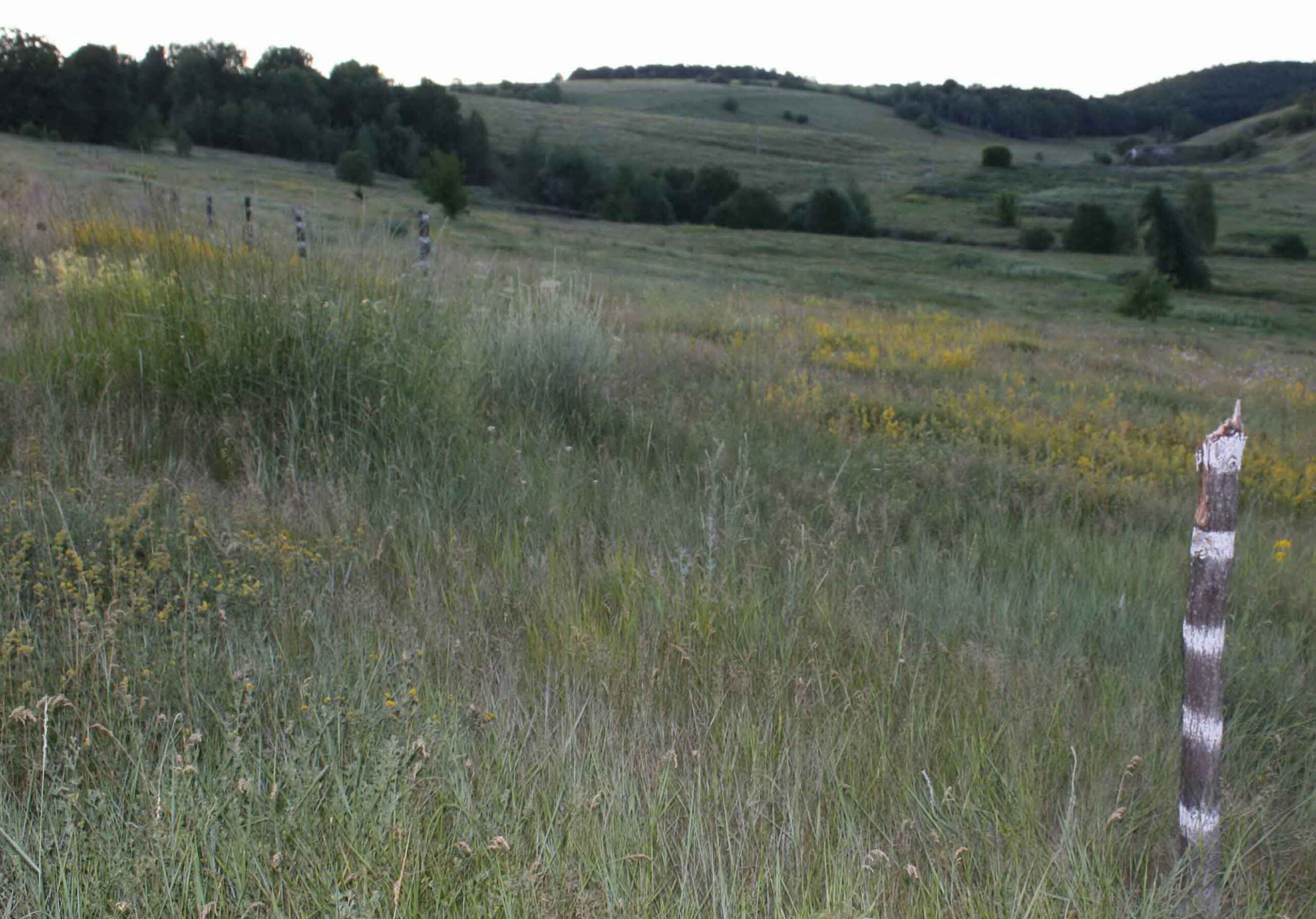
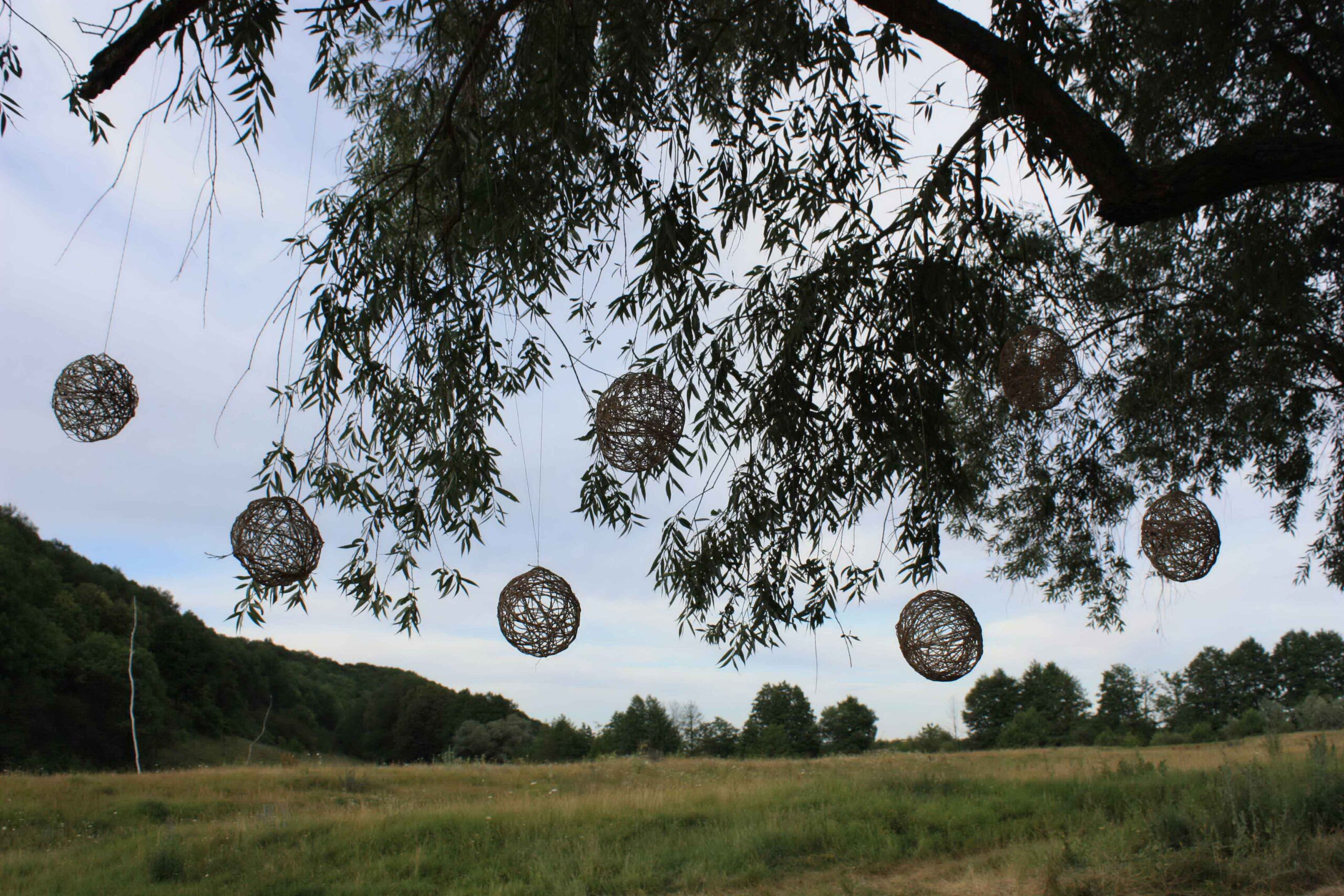
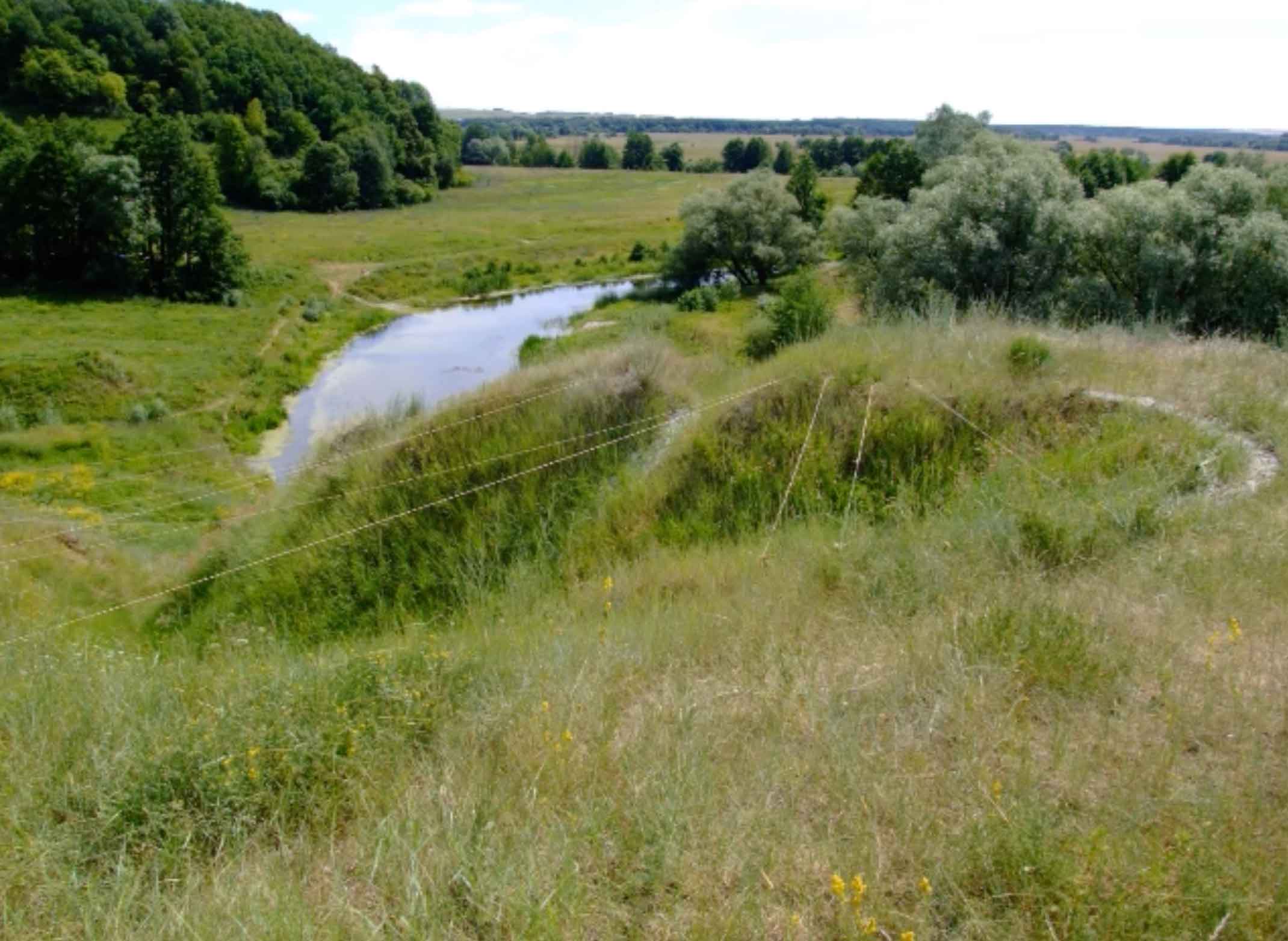
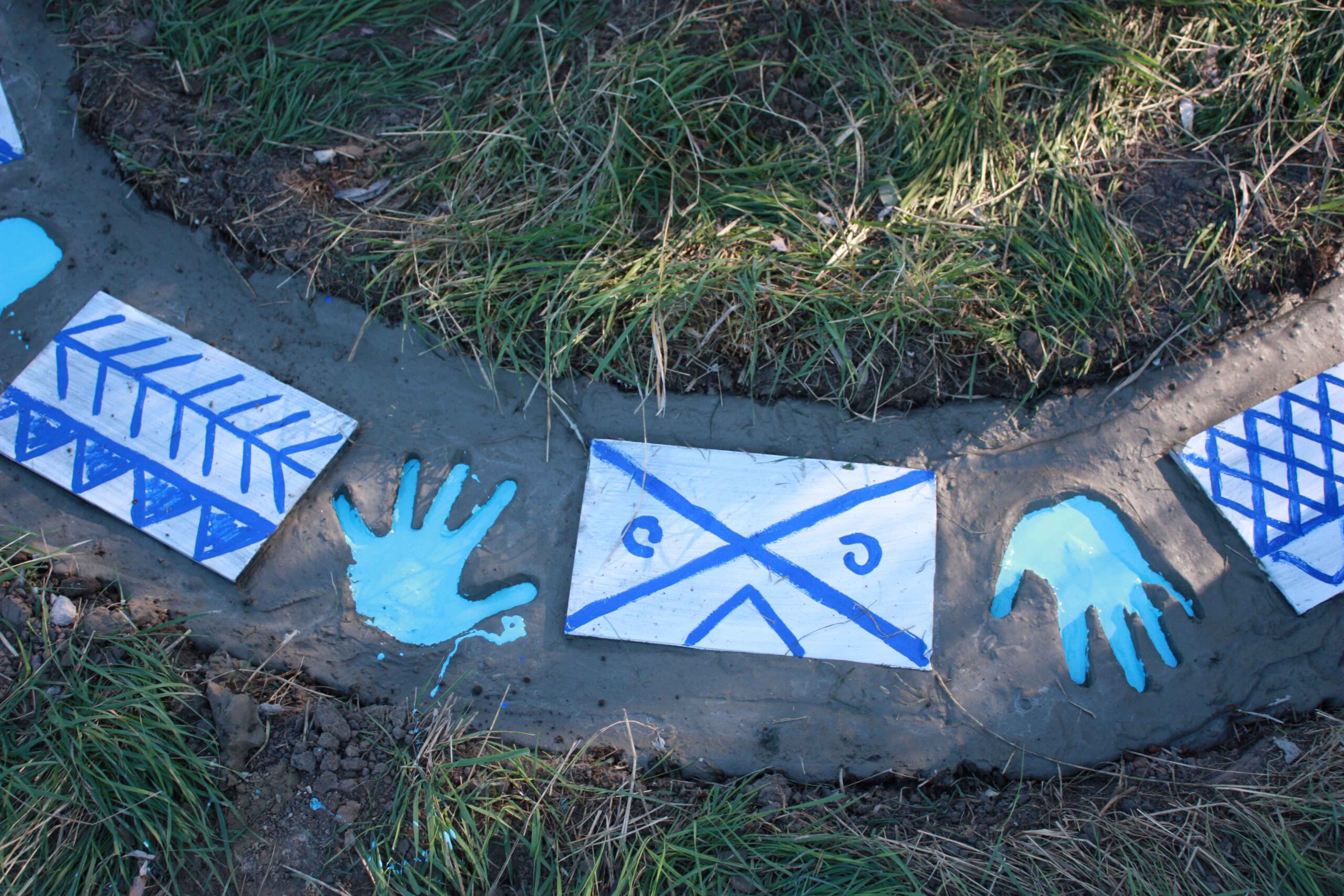
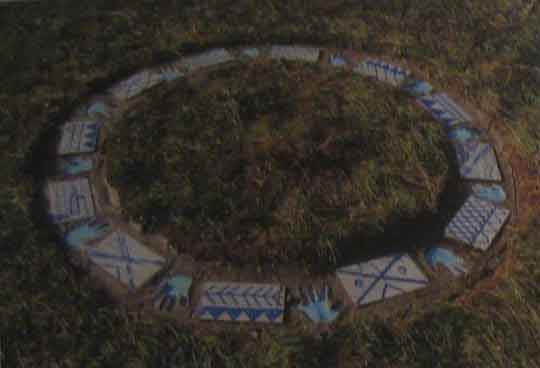
Participants turned to the symbols of the calendar, ritual, and natural cycles. A notable gesture was the laying of a cement calendar circle beneath a large, sprawling willow tree—a tree that for many years served as the informal centre of Kut (corner), a floodplain meadow near the banks of the Psel River and the site of the symposium tent camp, surrounded to the east and north by mixed forest and to the west by open hillsides.
text continues below