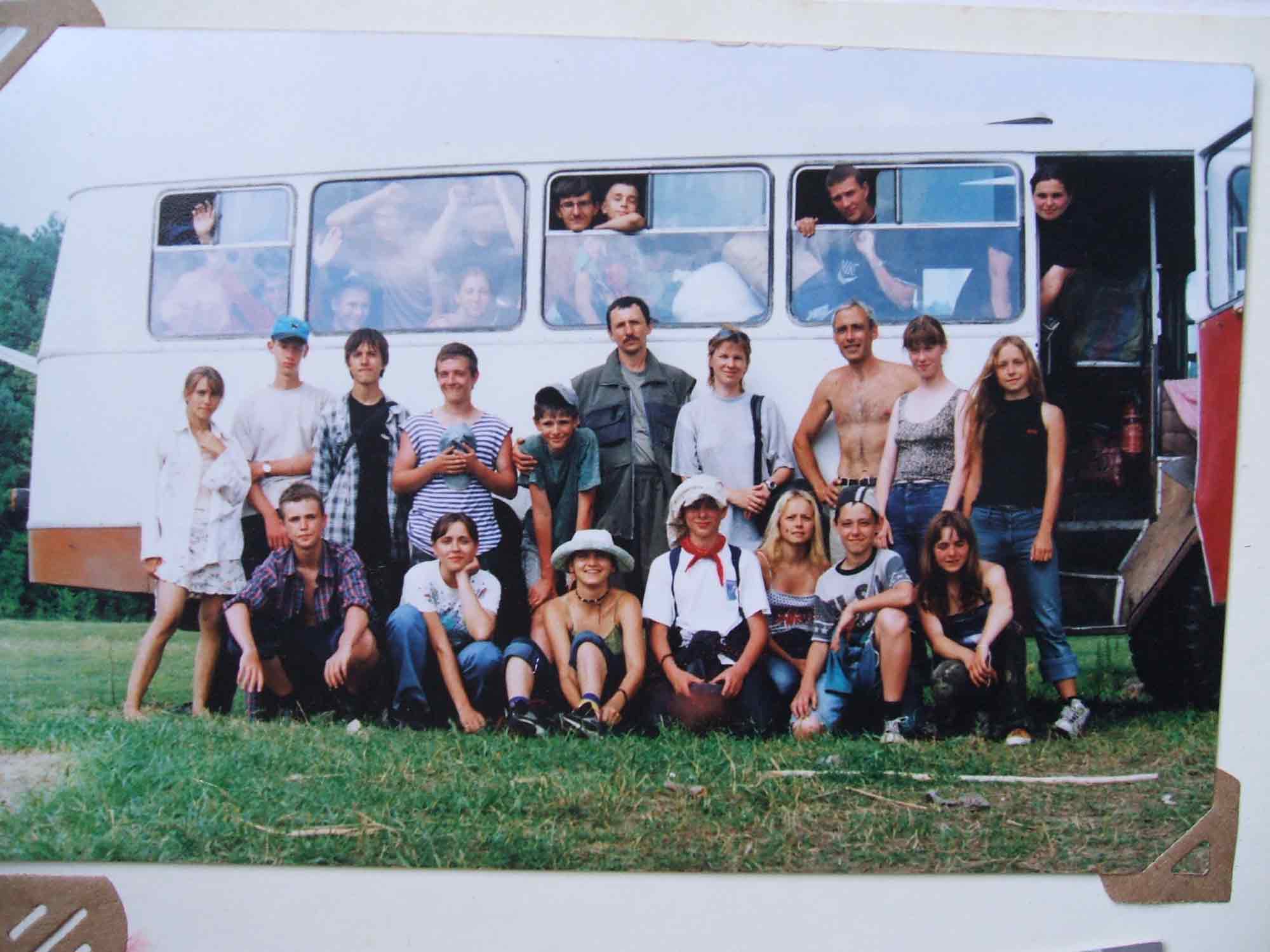
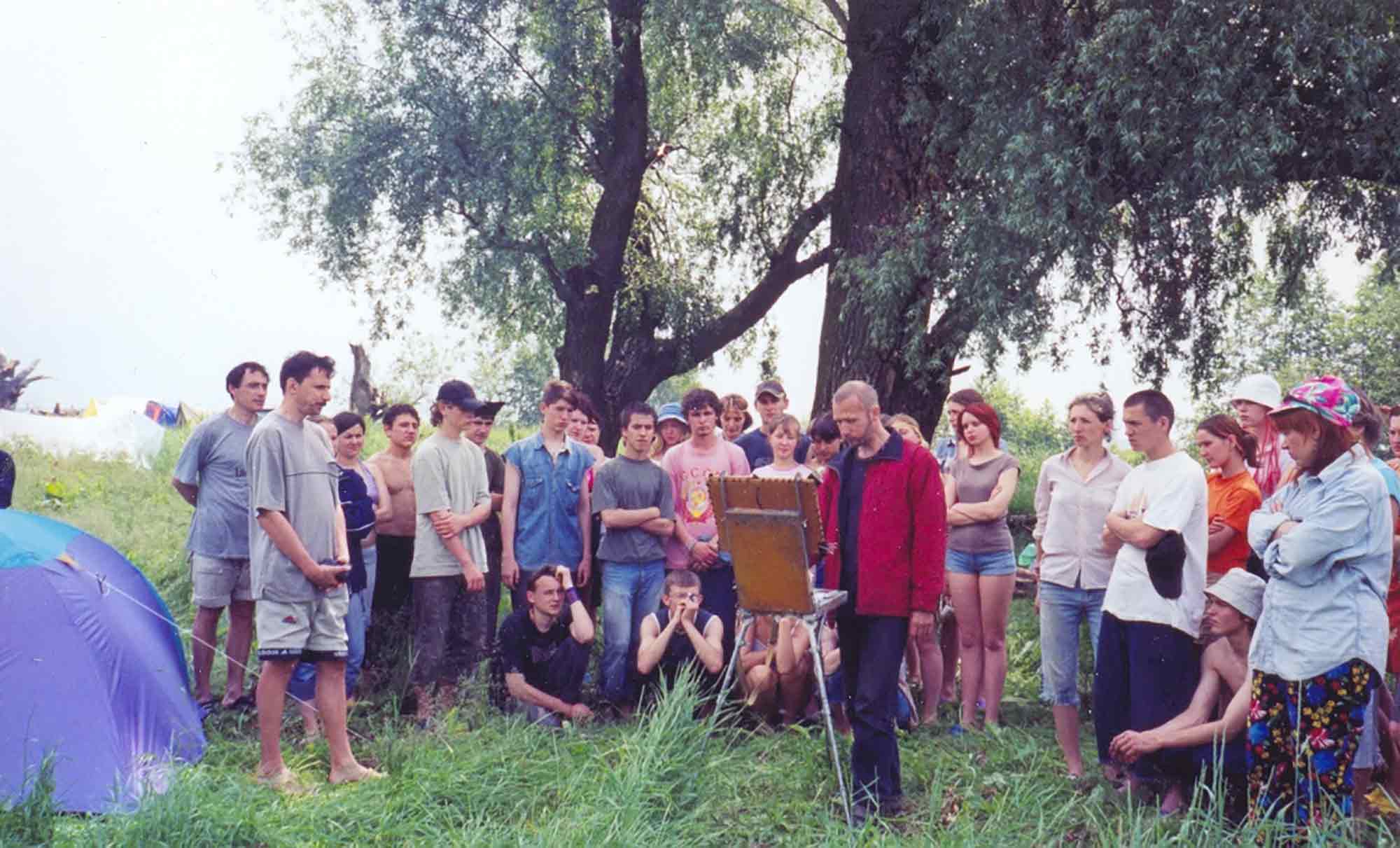
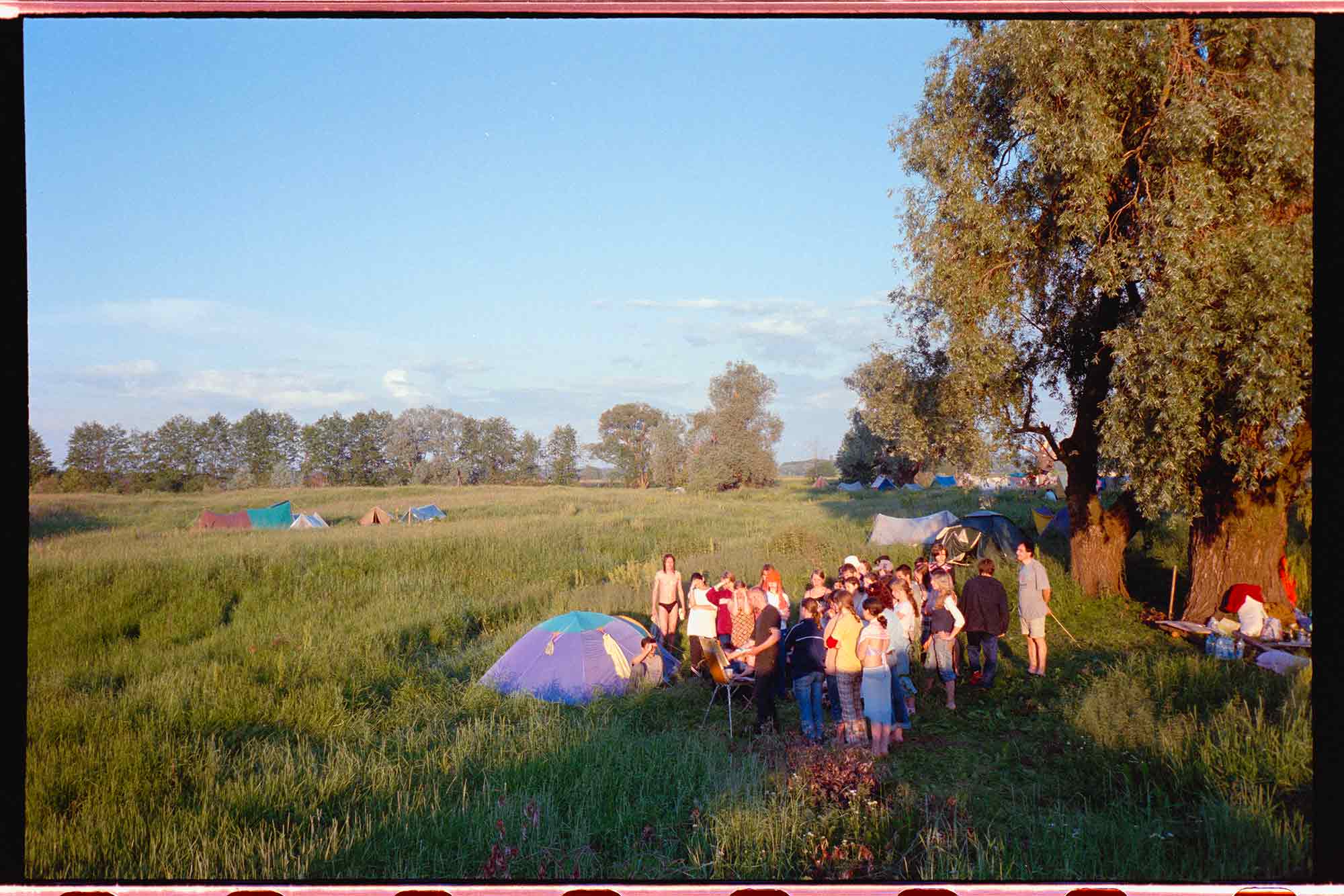
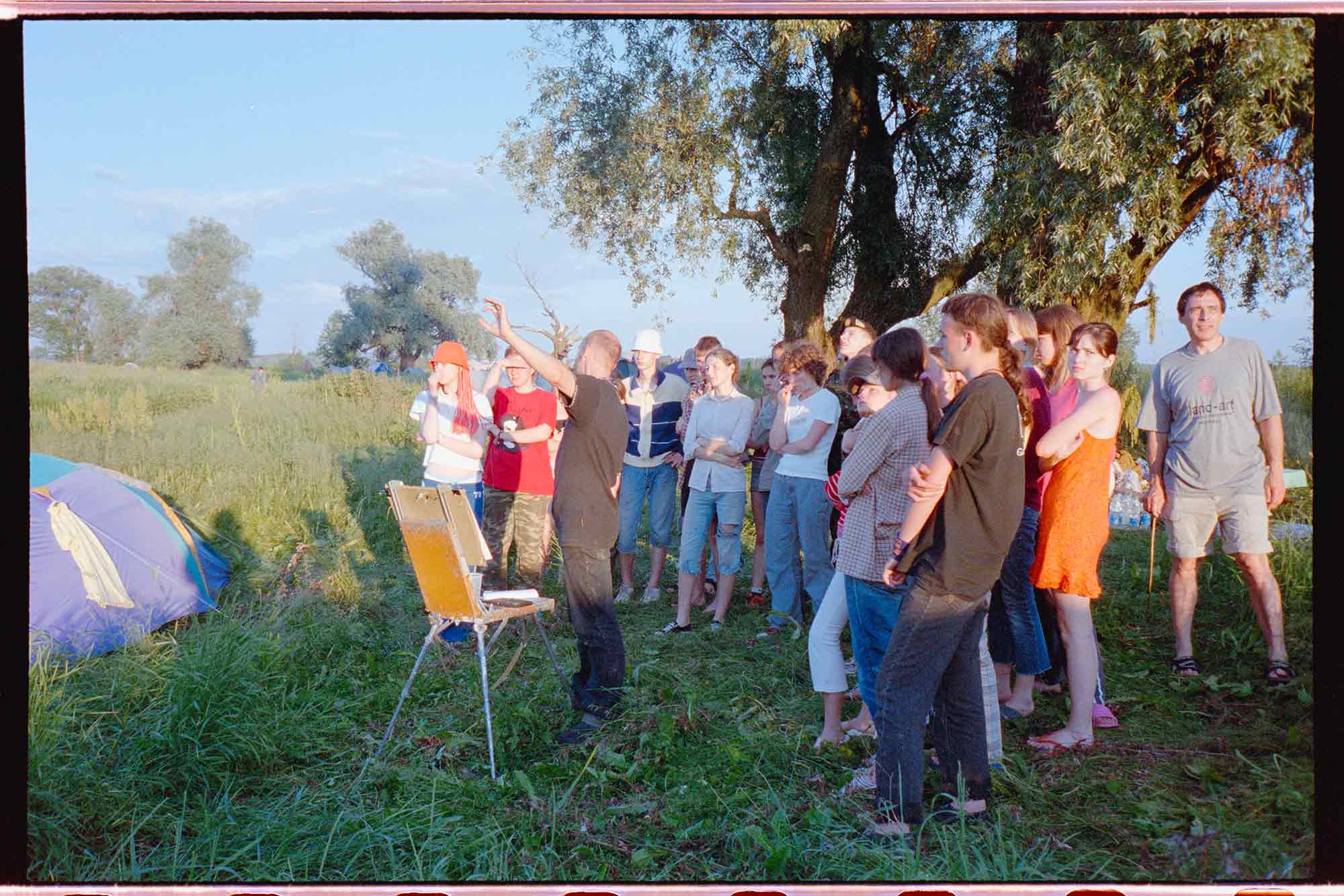
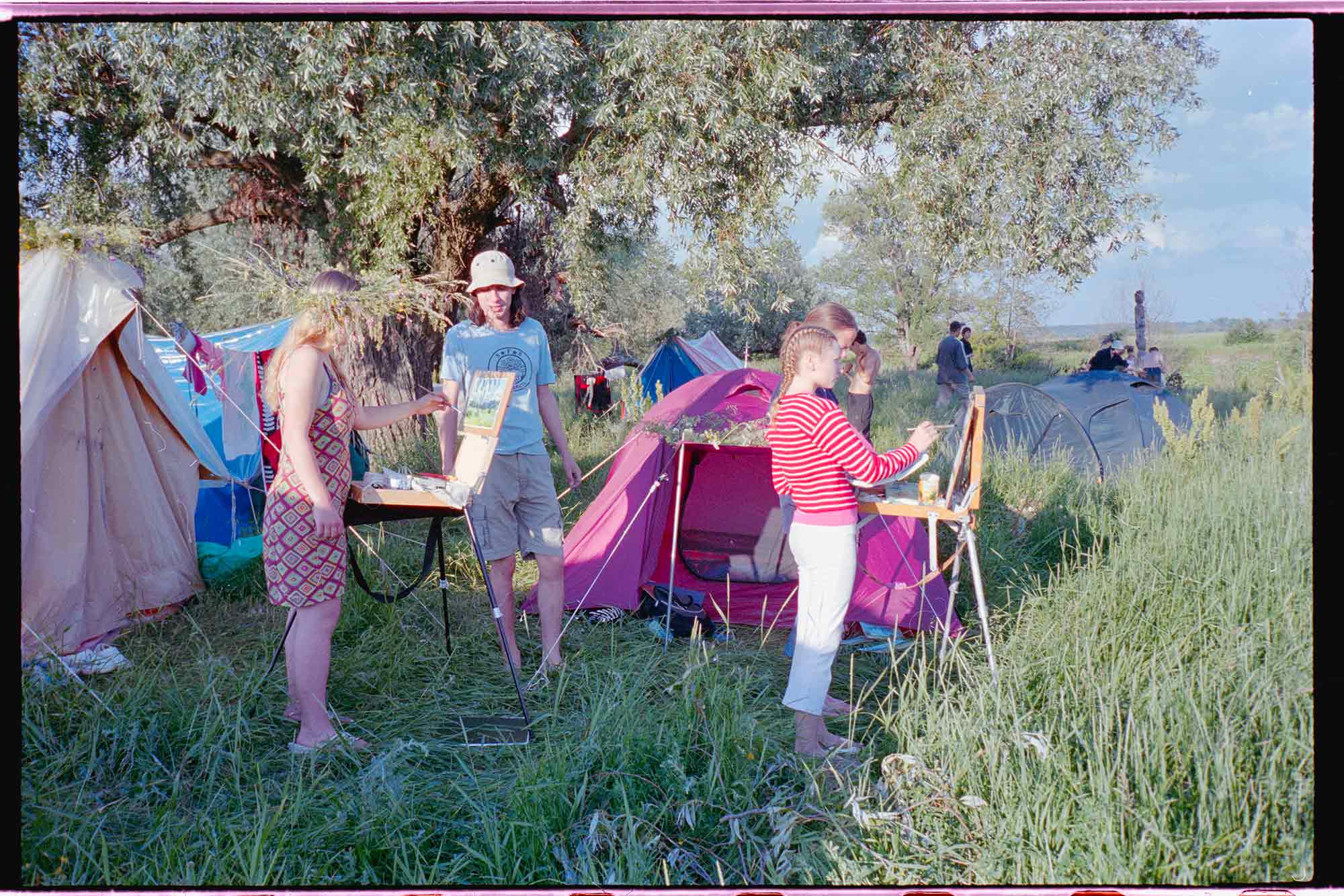
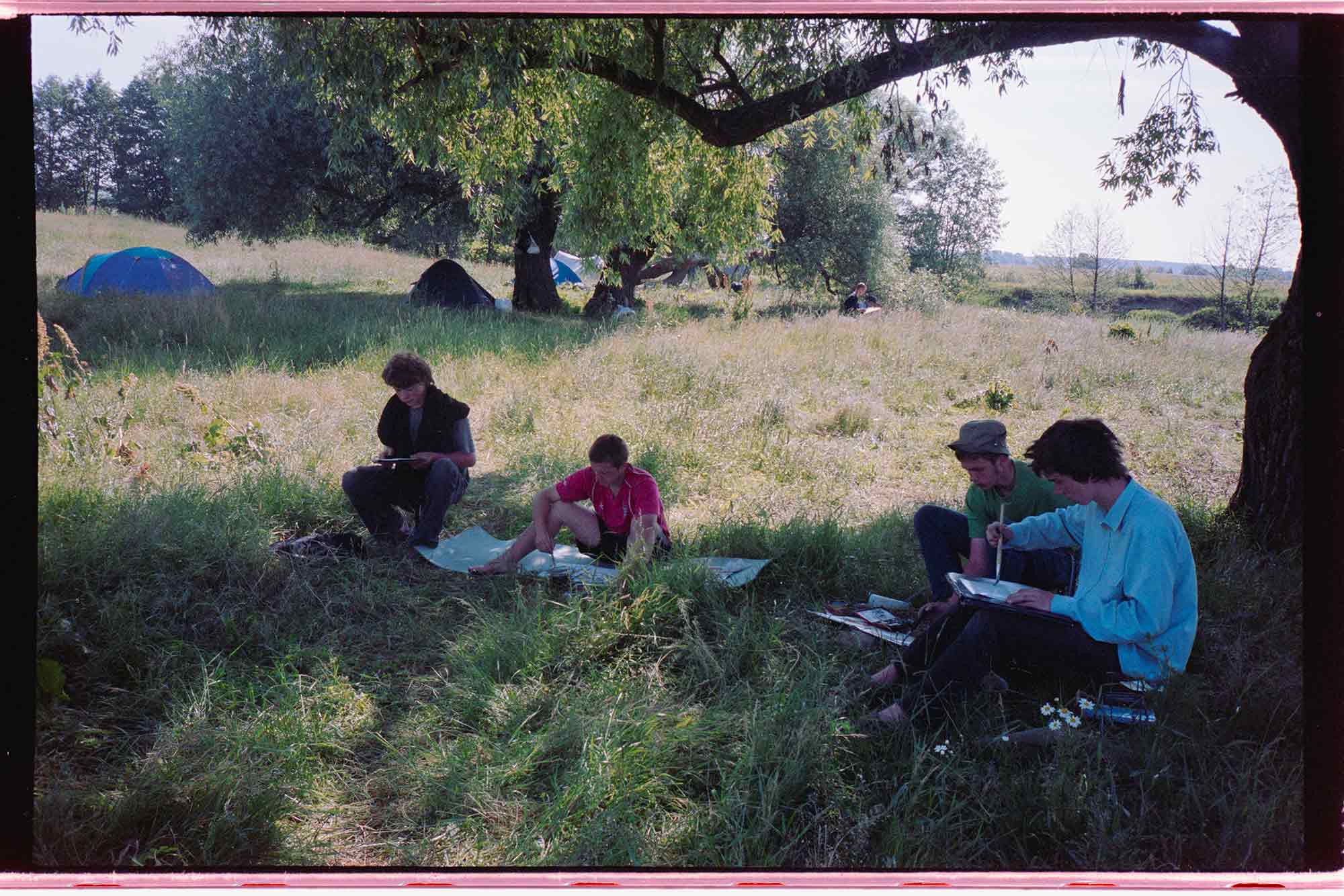
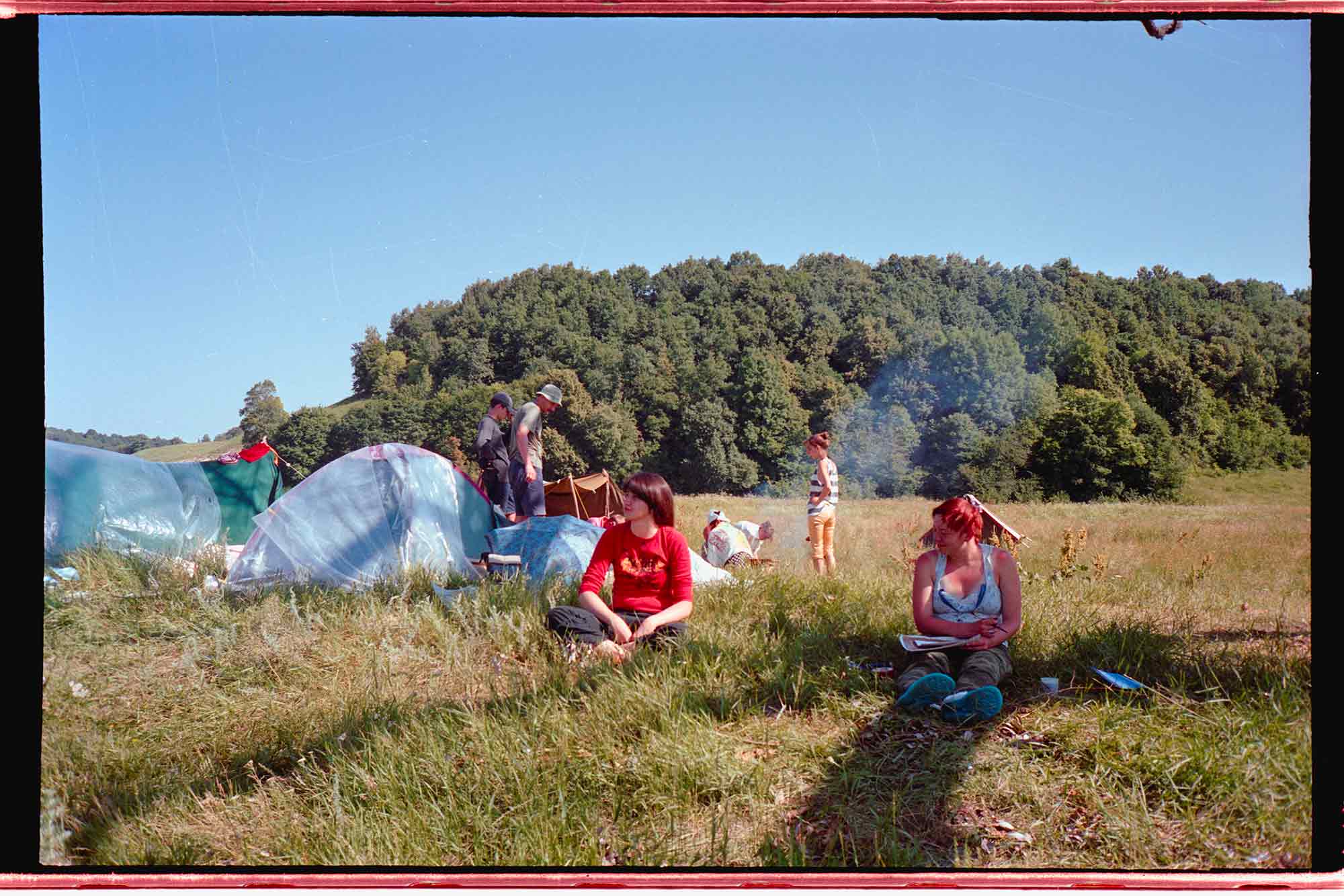
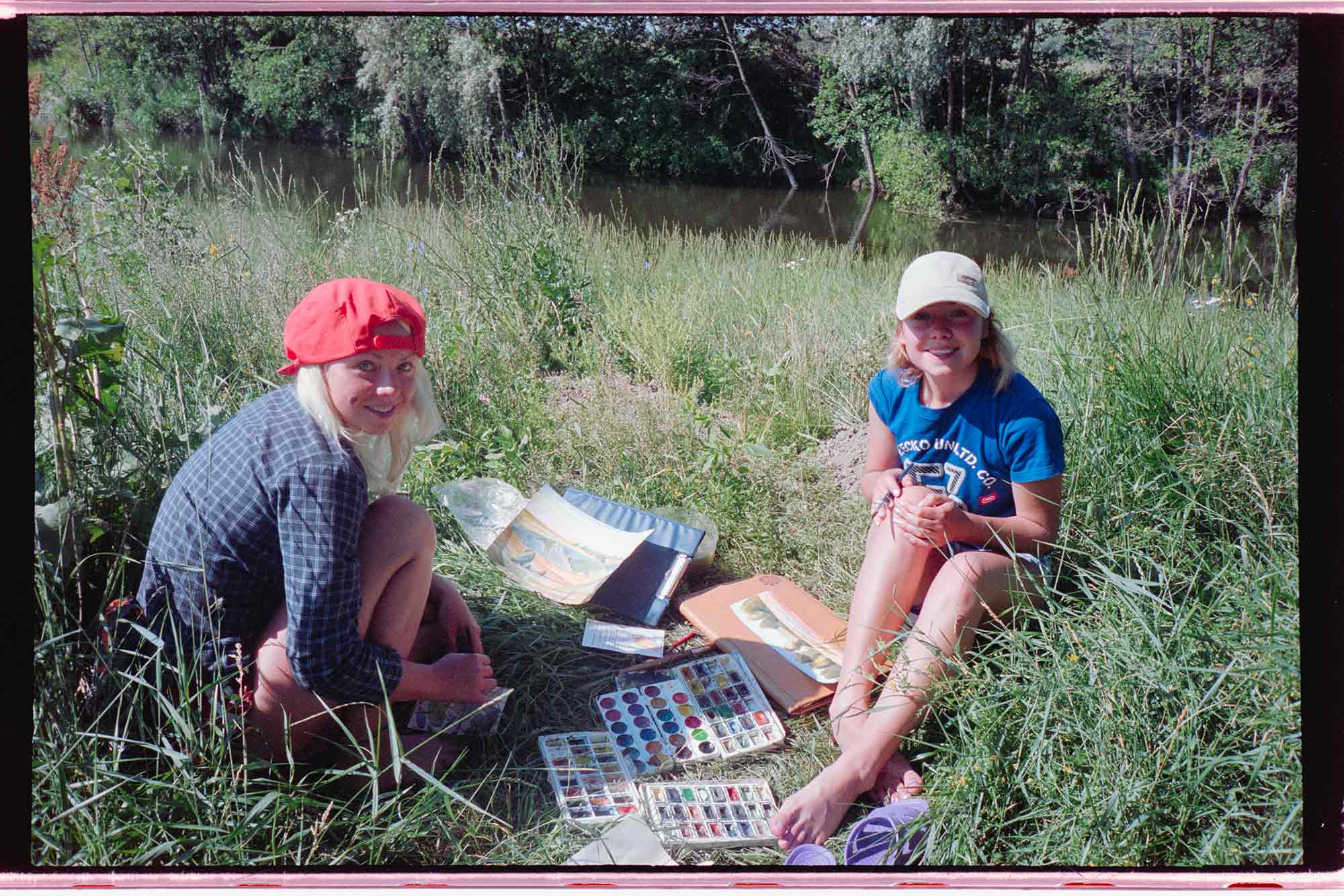
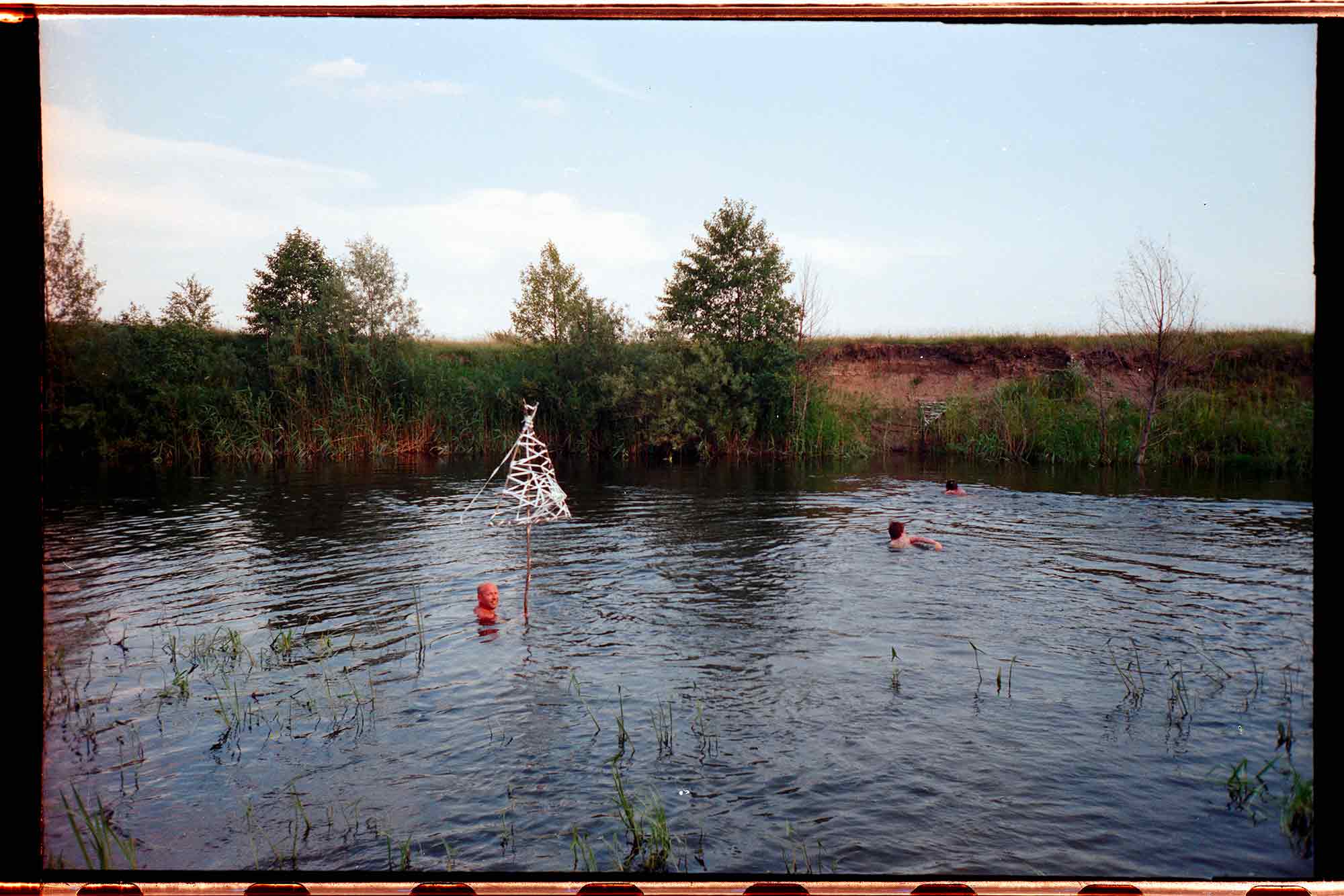
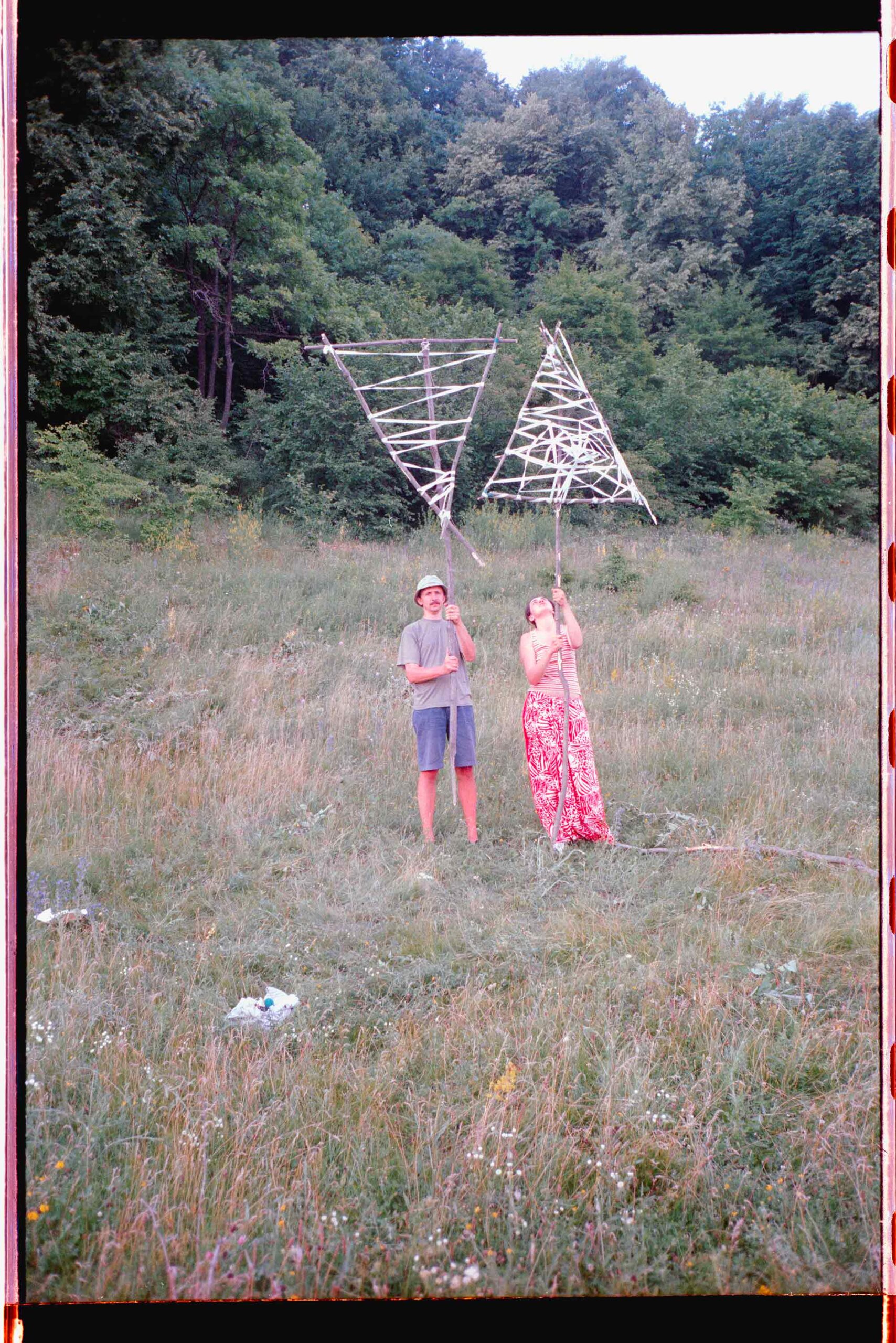
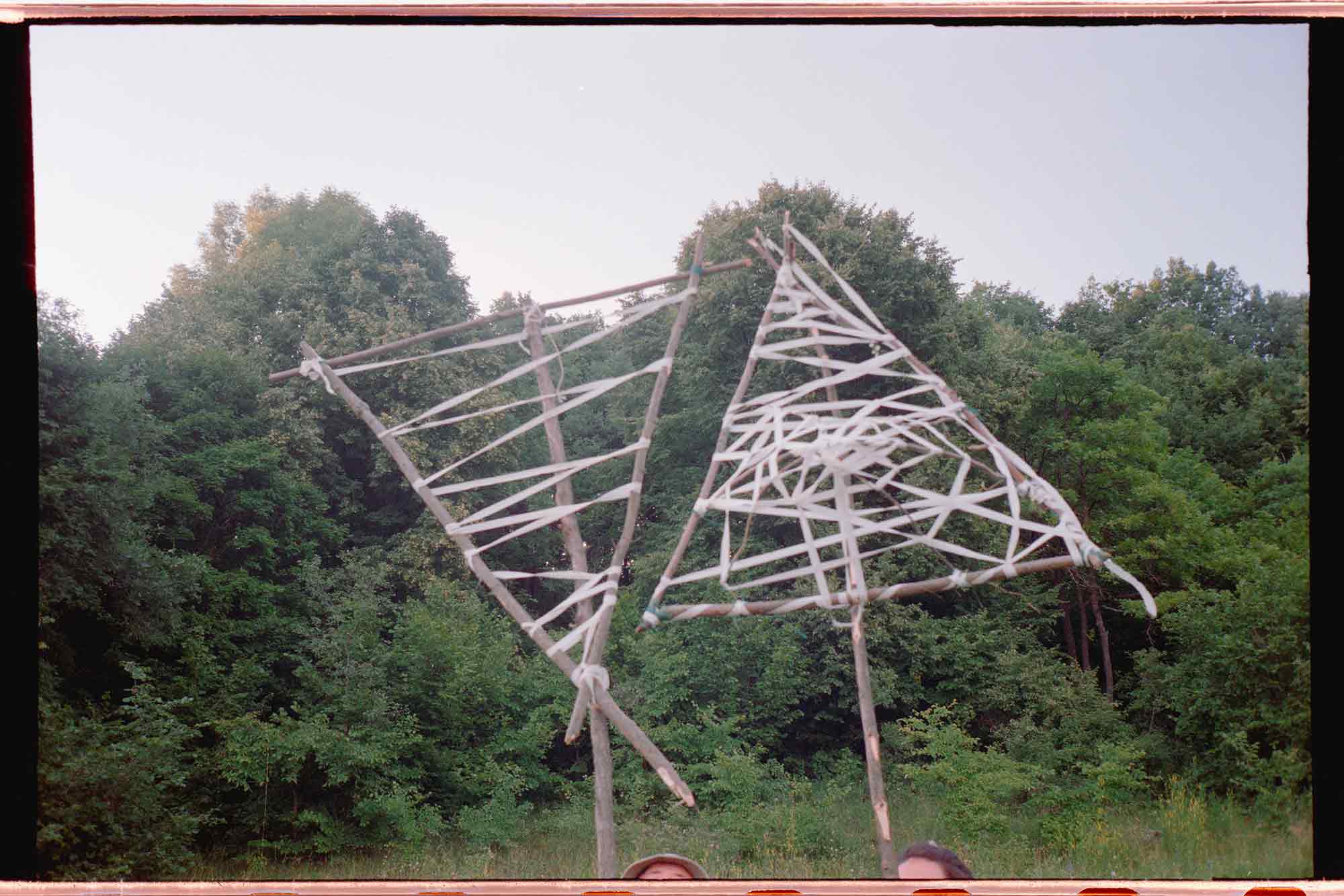
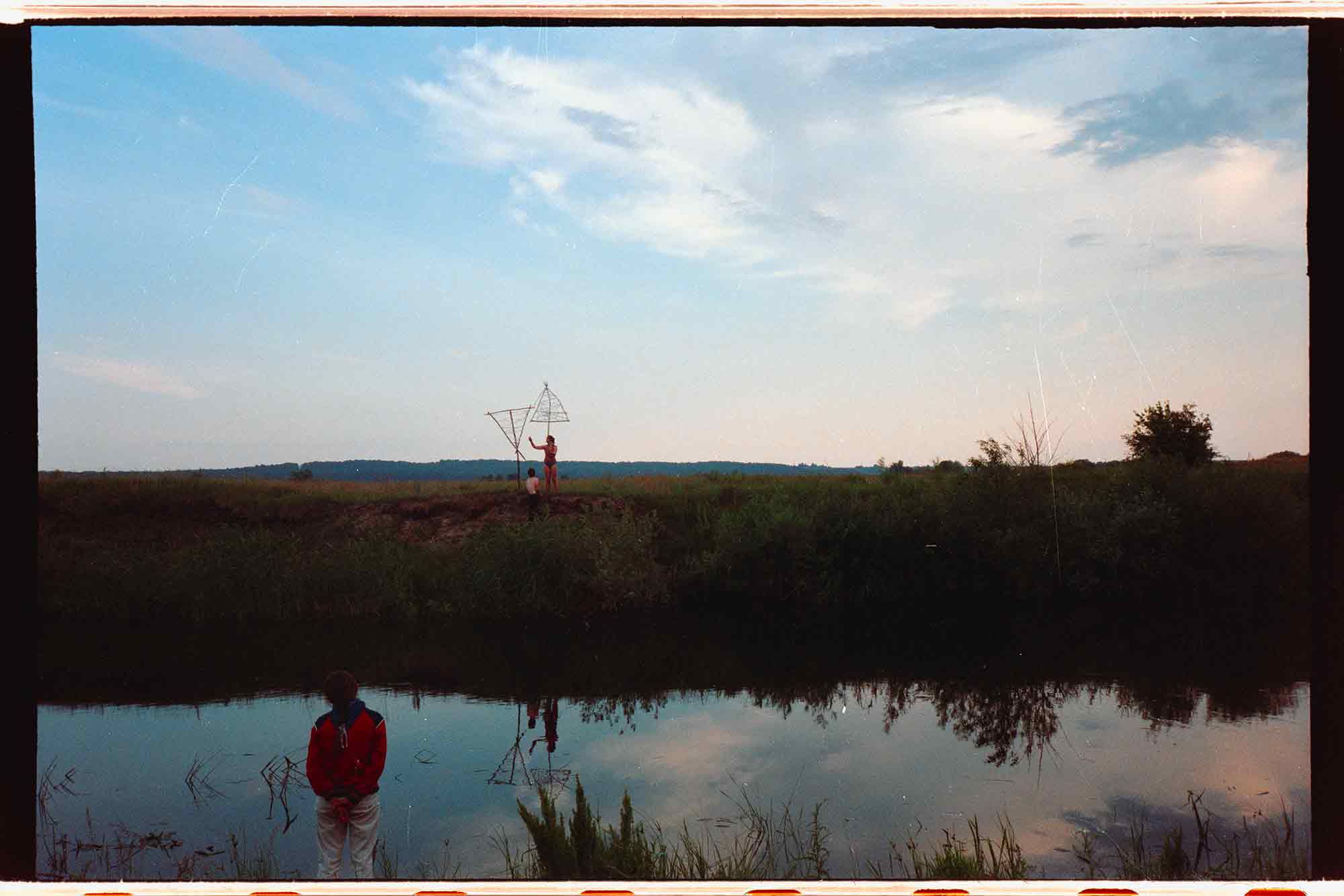
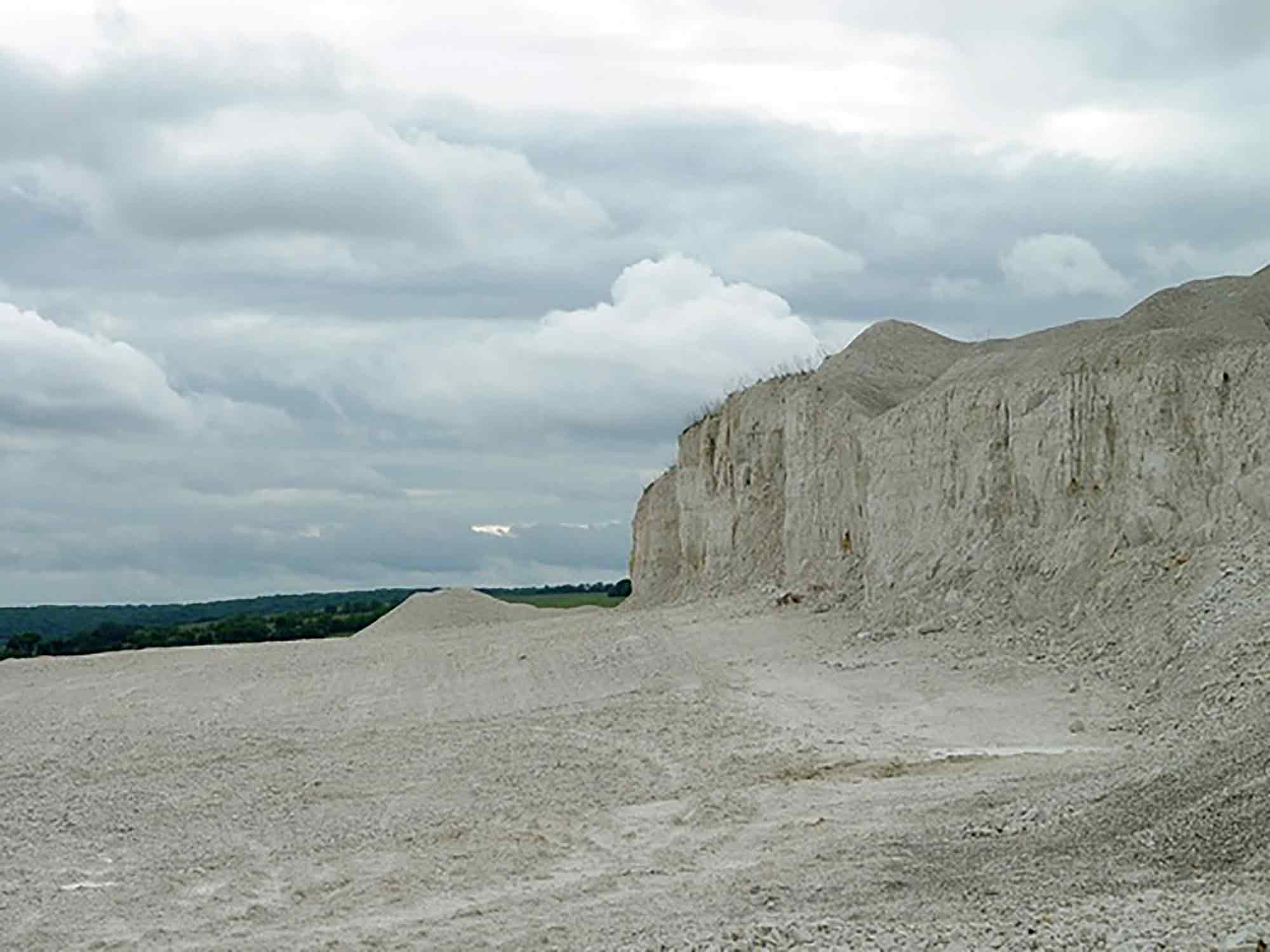
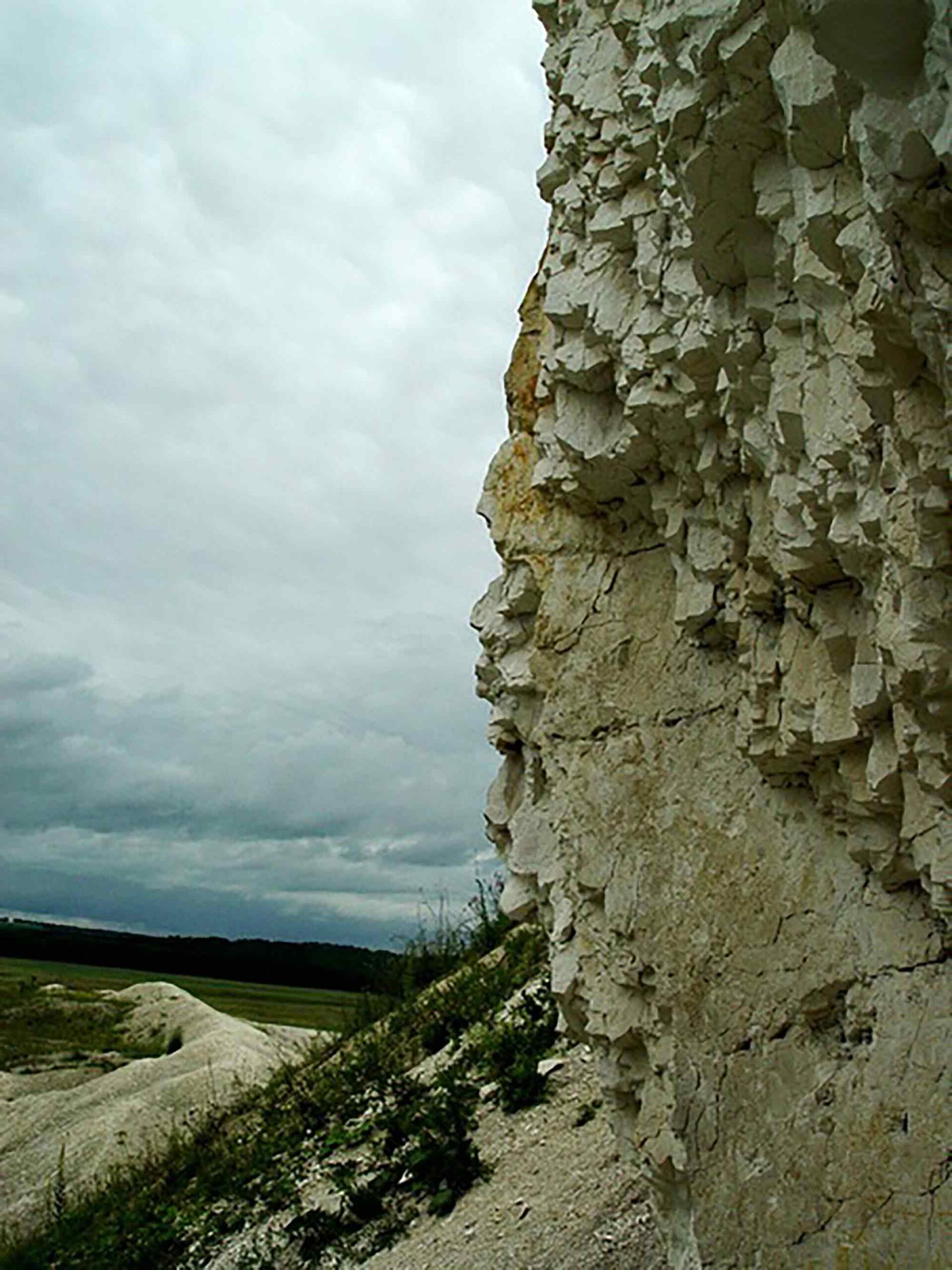
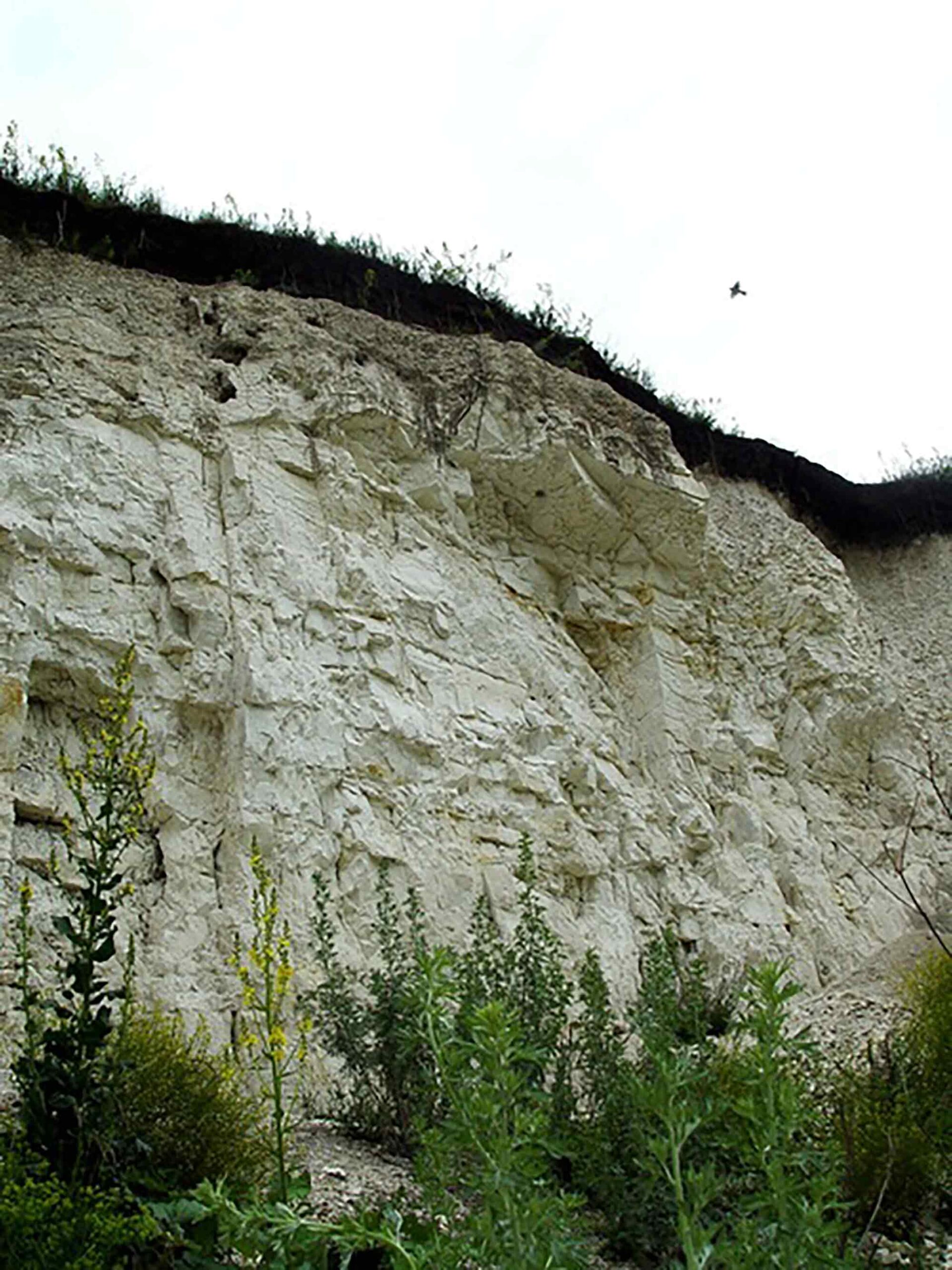
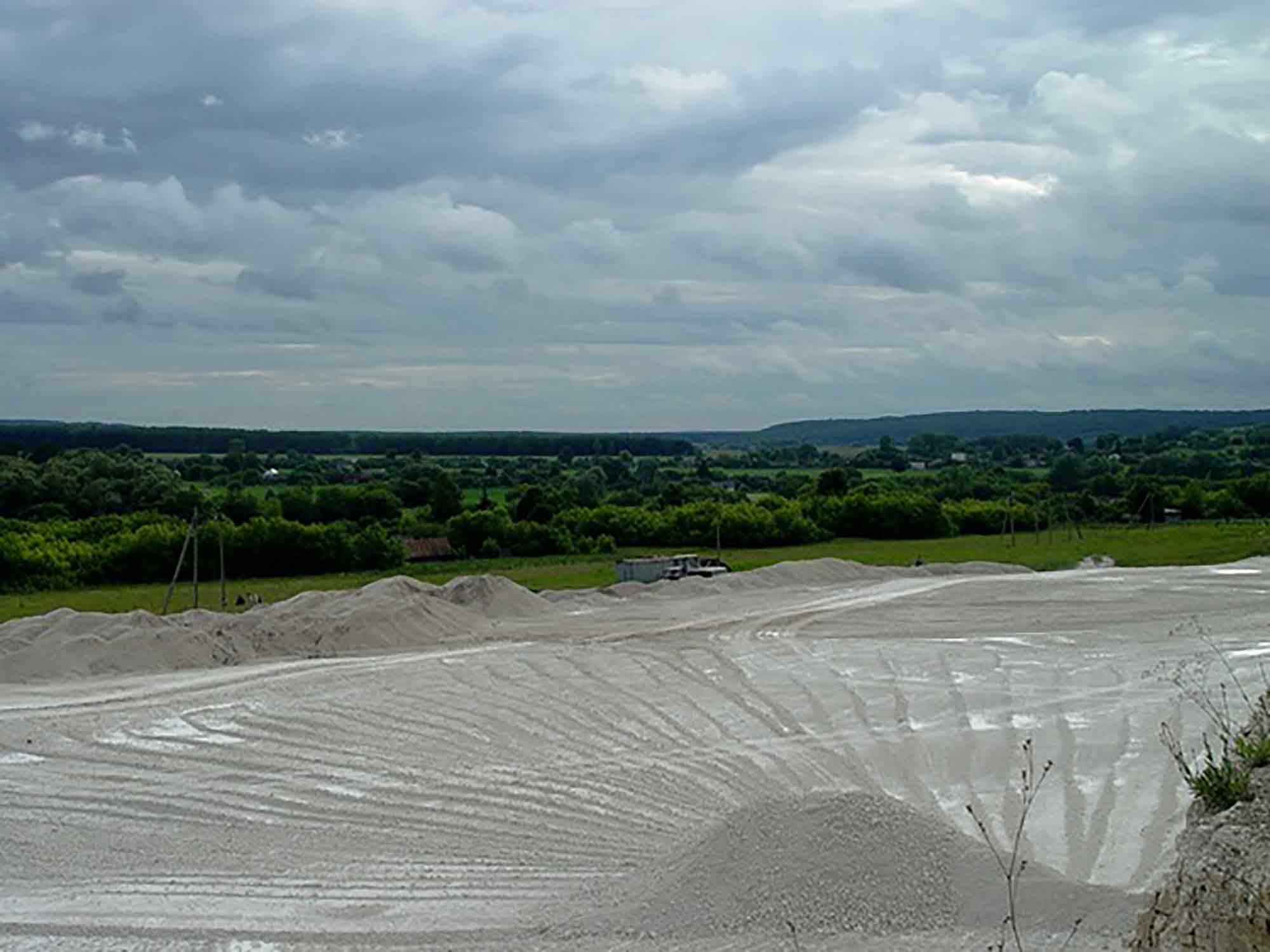
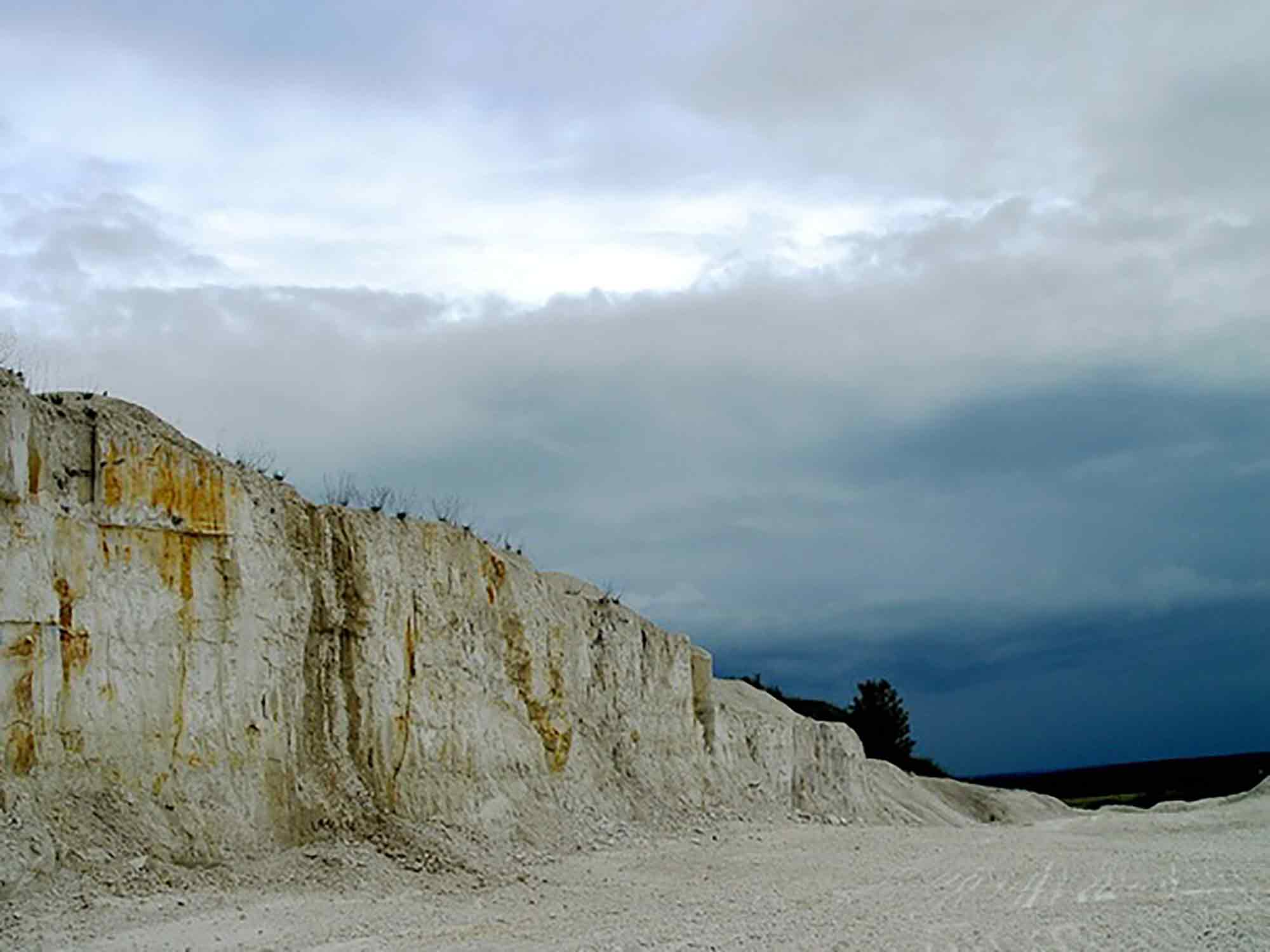
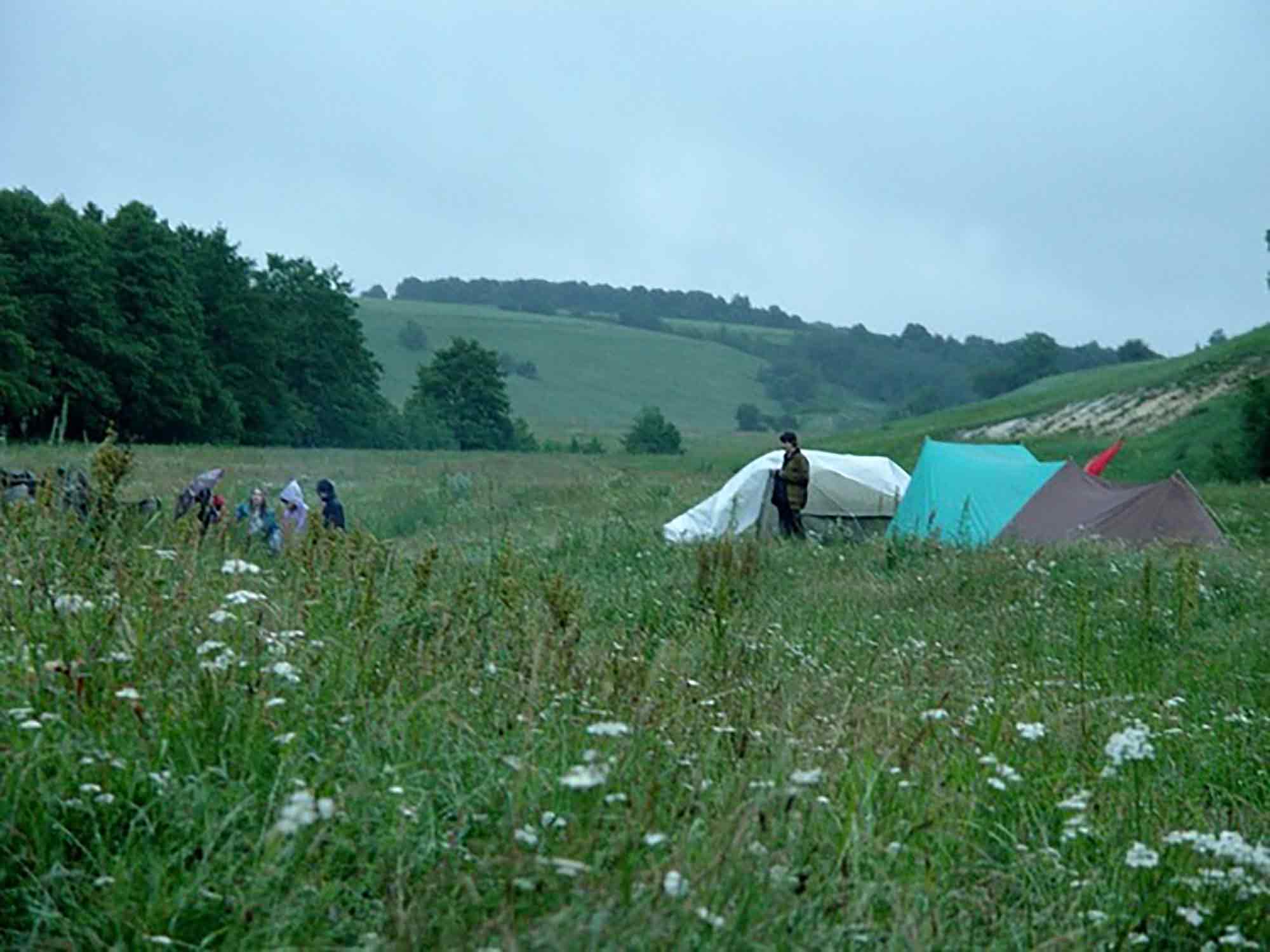
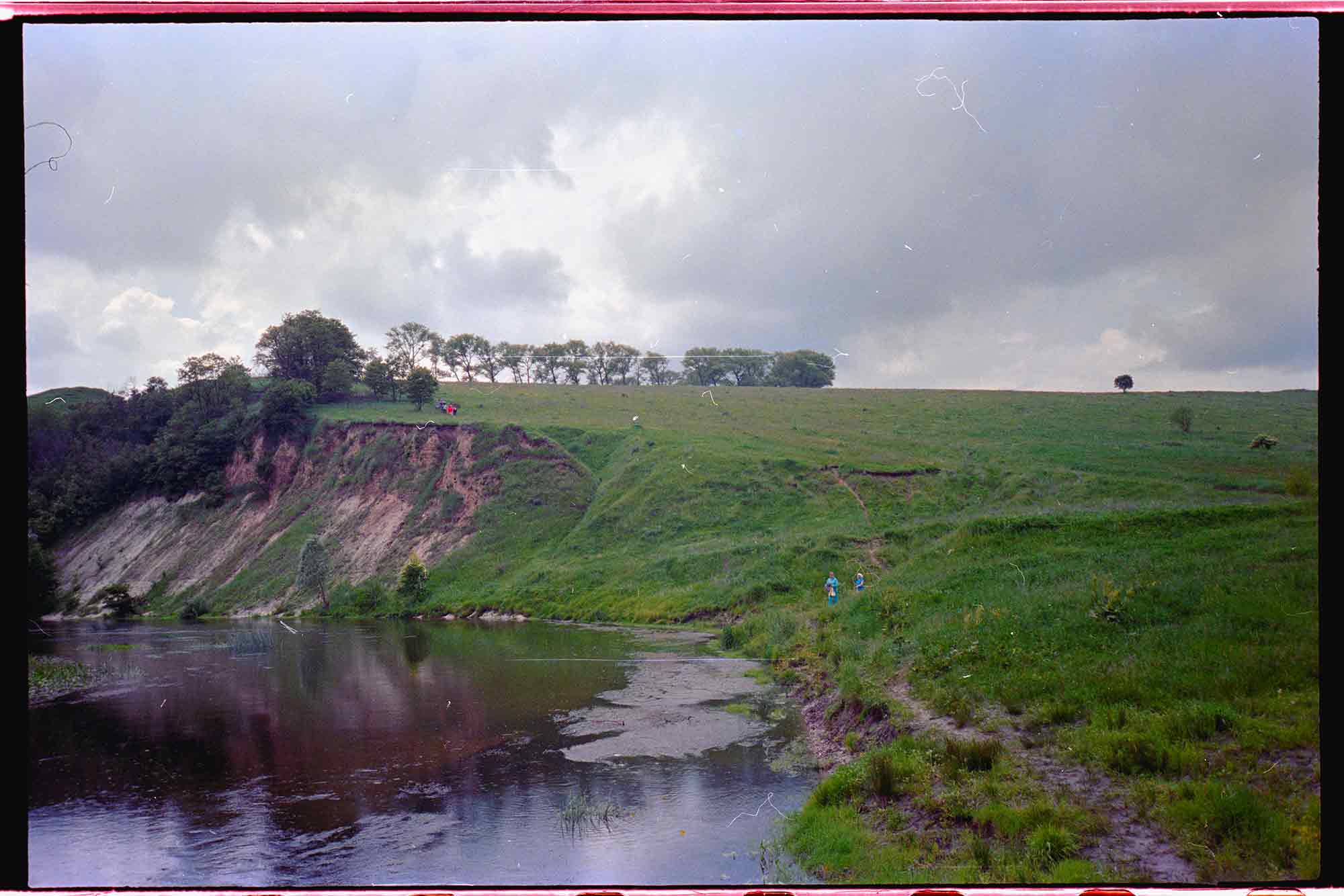
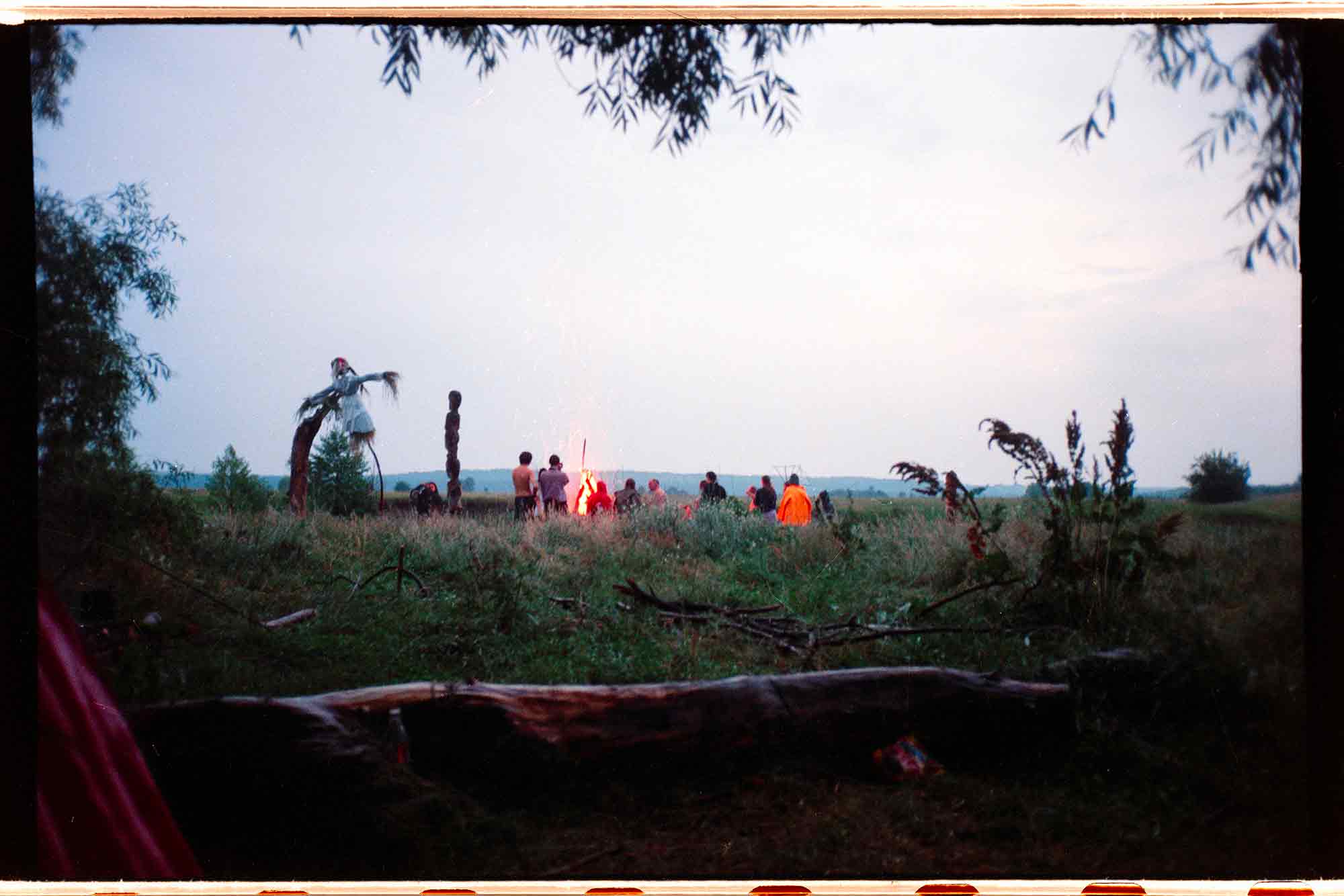
The years 2004–2006 were marked by an active phase in the development of the youth programme, which gradually took shape as an autonomous strand of the symposium. During this period, “Borderland Space” became a laboratory of art education, where new approaches to interacting with the environment were formed. Youth projects not only continued the plein air tradition from which the symposium had grown but also brought it to a new level, combining contemplative, bodily and material practices. Student groups worked in close contact with the natural environment—not as a backdrop for creativity but as an active participant and a structure-forming factor.
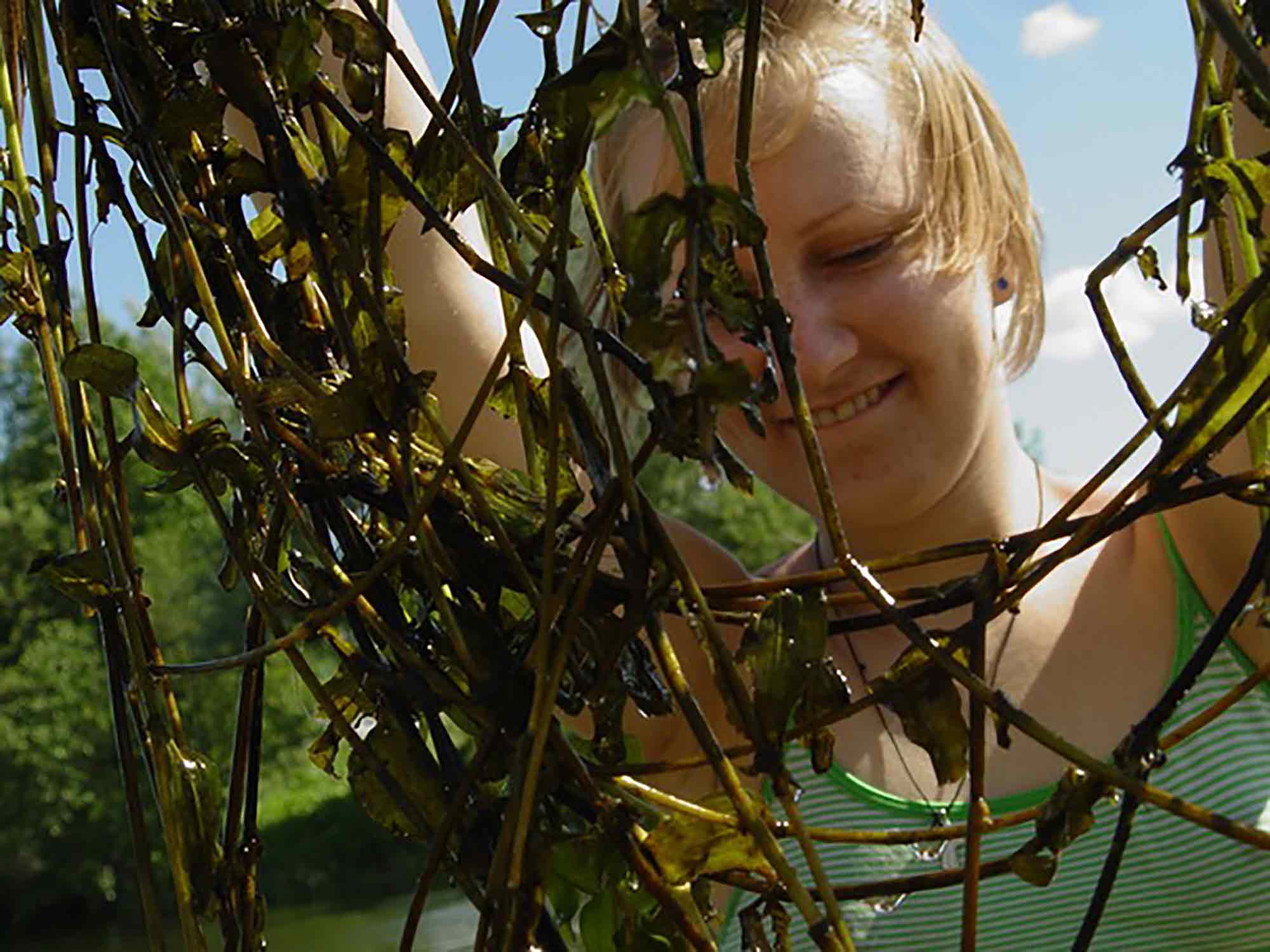
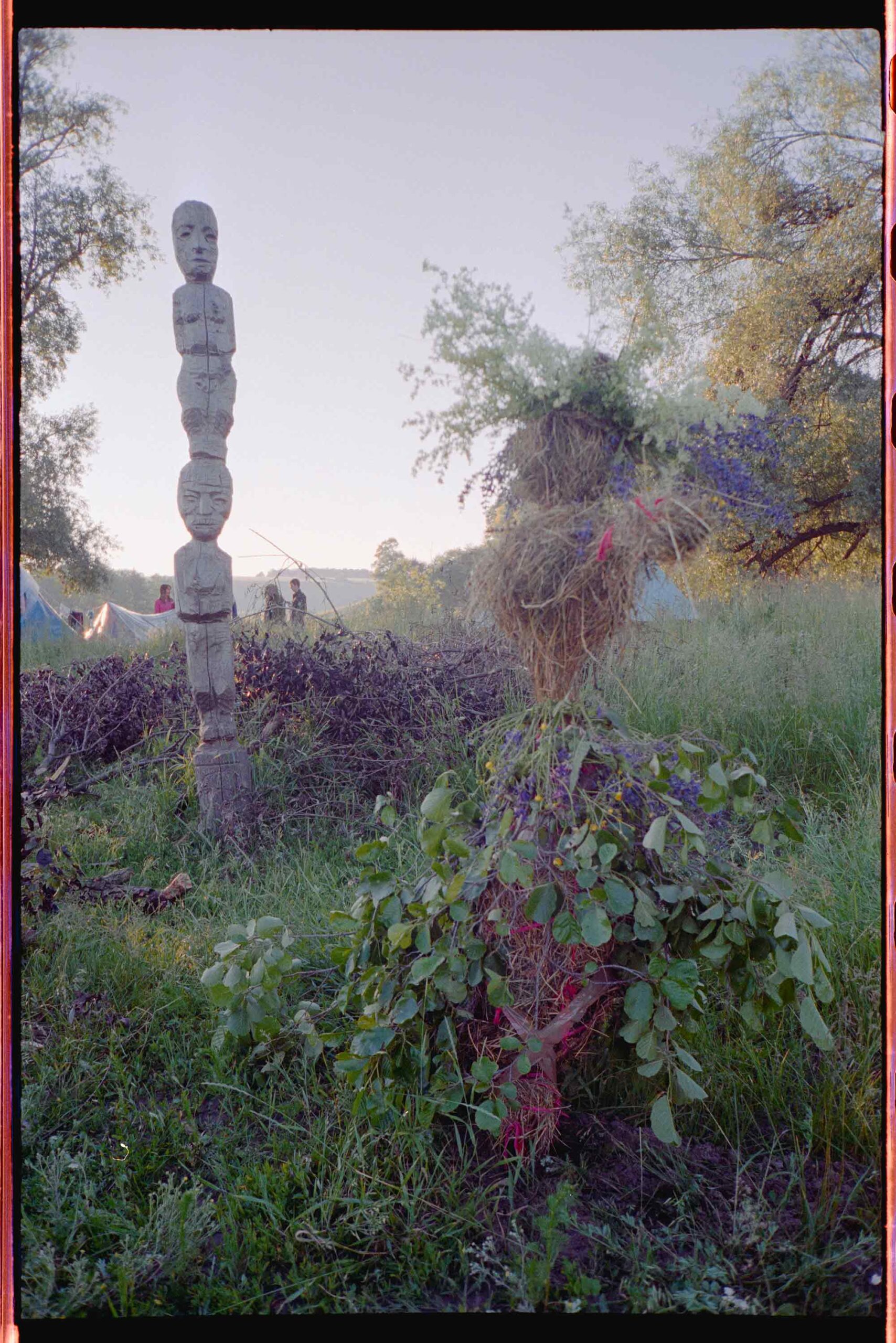
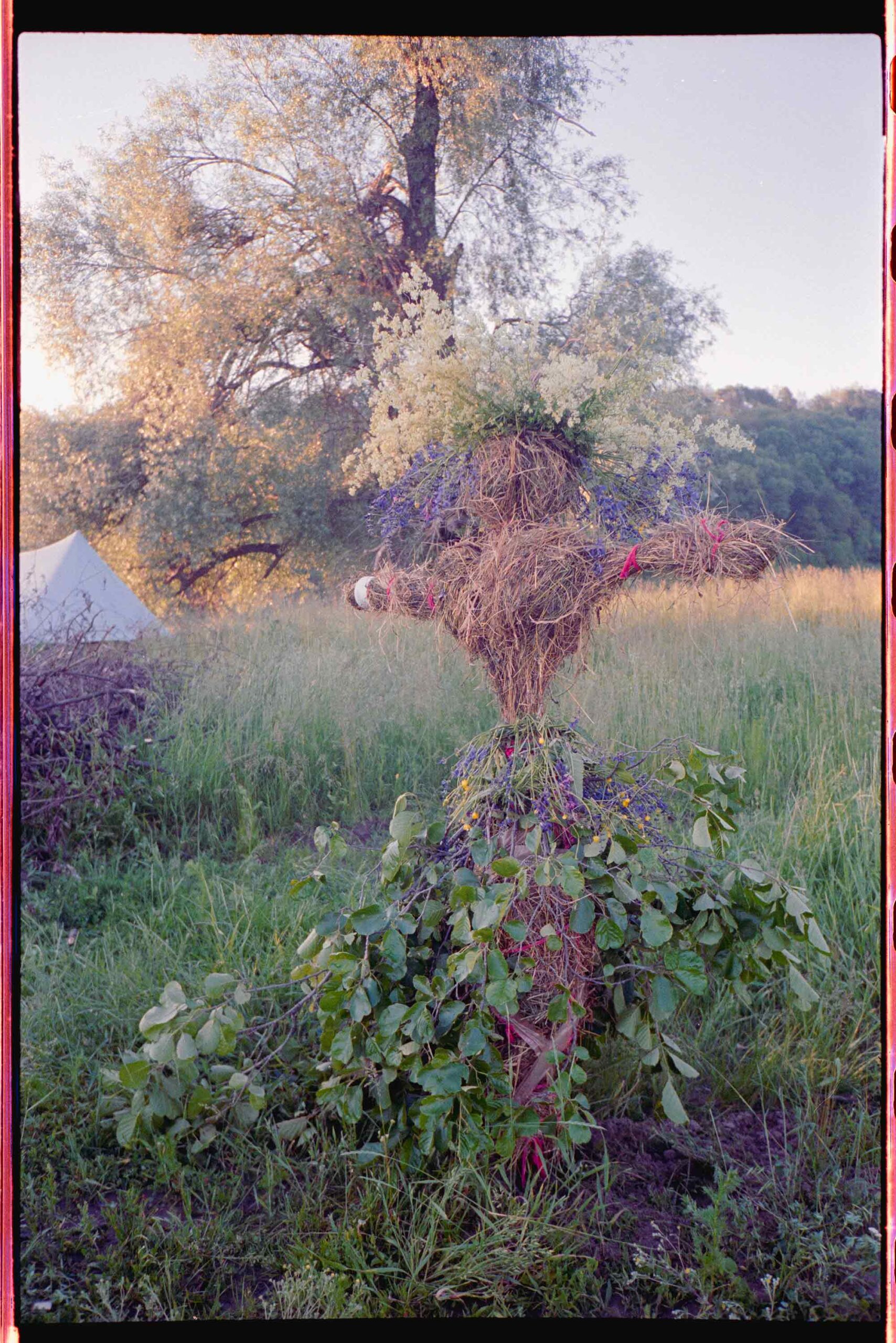
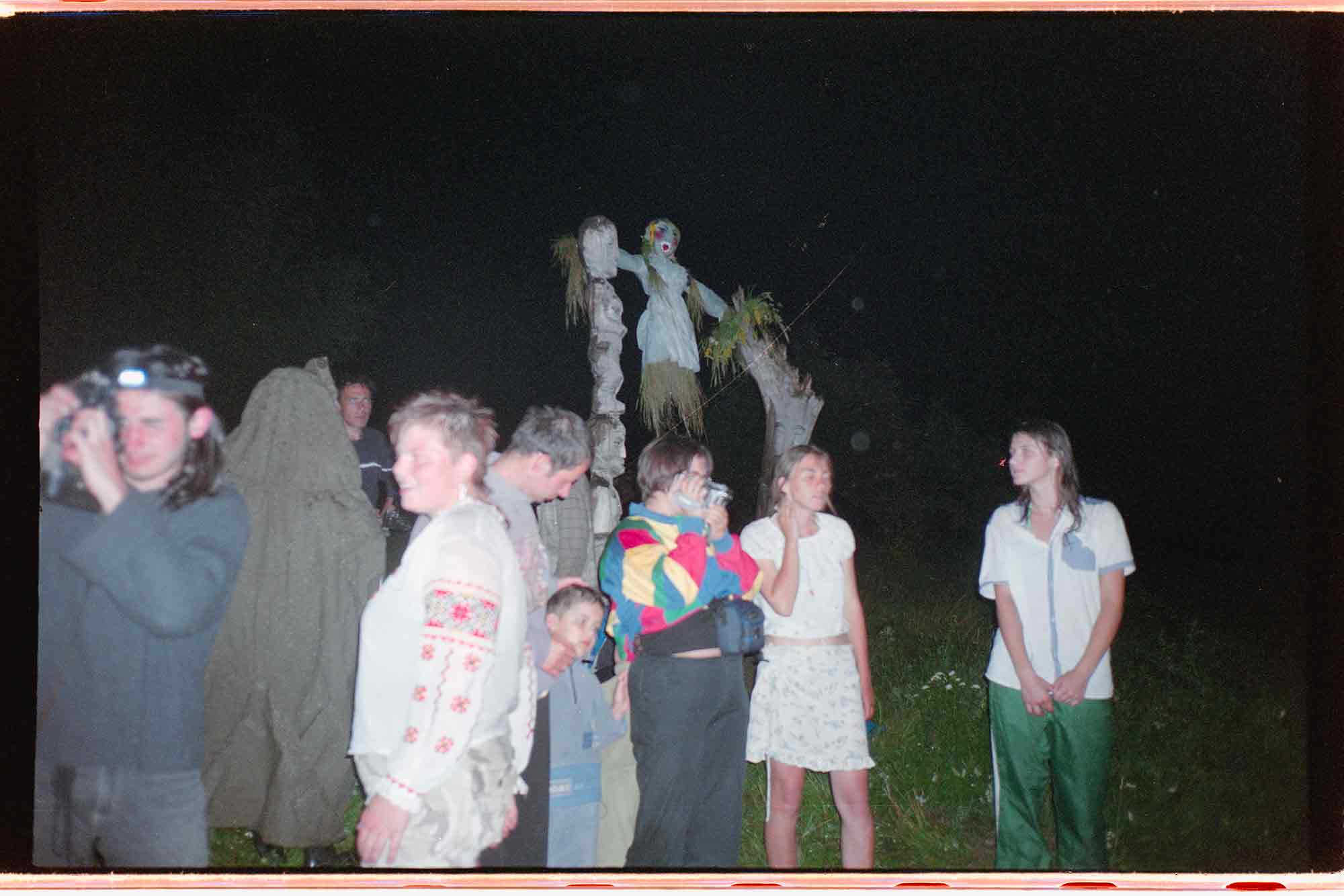
The pedagogical team—Ganna Gidora, Natalia Kokhan, Yurii Firsik and Ihor Shvachunov—developed the idea of working with elements as means of artistic expression: instead of paints—clay, chalk, and dew; instead of canvas—body, tree, shore, and grass. Images were created that appeared and disappeared in motion, fog, starlight, or through contact with ants, birds or algae. These gestures did not fix a result but revealed process itself as the principal artistic resource. Particular attention was given to working in darkness or blindly, when perception of the world reshapes modes of thought.
This period laid the foundation for several new generations of artists who later became full participants in the Ukrainian art scene. For many of them, Mohrytsia was not merely a location but a kind of initiation into art—a moment of self-discovery and departure from the academic canon. “For us, students, Mohrytsia embodied a separate, extraordinary world, saturated with experience,” recalls Sasha Sadovska. “It was an opening into space, where we came face to face with the question of who we are and what we can offer this world. A real adventure and an opportunity to see one another in conditions of creative freedom, a window into the contemporary art of land art, the experience of collaboration, communication with established artists, work with the four elements—this magic stirred such layers of the conscious and unconscious that two weeks in Mohrytsia outweighed an entire year of study. It was our place of strength, to which we returned many years later.”
text continues below
An important role in the stability of the youth programme was played by the administrative and ideological support of Leonid Vlasenko, the director of the Sumy Higher School of Arts and Culture. His foresight and trust in experimentation ensured the annual participation of student groups in the symposium for almost a decade. This educational strand enabled the integration of artistic exploration and pedagogical practice, embedding the experience of land art within the structure of art education.
The results of these processes were not limited to individual objects in the landscape but also extended to artistic events that brought the Mohrytsia experience into the public sphere. Exhibitions at the Architect’s House in Sumy and at the Irena Gallery in Kyiv (curated by Iryna Osadcha) were exemplary in this respect. The culmination of the period was the joint project “Night”—an experimental installation uniting the works of young artists Vitalii Kokhan, Oleh Karpieiev, Artur Samofalov, and Dmytro Zeziulin, created under the mentorship of Oleksandr Zhyvotkov. The project explored darkness as a space of artistic immersion, where time, sound and light served as the principal elements of composition. “Night” was the outcome of an internal process that took place in Mohrytsia—the transformation of space into lived experience.